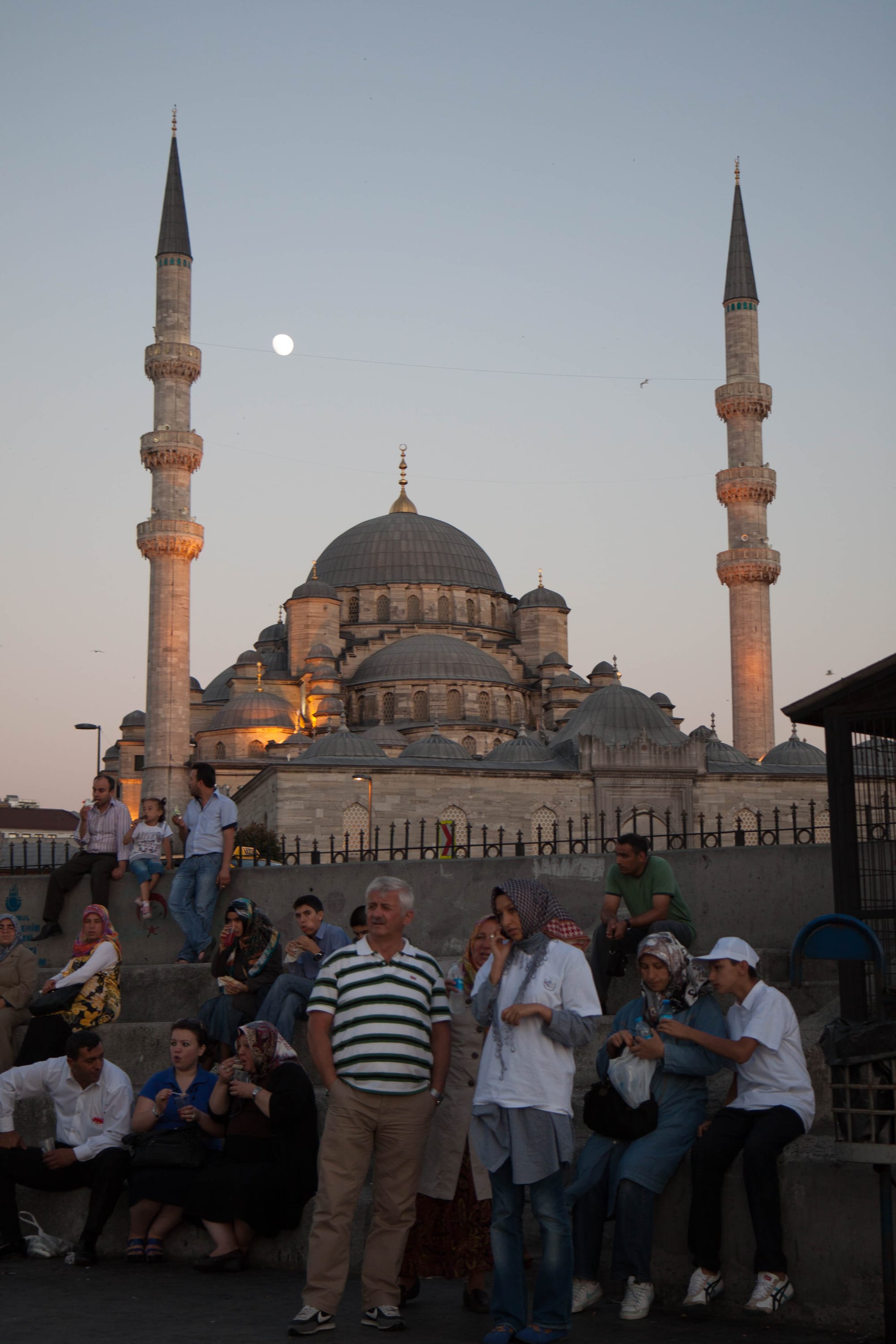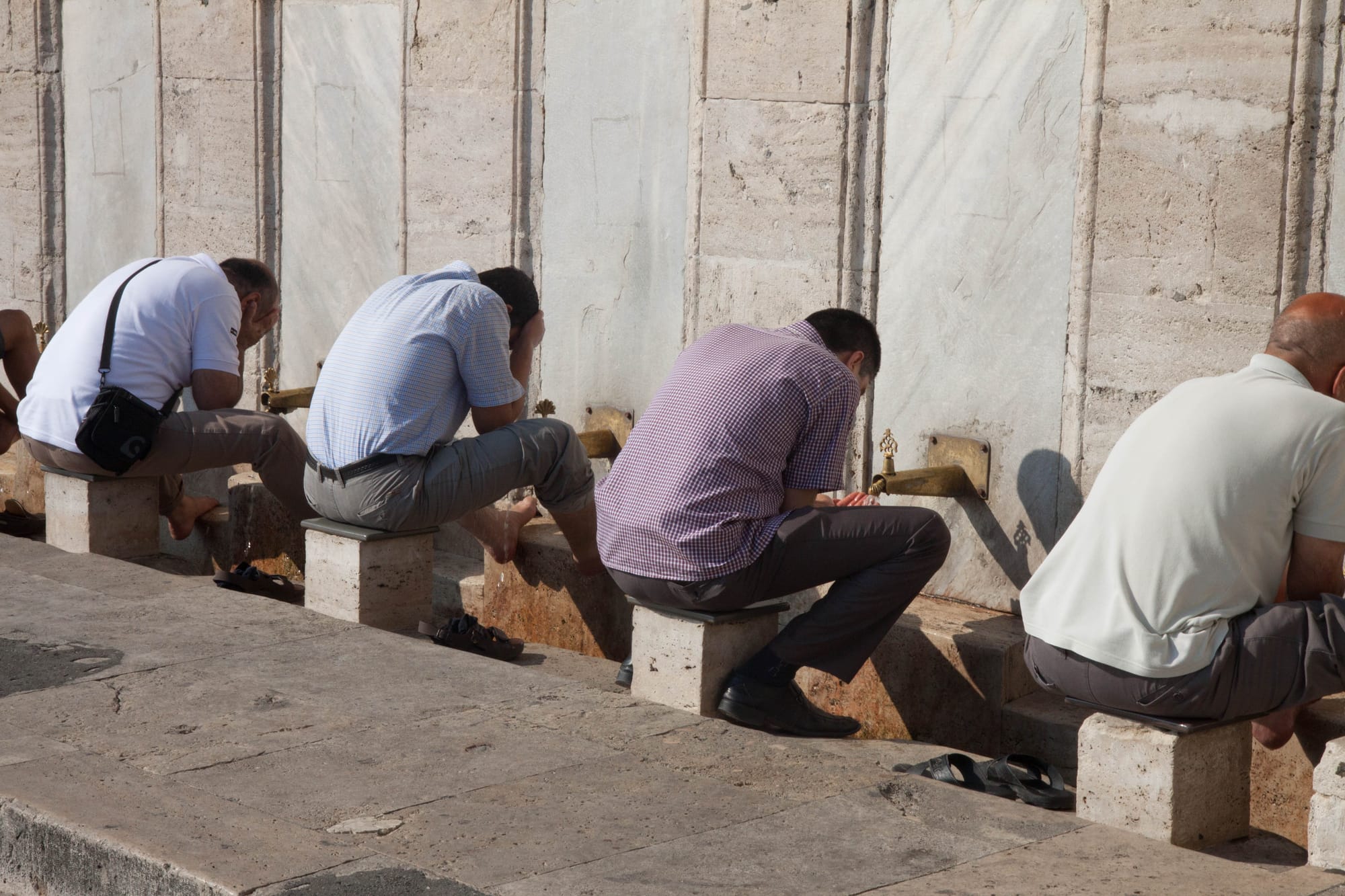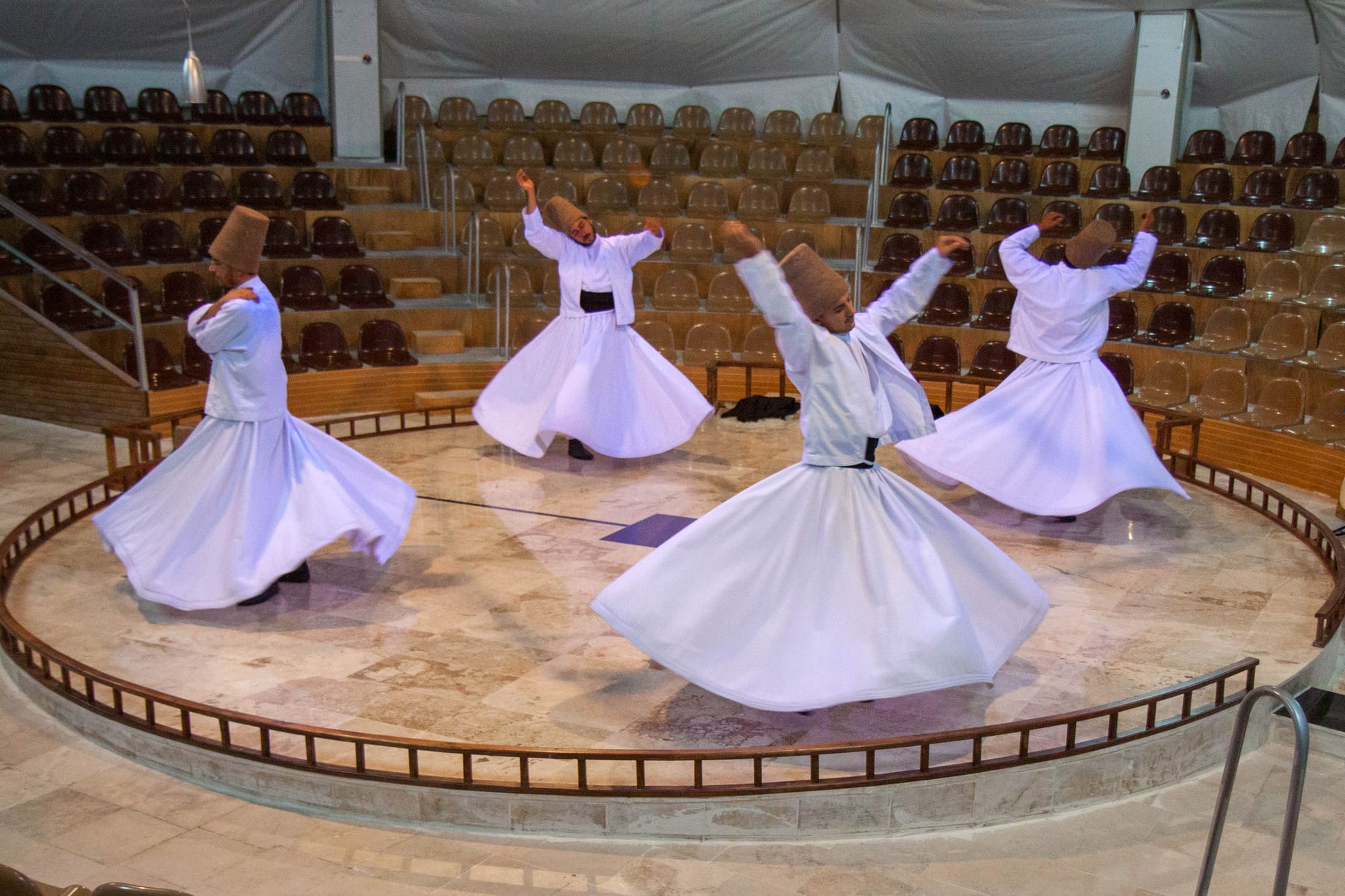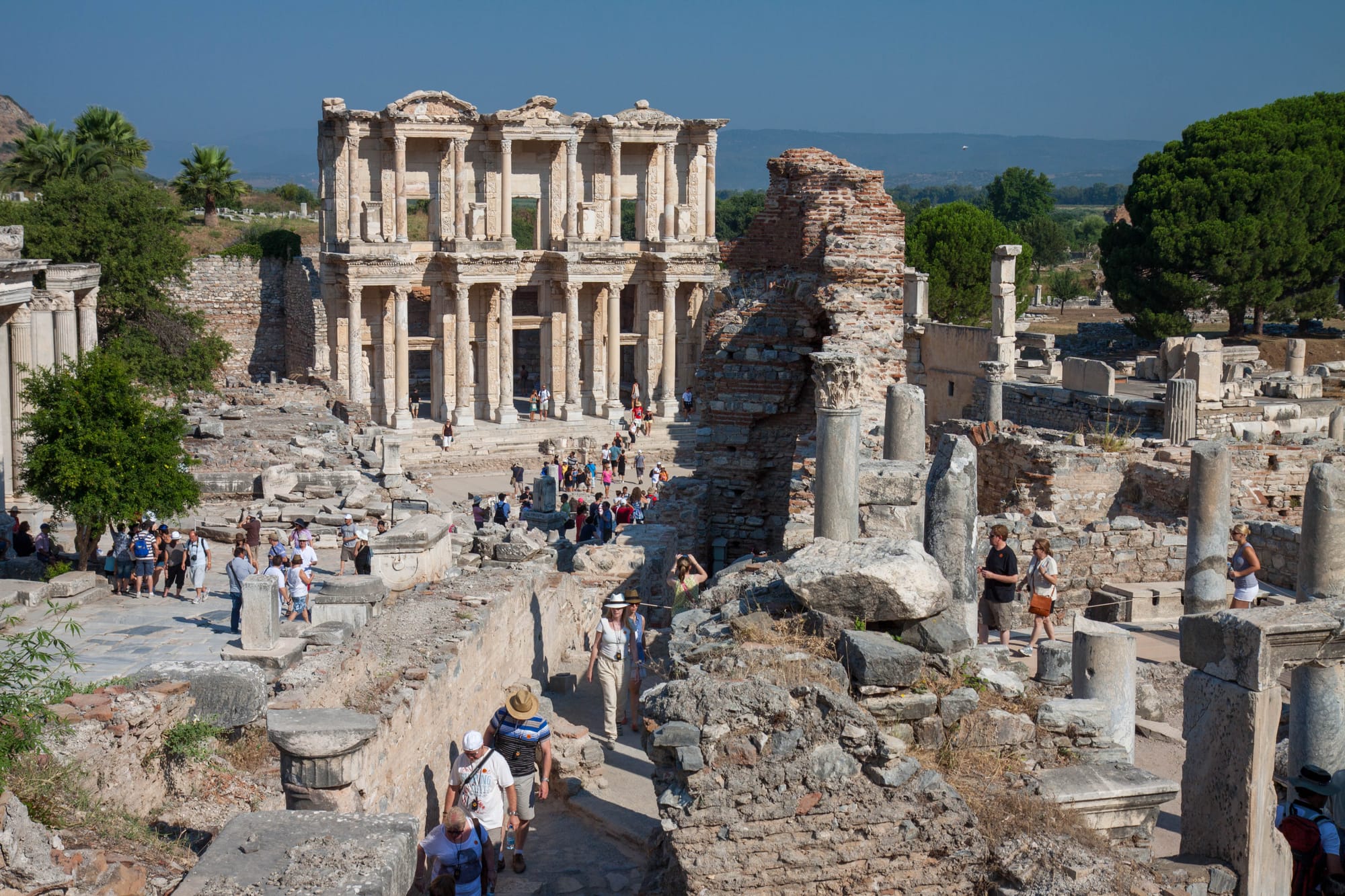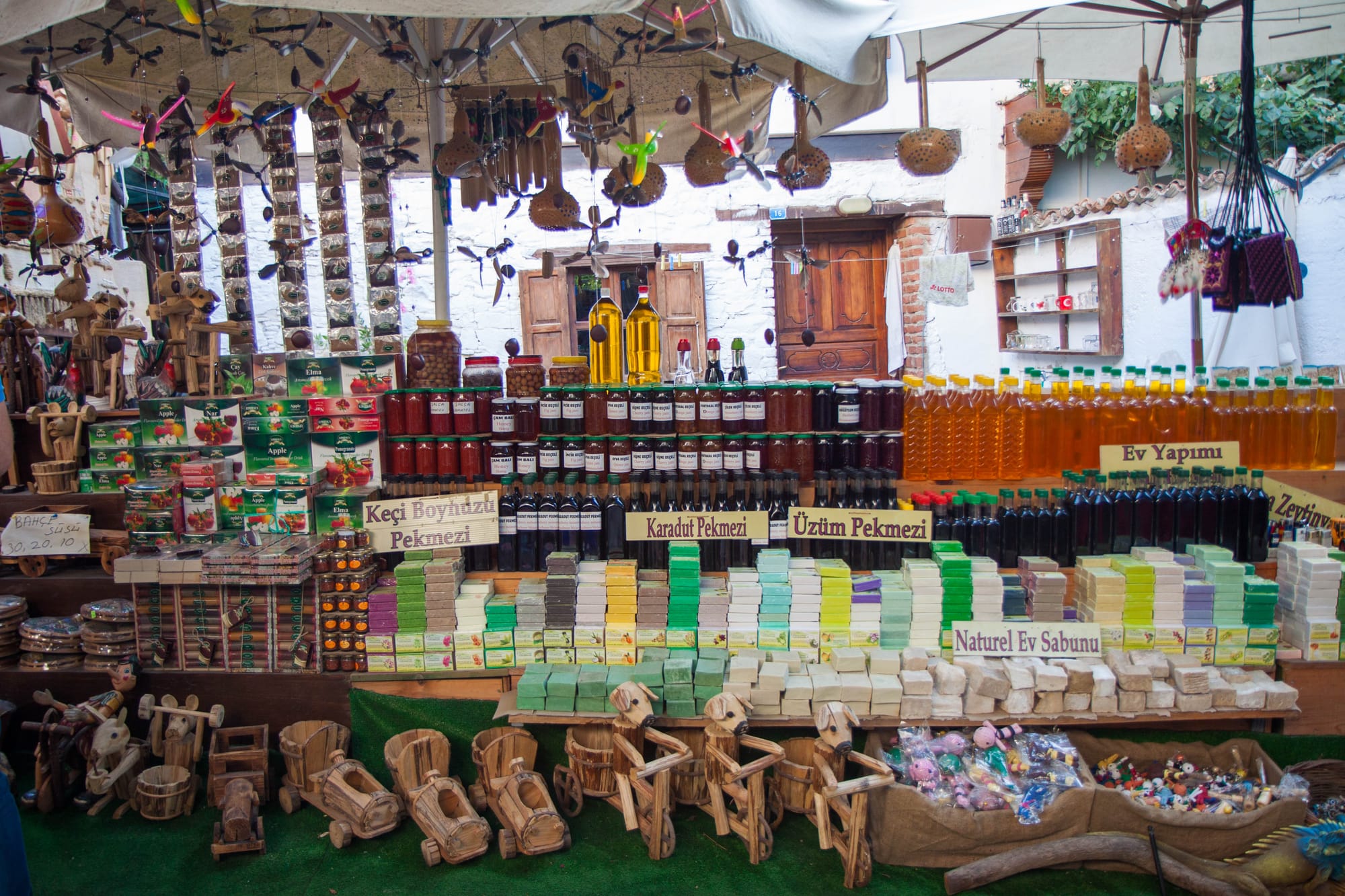
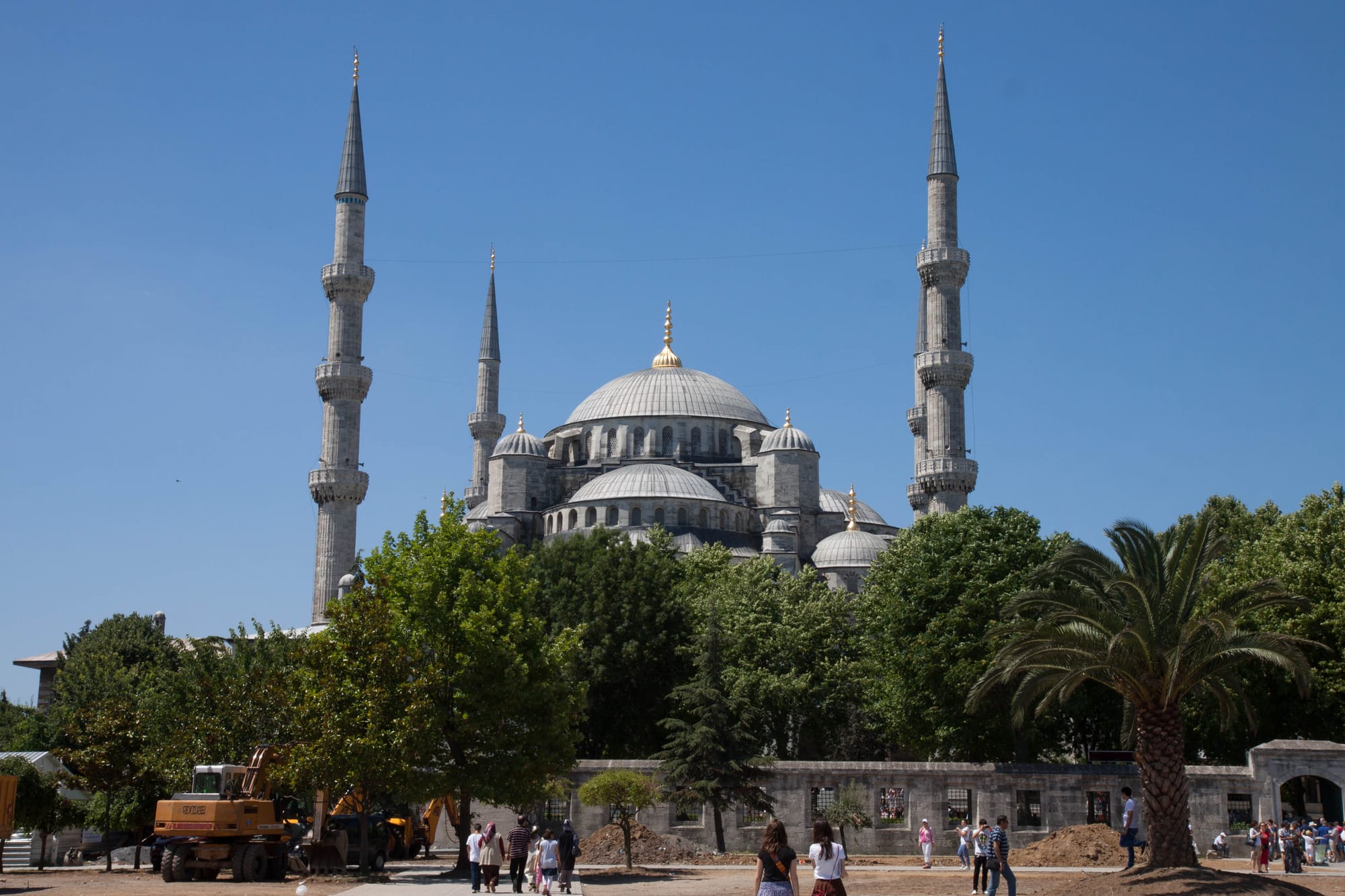
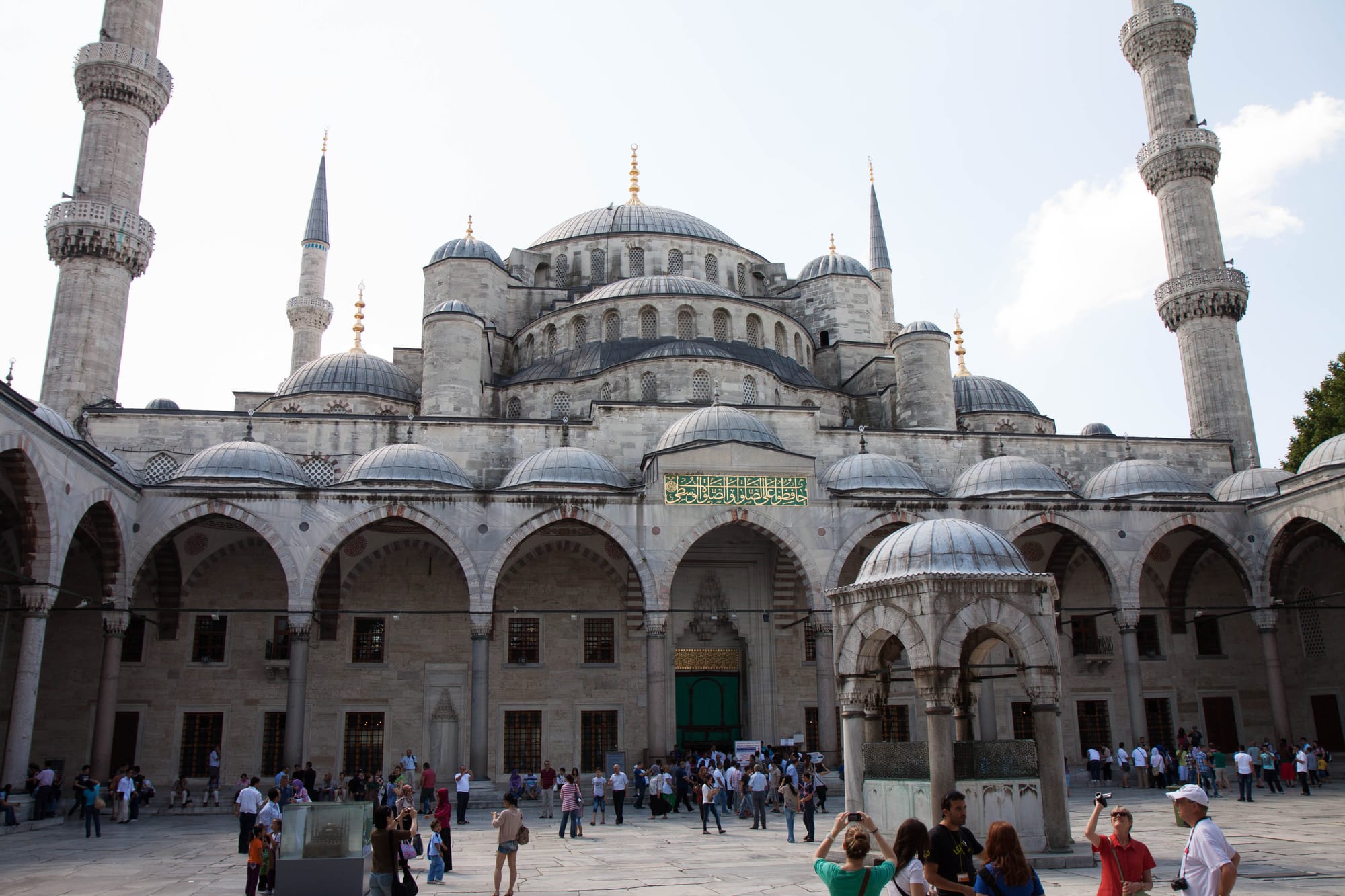
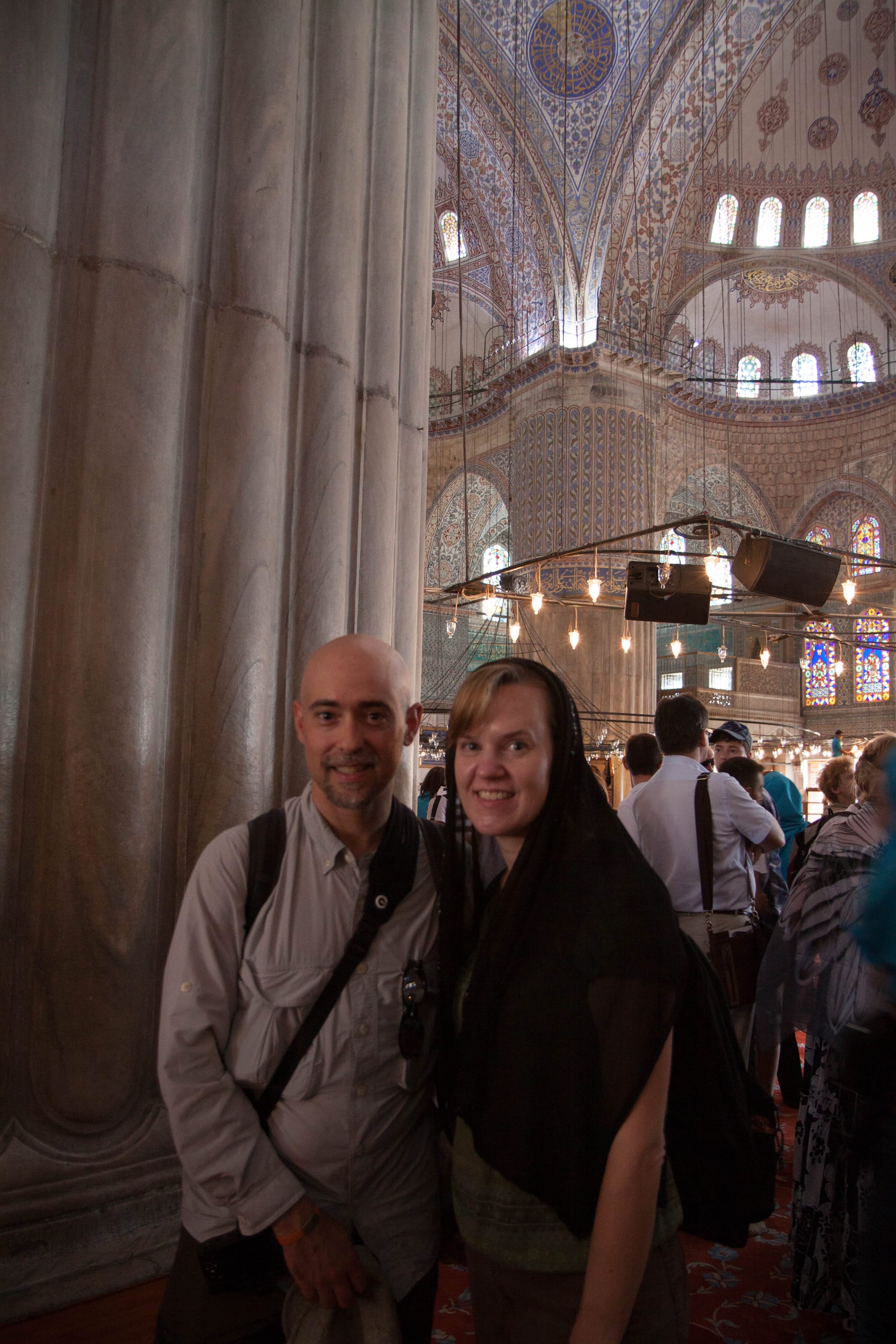
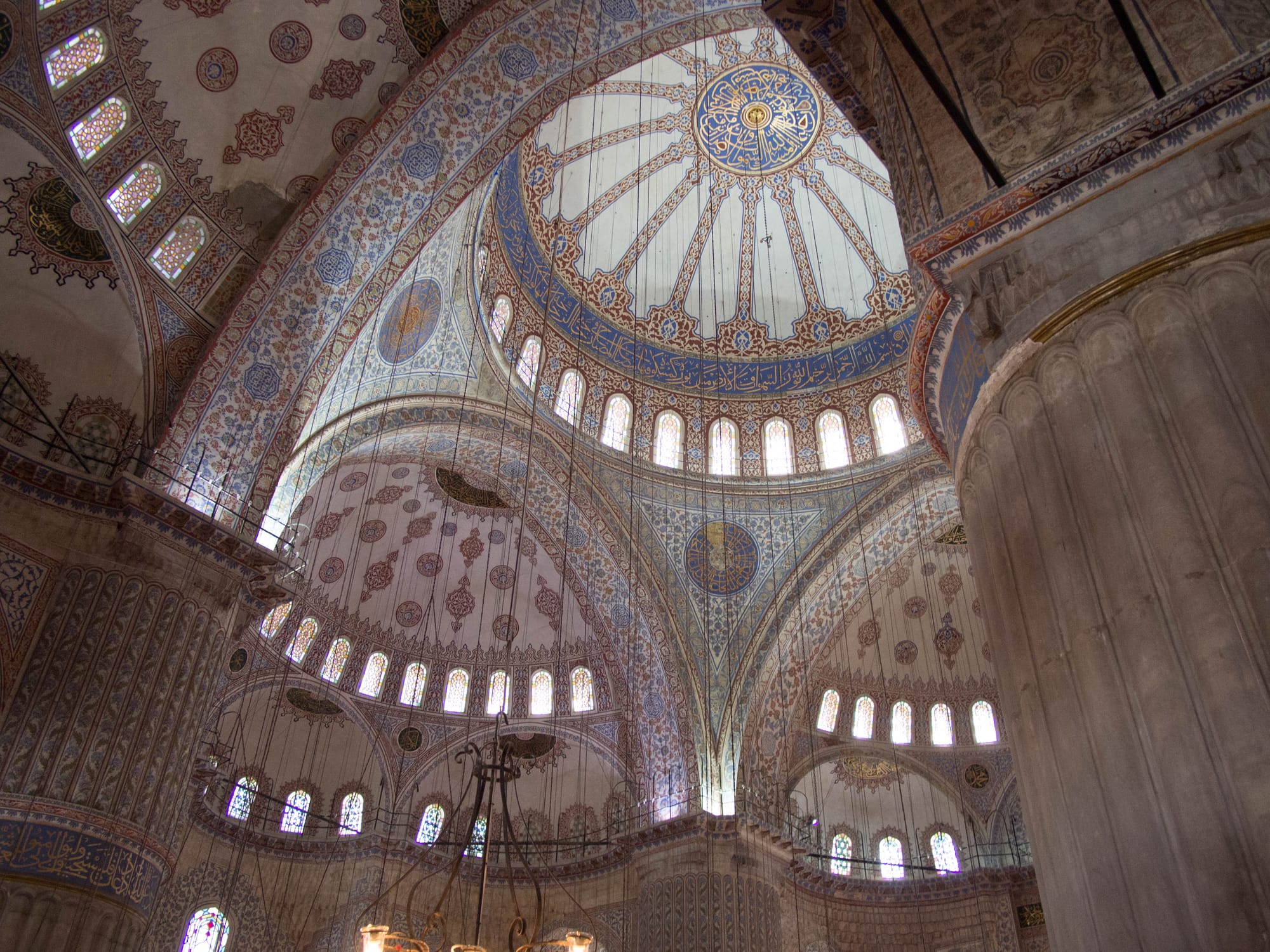
Visited the Sultan Ahmed Mosque, also known as the Blue Mosque. The mosque has a central dome surrounded by four semi-domes over the prayer hall. The inside is decorated with thousands of Iznik tiles and painted floral motifs in predominantly blue colors, which give the mosque its popular name.
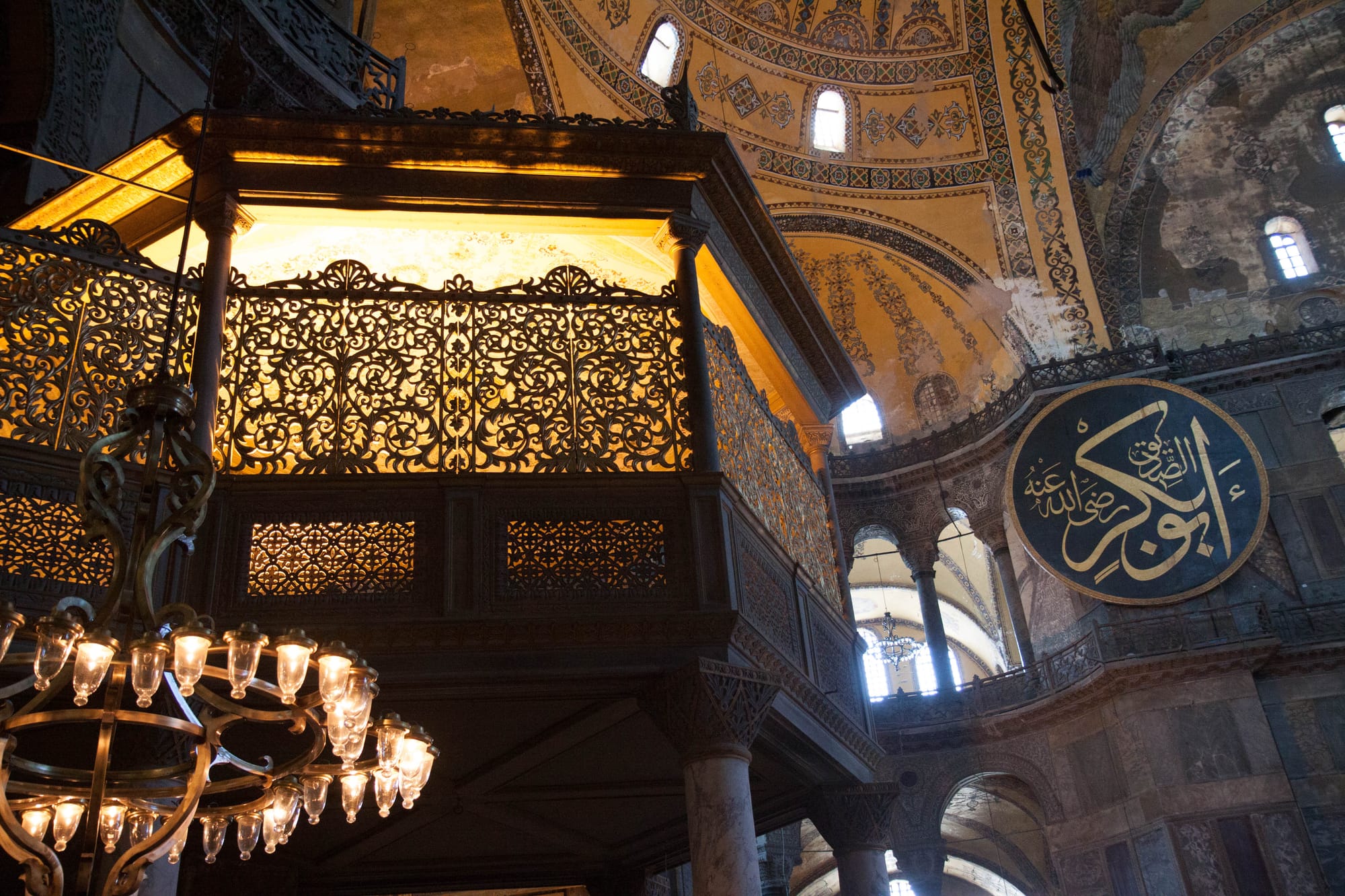
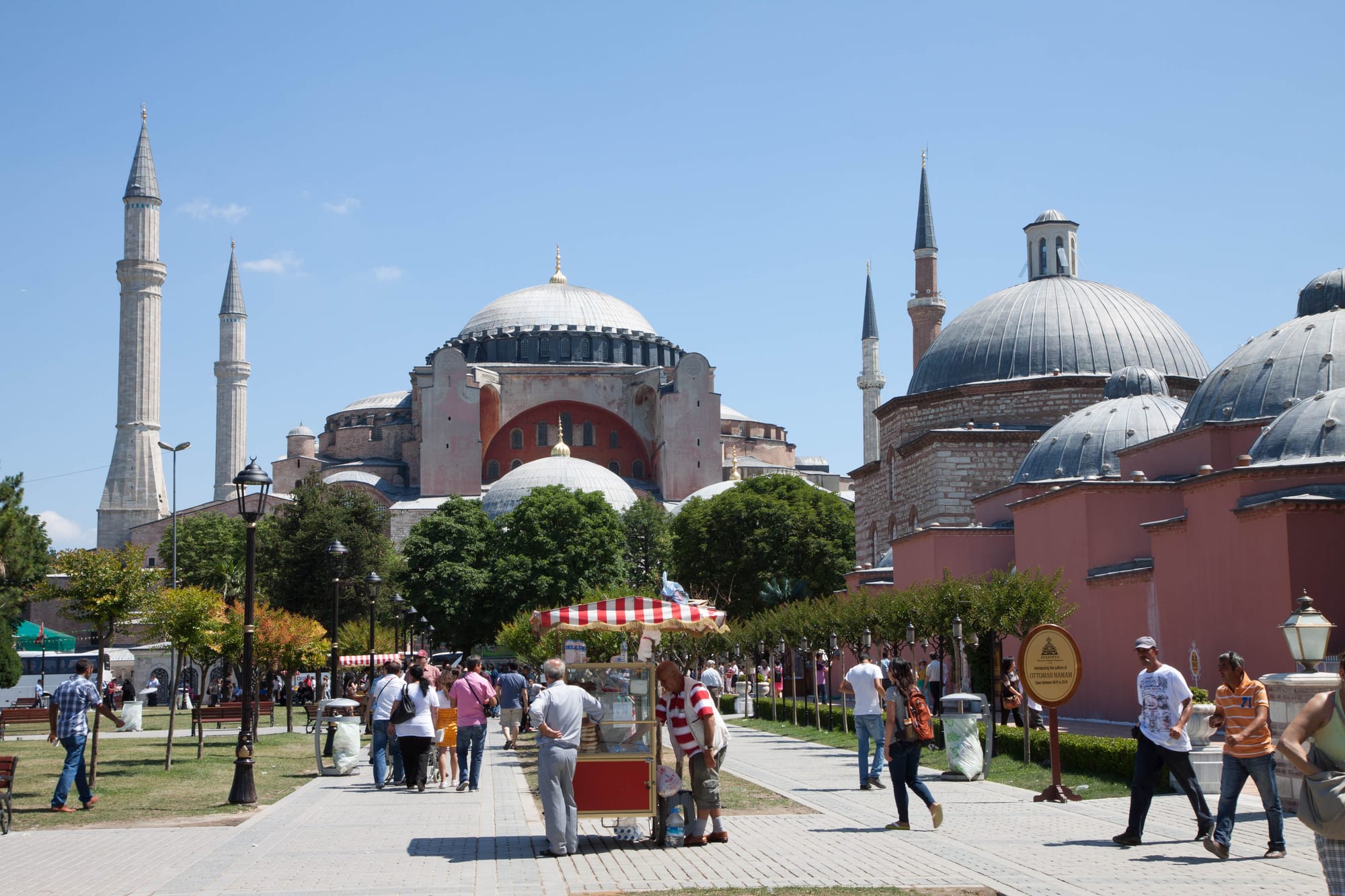
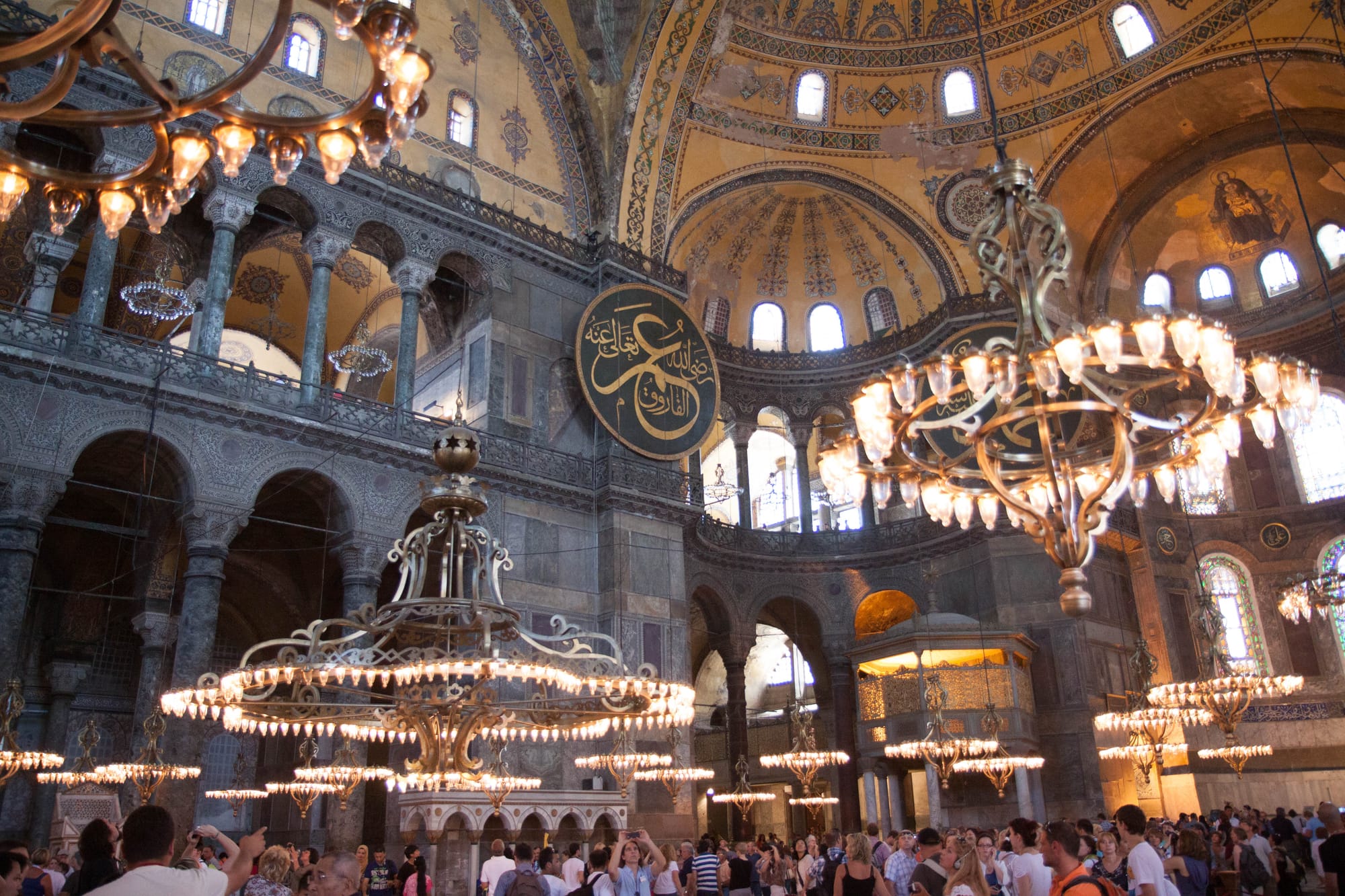
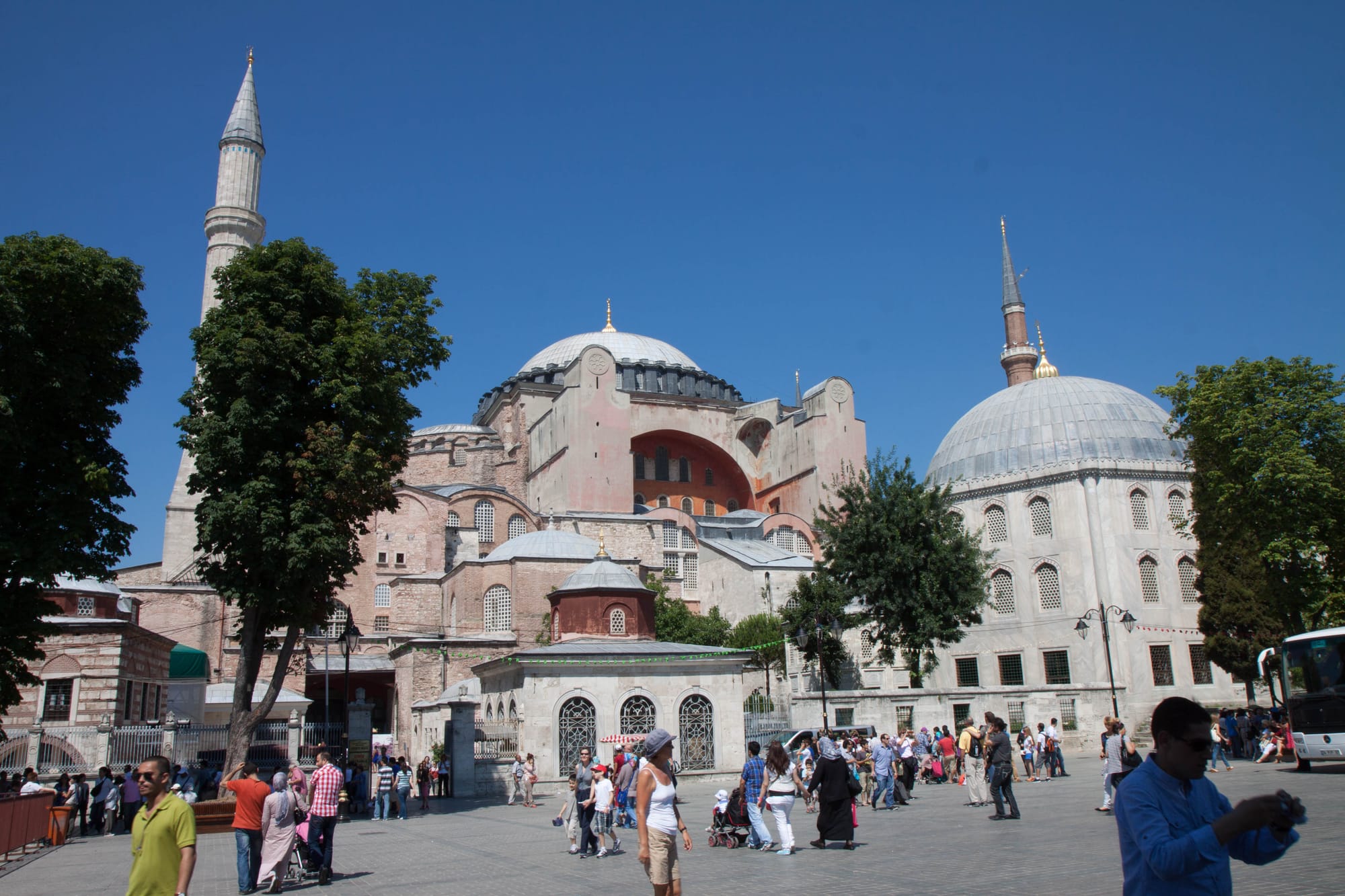
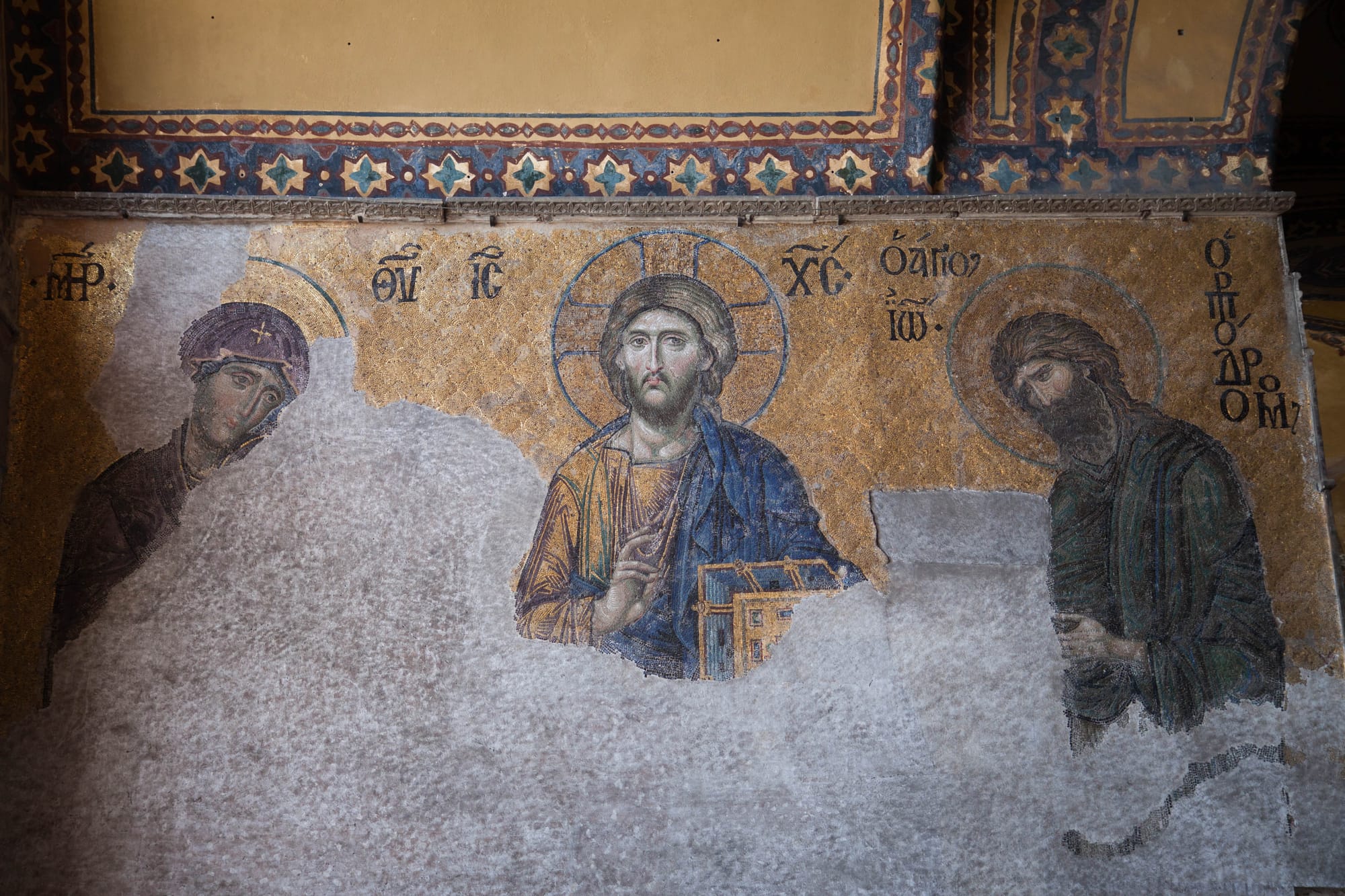
Visited the Hagia Sophia. Built in 537 AD, it served as the world's largest Christian cathedral for nearly a thousand years. Following the Ottoman conquest in 1453, it was converted into a mosque. It became a secular museum in 1935, before being designated back into a functioning mosque in 2020. It is celebrated for its revolutionary, massive floating dome and a unique interior that seamlessly blends golden Christian mosaics with grand Islamic calligraphy.
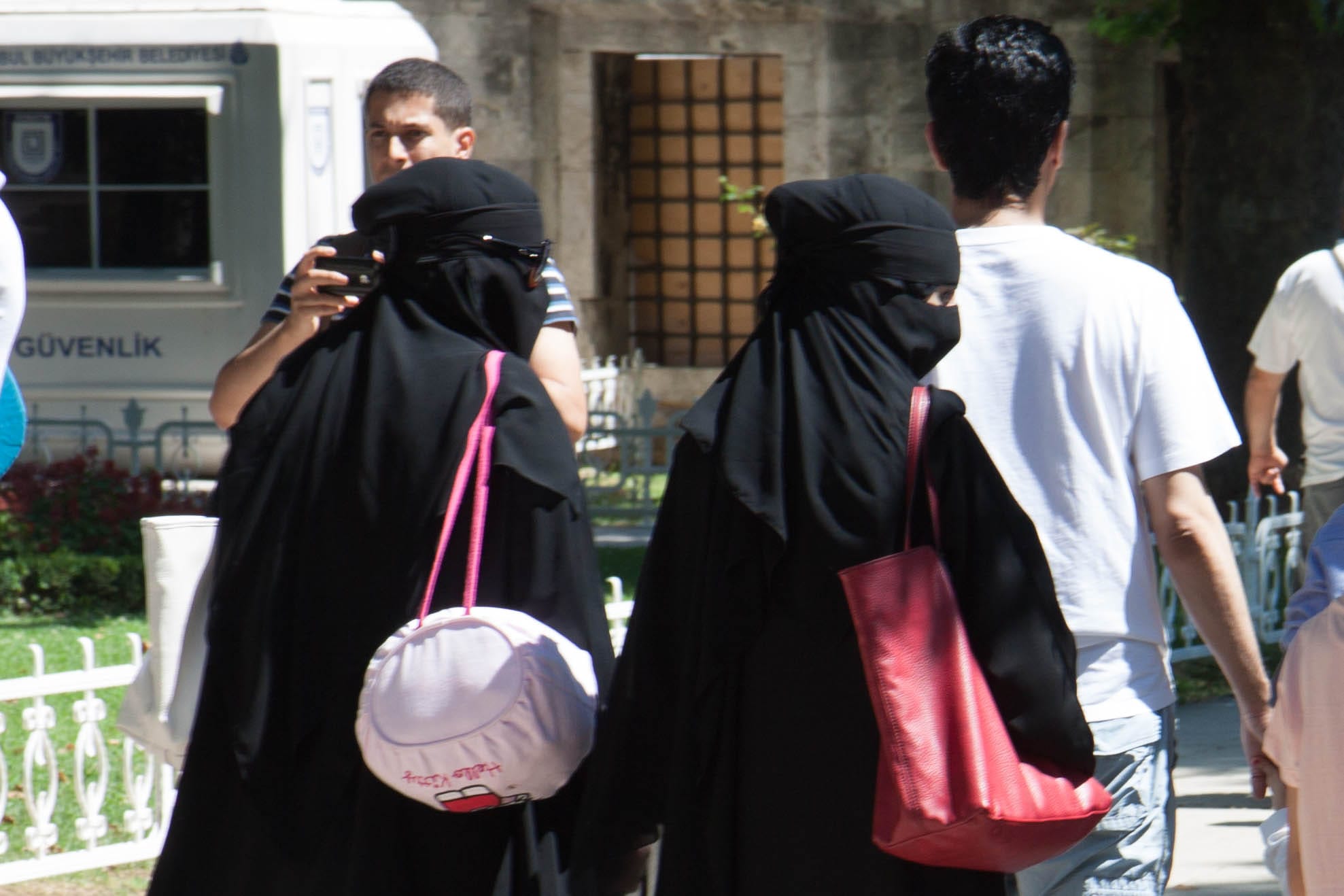
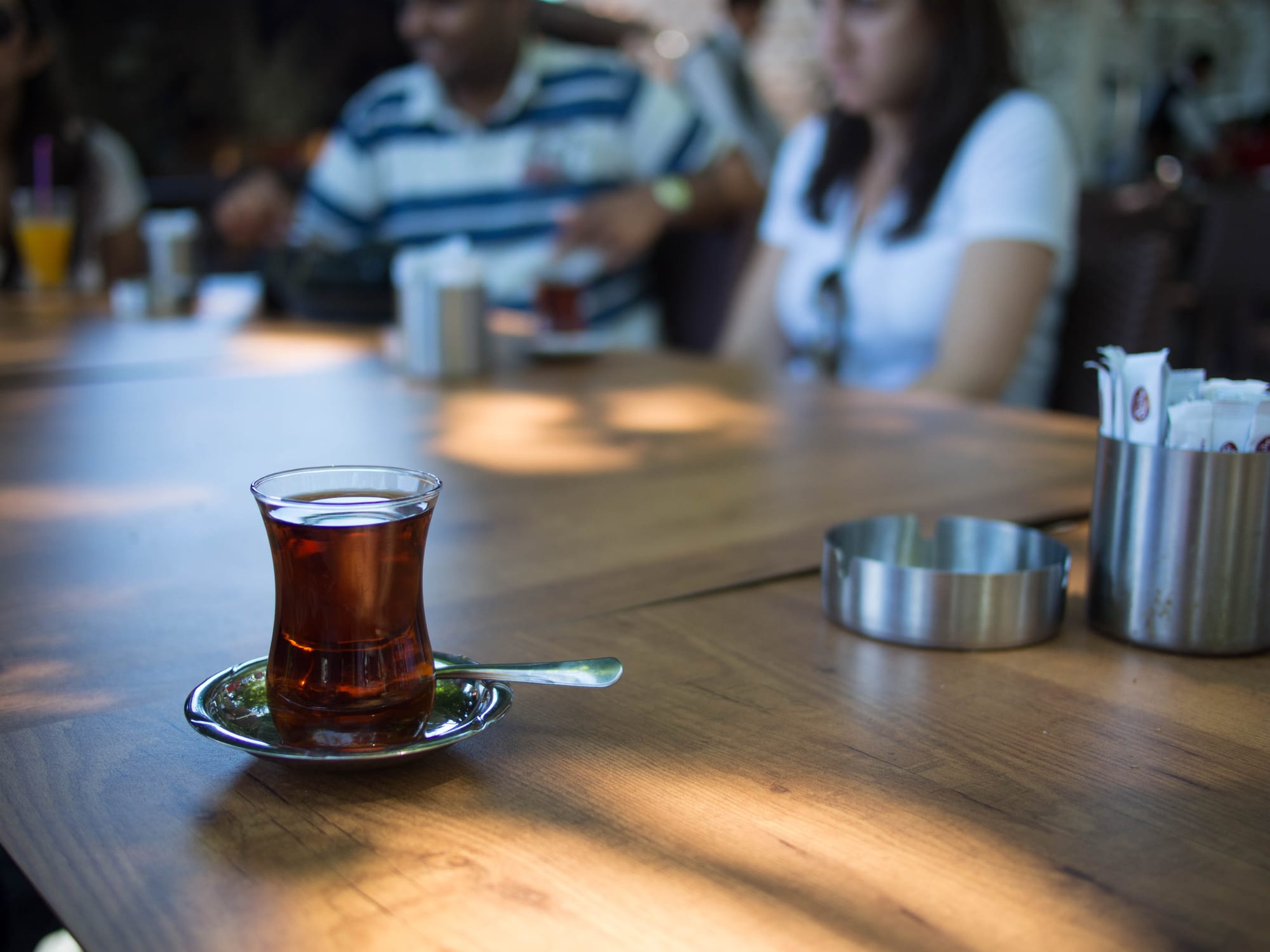
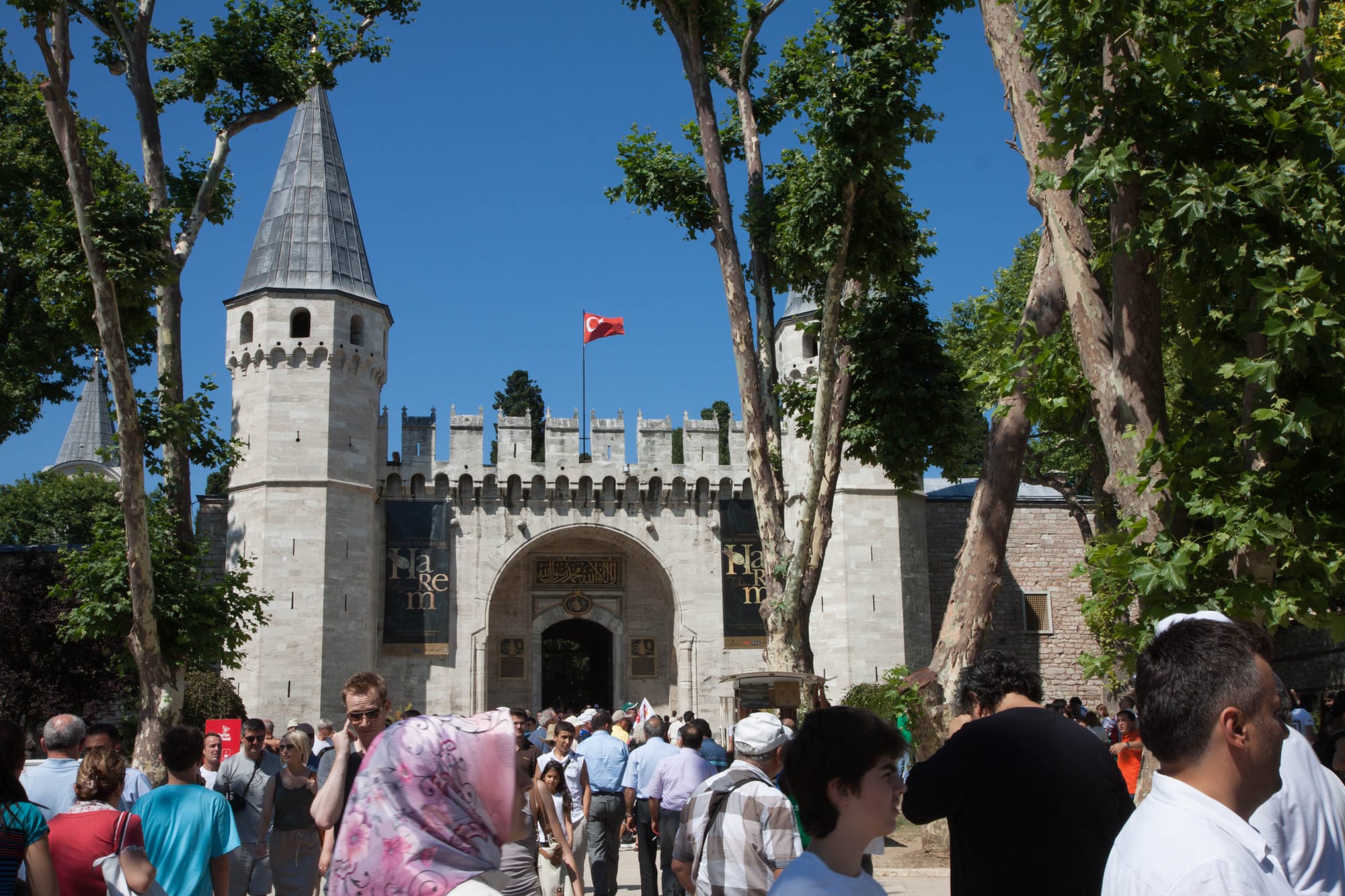
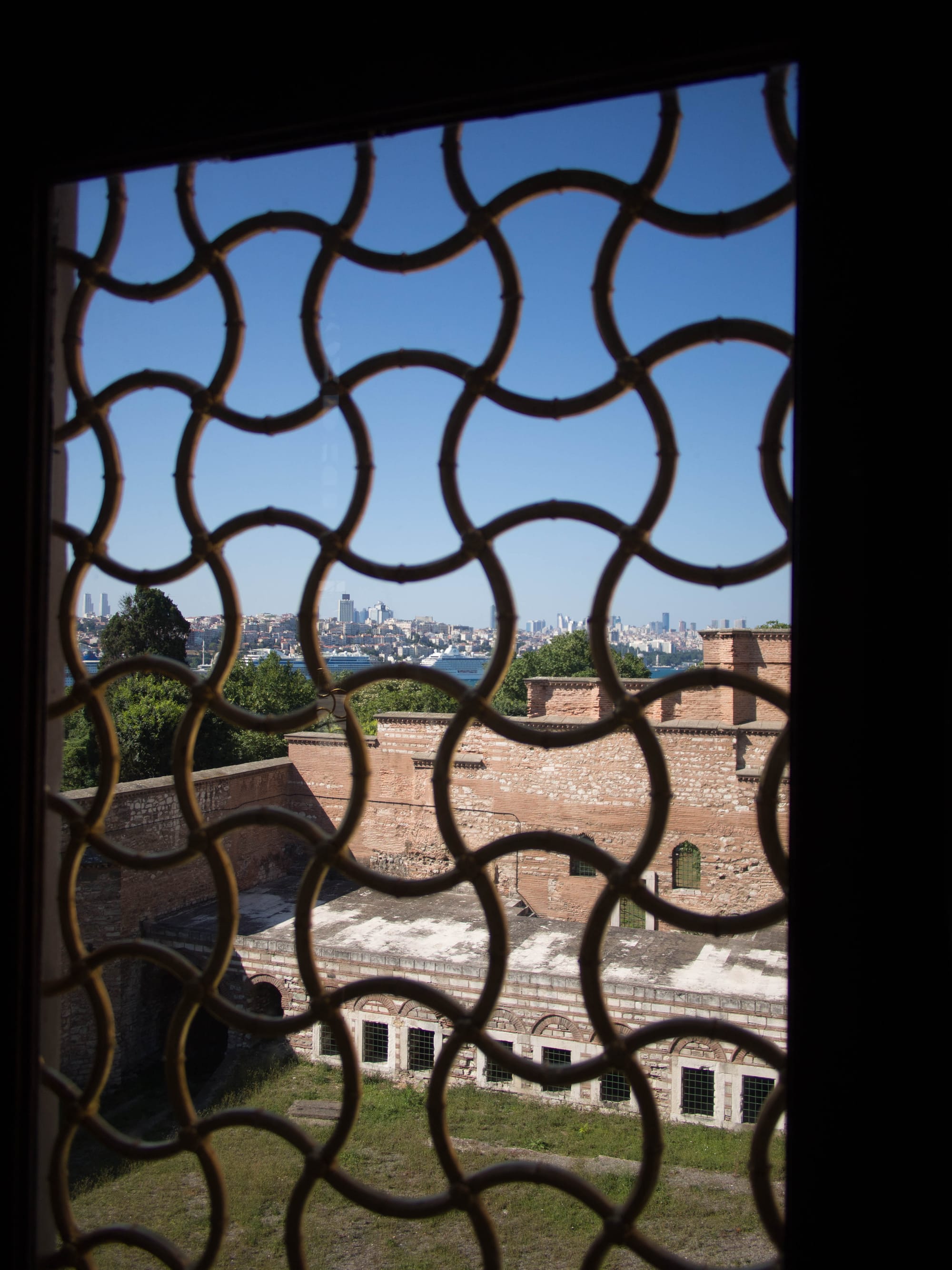
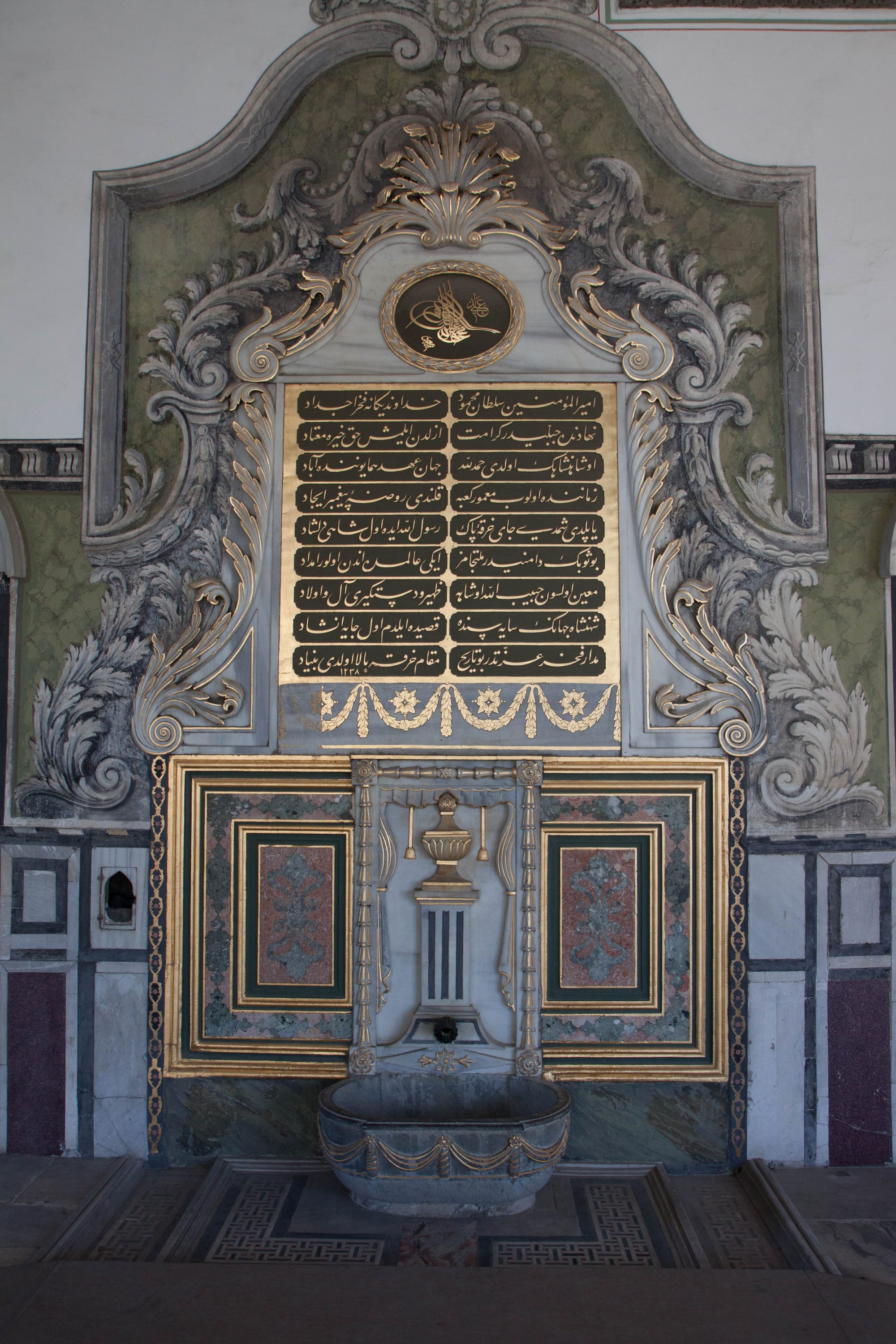
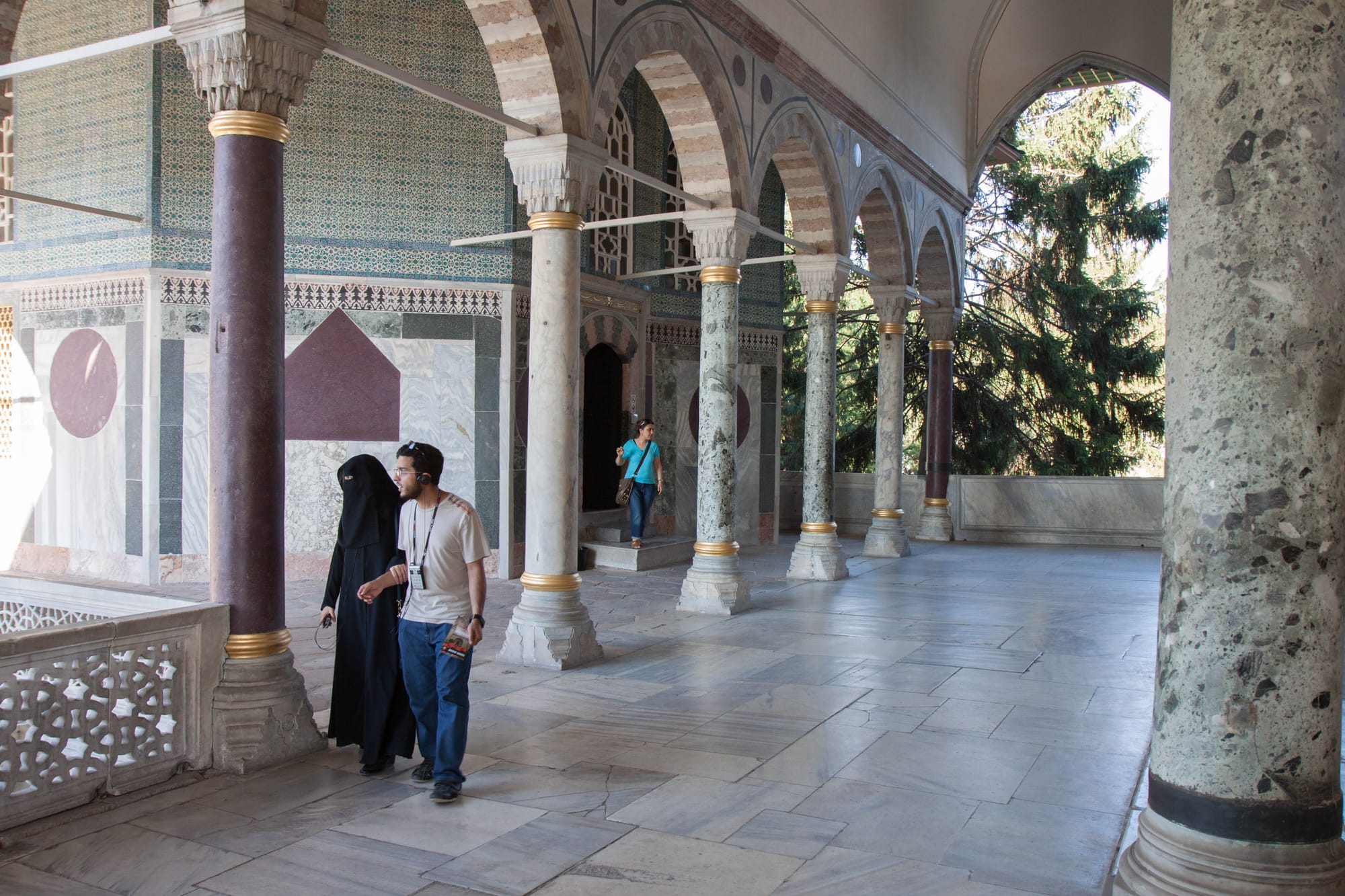
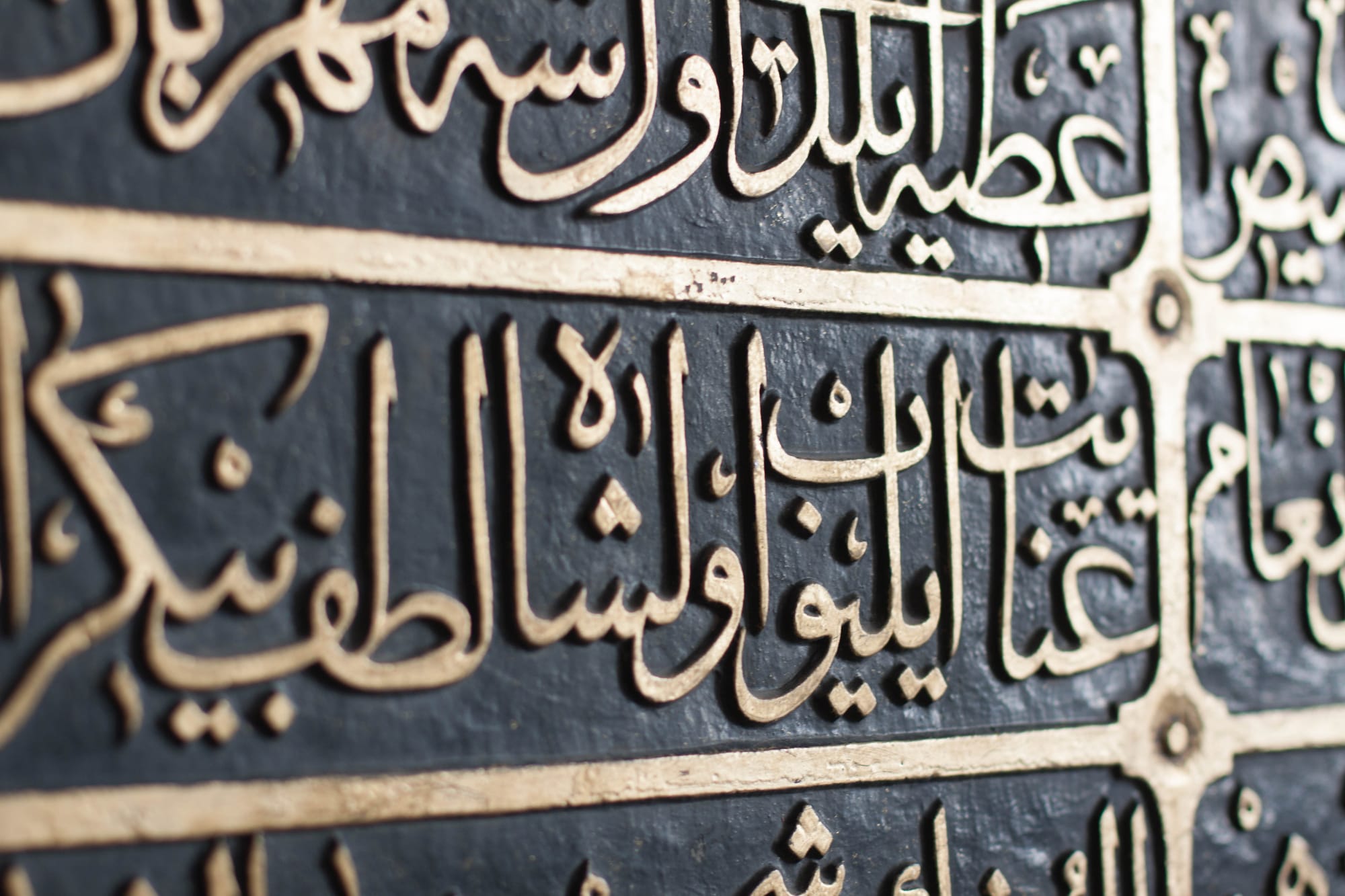
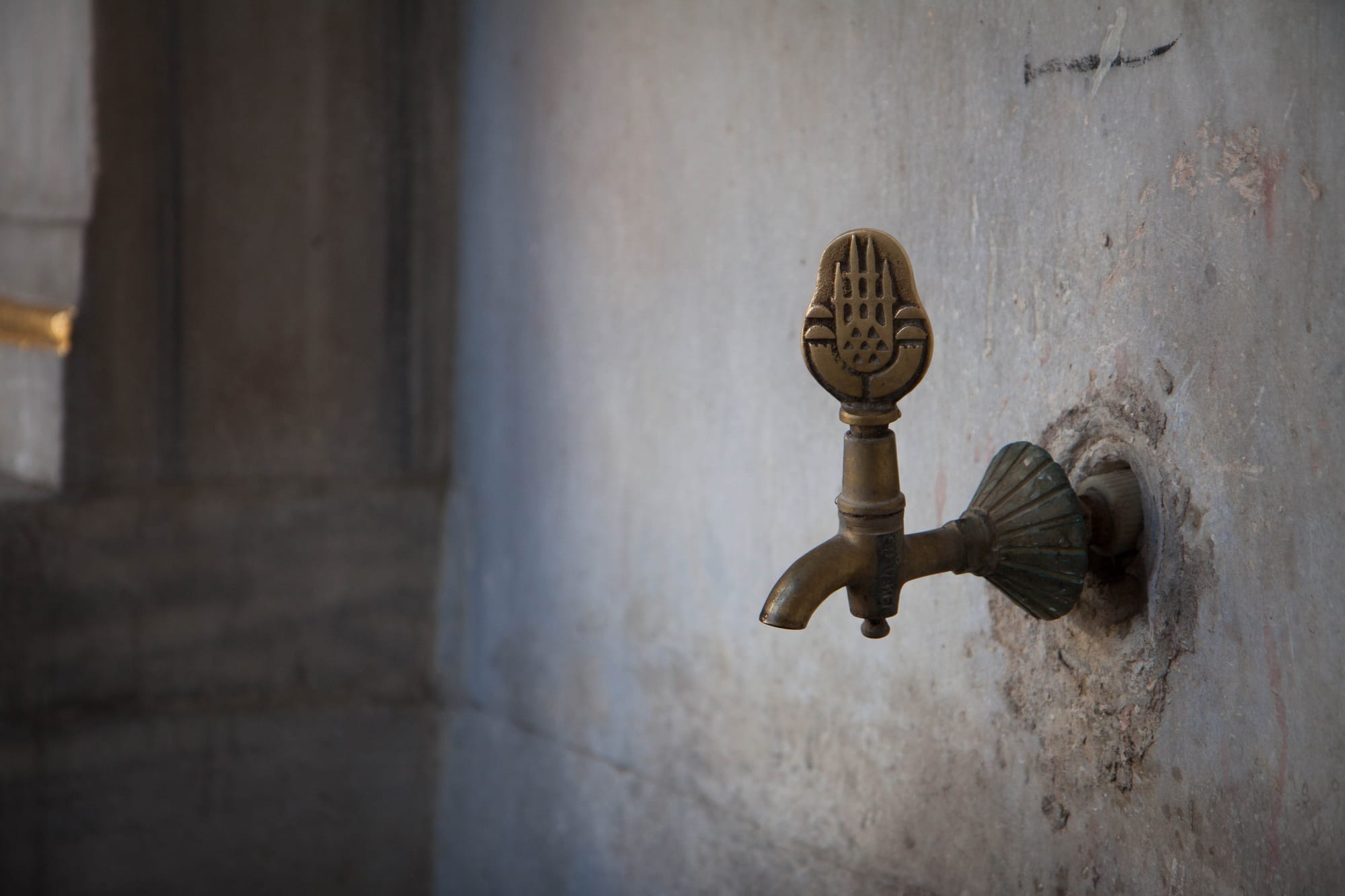
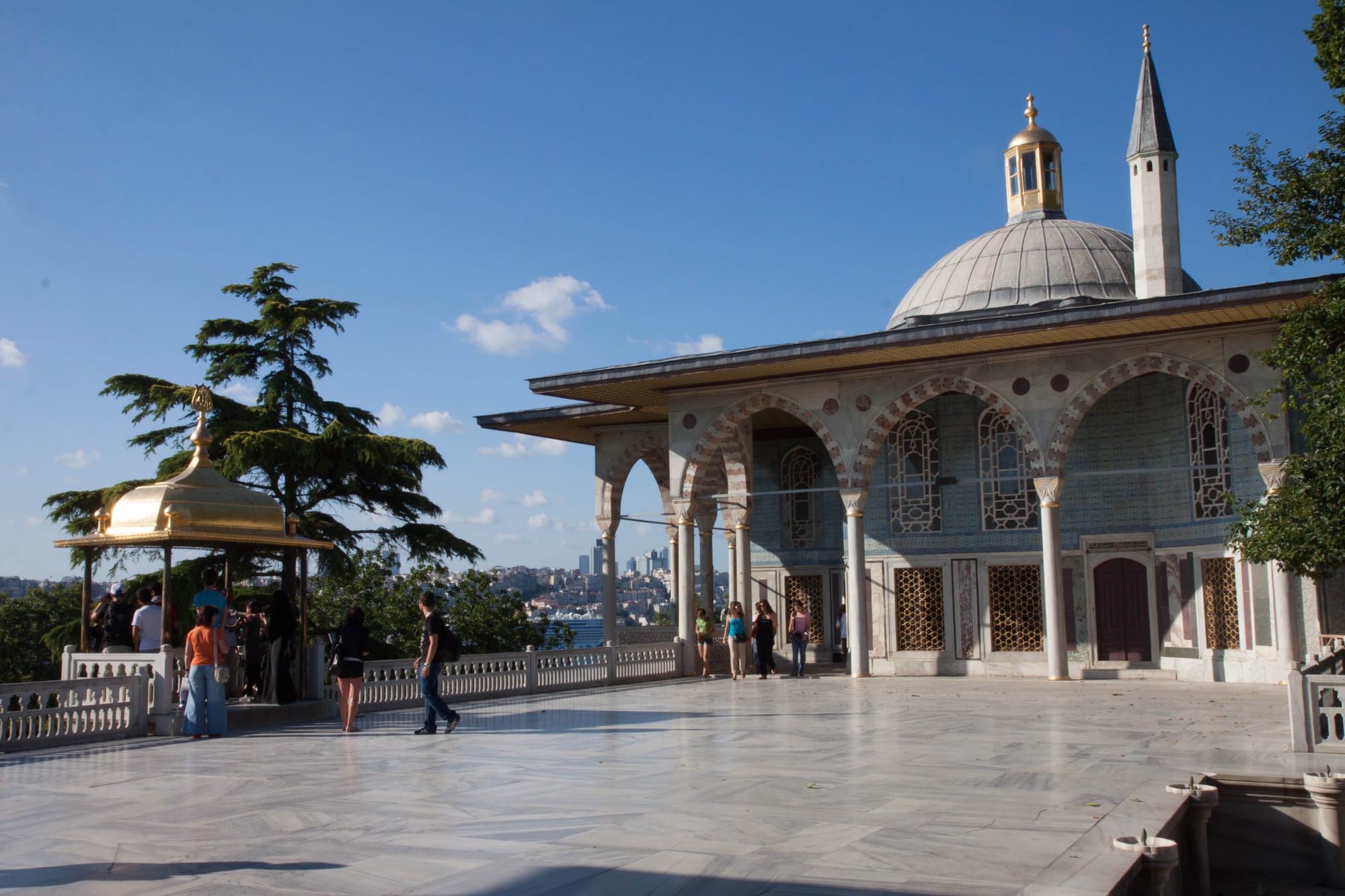
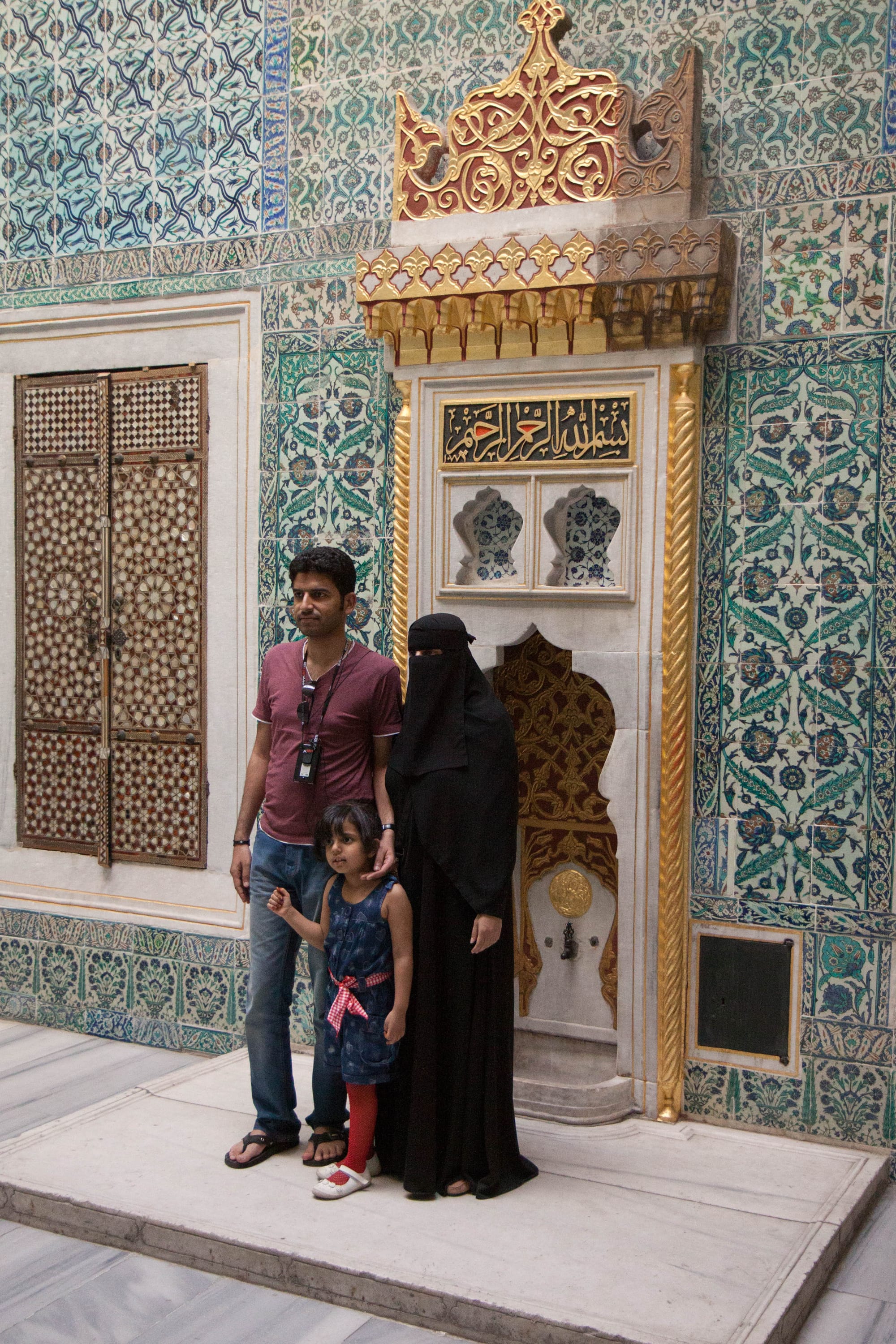
Visited Topkapi Palace, which served as the main residence and administrative headquarters of the Ottoman sultans for nearly 400 years (from 1465 to 1856). It wasn't just a home; it was a self-contained city that housed up to 4,000 people at its peak.
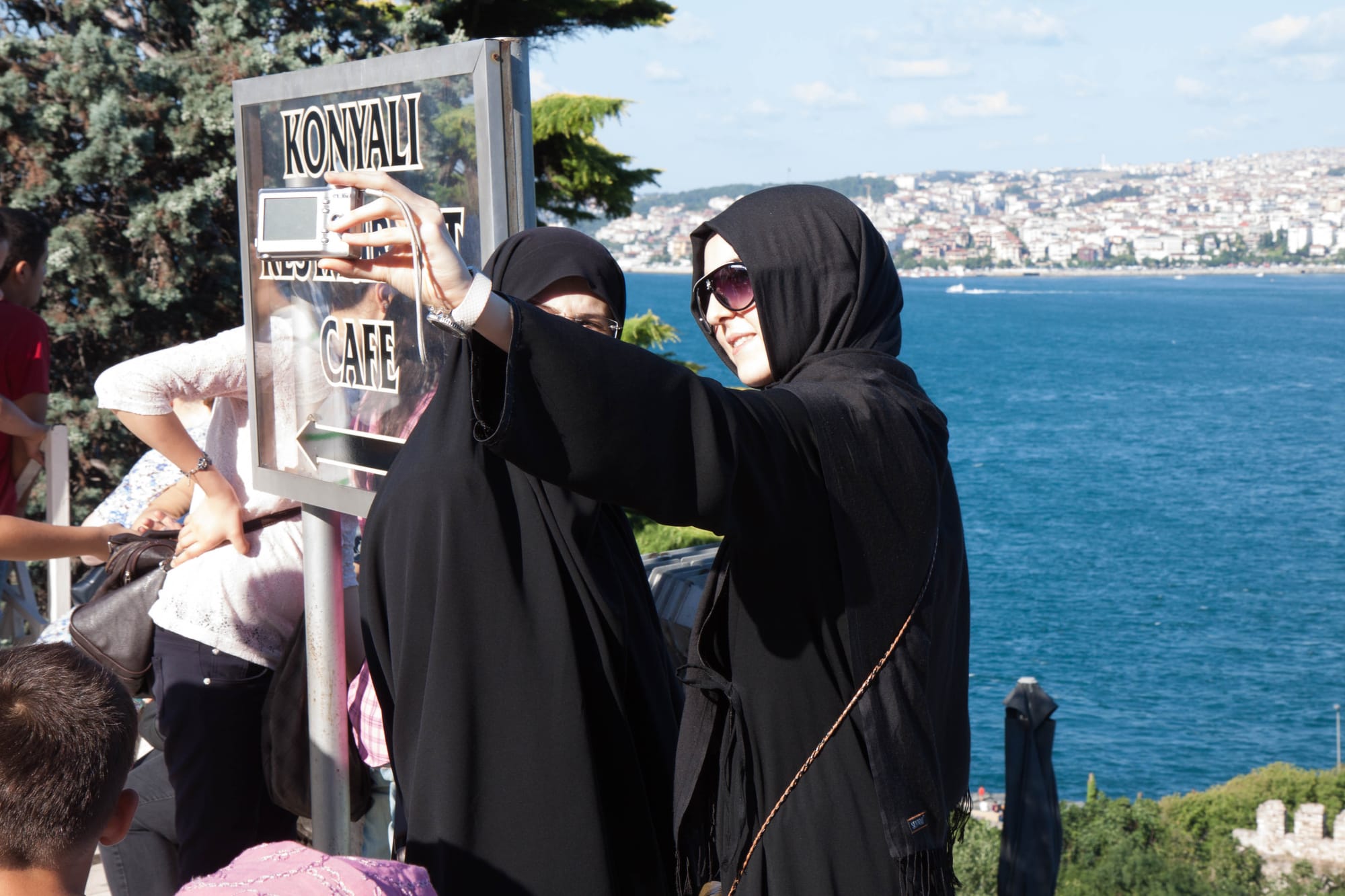
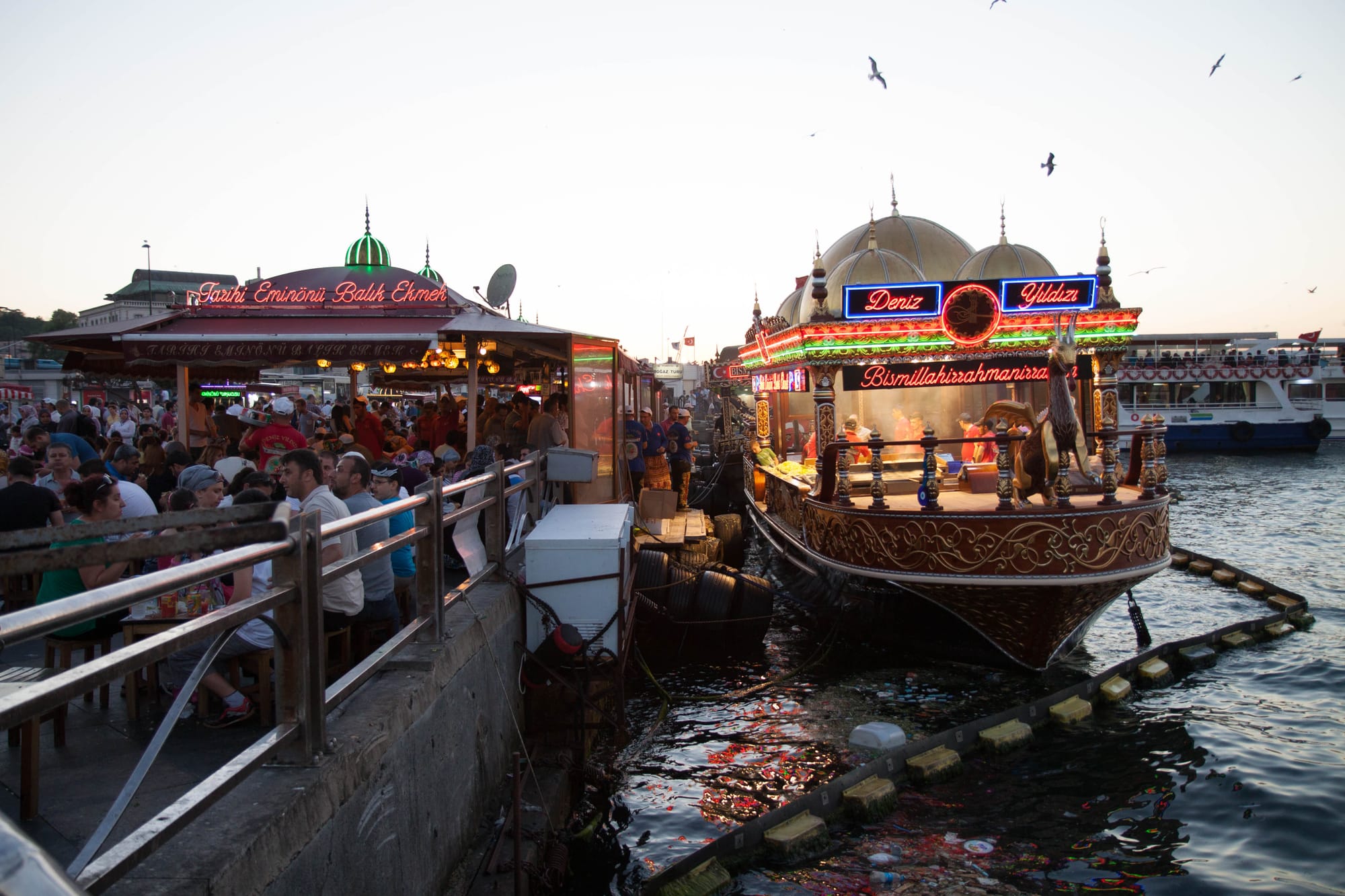
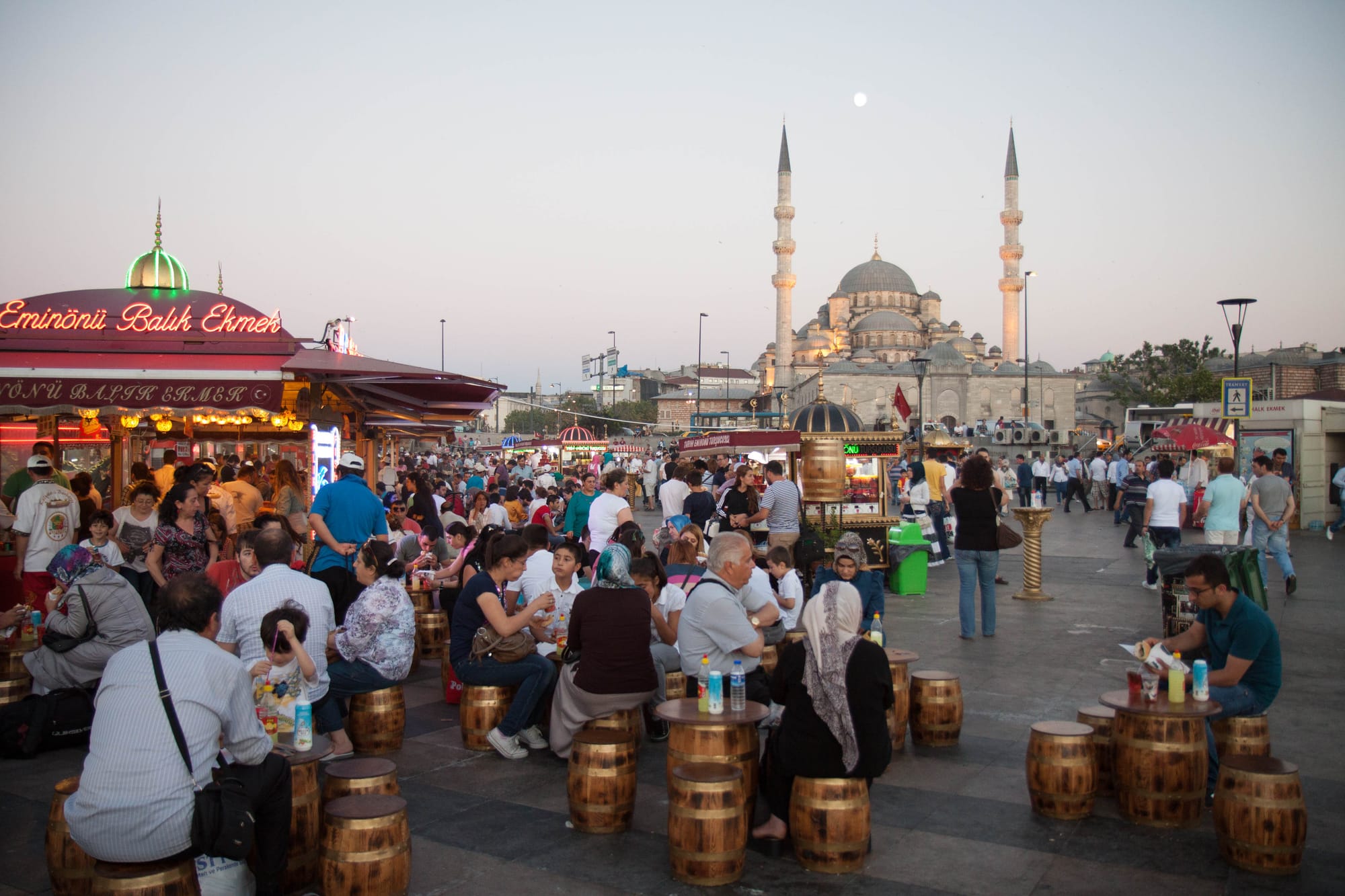
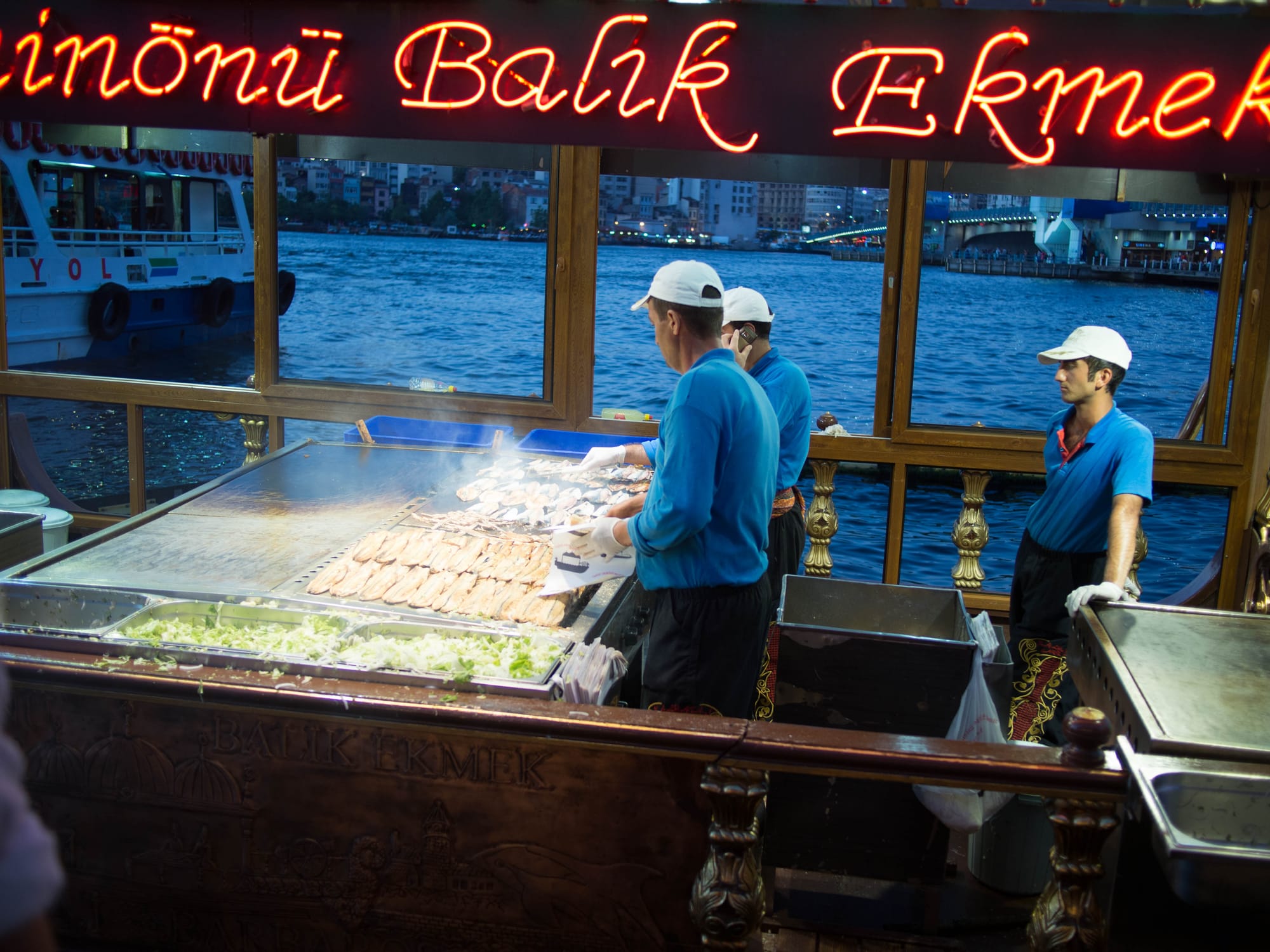
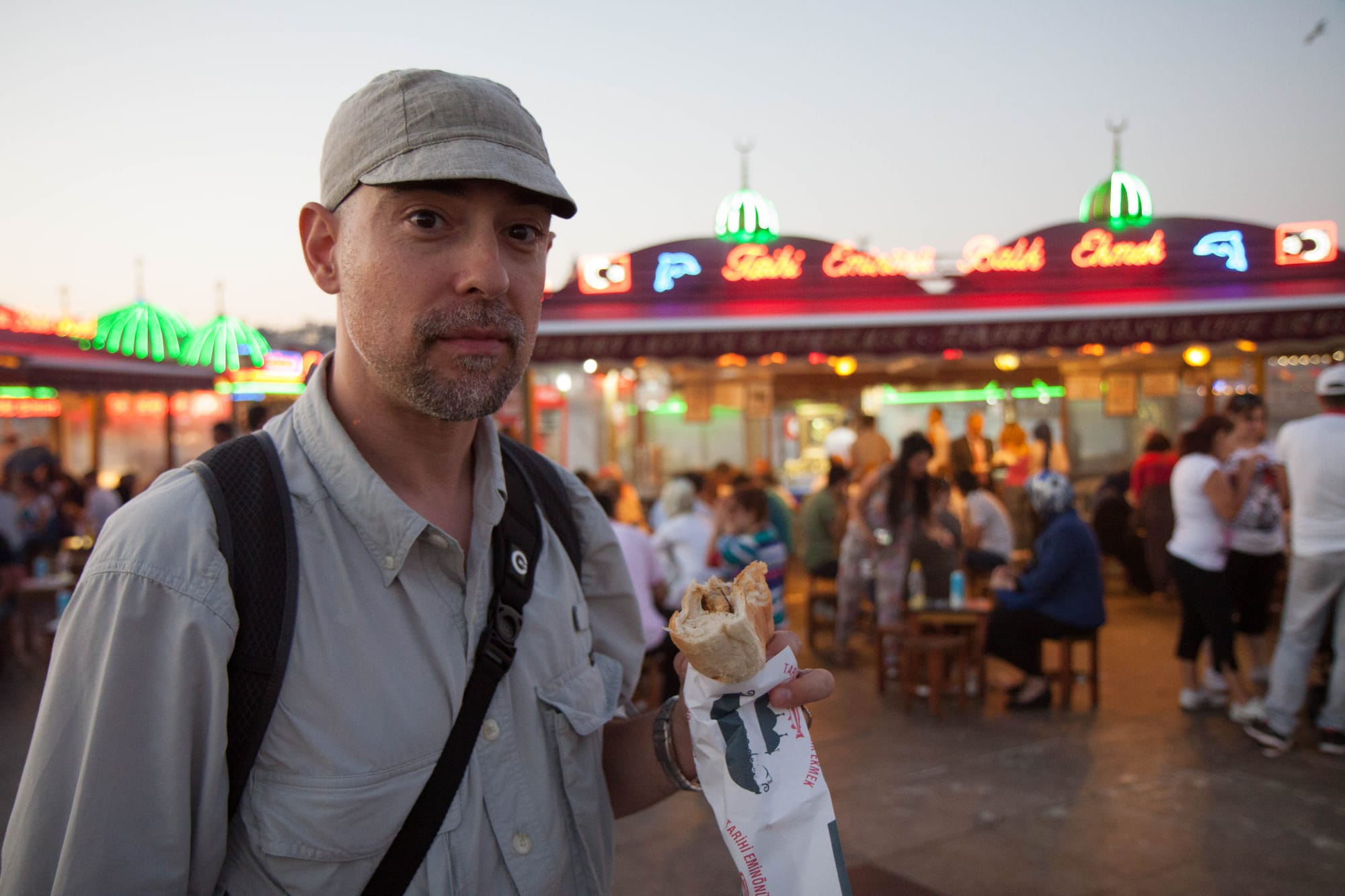
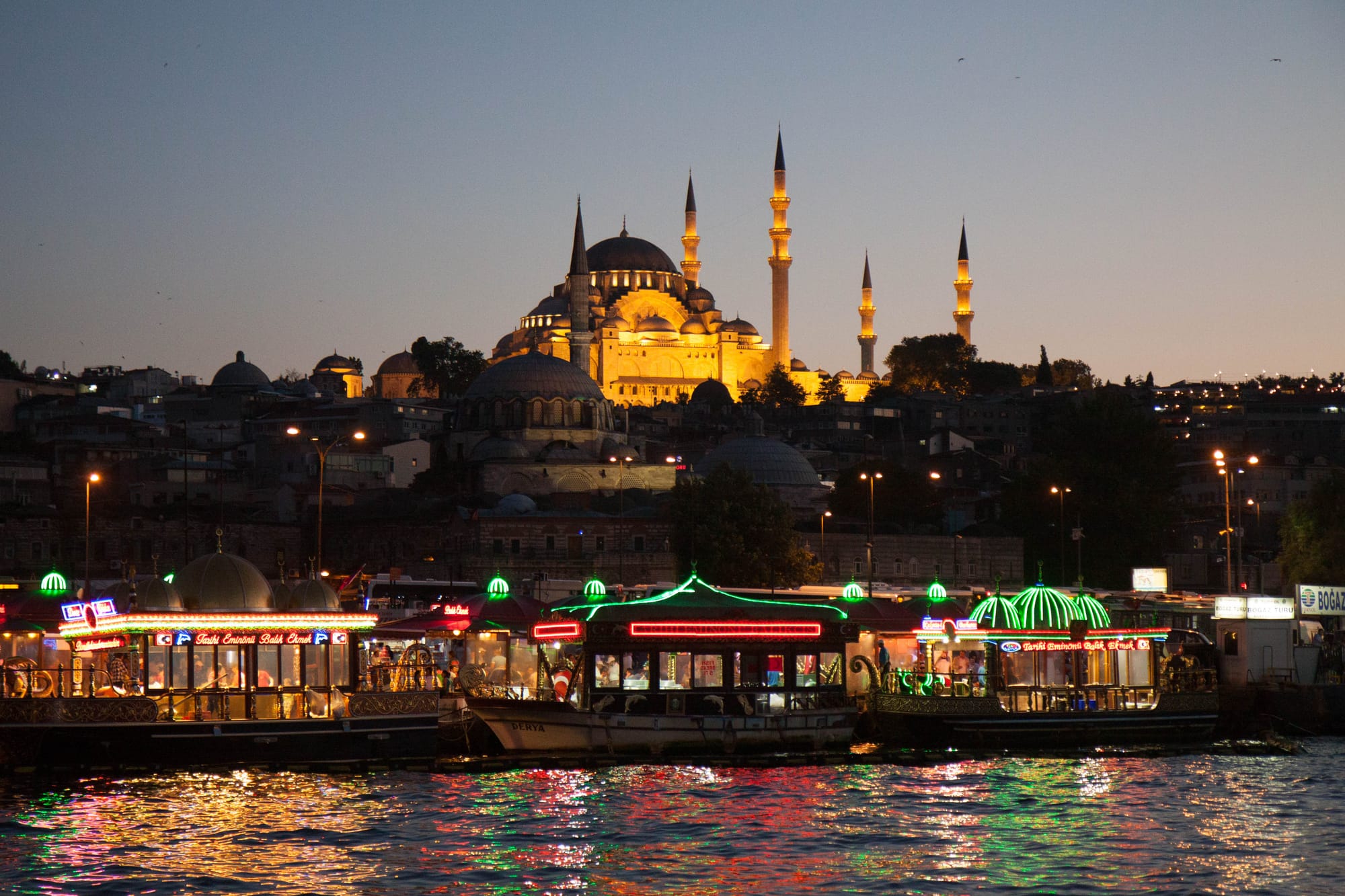
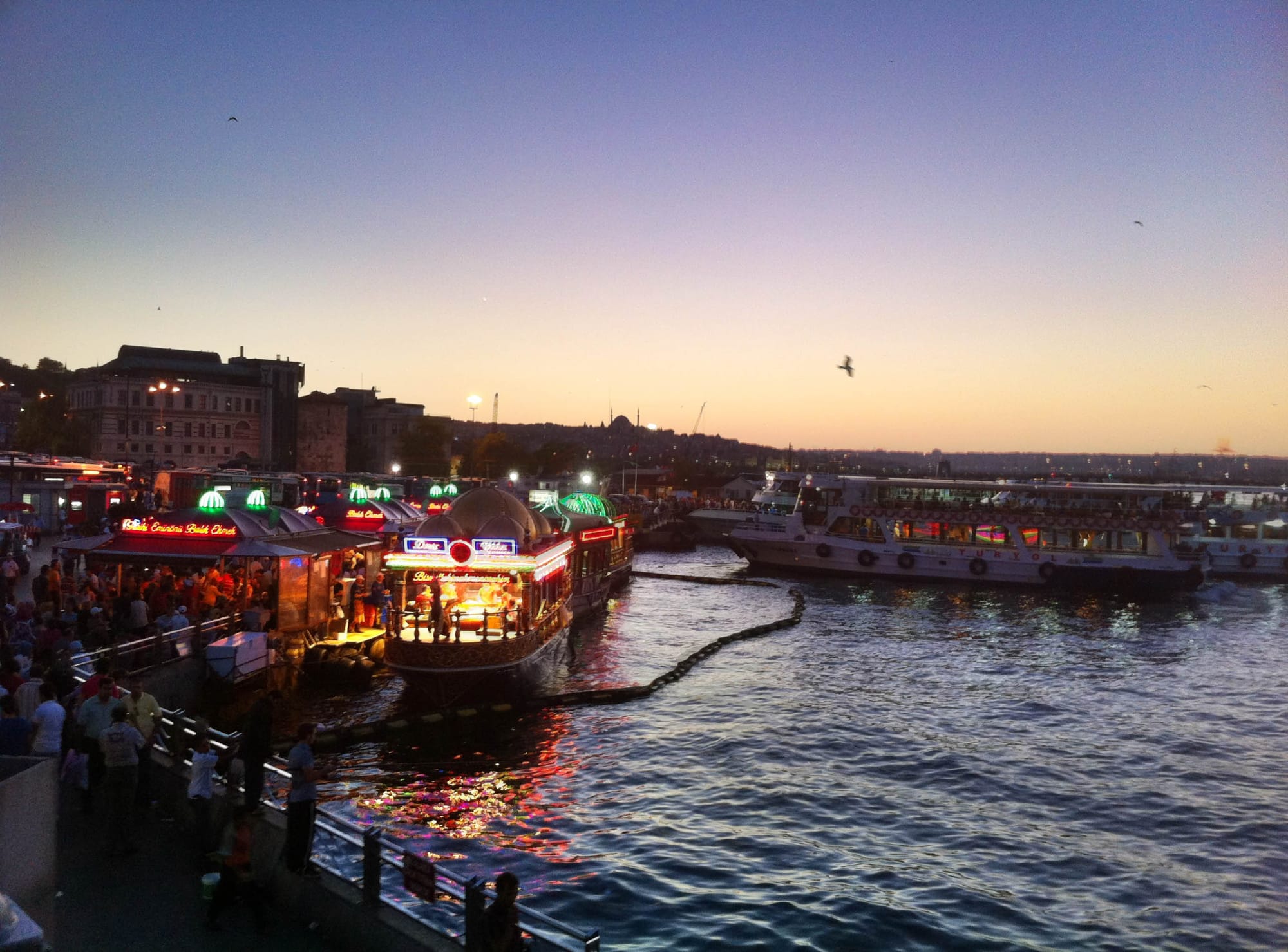
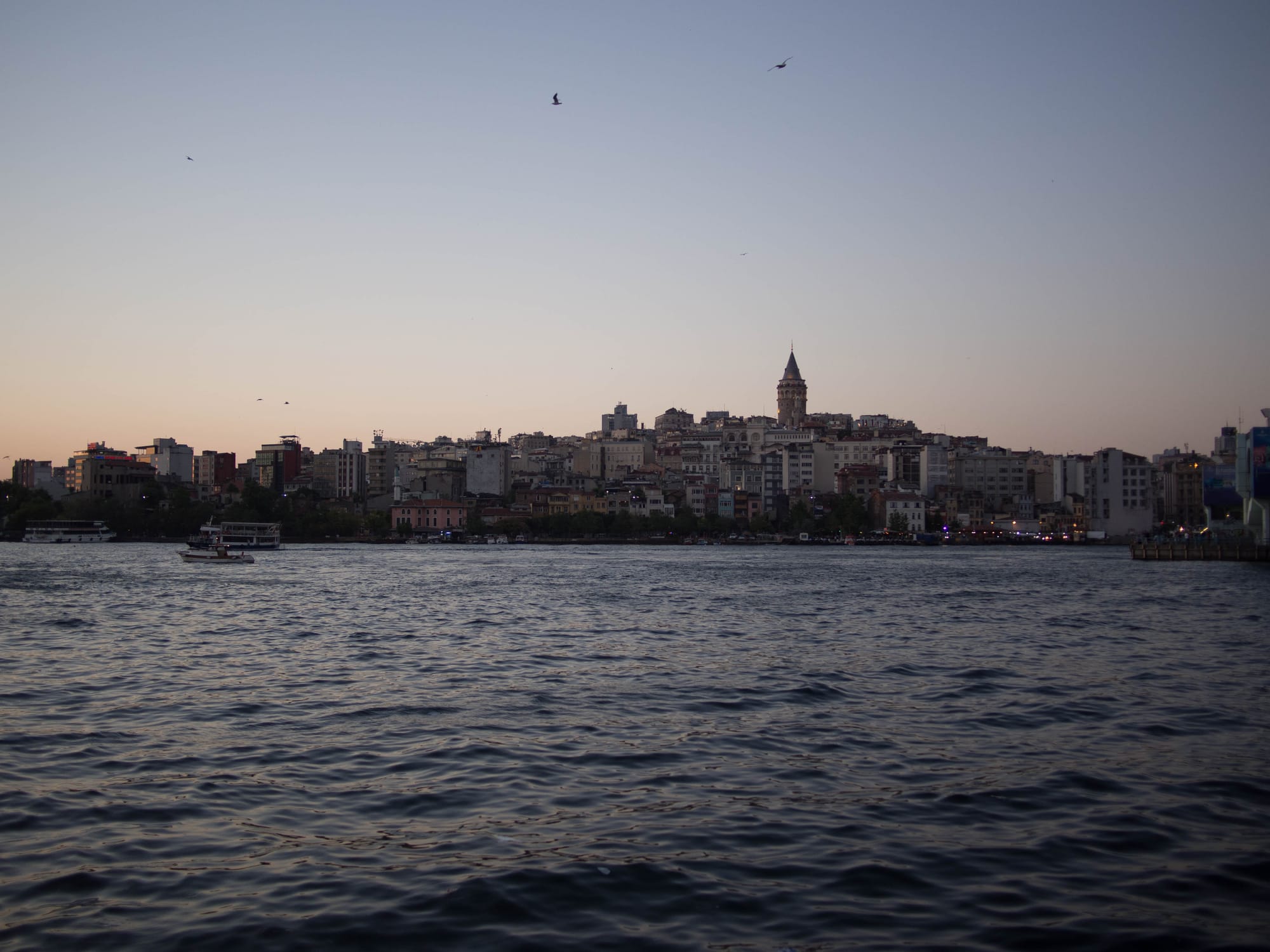
Went down to the Bosphorus Strait and Matt had a fish sandwich cooked on one of the boats. The Bosporus connects the Black Sea to the Sea of Marmara and forms one of the continental boundaries between Asia and Europe. Istanbul is on two continents, about two-thirds of its population live in Europe and the rest in Asia.