Samurai Experience
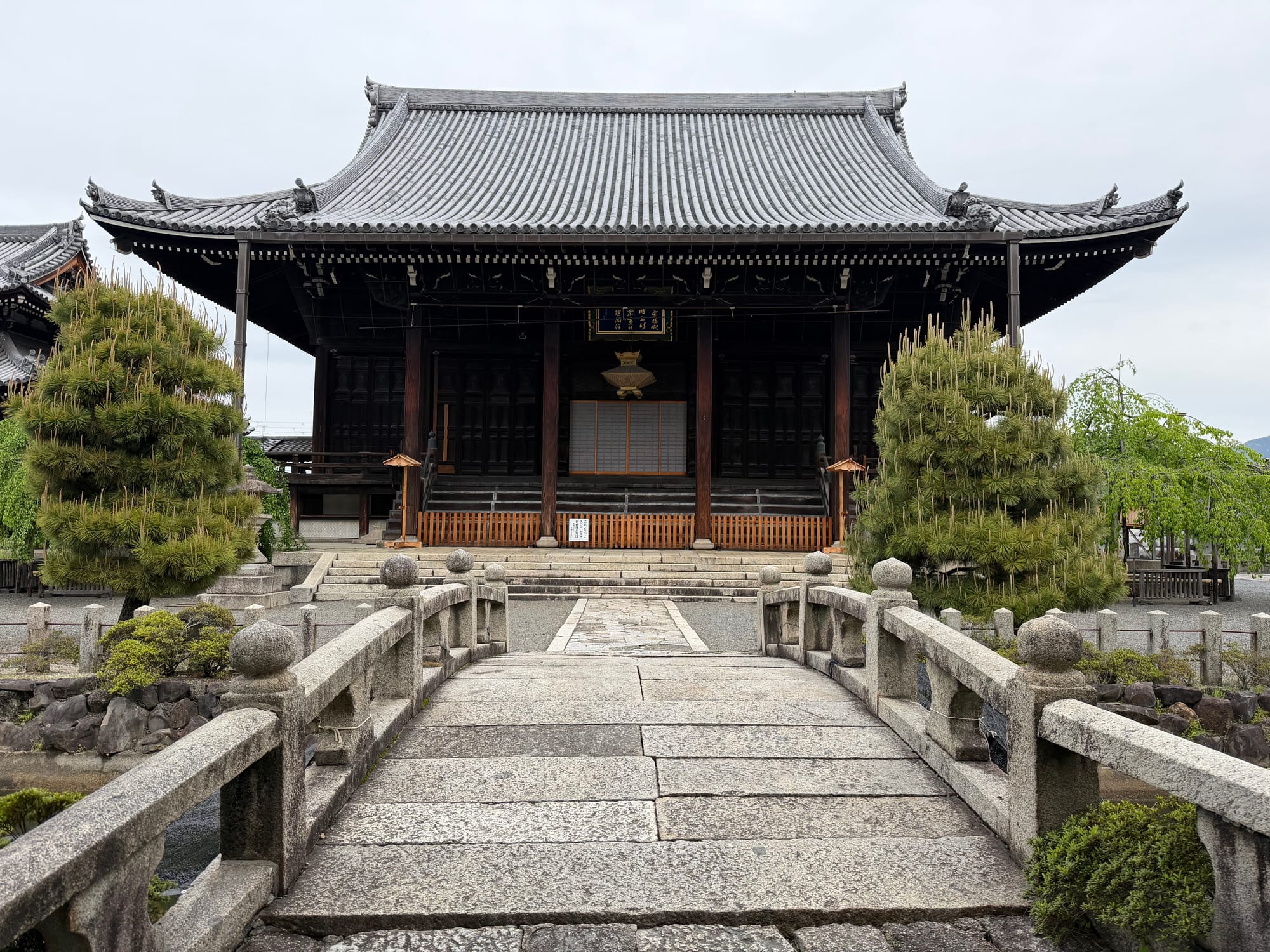
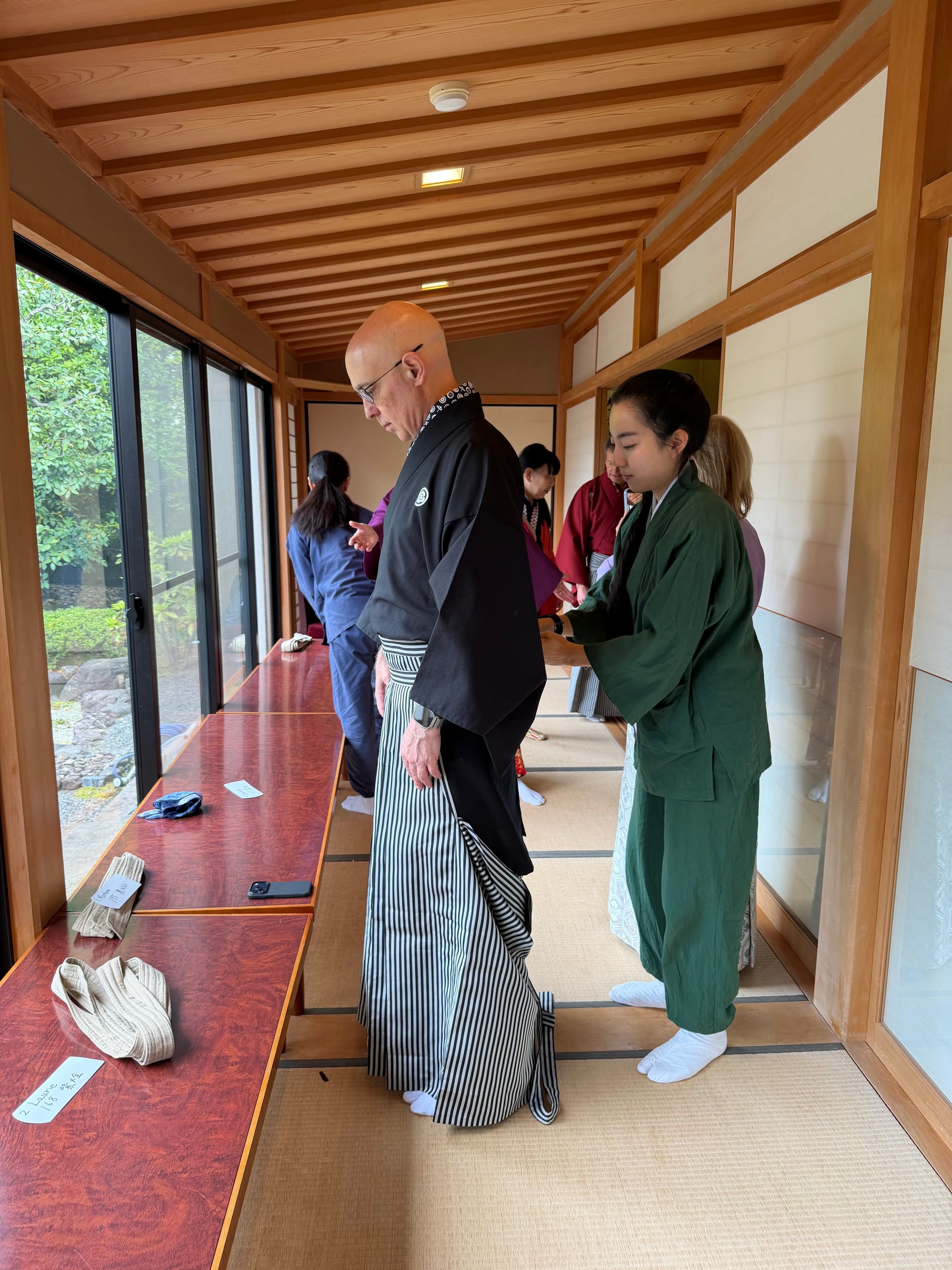
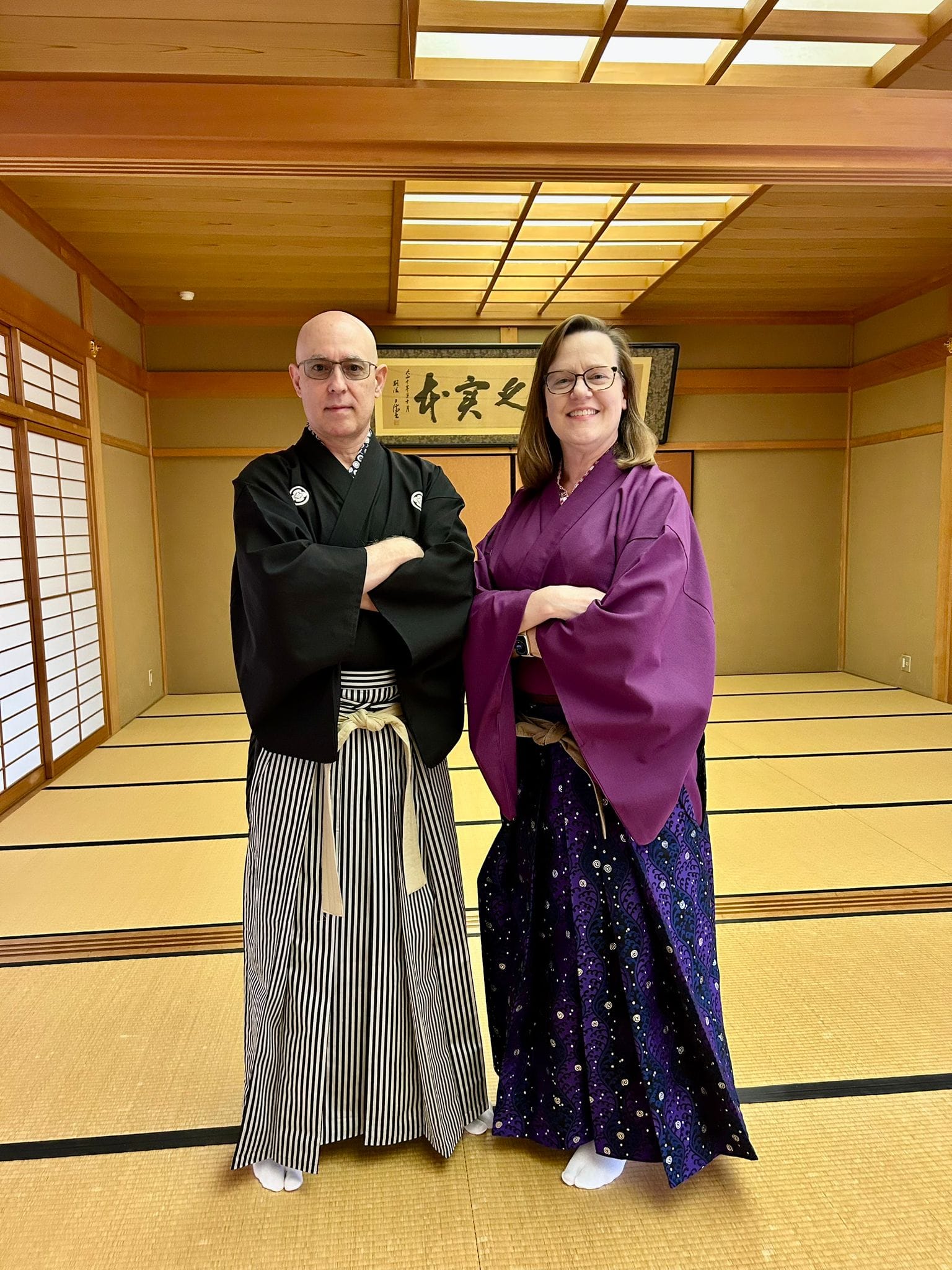
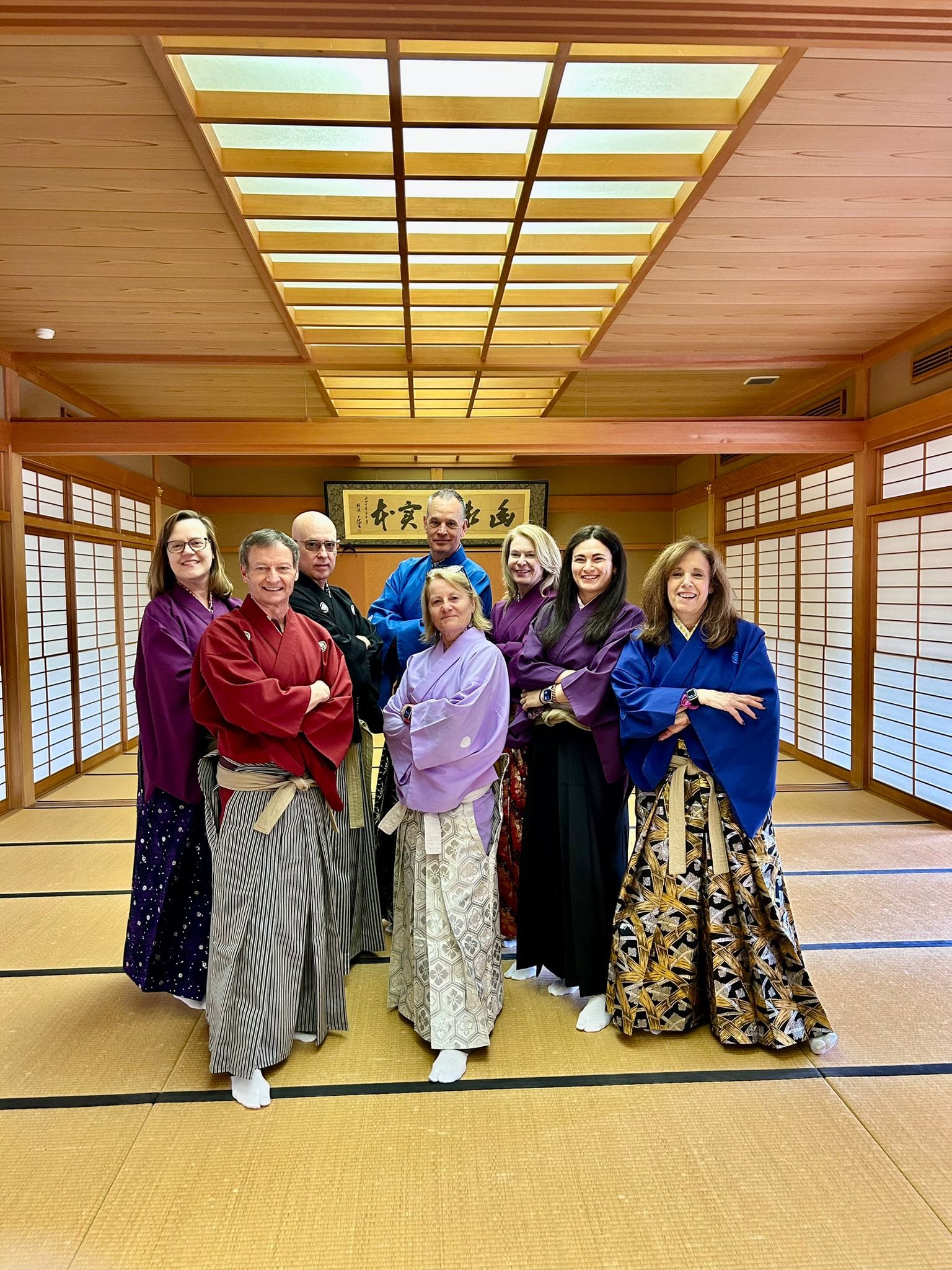
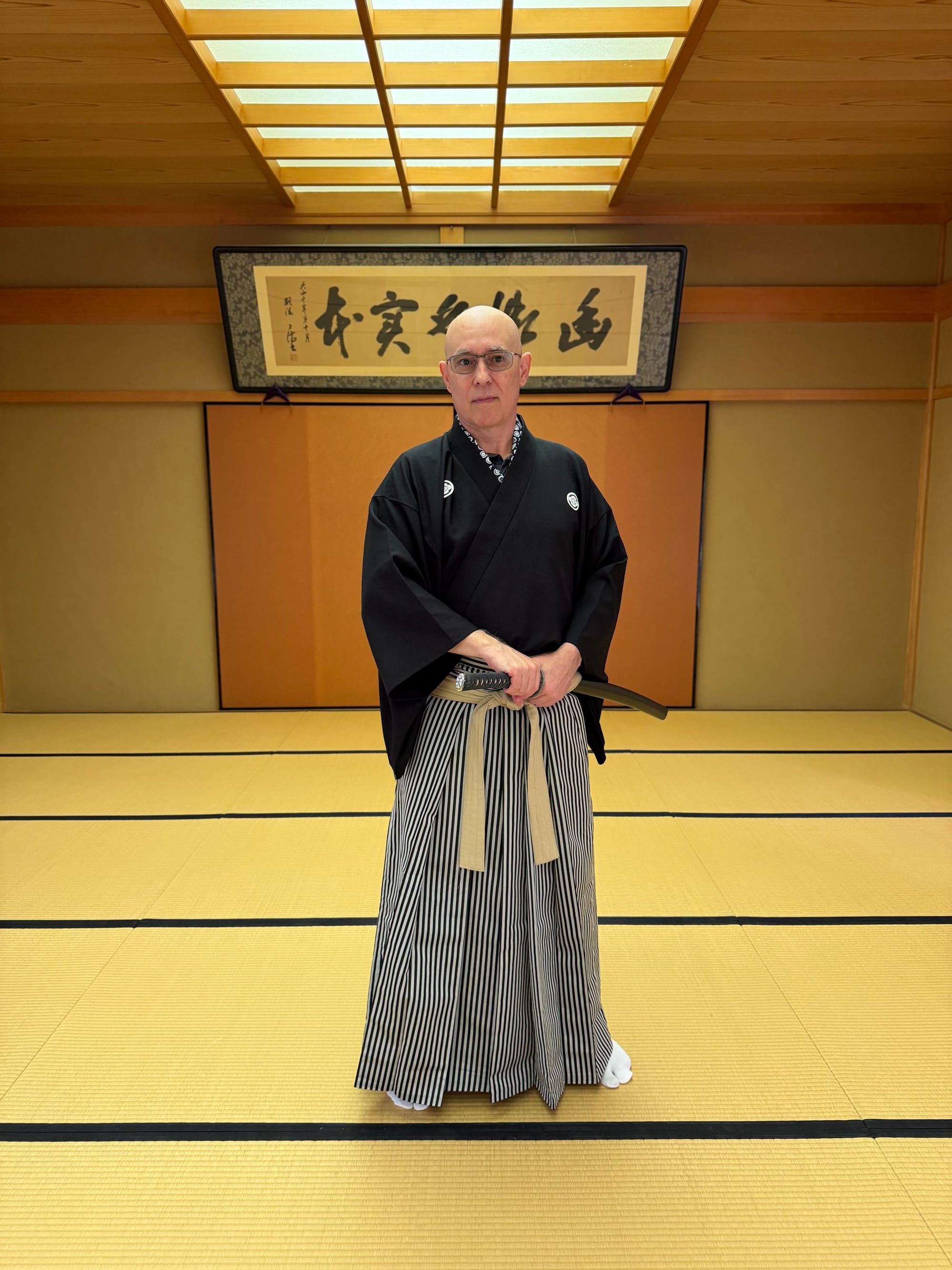
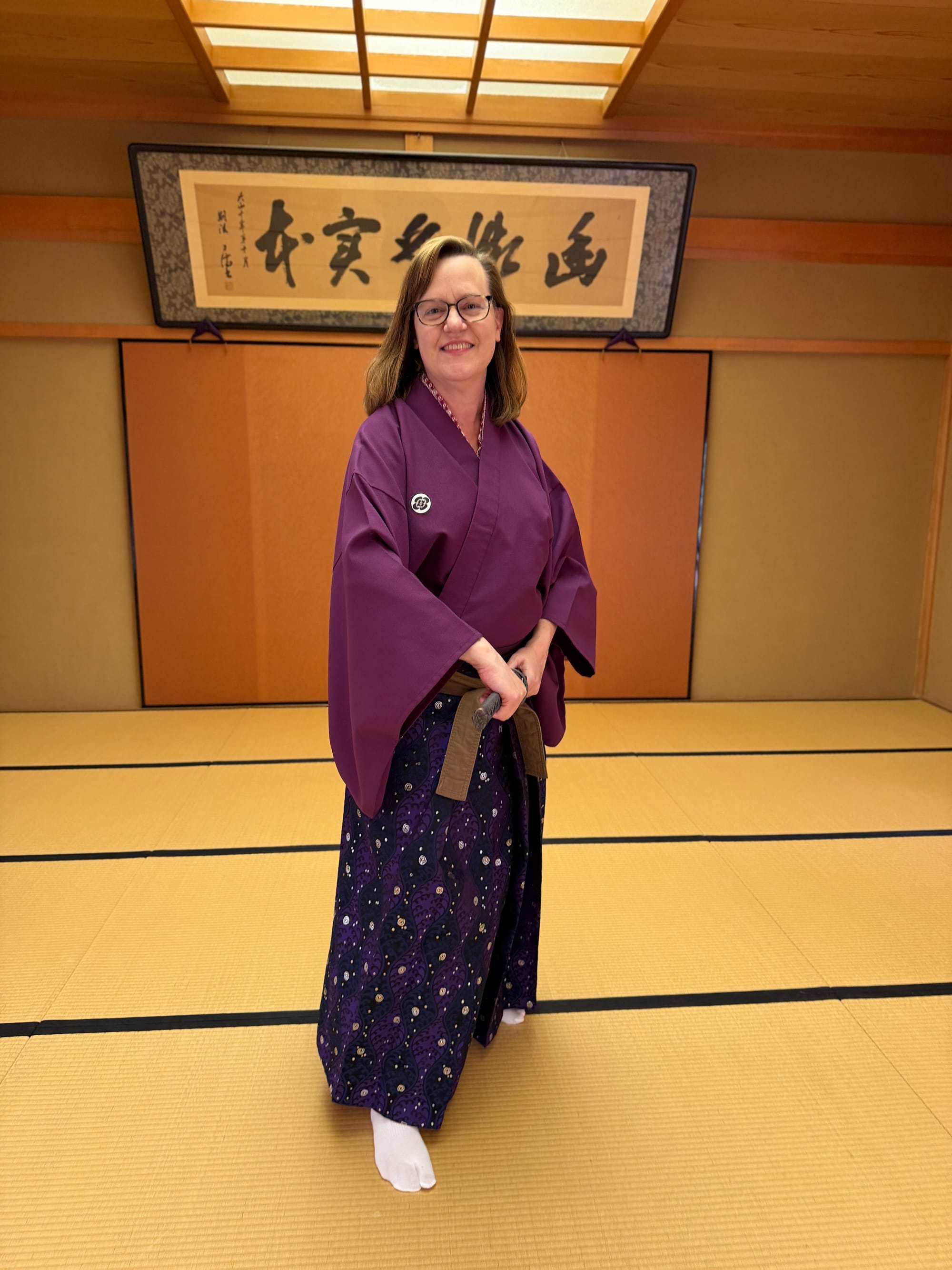
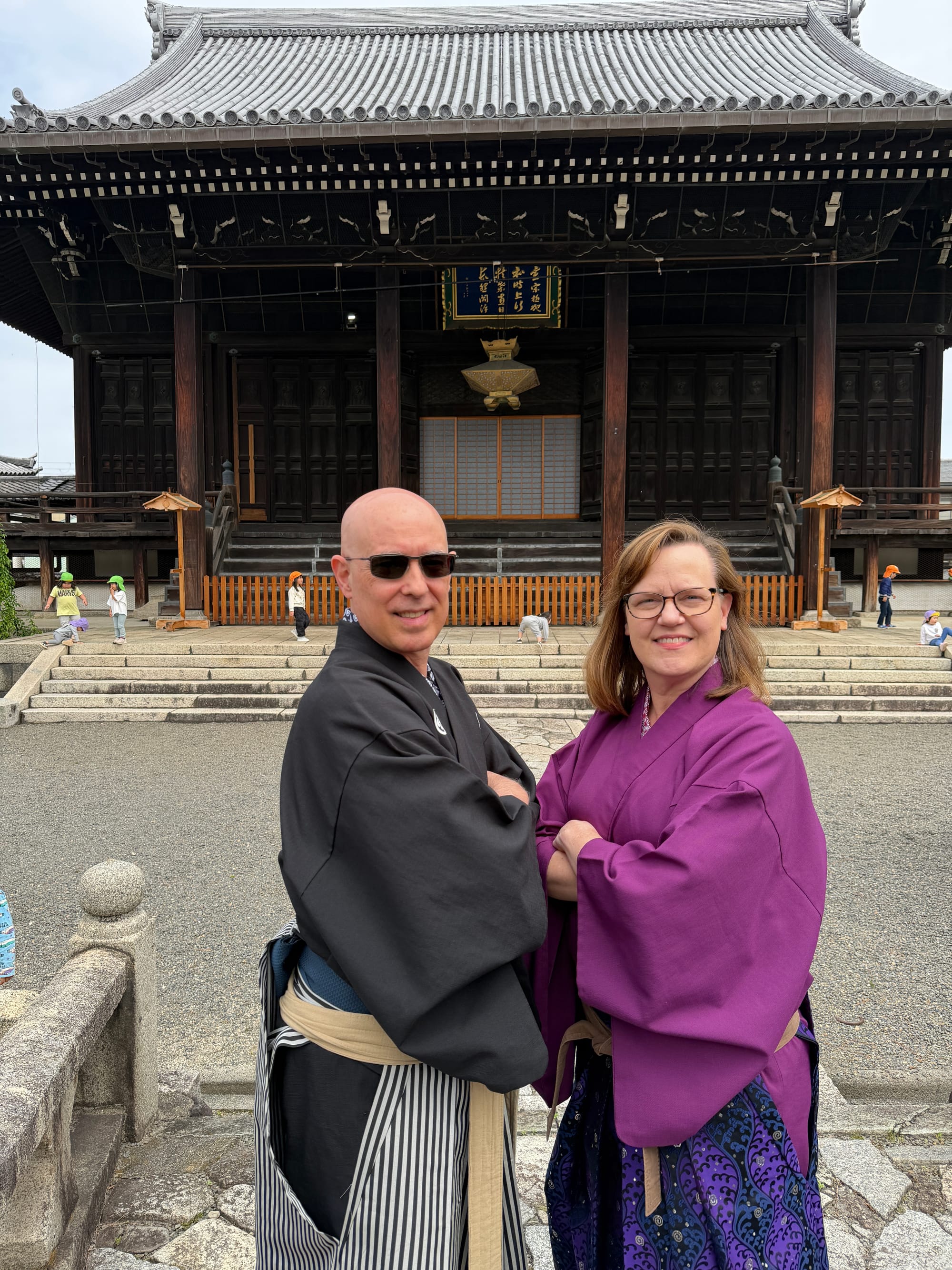
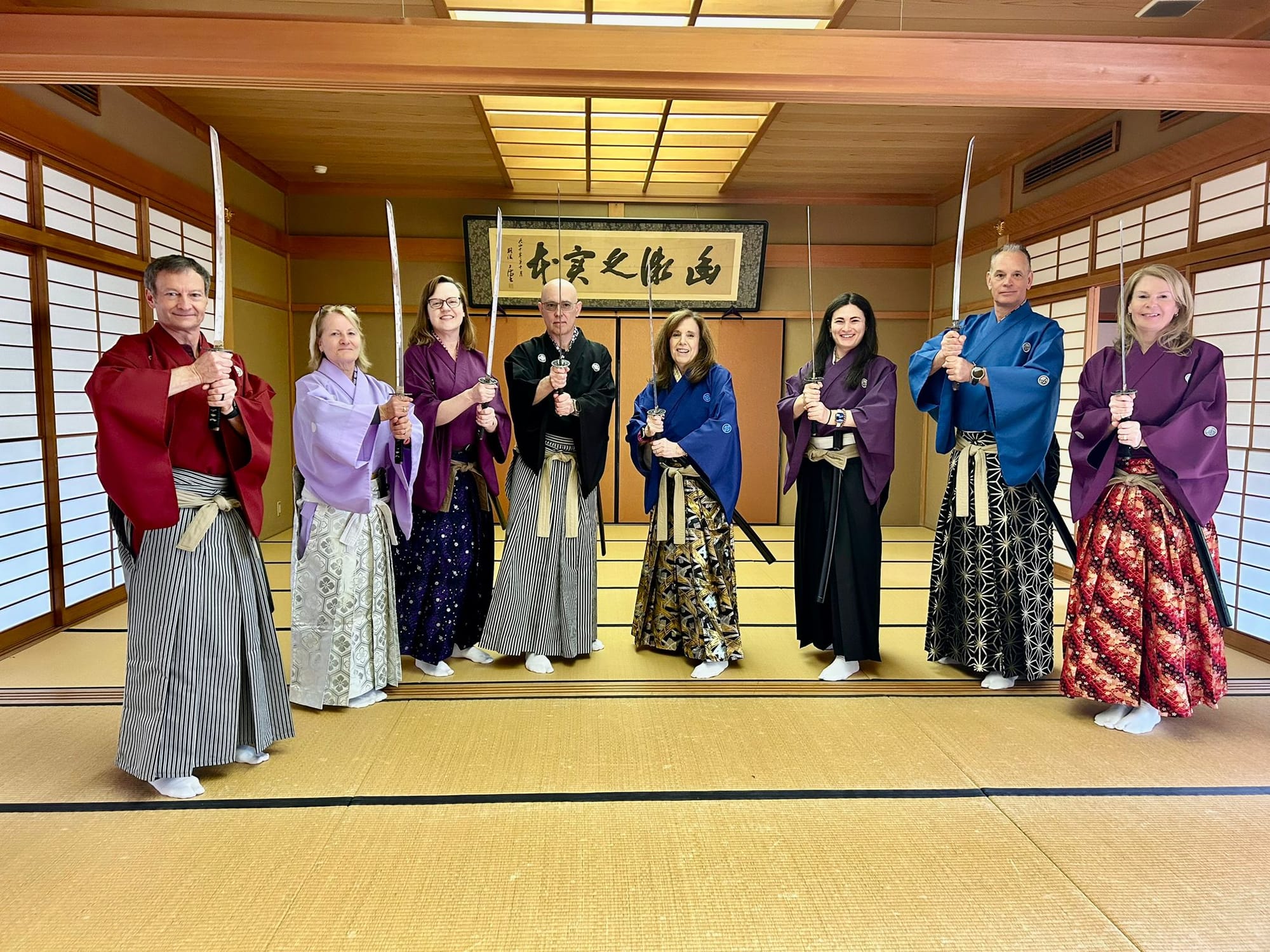
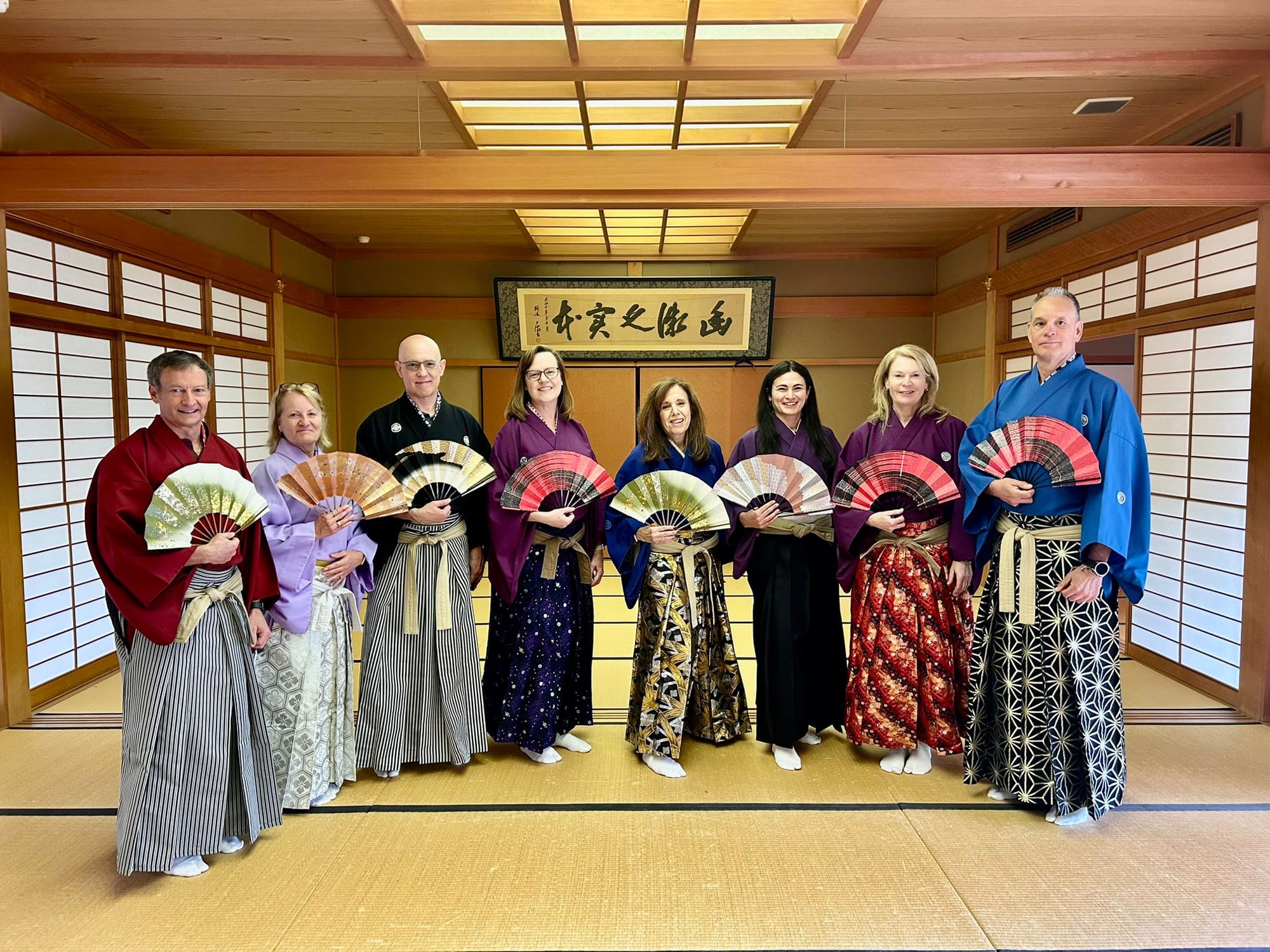
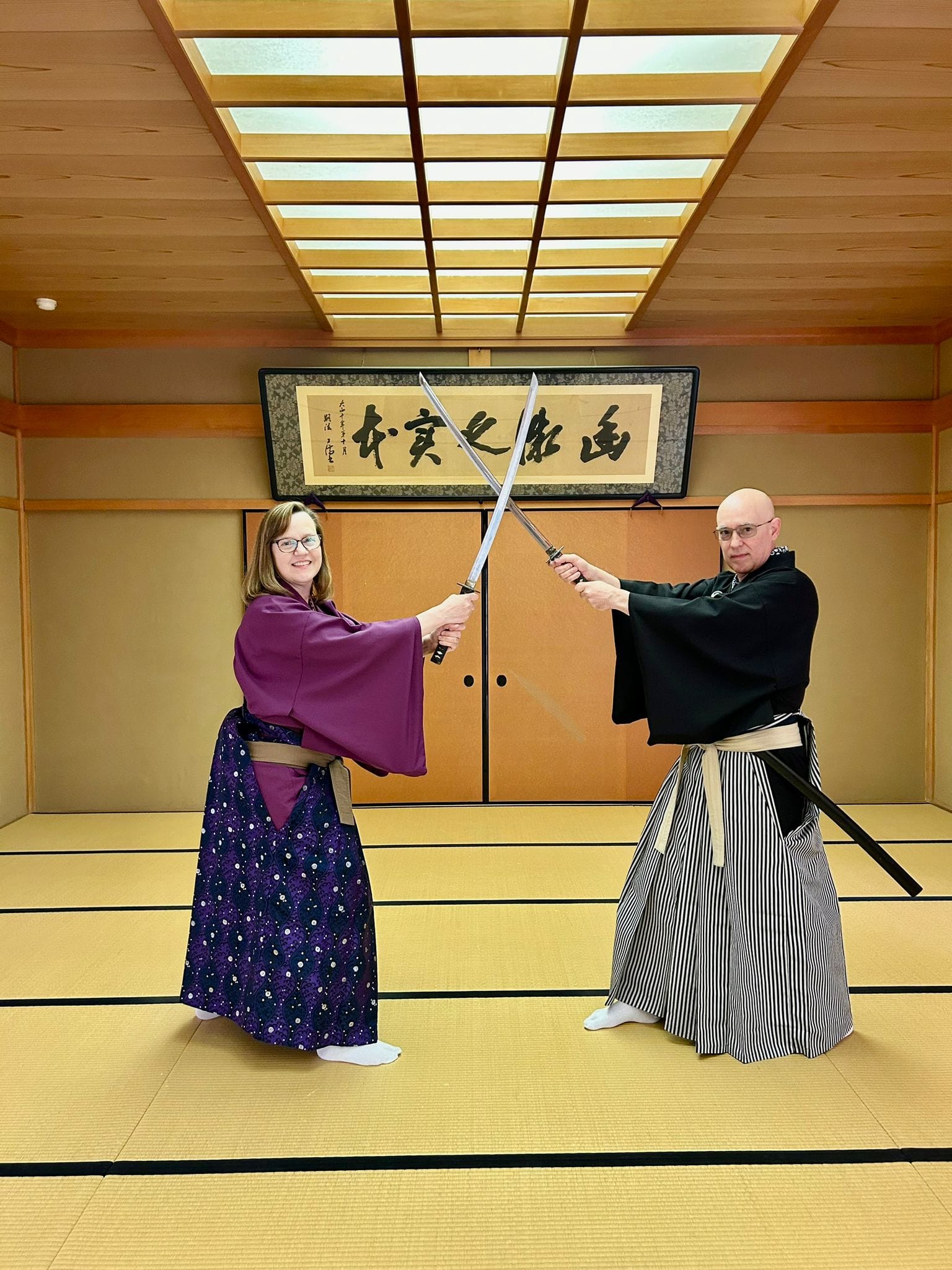
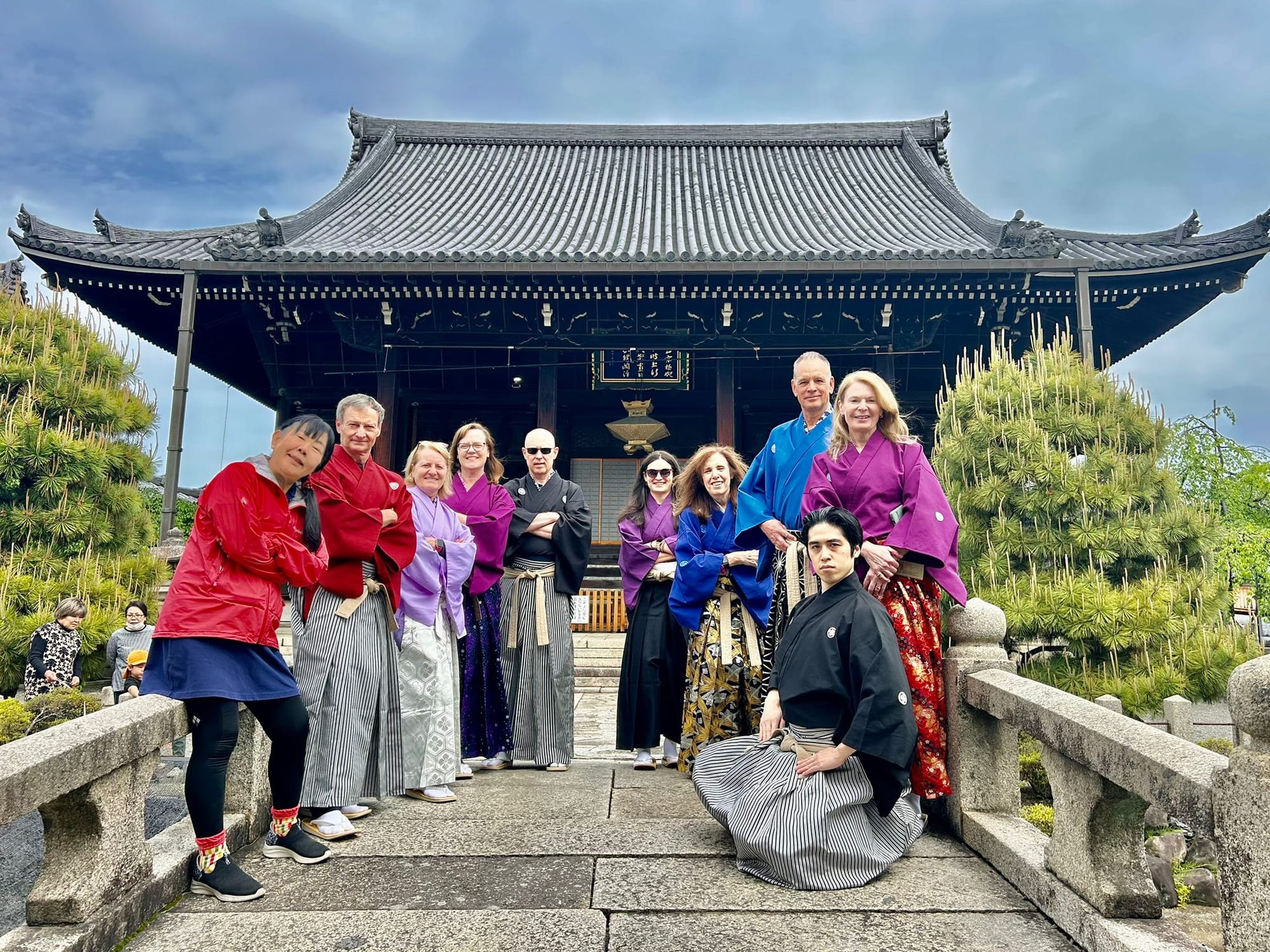
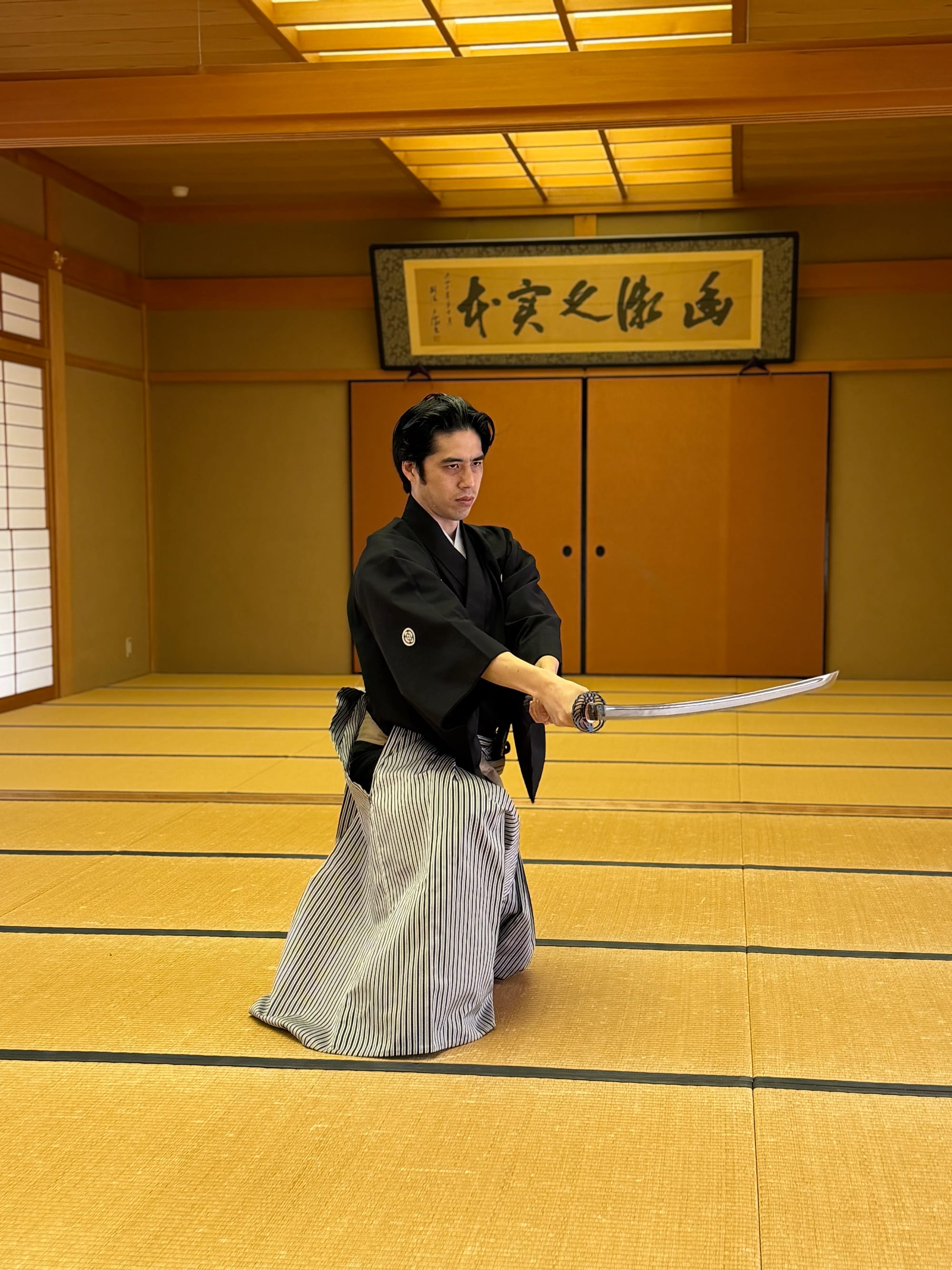
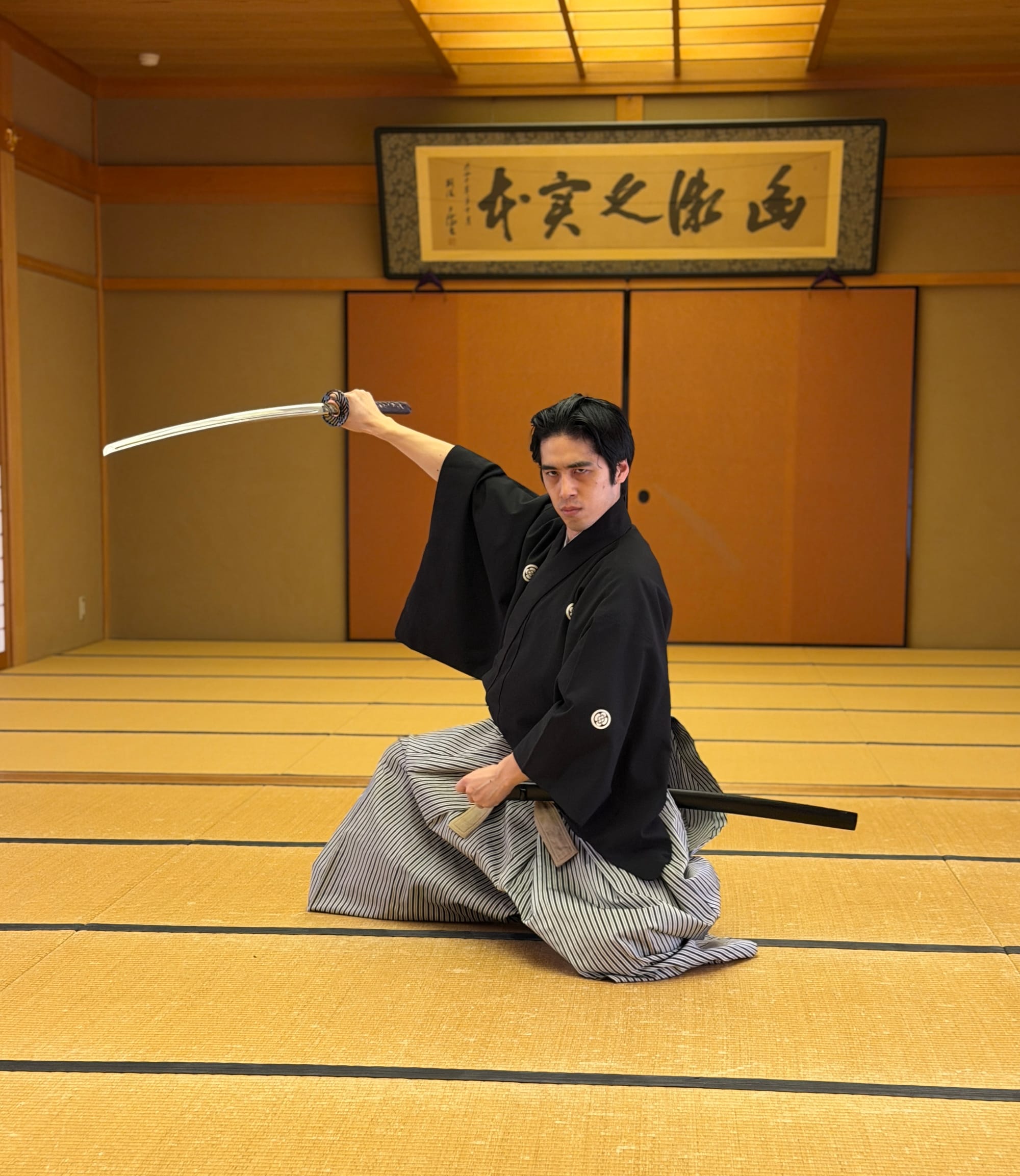
Our planned activities for the day were more on the Zen spectrum. We started the day with a Samurai experience where we learned some facts about how the Samurai lived and then we were dressed up in traditional Samurai clothing and were given lessons on proper sword technique, folding fan technique, and other Kabuki theatre movements. All of this was held in one of the central Kyoto Buddhist temples, in their dojo.
Lunch
To make sure we still understood the modern world, we stopped at a local mall food court for lunch. Nothing too spectacular, but all of the food was very good and reasonably priced.
Zen Garden
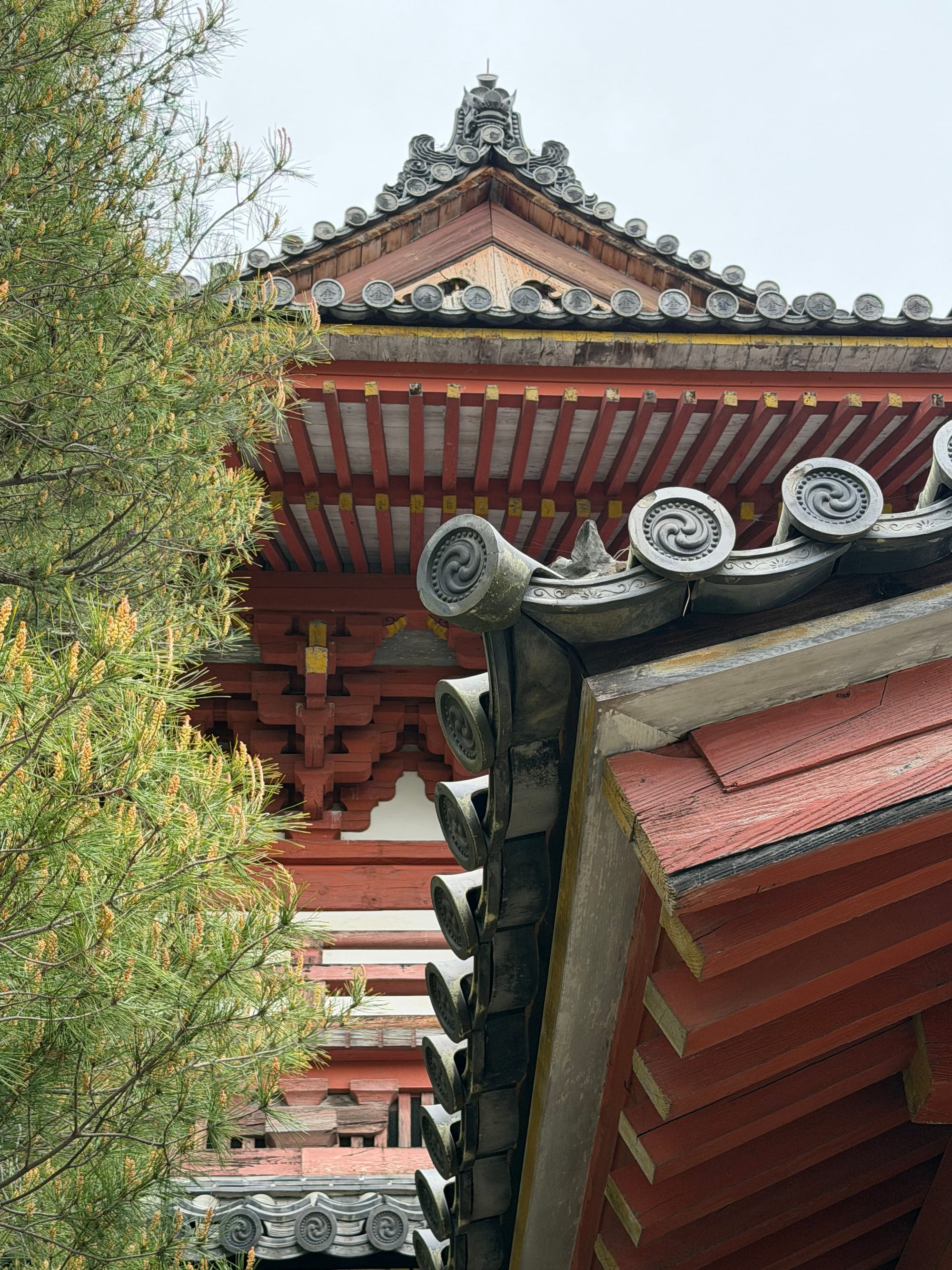
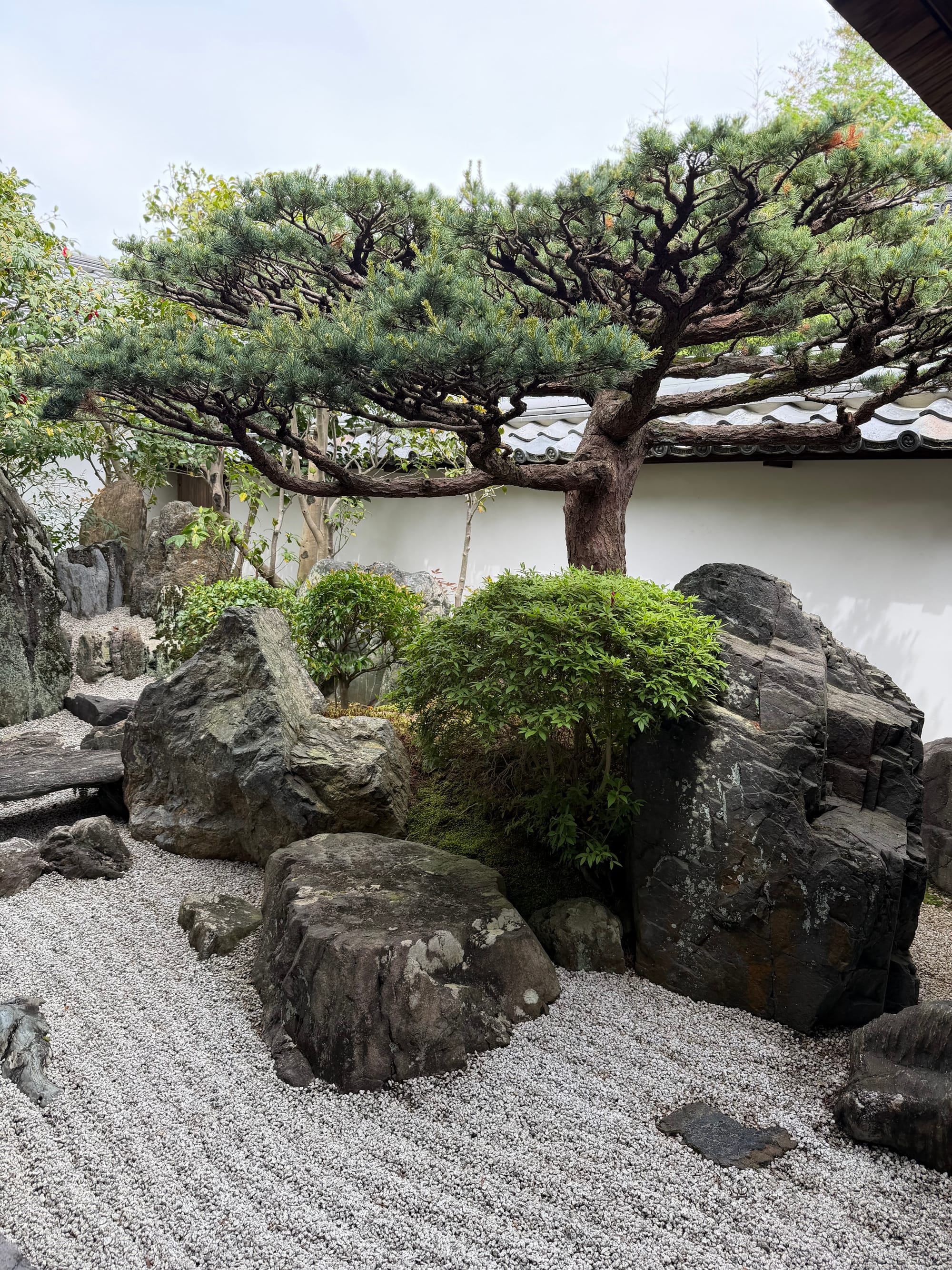
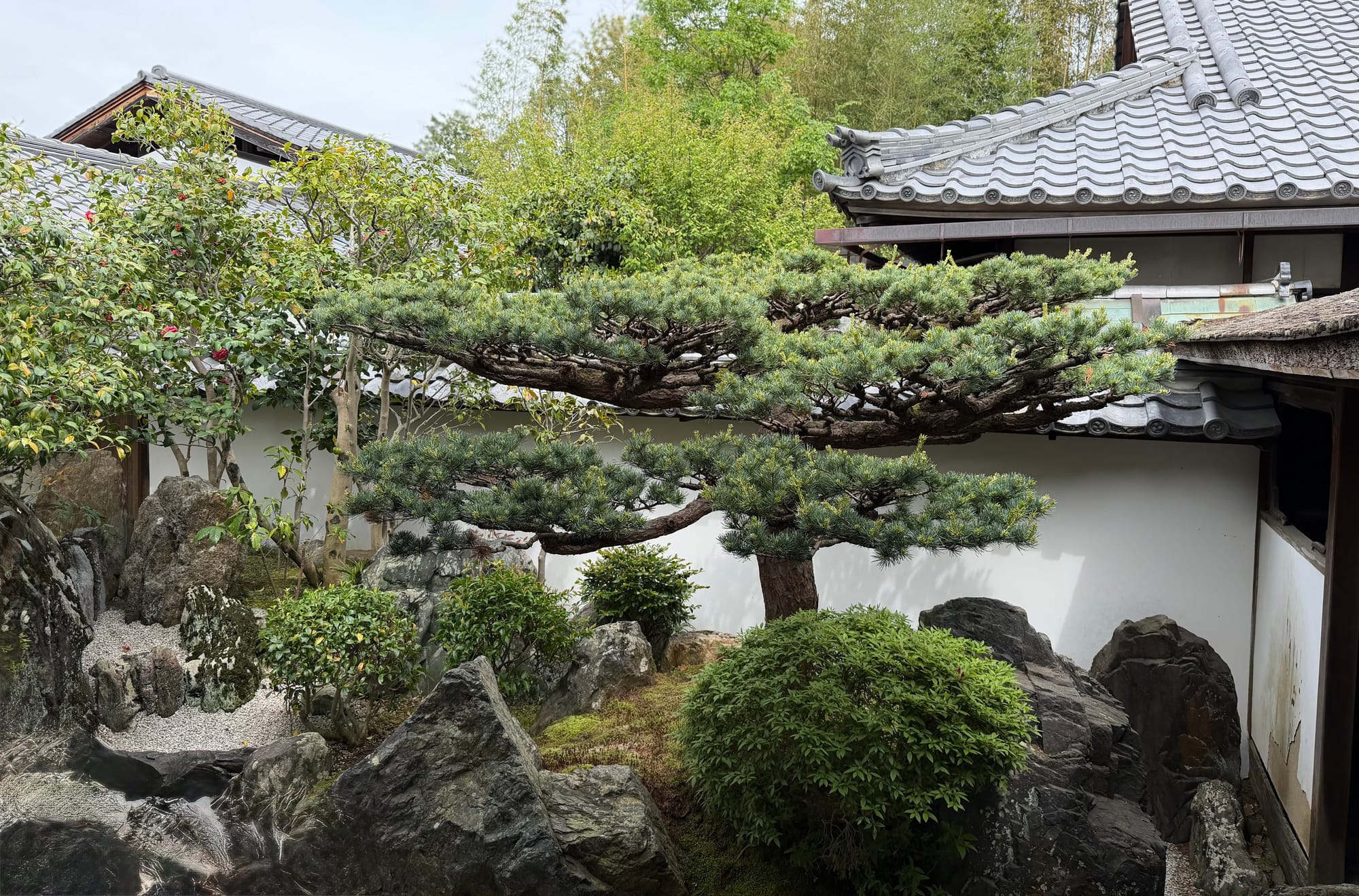
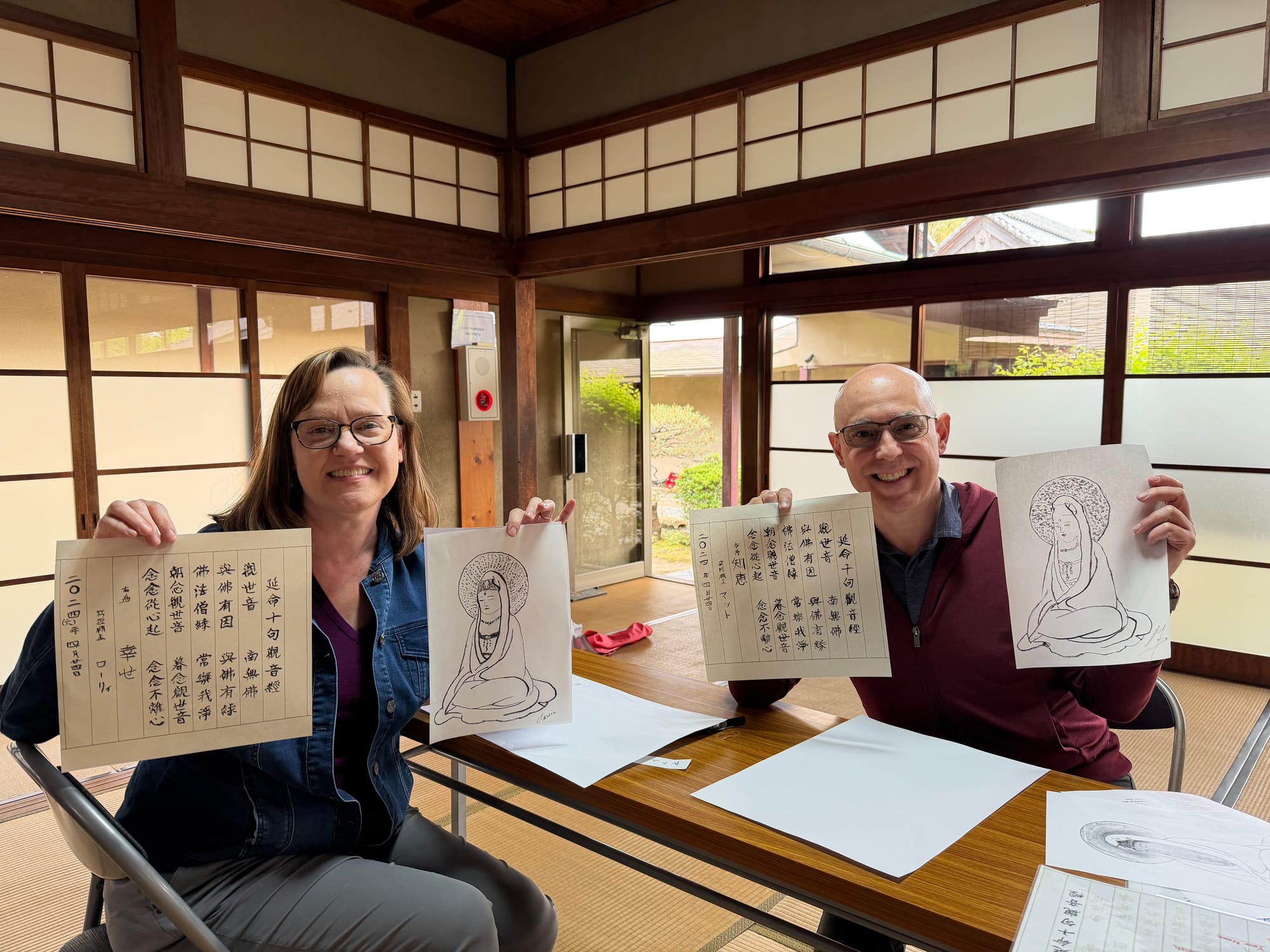
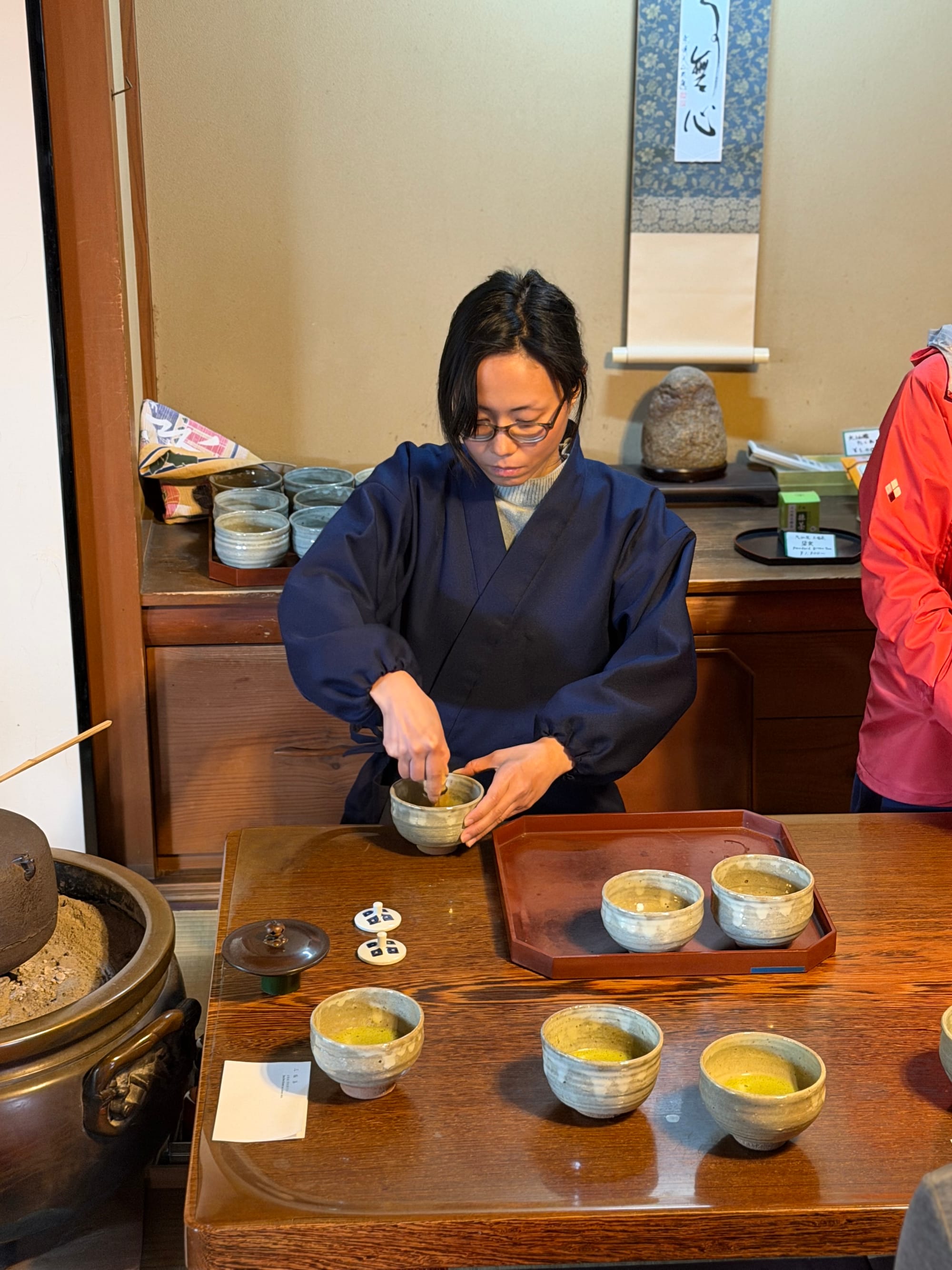
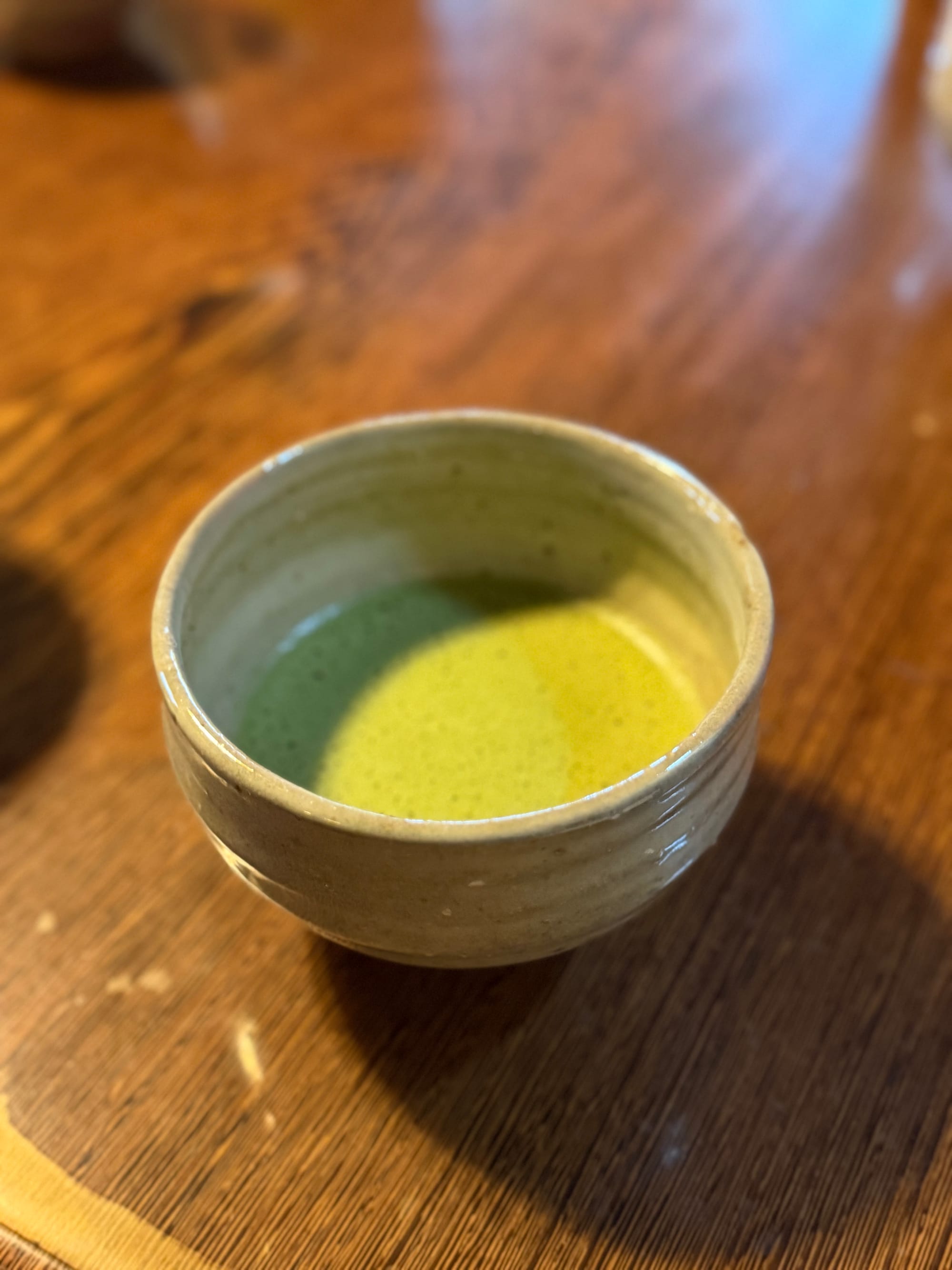
The next visit of the day was at a Buddhist temple. We did a Zen meditation session with one of the monks from the temple. We completed a full 25 minute session that felt like only 10 minutes. After meditation, we practiced Sutra calligraphy. Sutra is a meditative Buddhist practice of transcribing sacred texts with focus and devotion. This practice fosters concentration, calmness, and mindfulness, often using a brush, ink, and traditional paper to copy sutras like the Heart Sutra. Both experiences were both calming and informative. On our way through the temple after meditation we were shown their Zen garden and learned about the story of the garden and what it represented. To finish the experience, we enjoyed a small tea ceremony with our guide. This particular temple was where the monk that created the tea ceremony lived for many years. This temple is still the original build from the 15th century. The tea room we visited was the same room and view as experienced by the monks in the 15th century. Even though you are in the middle of Kyoto, there are no modern builds visible.
Golden Temple
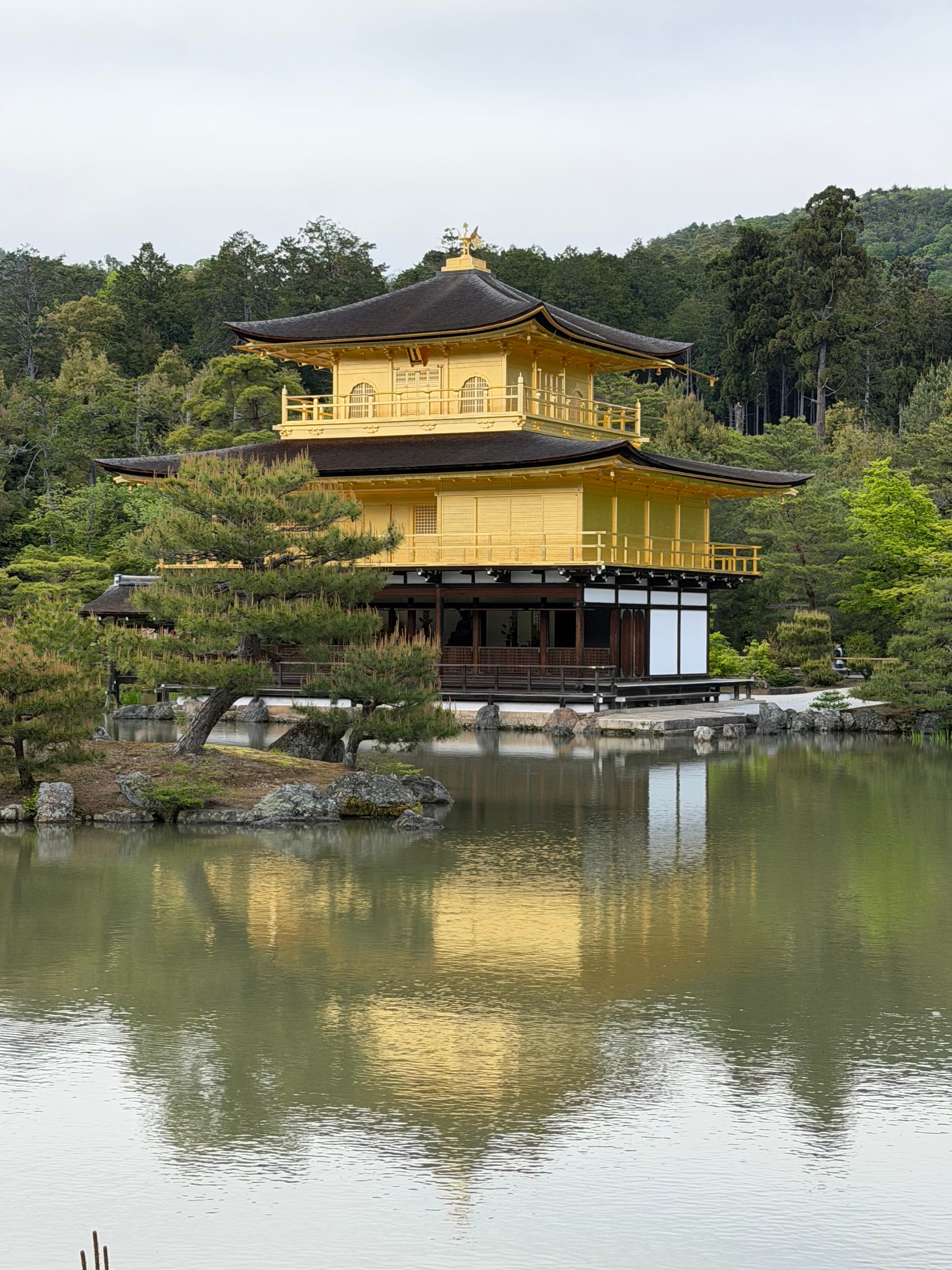
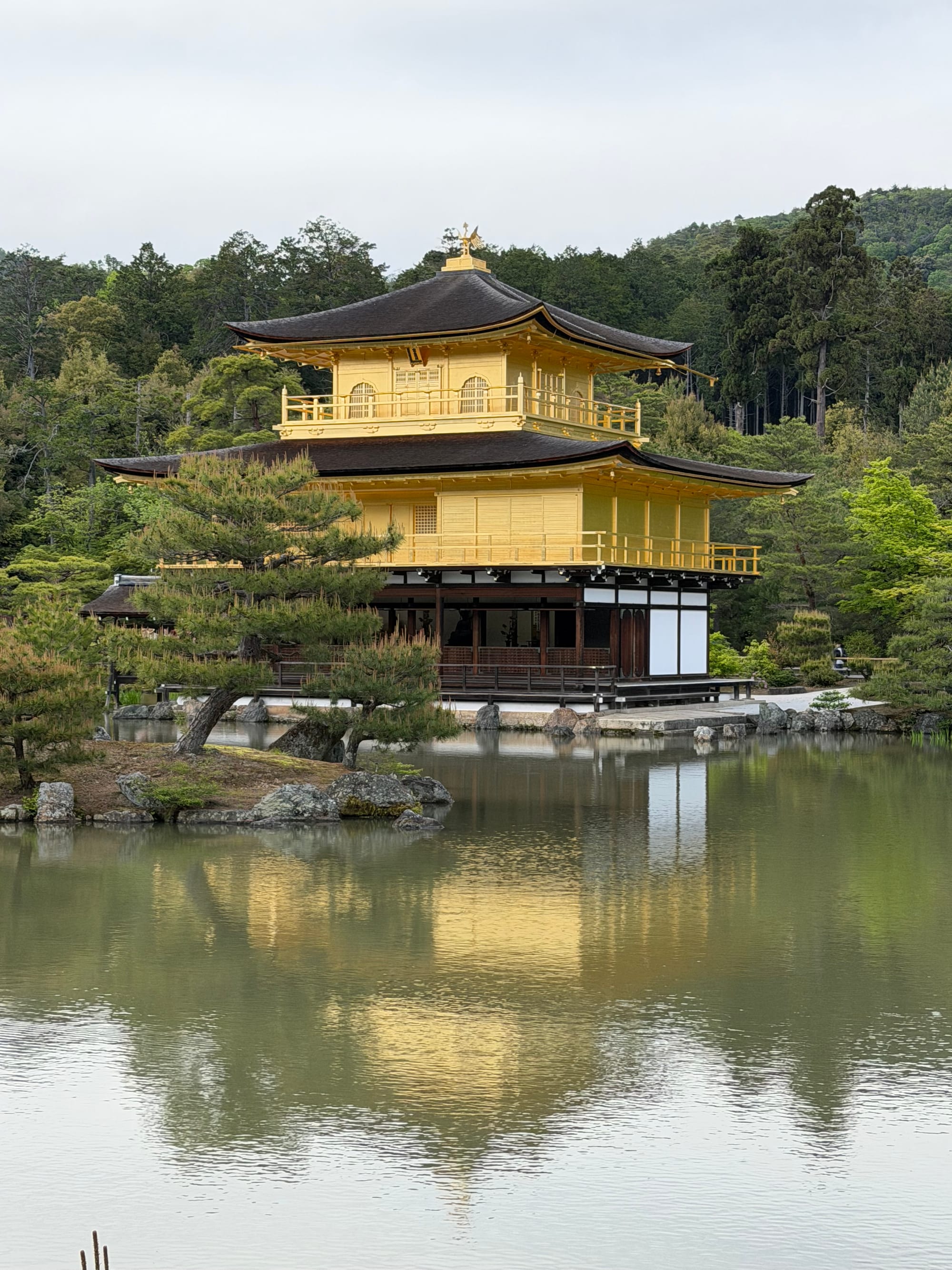
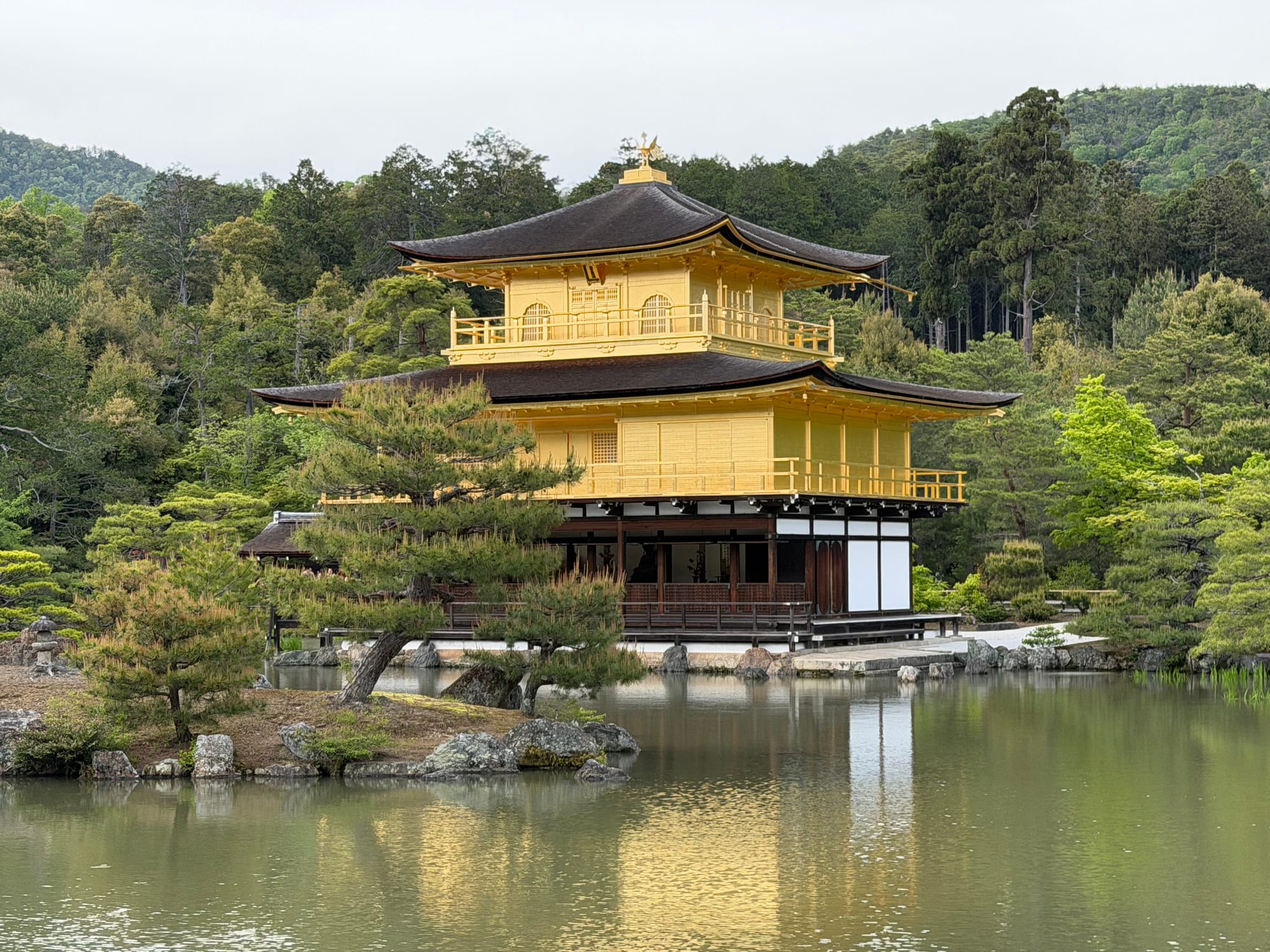
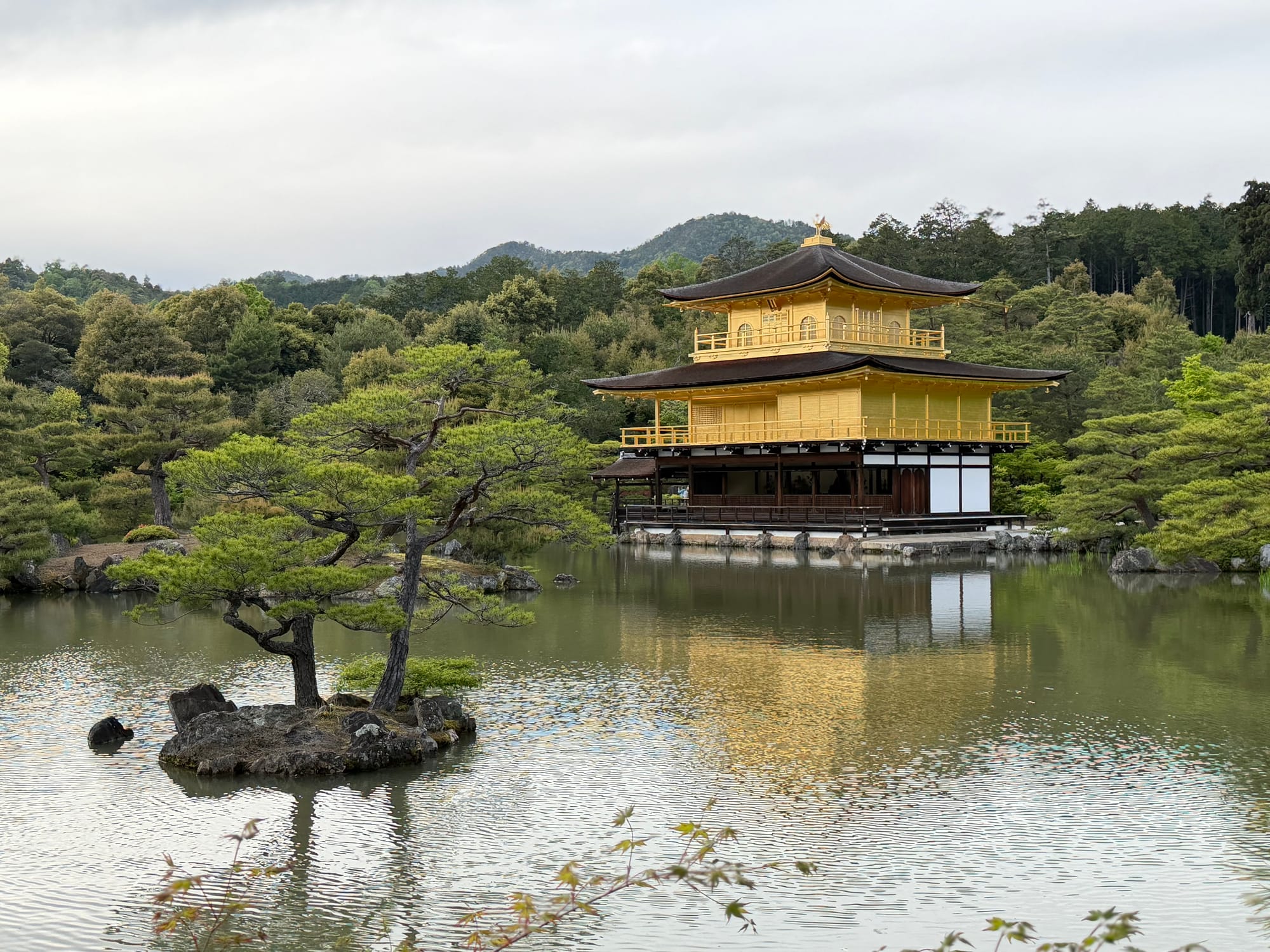
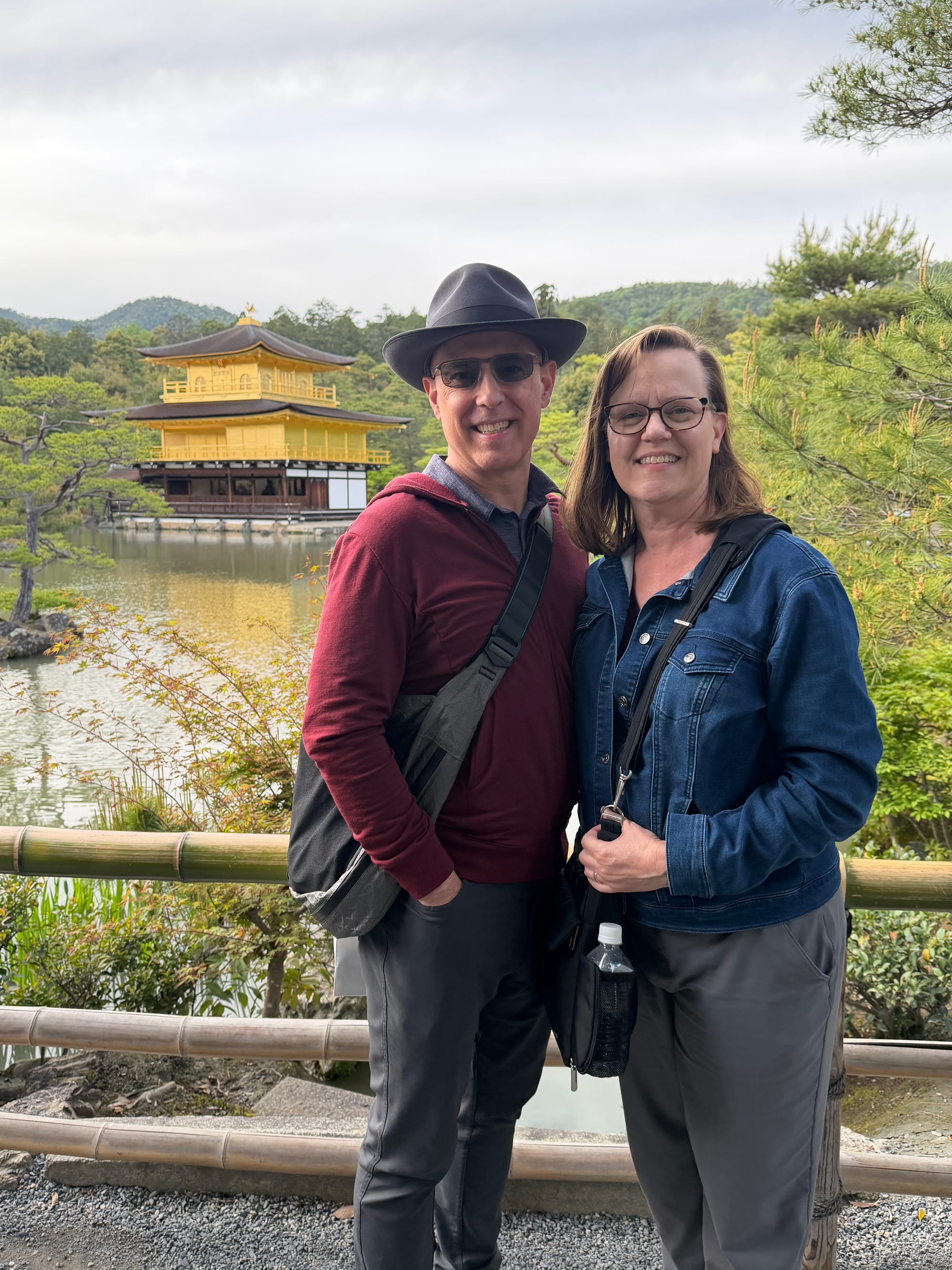
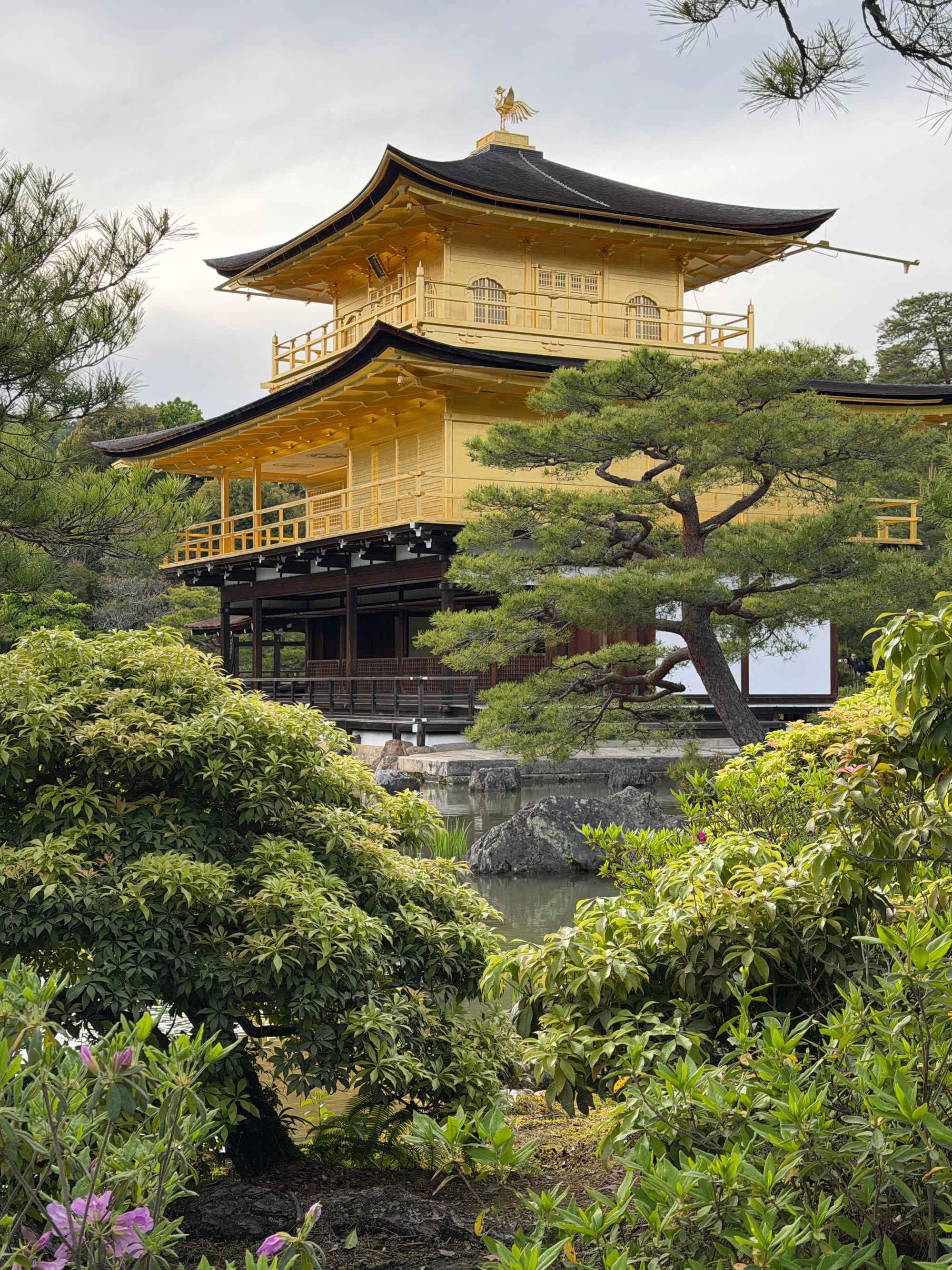
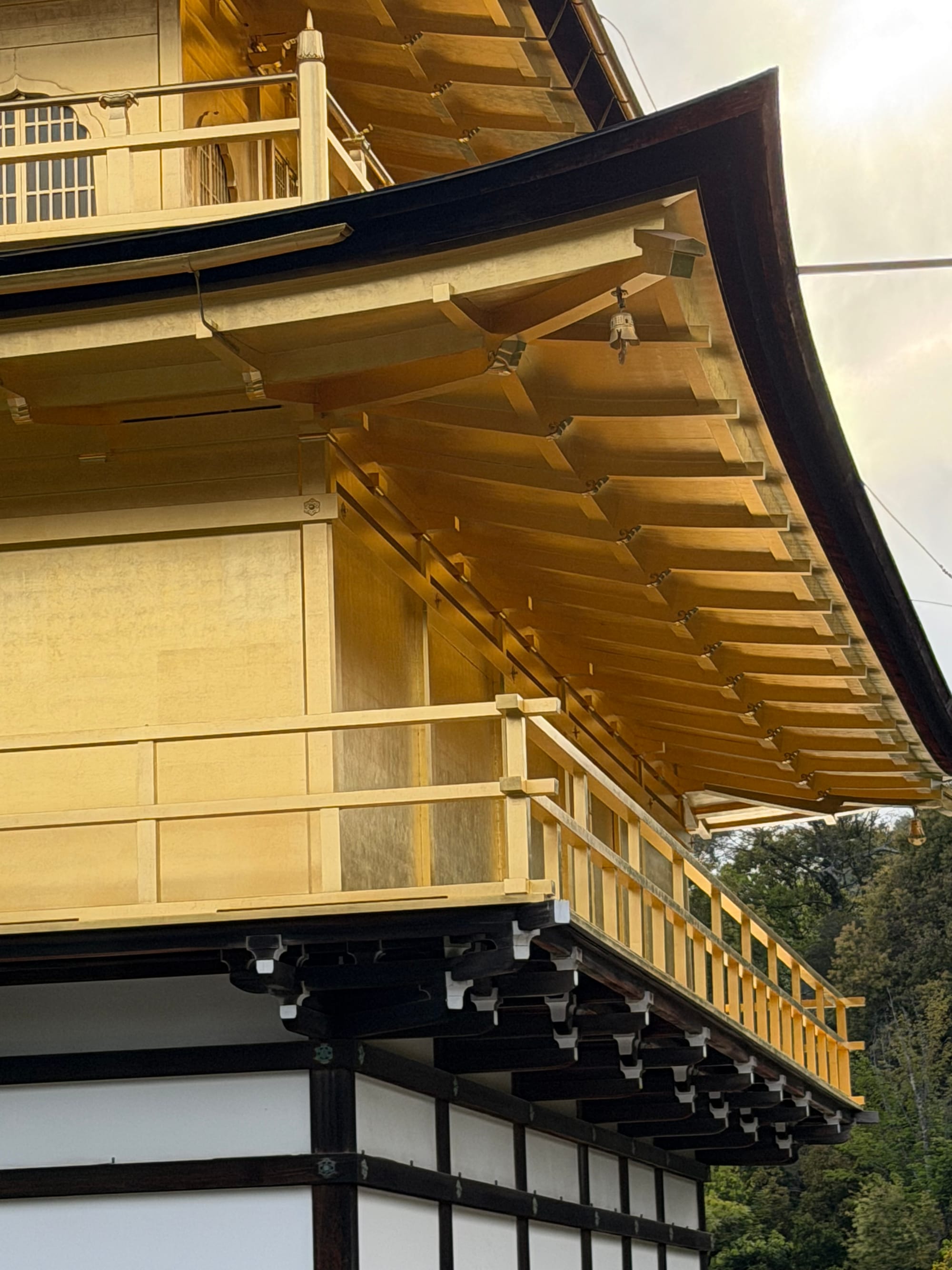
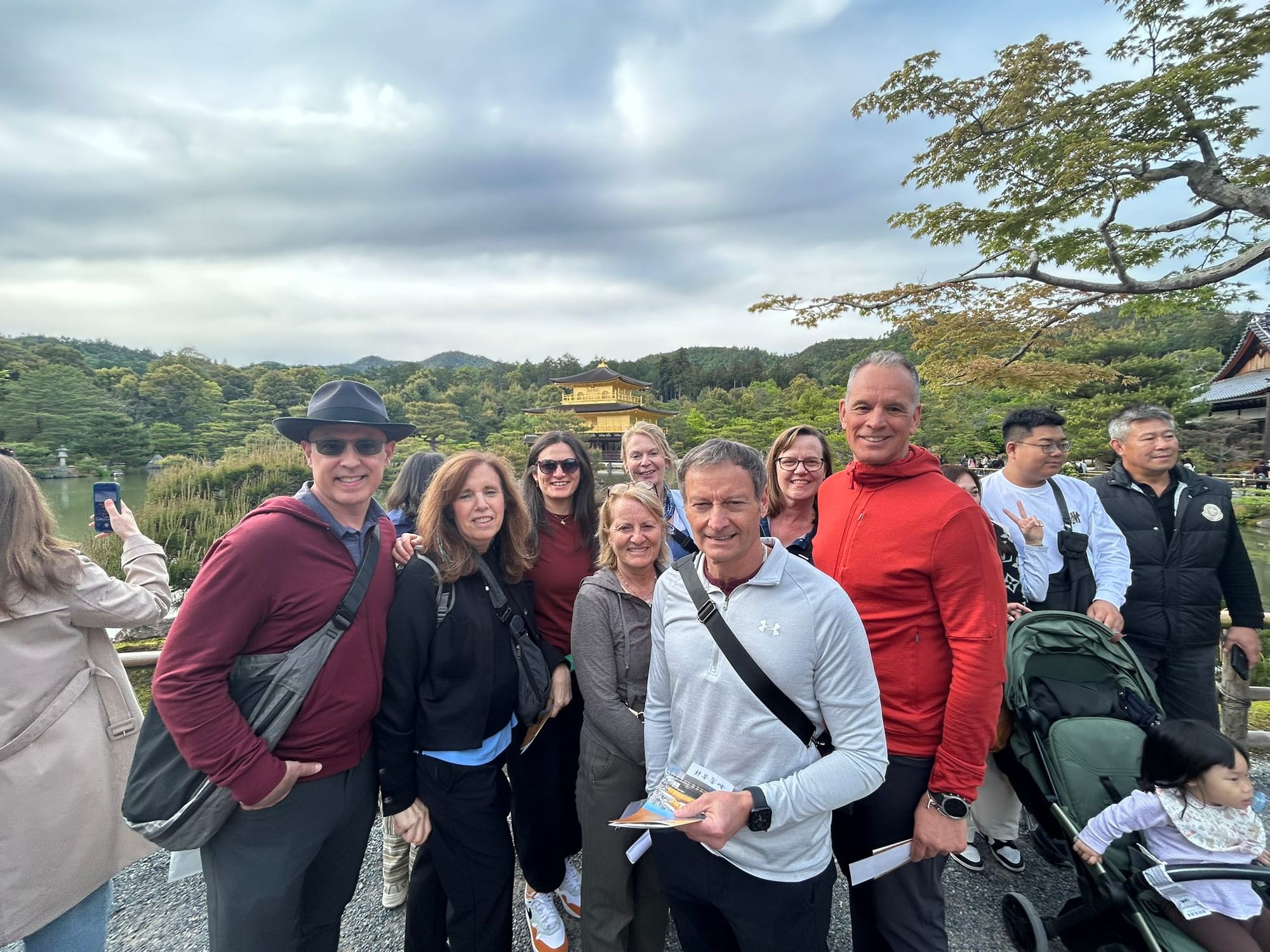
Our last attraction was Kinkaku-ji or Temple of the Golden Pavilion. It’s a Zen Buddhist temple in Kyoto, Japan and a tourist attraction. It is designated as a World Heritage Site, a National Special Historic Site, a National Special Landscape, and one of the 17 Historic Monuments of Ancient Kyoto. The temple is nicknamed after the Golden Pavilion whose top two floors are coated in 0.5 μm gold leaf. The current pavilion was rebuilt in 1955 after being destroyed in an arson attack. The gold leaf came from the region in Kanazawa we visited earlier in the trip.
Final Dinner
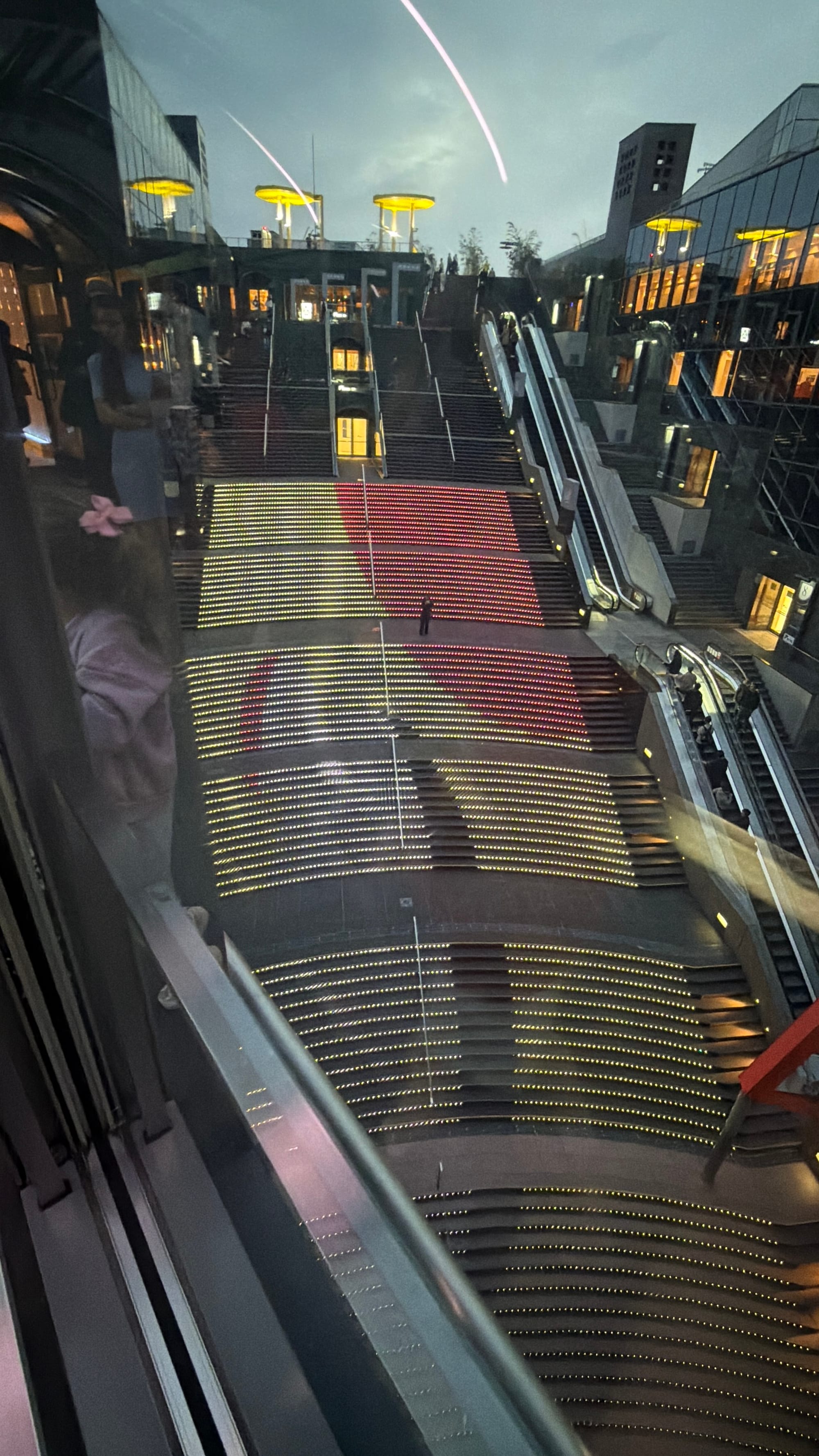
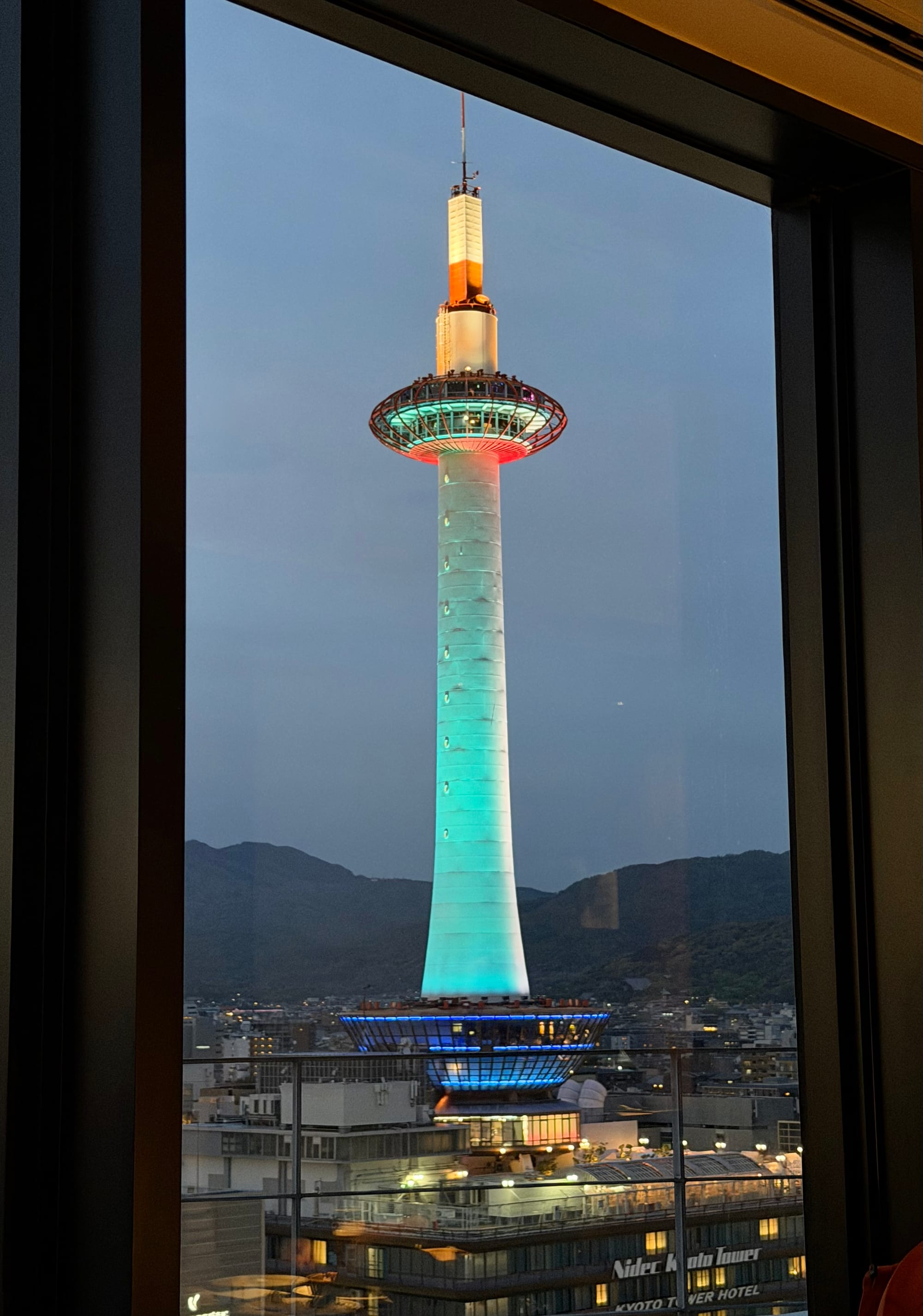
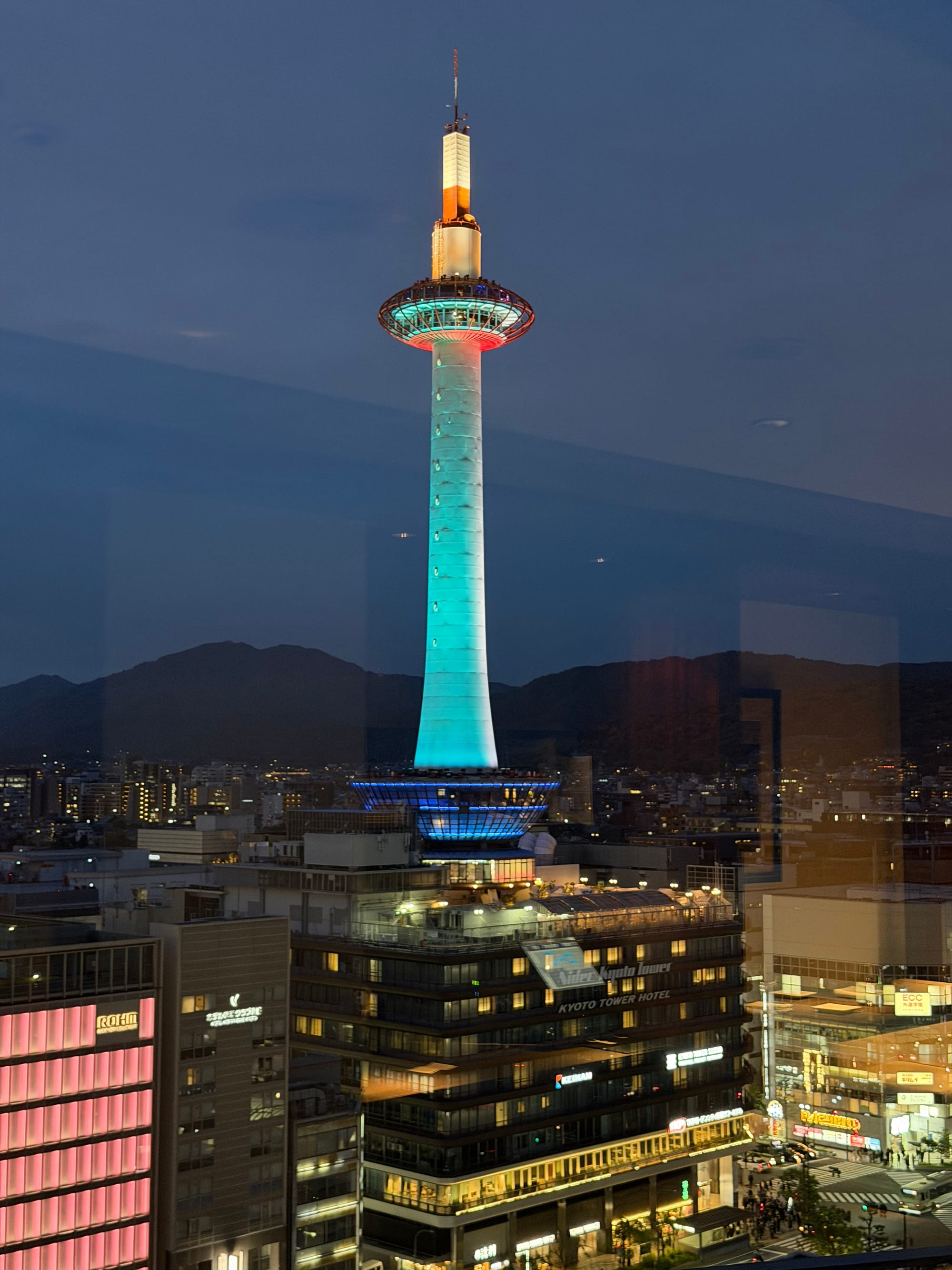
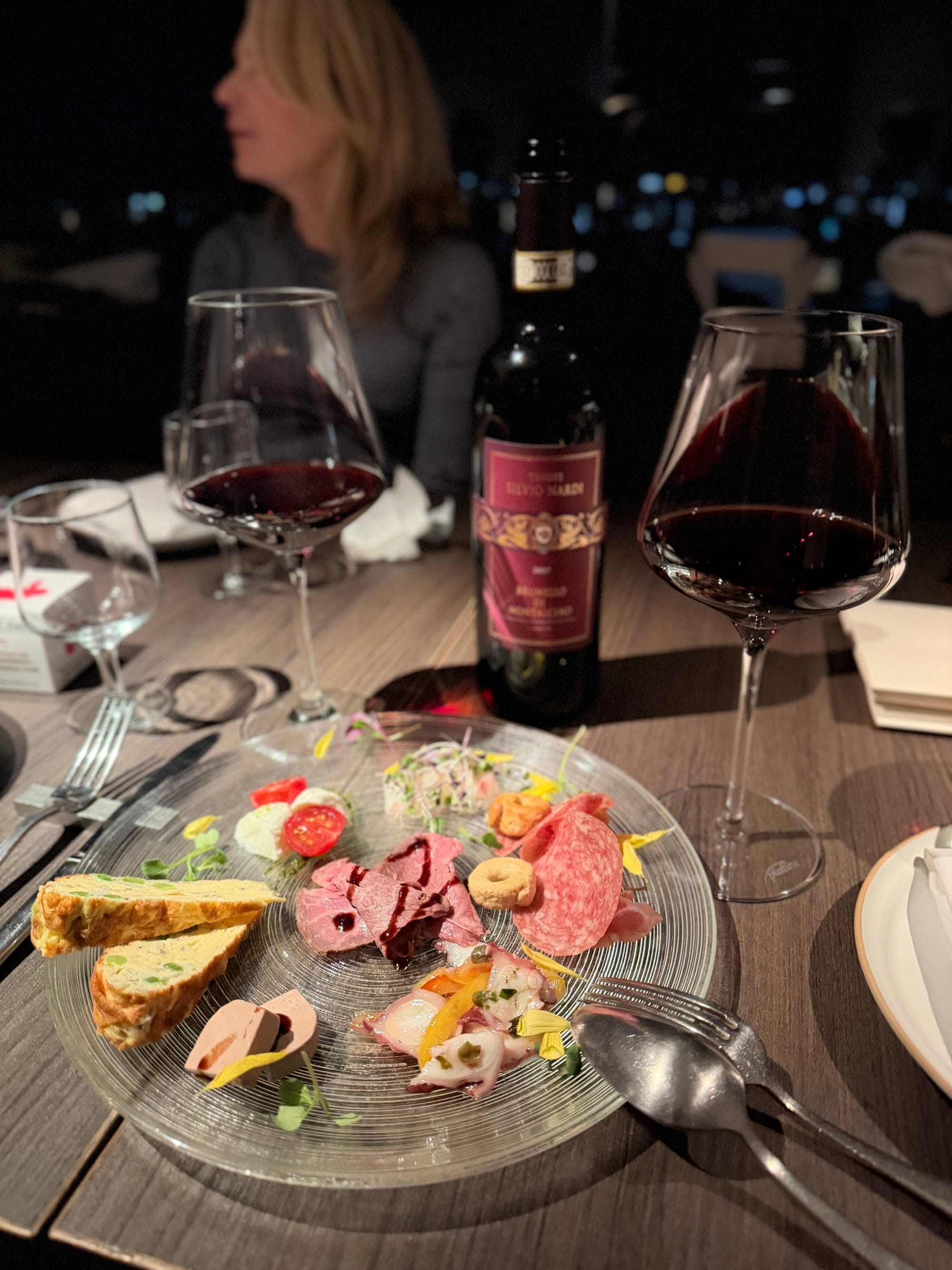
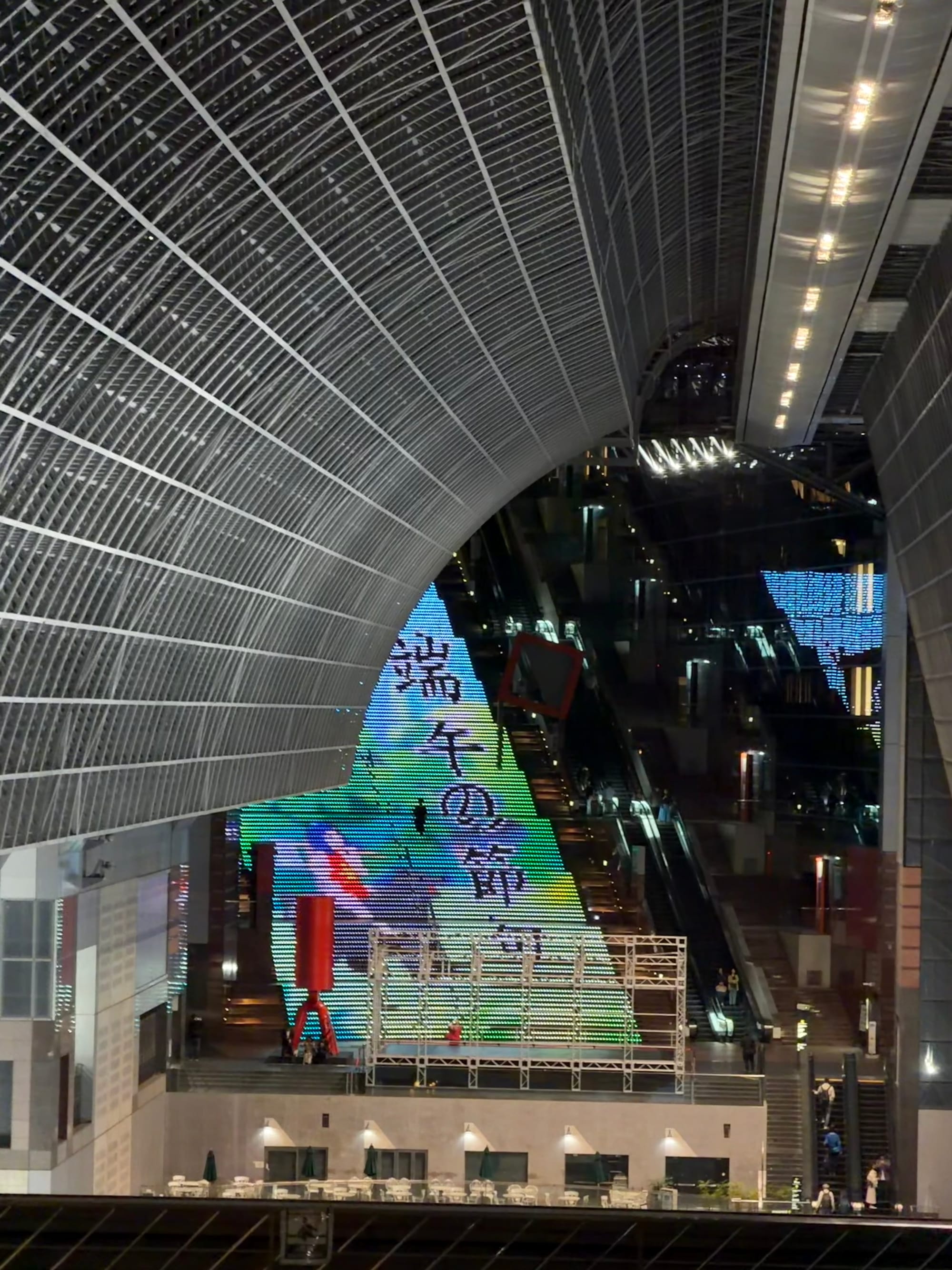
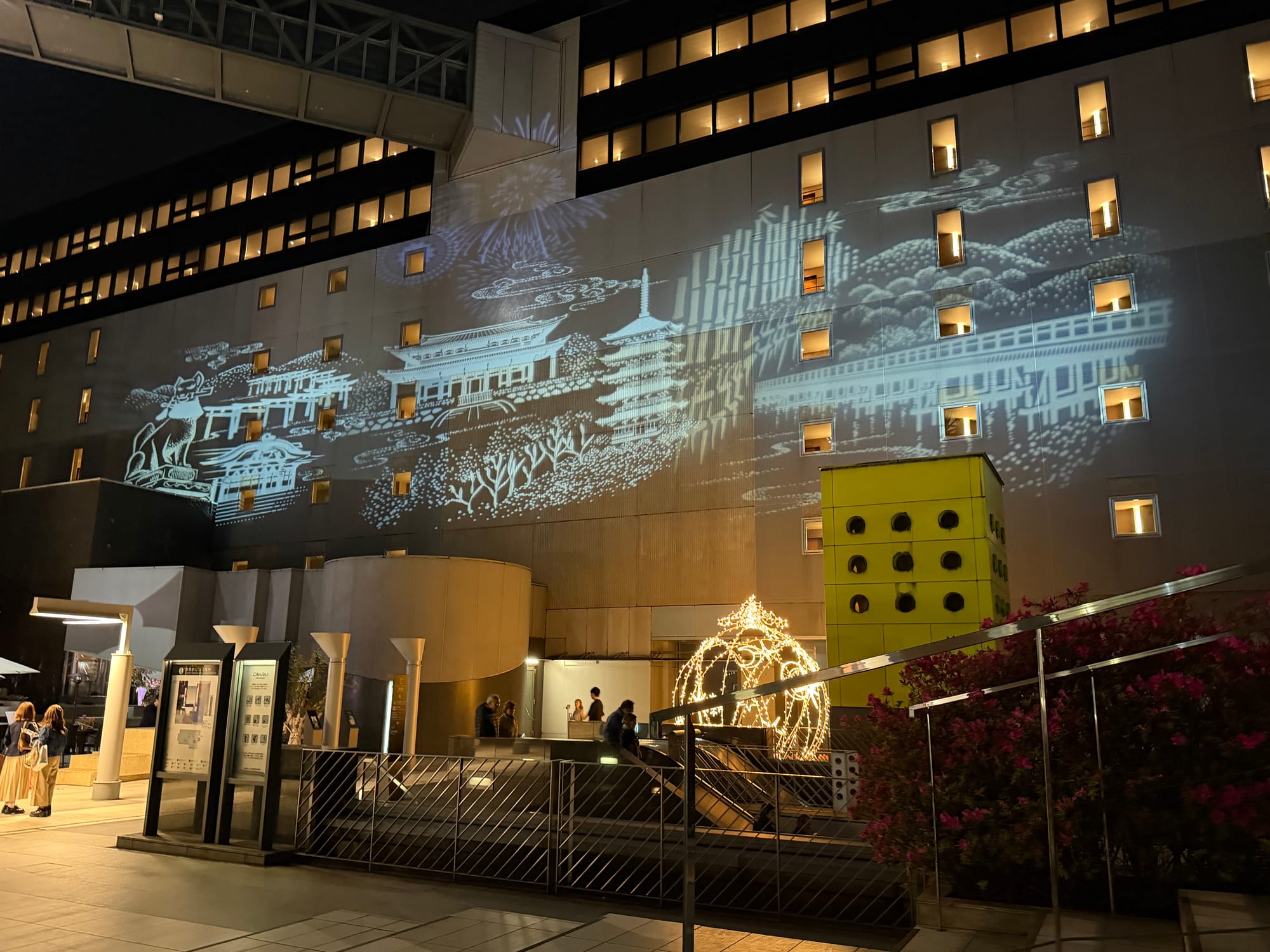
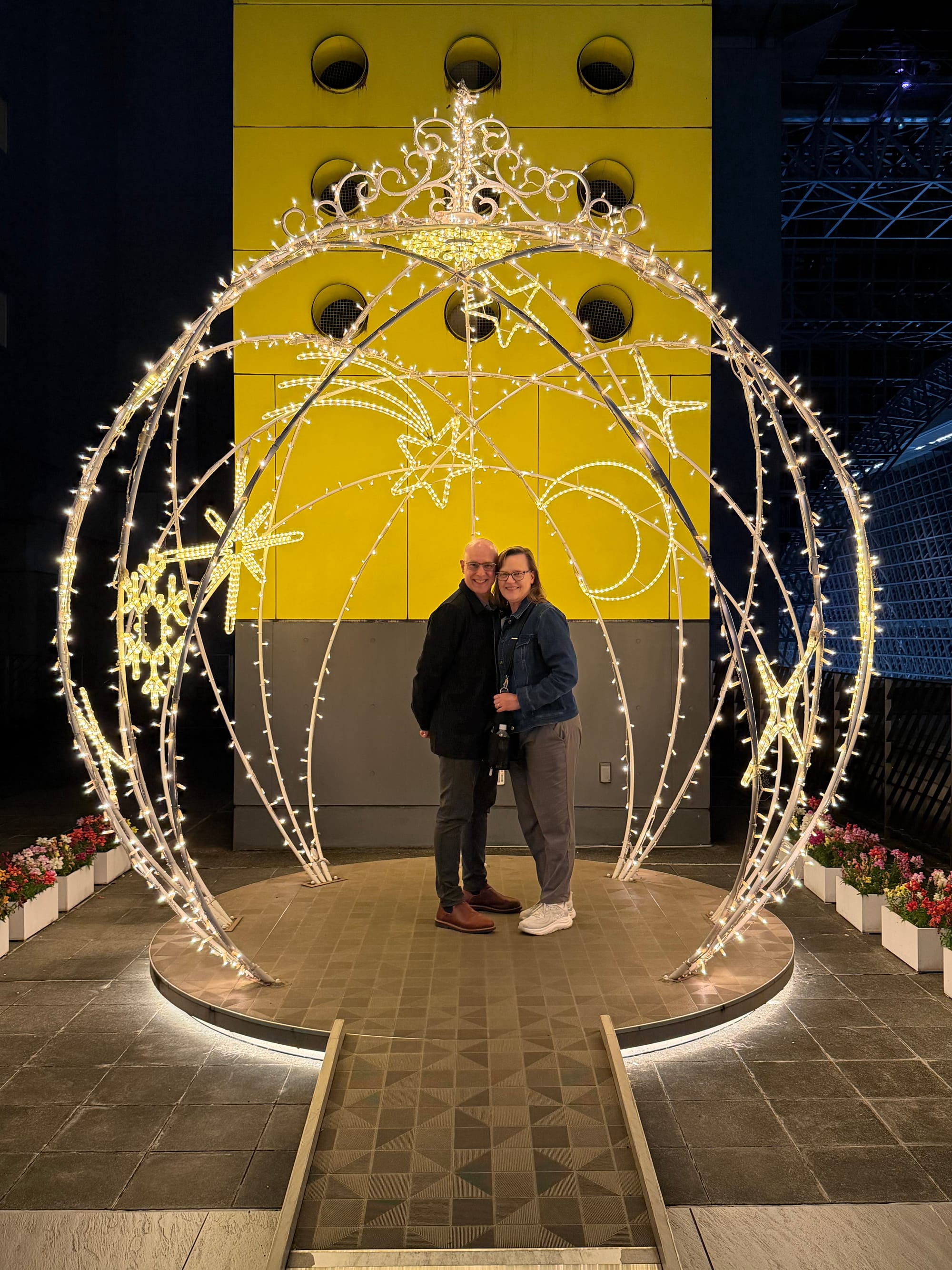
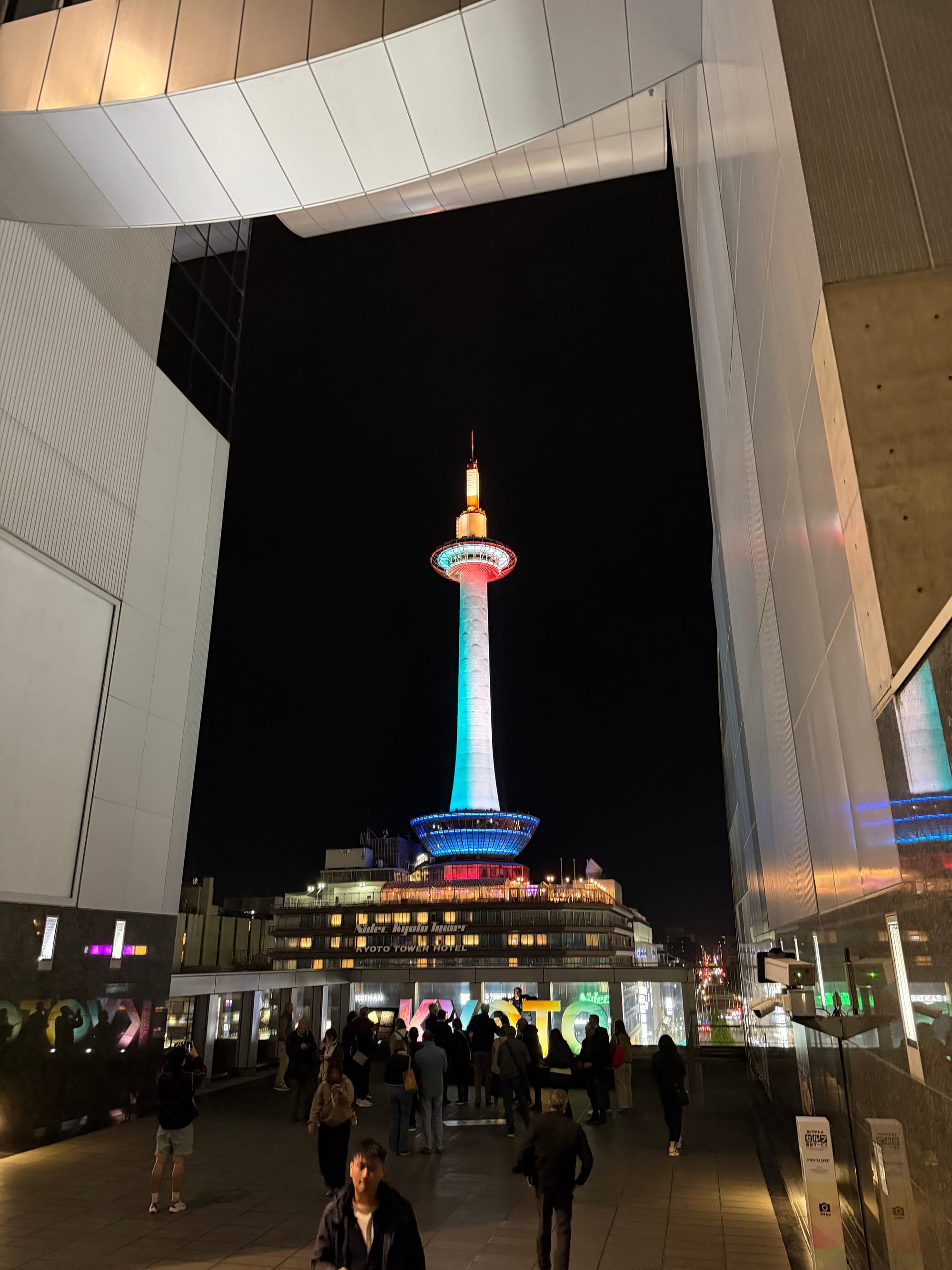
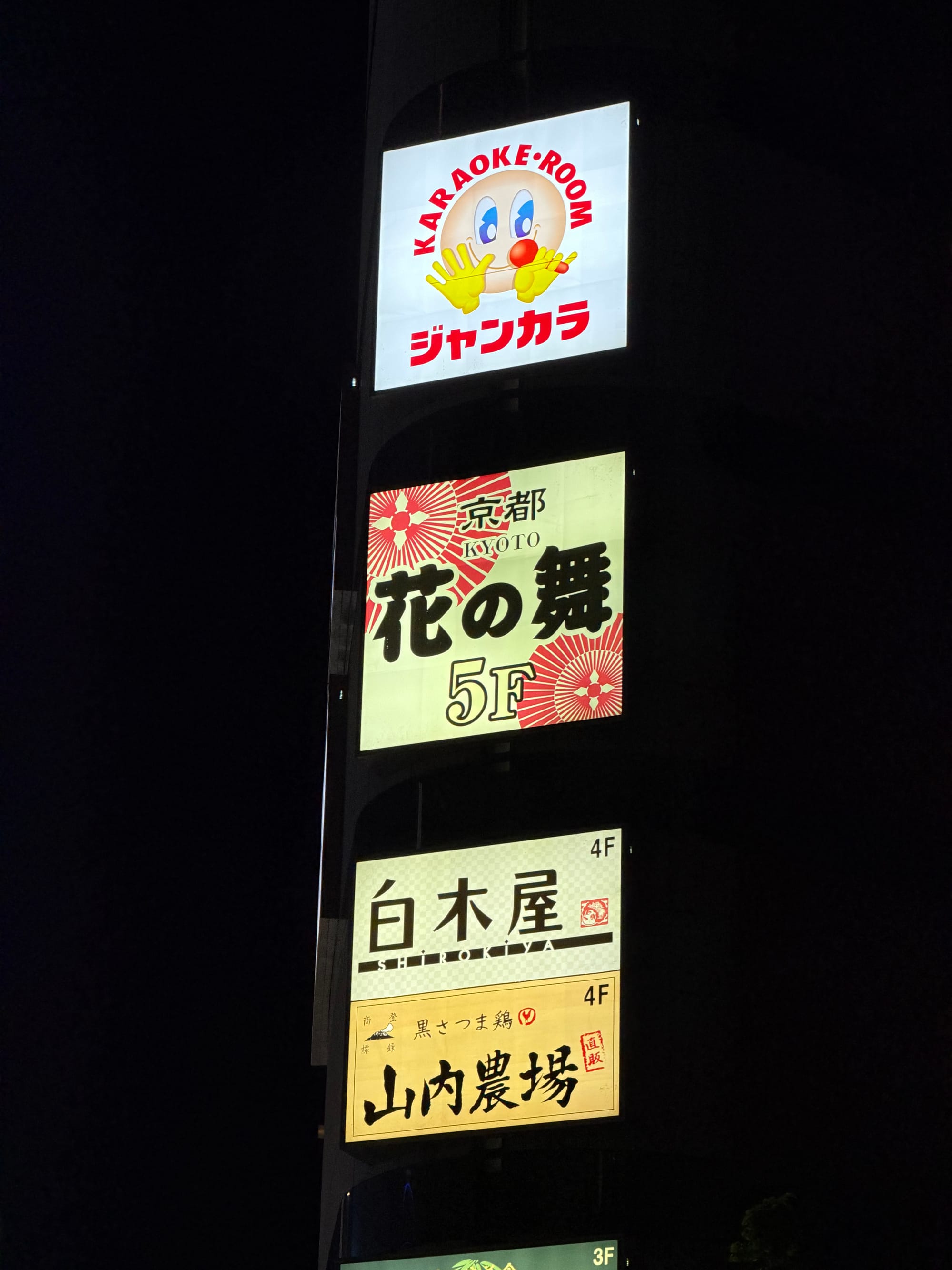
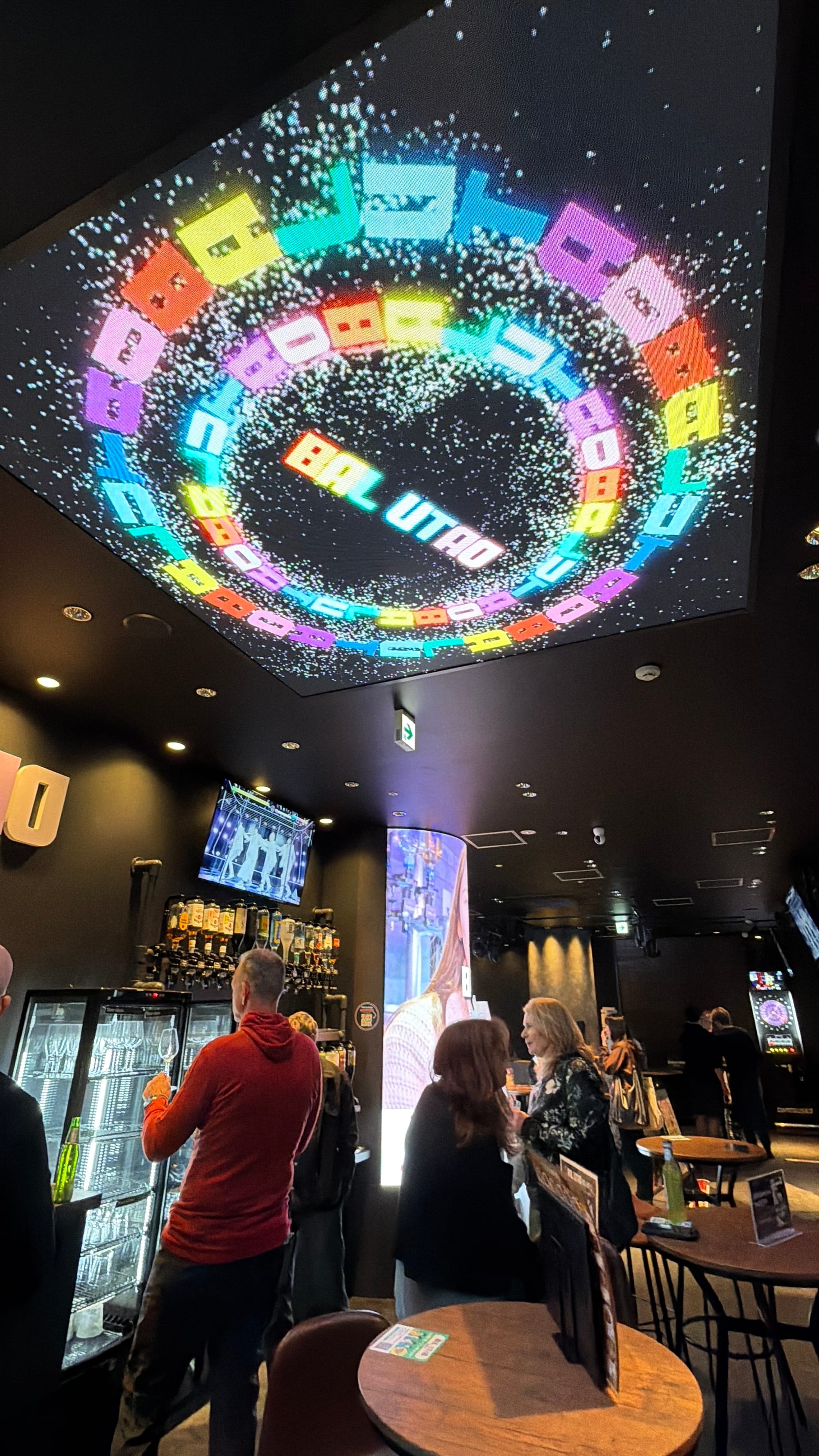
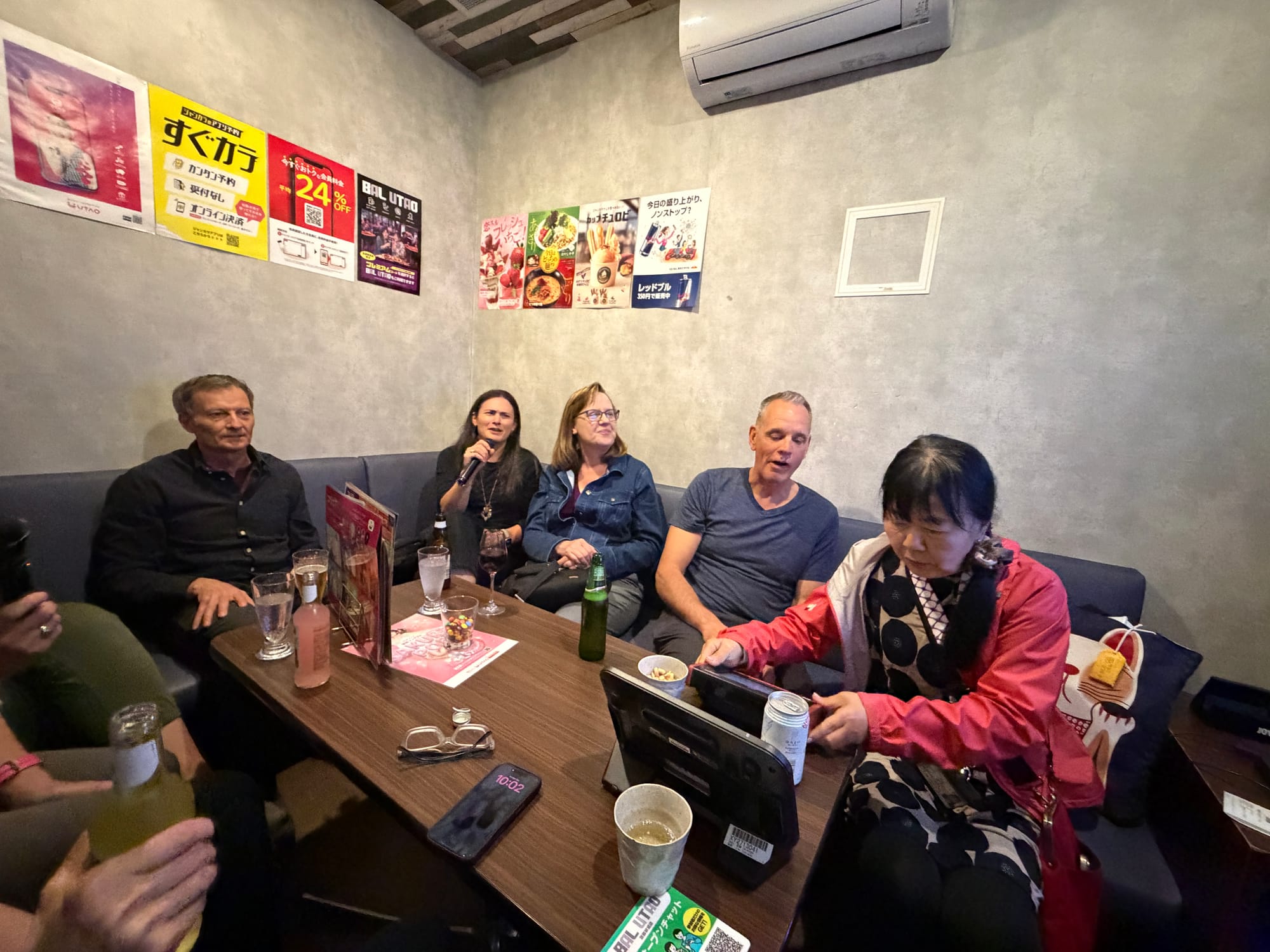
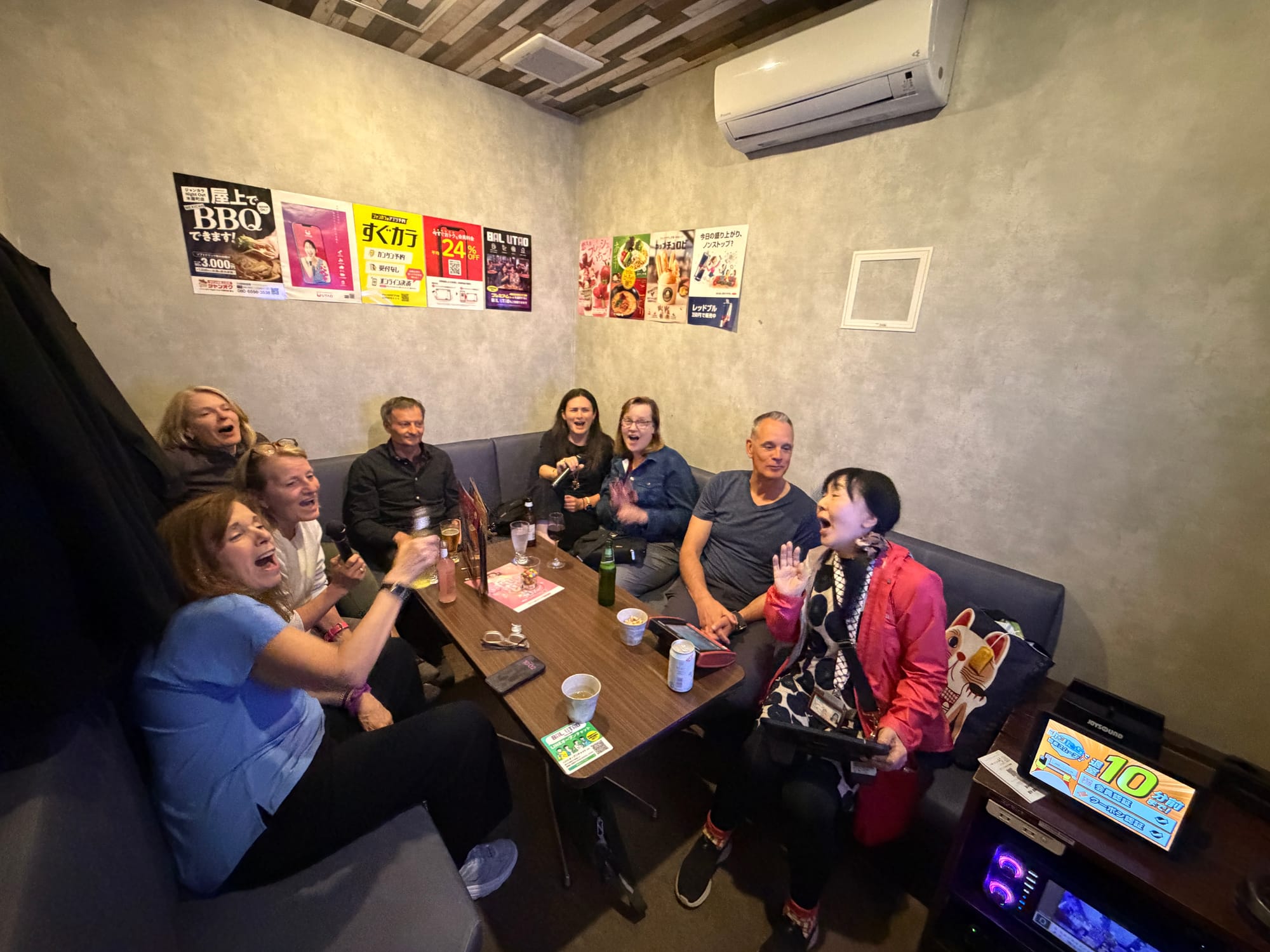
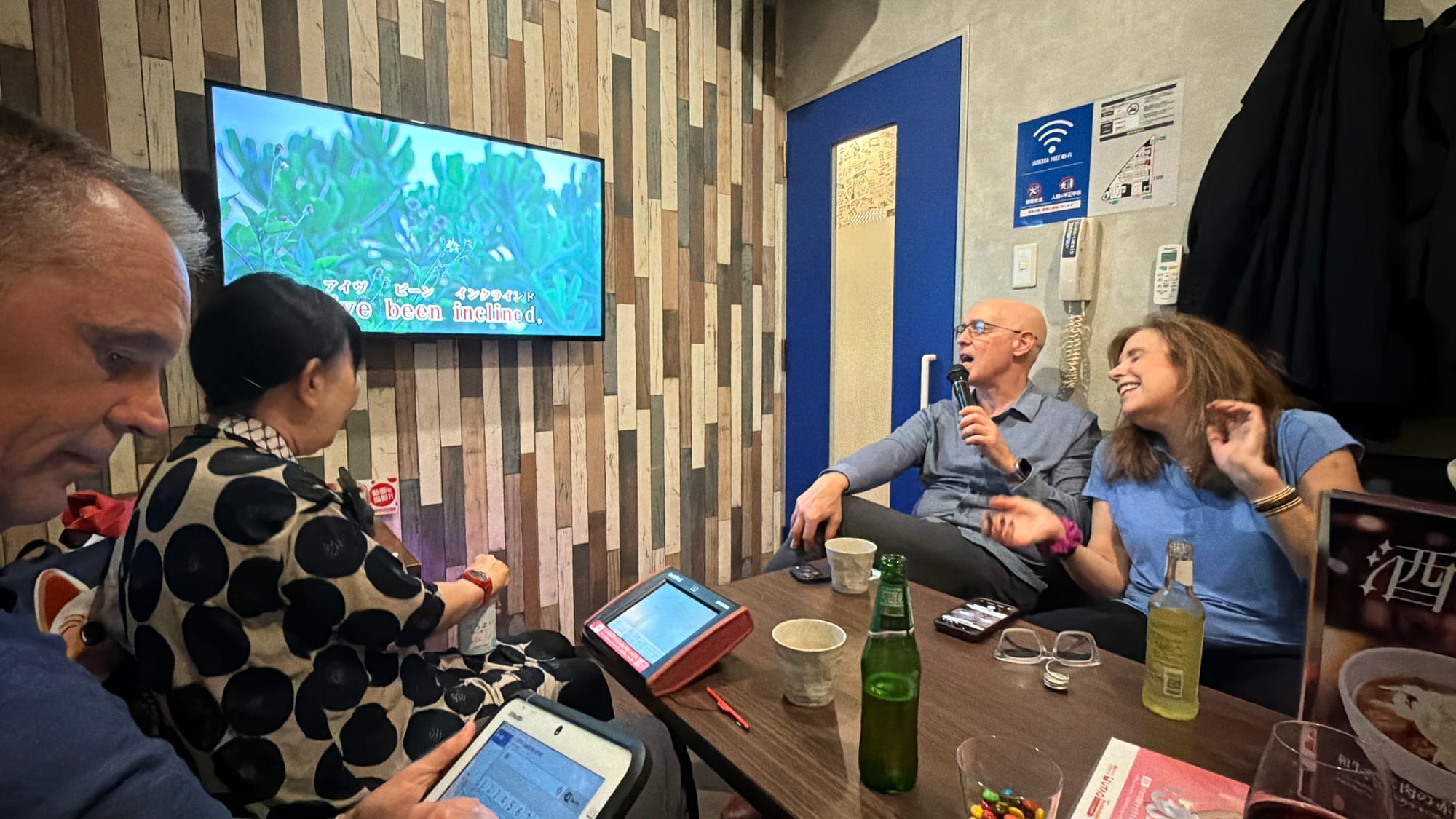
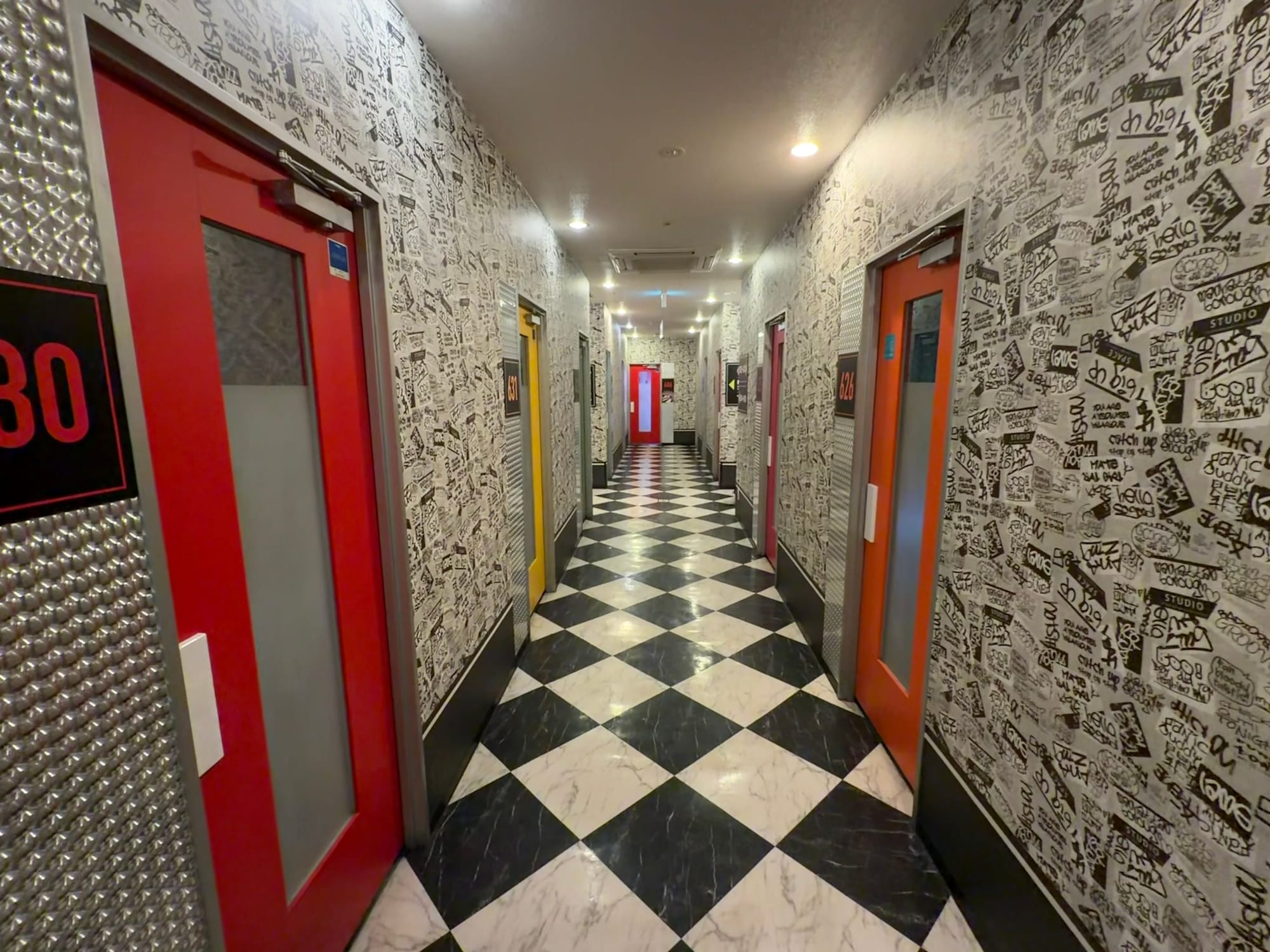
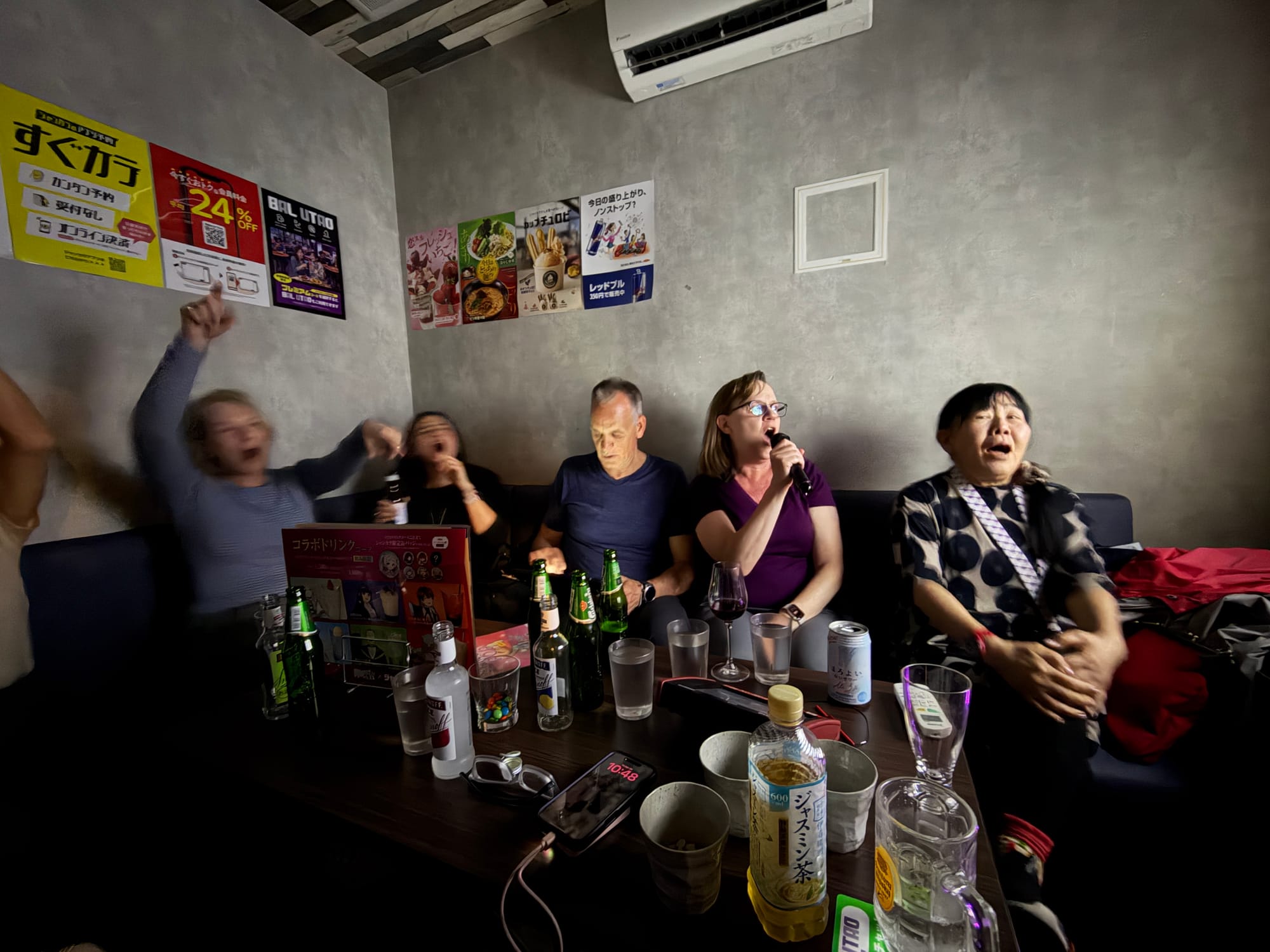
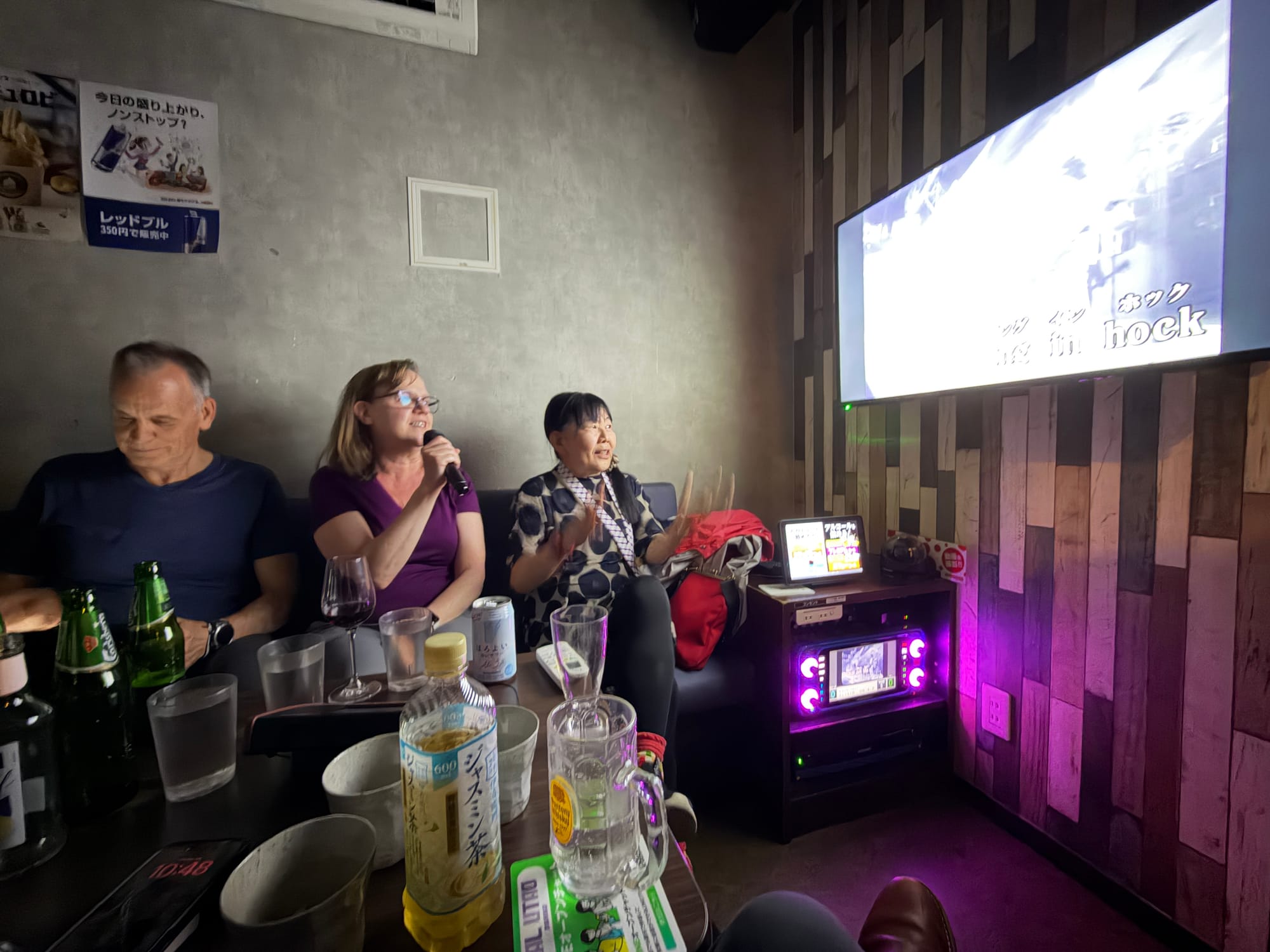
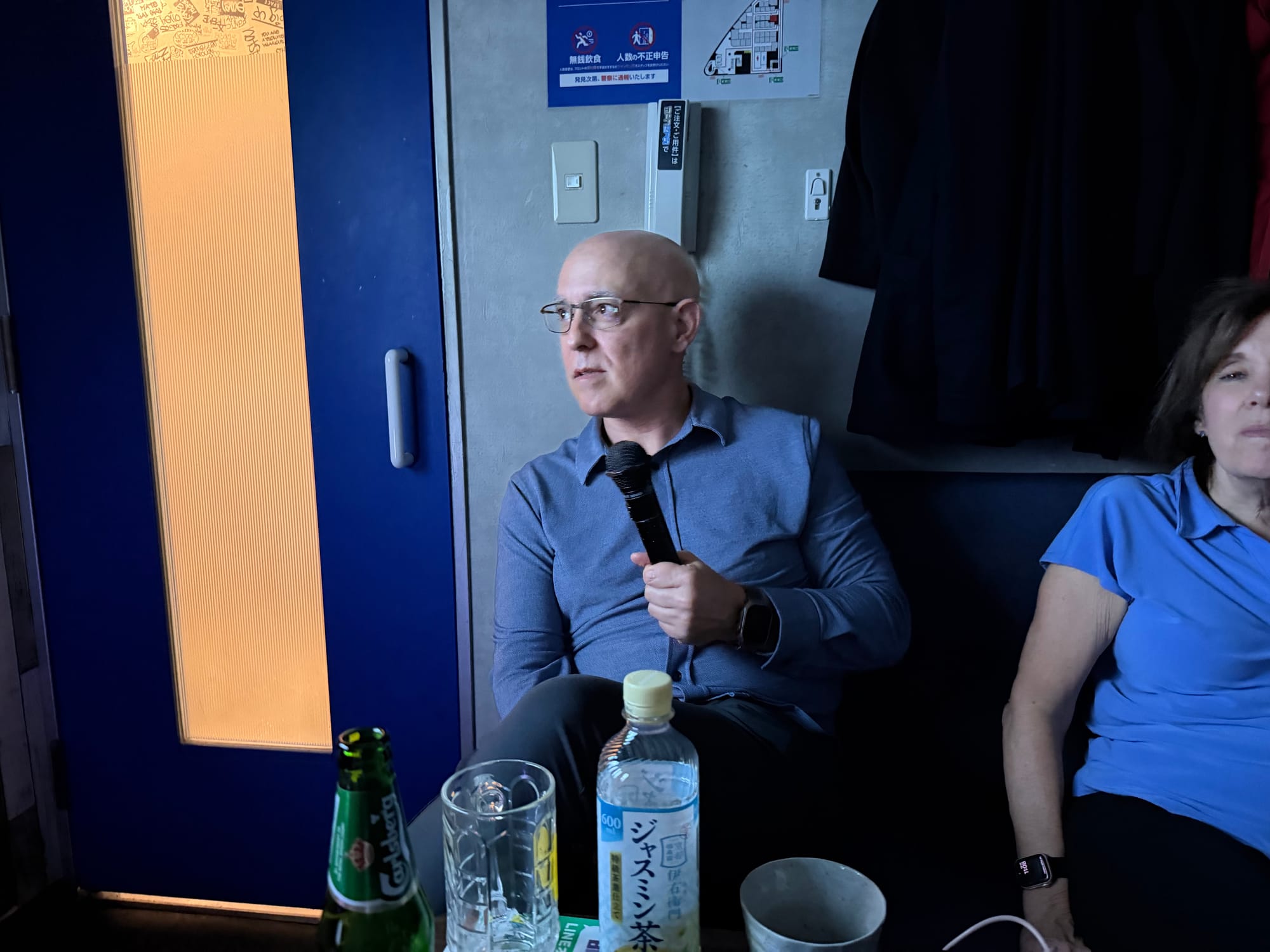
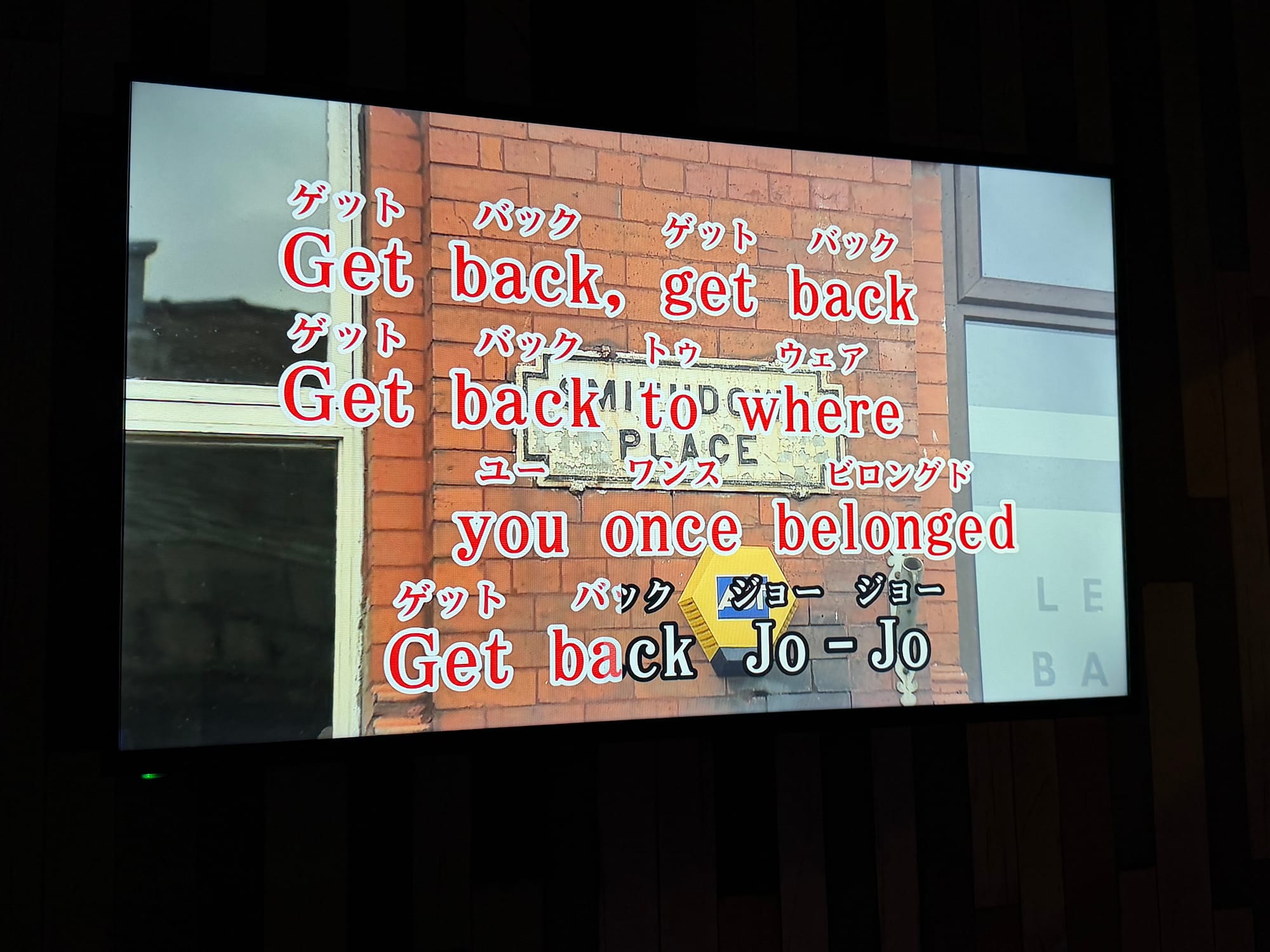
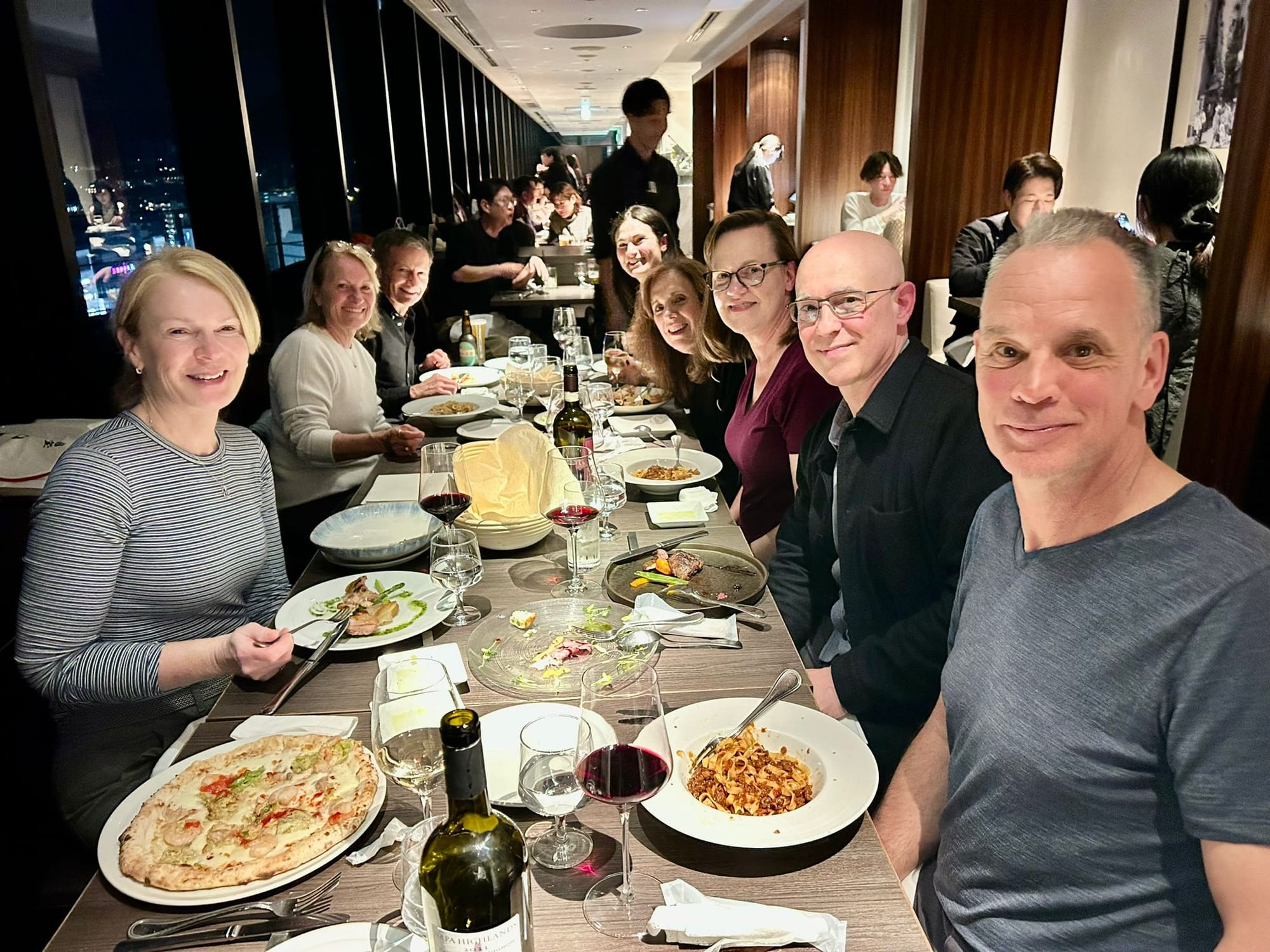
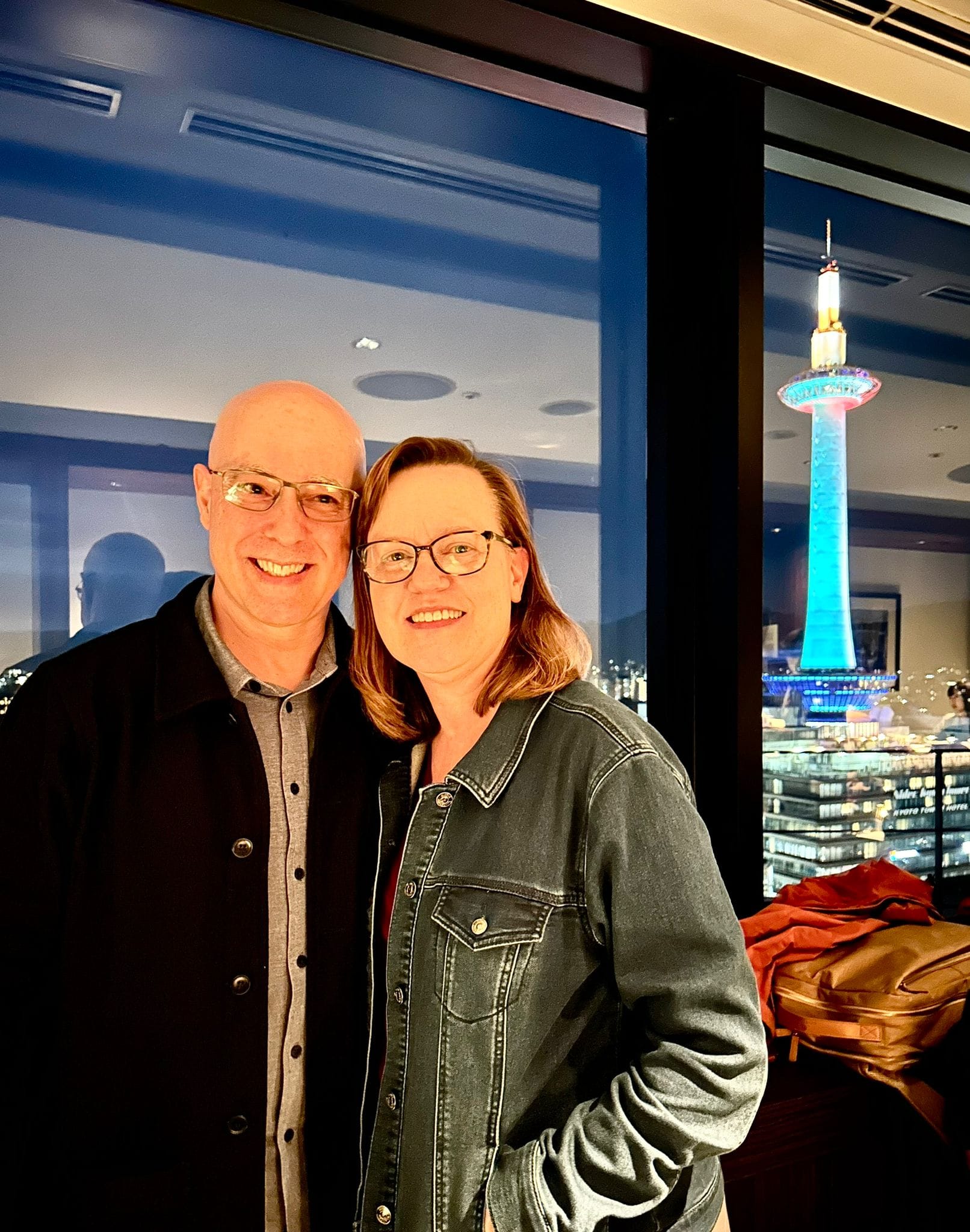
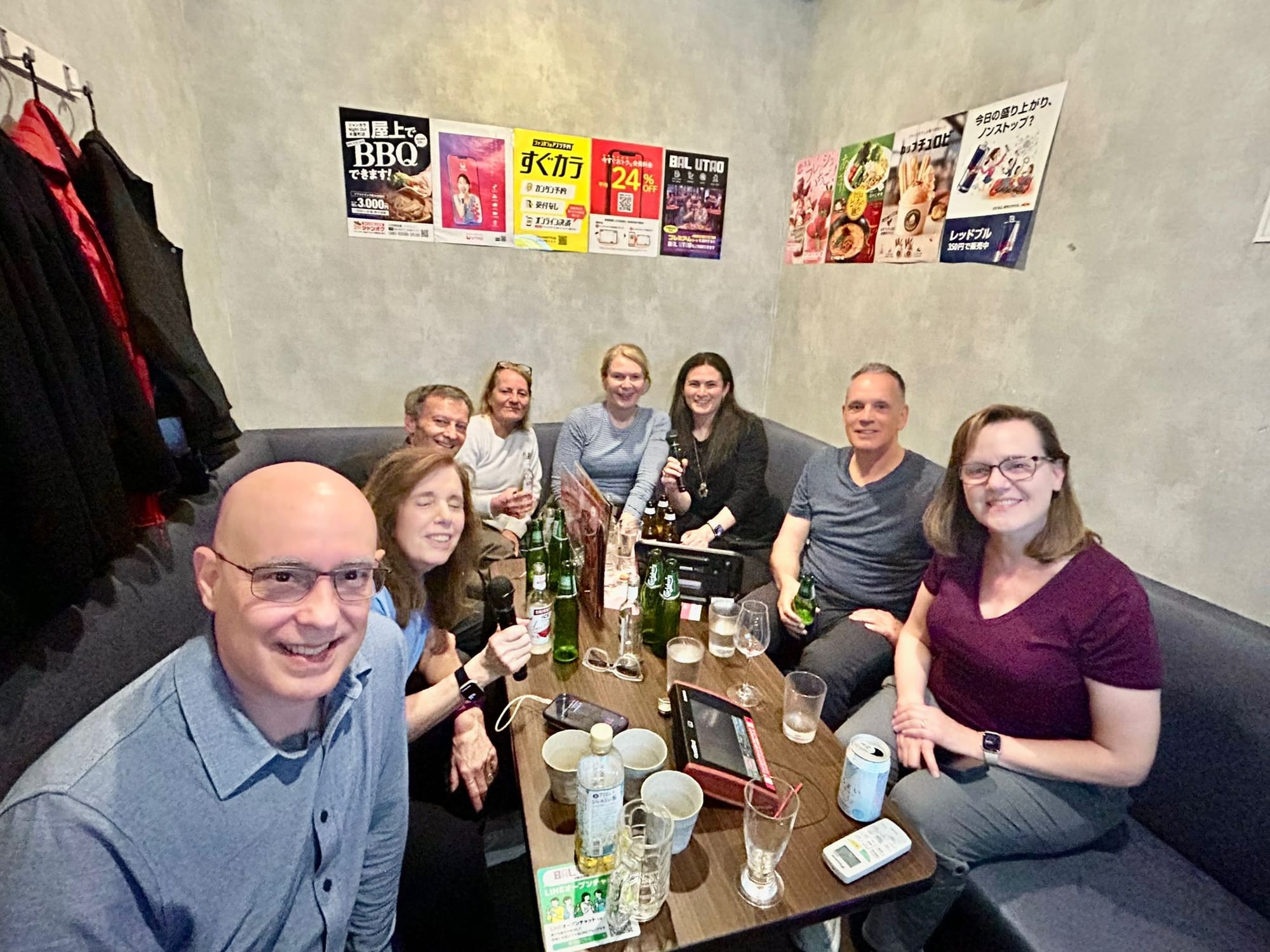
To end the trip, we had our final group dinner at, of all things, an Italian restaurant. The restaurant overlooked the Sky Pavilion and had a great view of Kyoto tower. After dinner, we had to check off one very Japanese experience, Karaoke. At this location, you rent the room and pay a per head fee for all you can eat snacks and drinks. On the floor where we had a room, there were 40 karaoke rooms and many more on the next floor. It was quite the experience to walk down the hallways of all of the rooms listening to everyone sing their hearts out. Of course, we had to break out the stereotypical Bon Jovi, Neil Diamond, The Beatles, and other songs everyone knows.