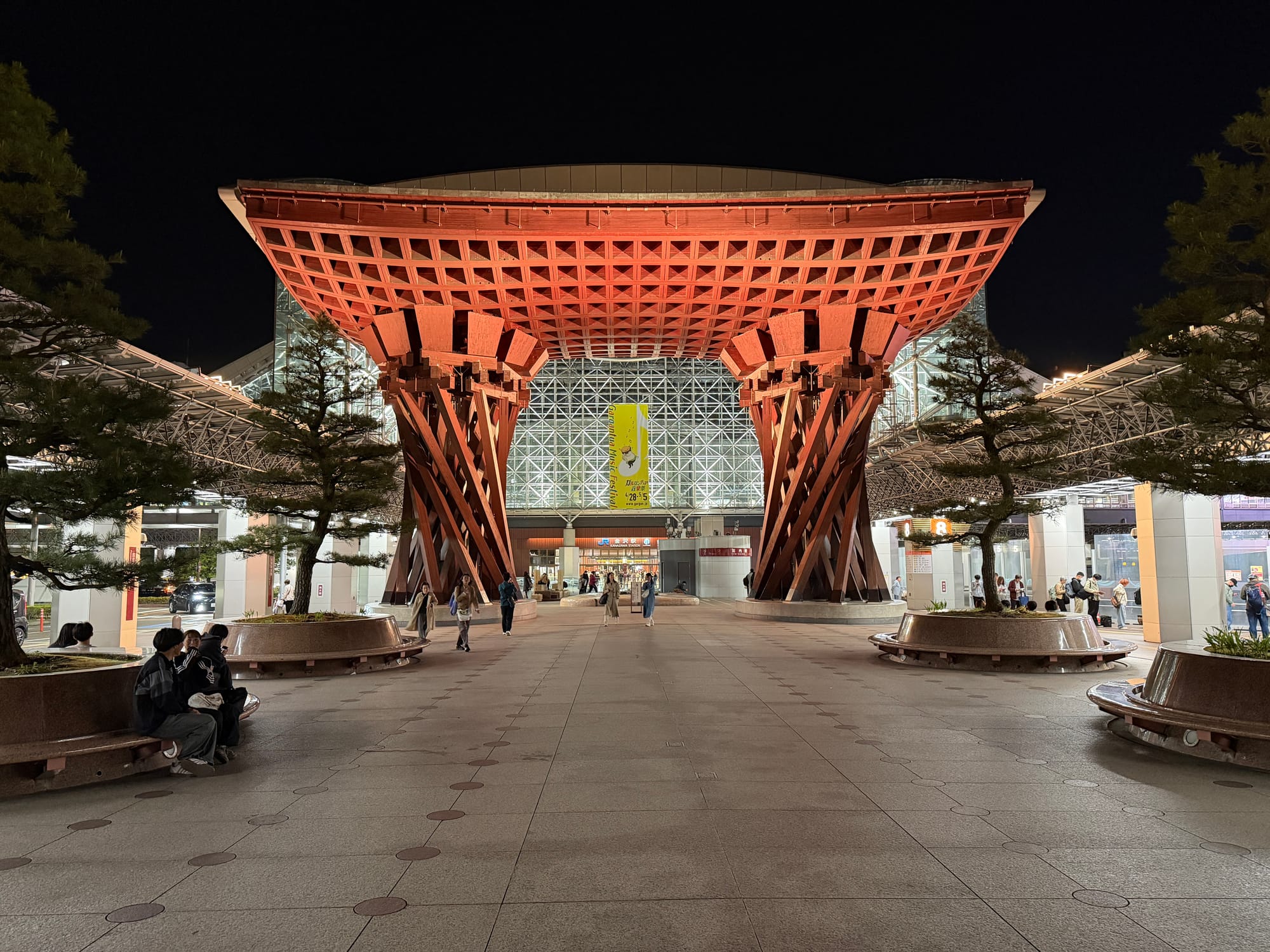
Tsukiji Market
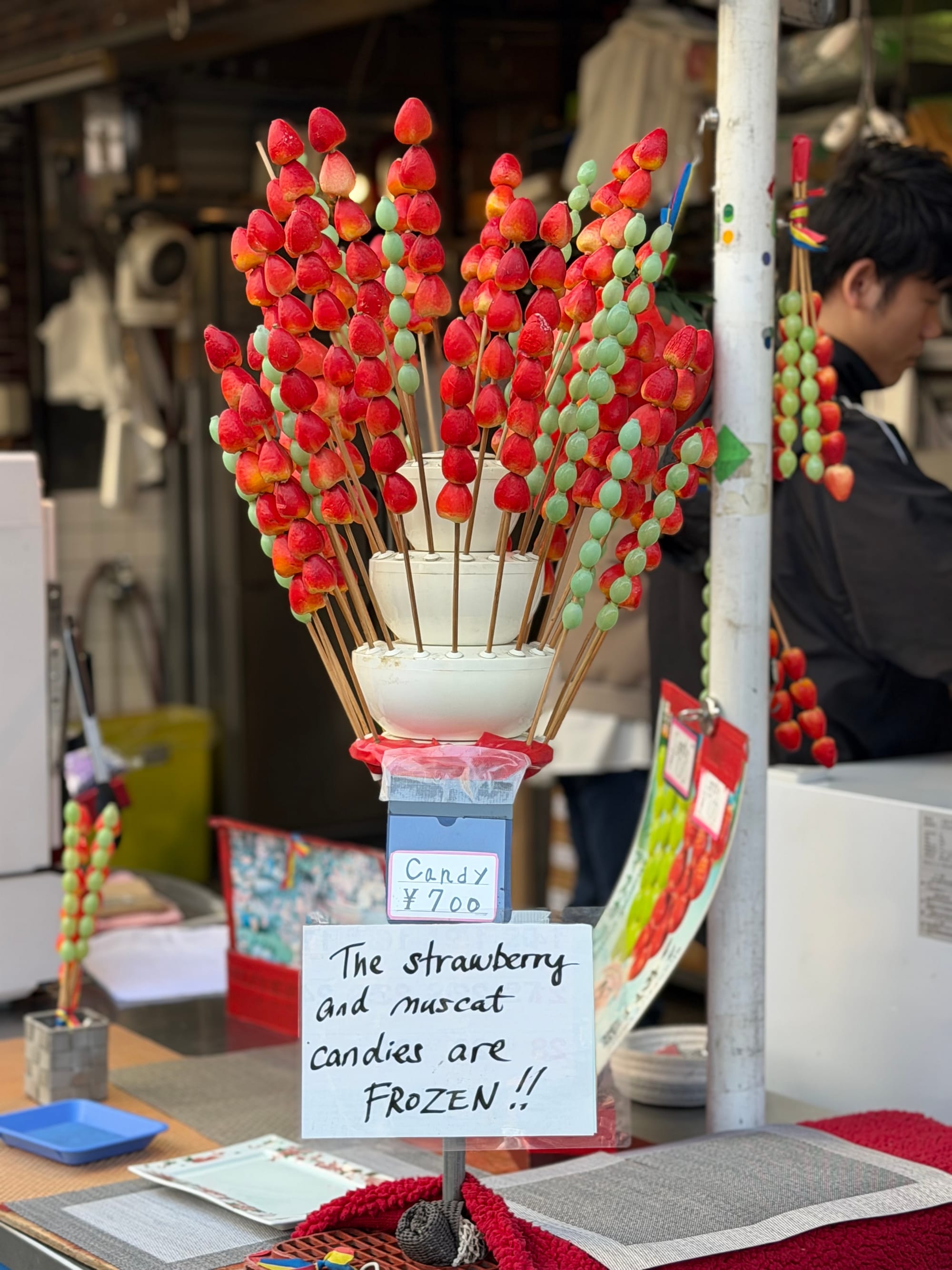
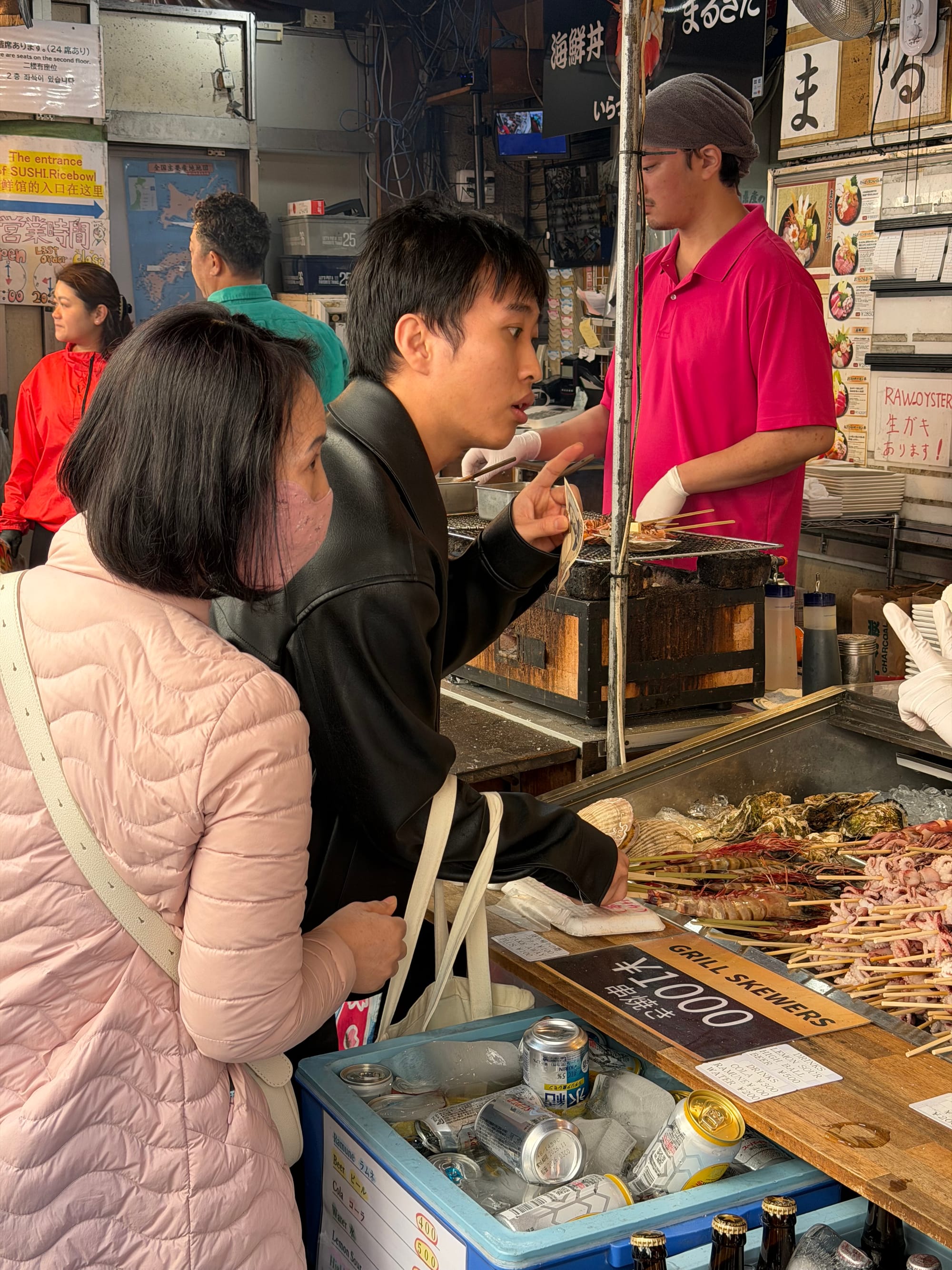
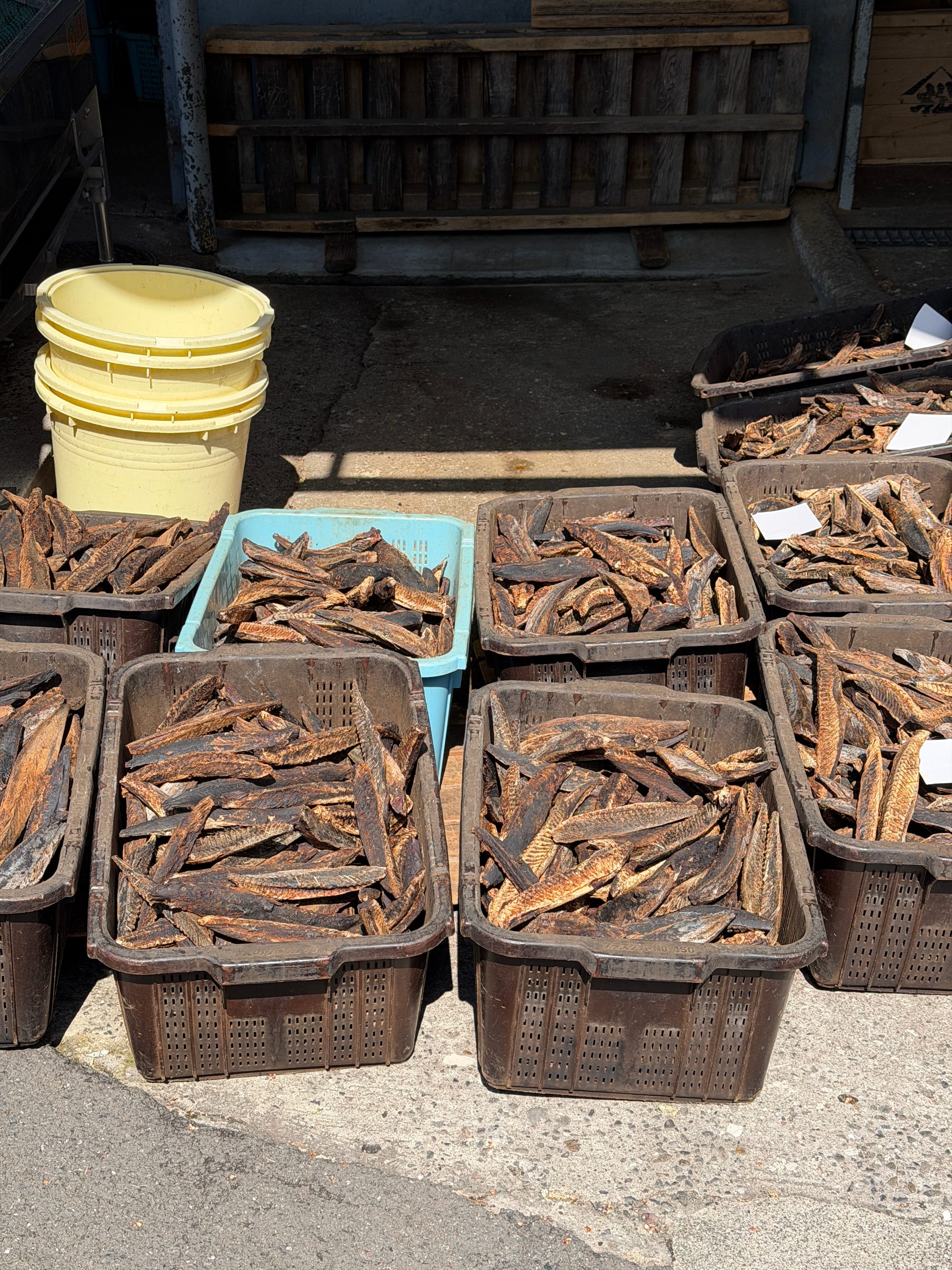
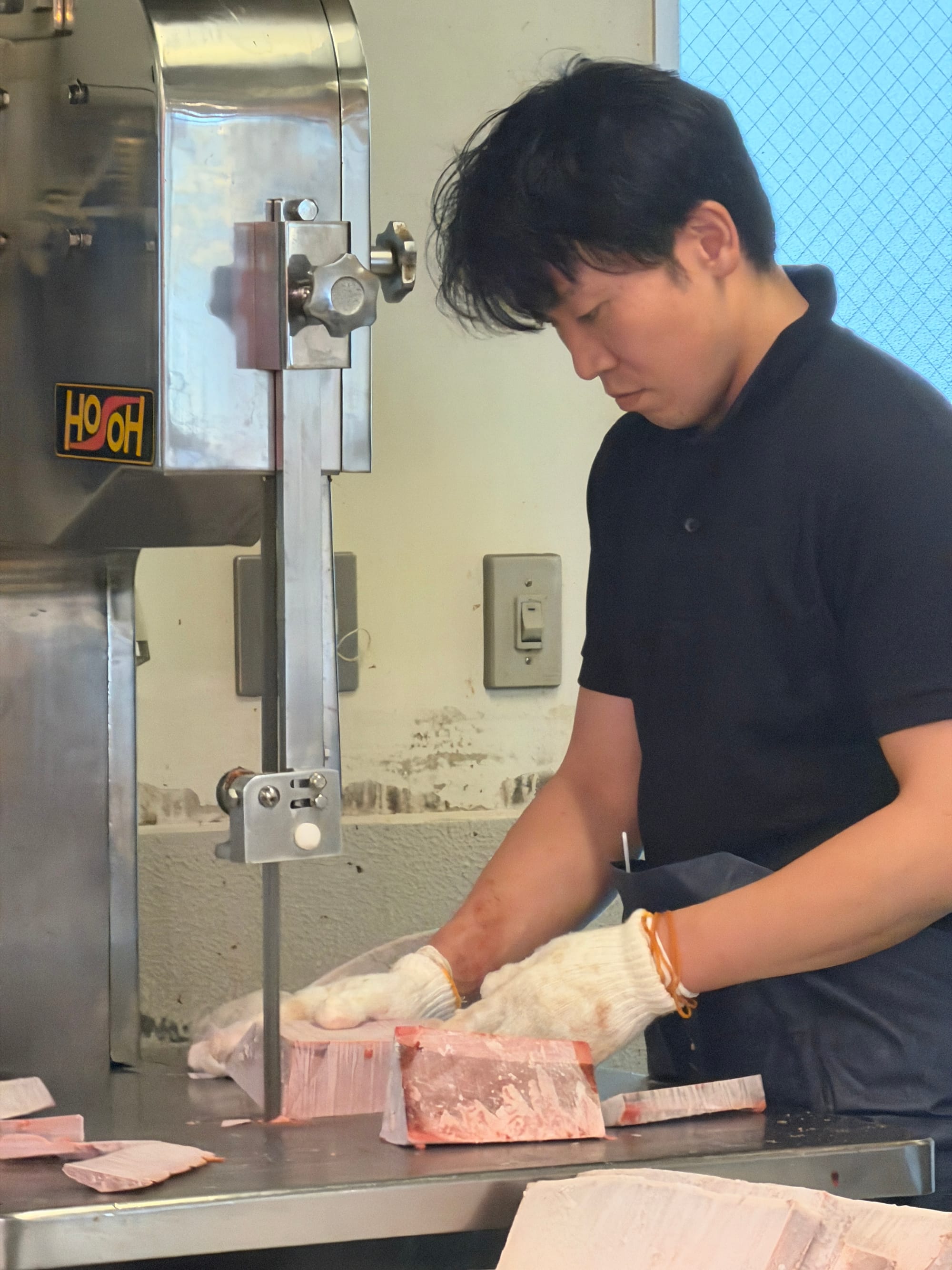
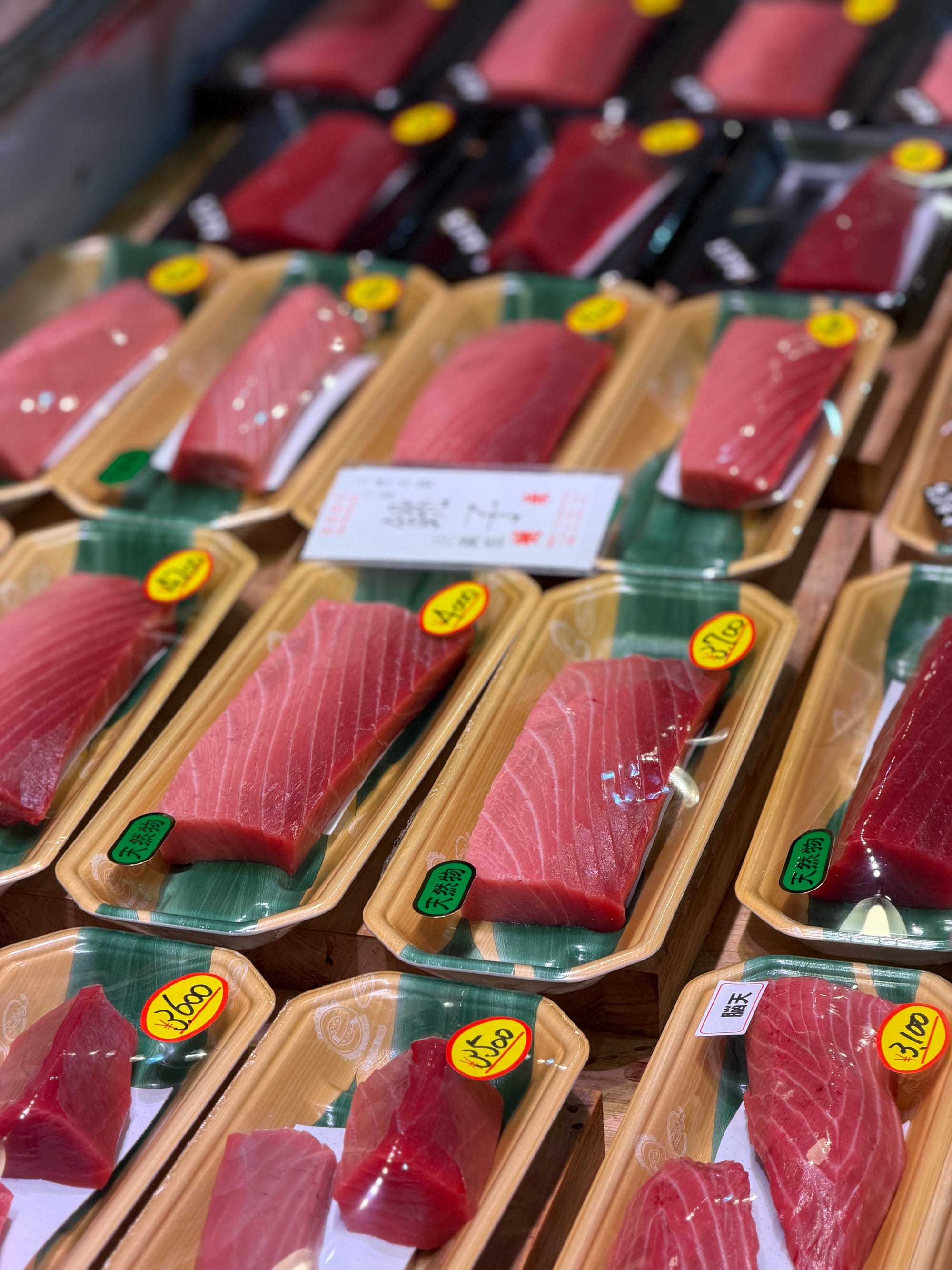
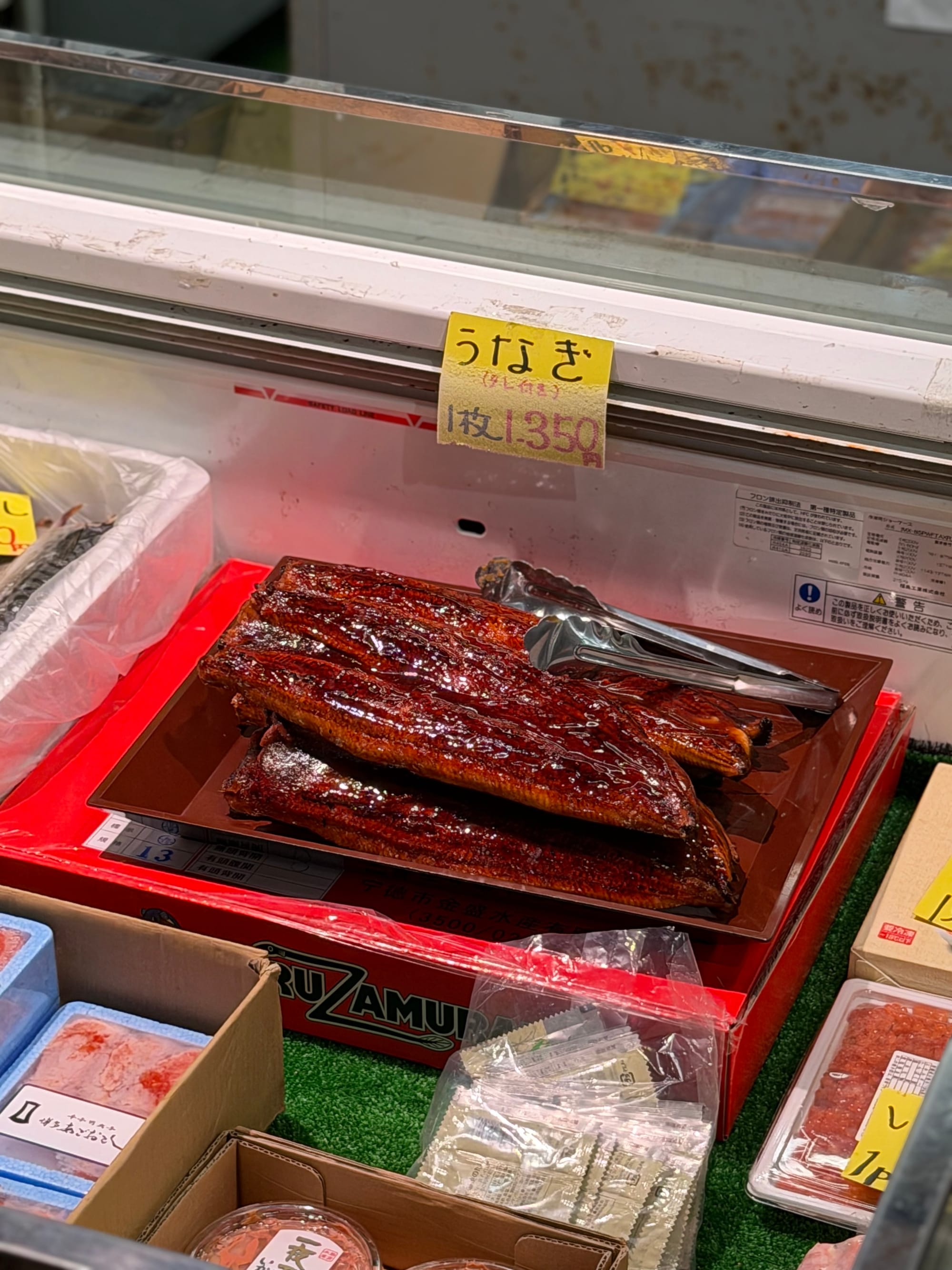
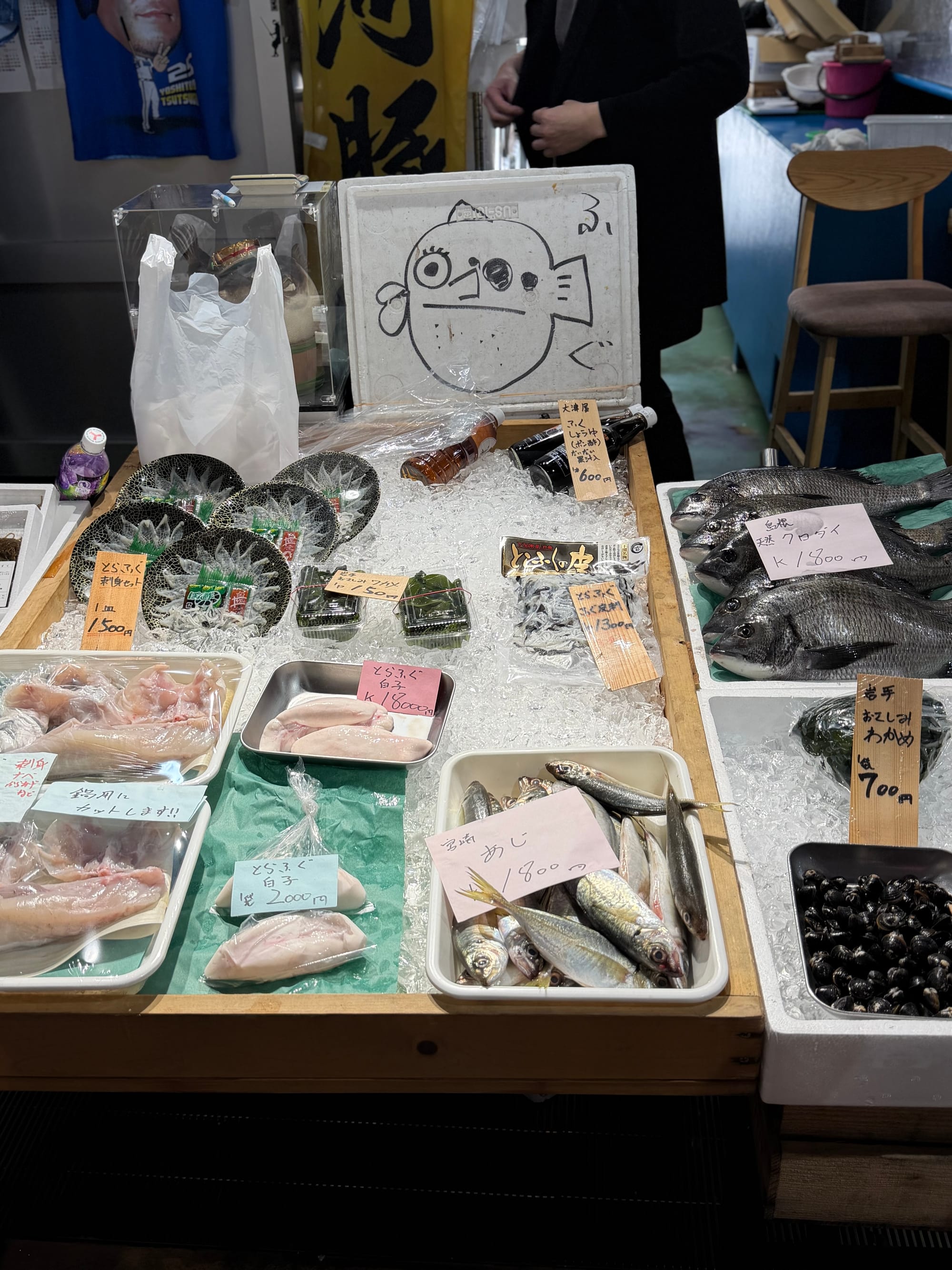
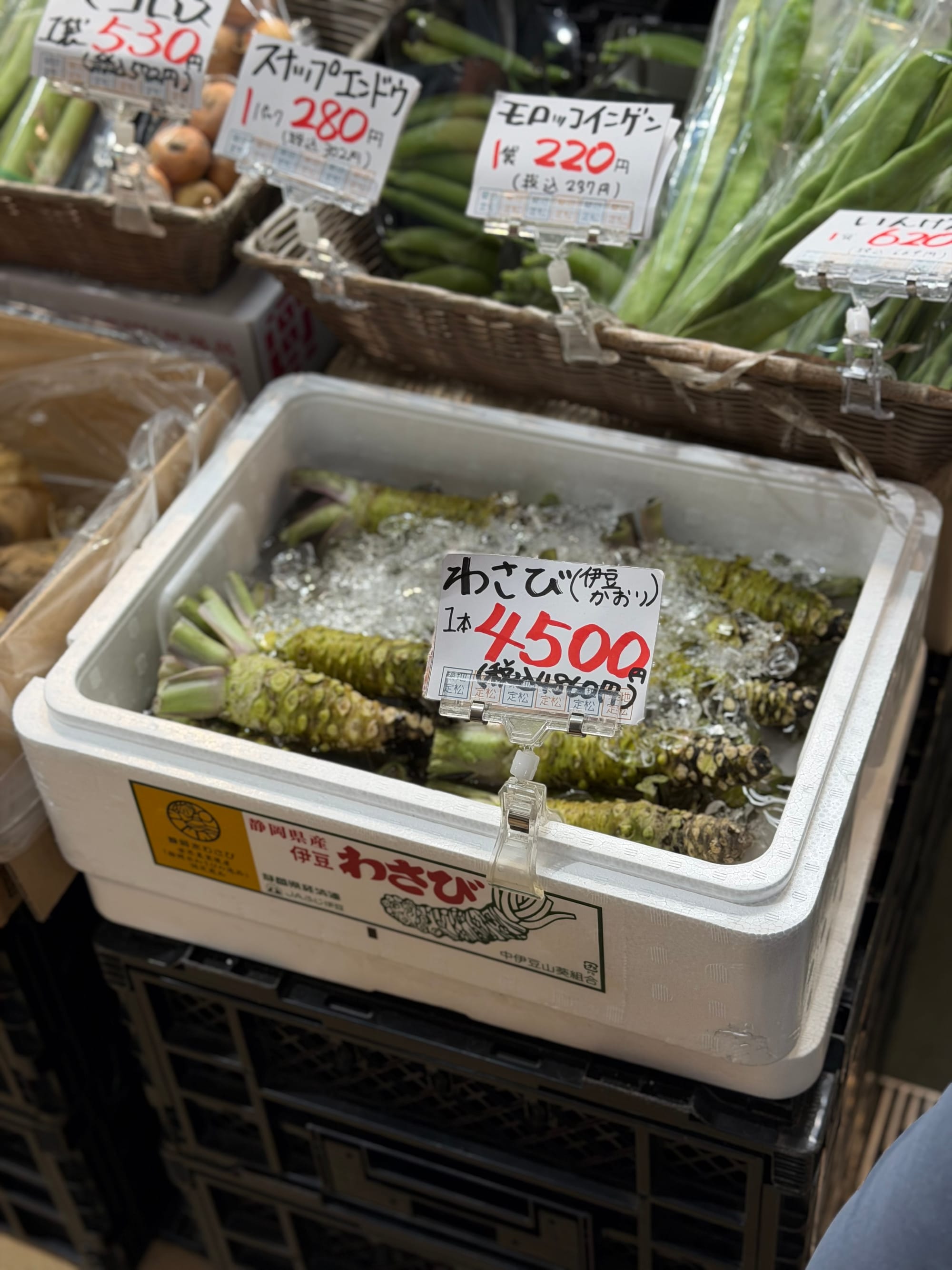
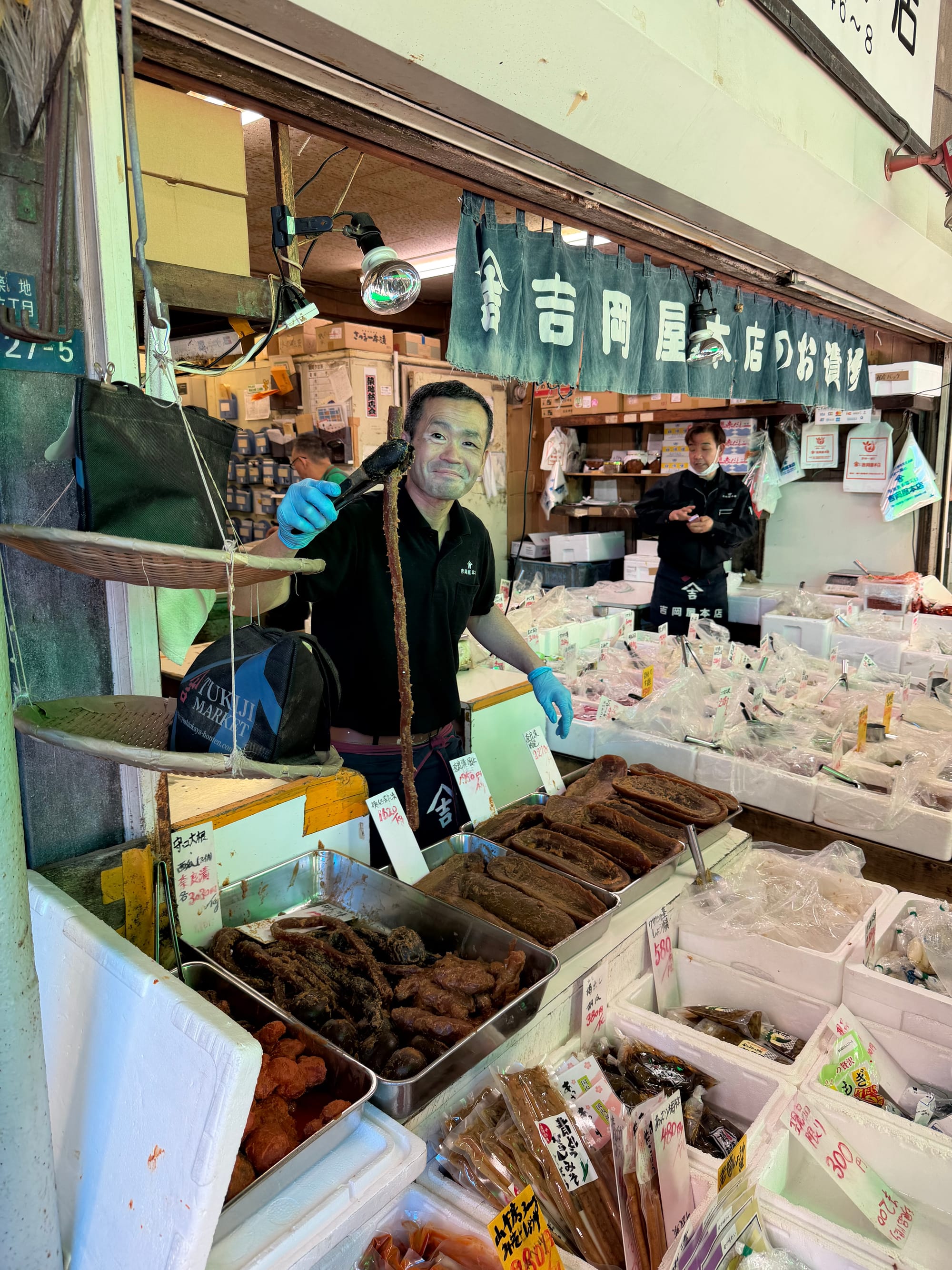
Our morning began with a metro trip to the Tsukiji Market, the former seafood market and now a major tourist attraction. The commercial seafood market recently moved to a new location. We explored the small shops selling all manner of fresh fish, meats, teas, and other local fare.
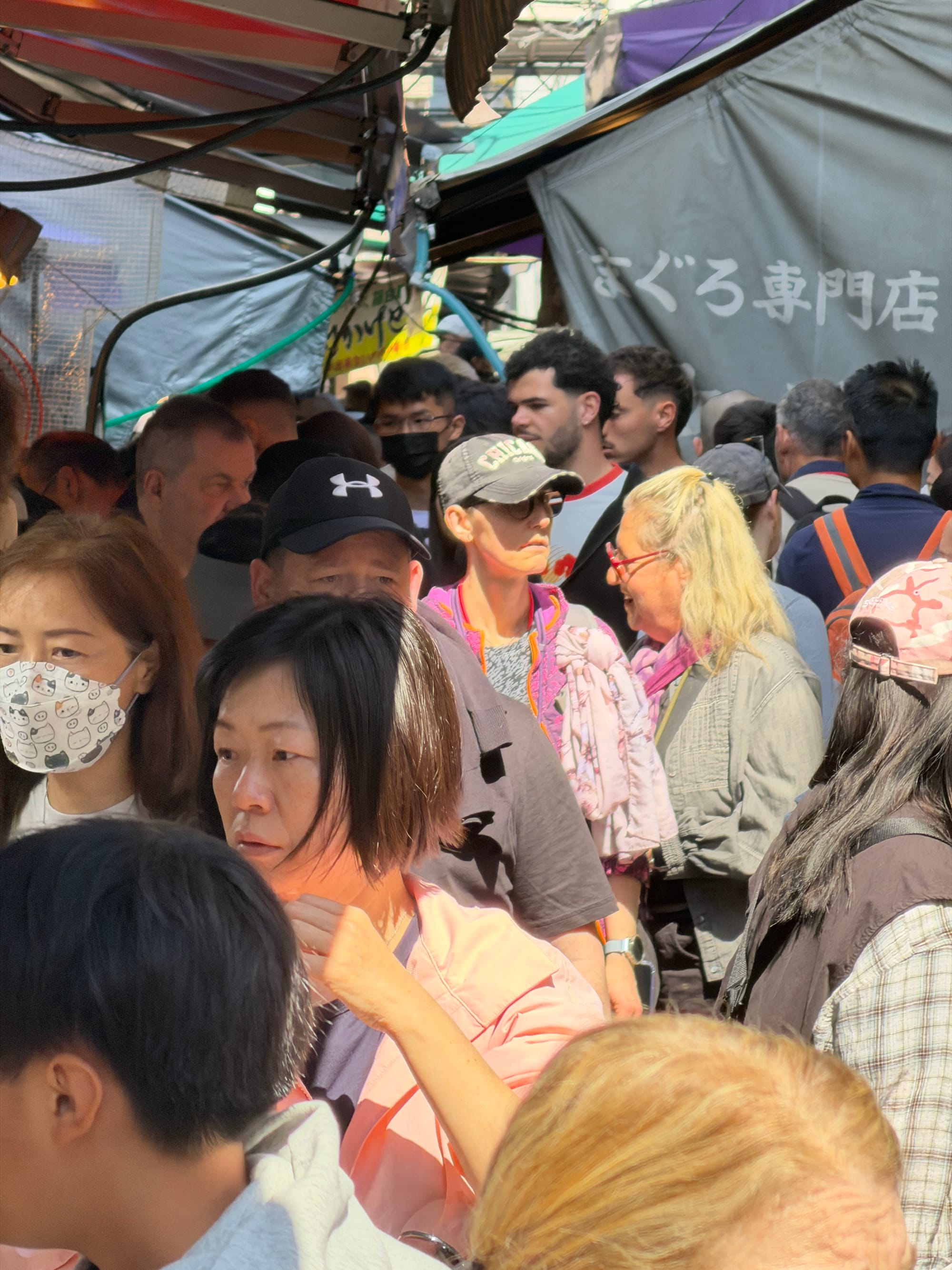
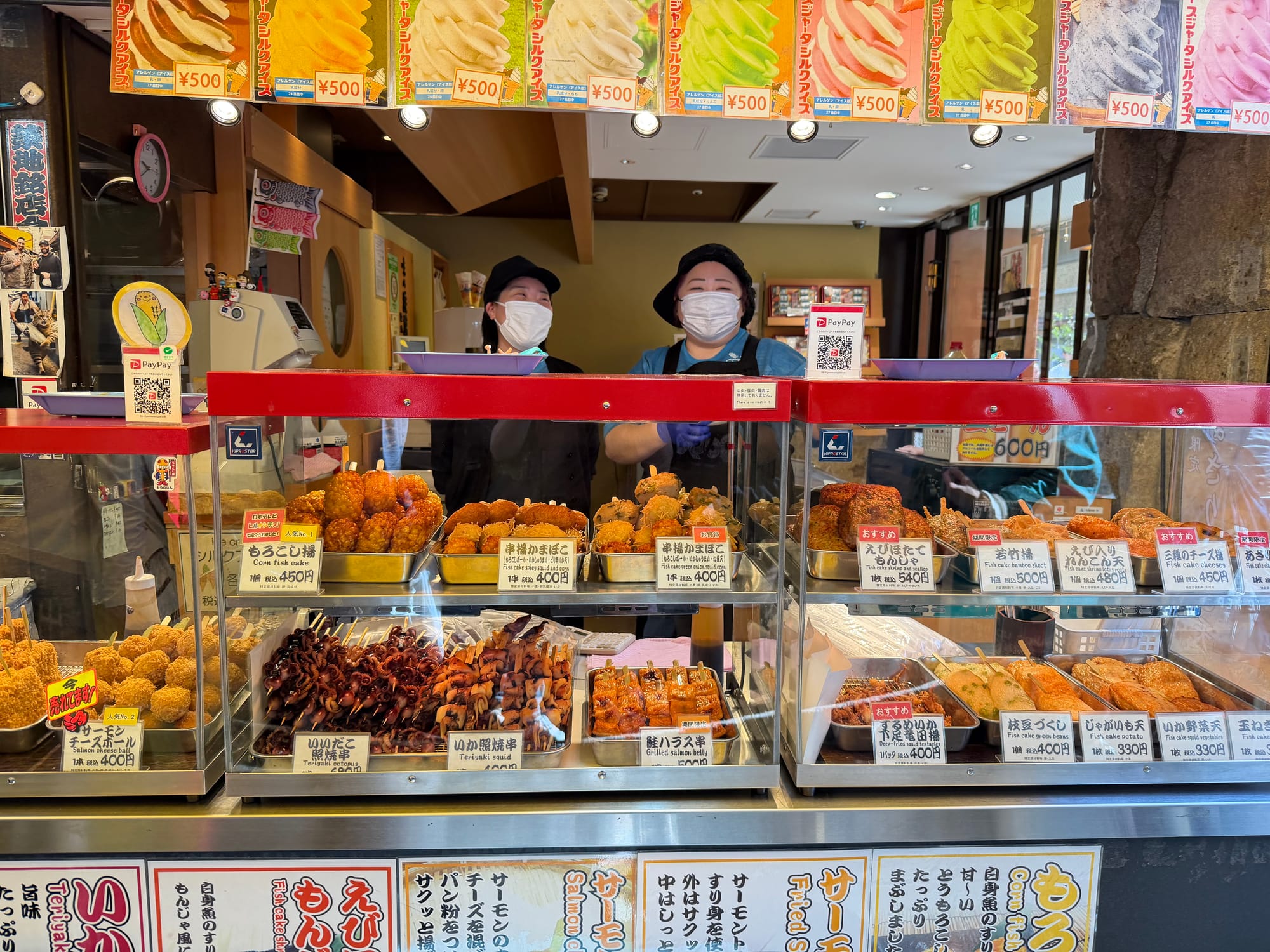
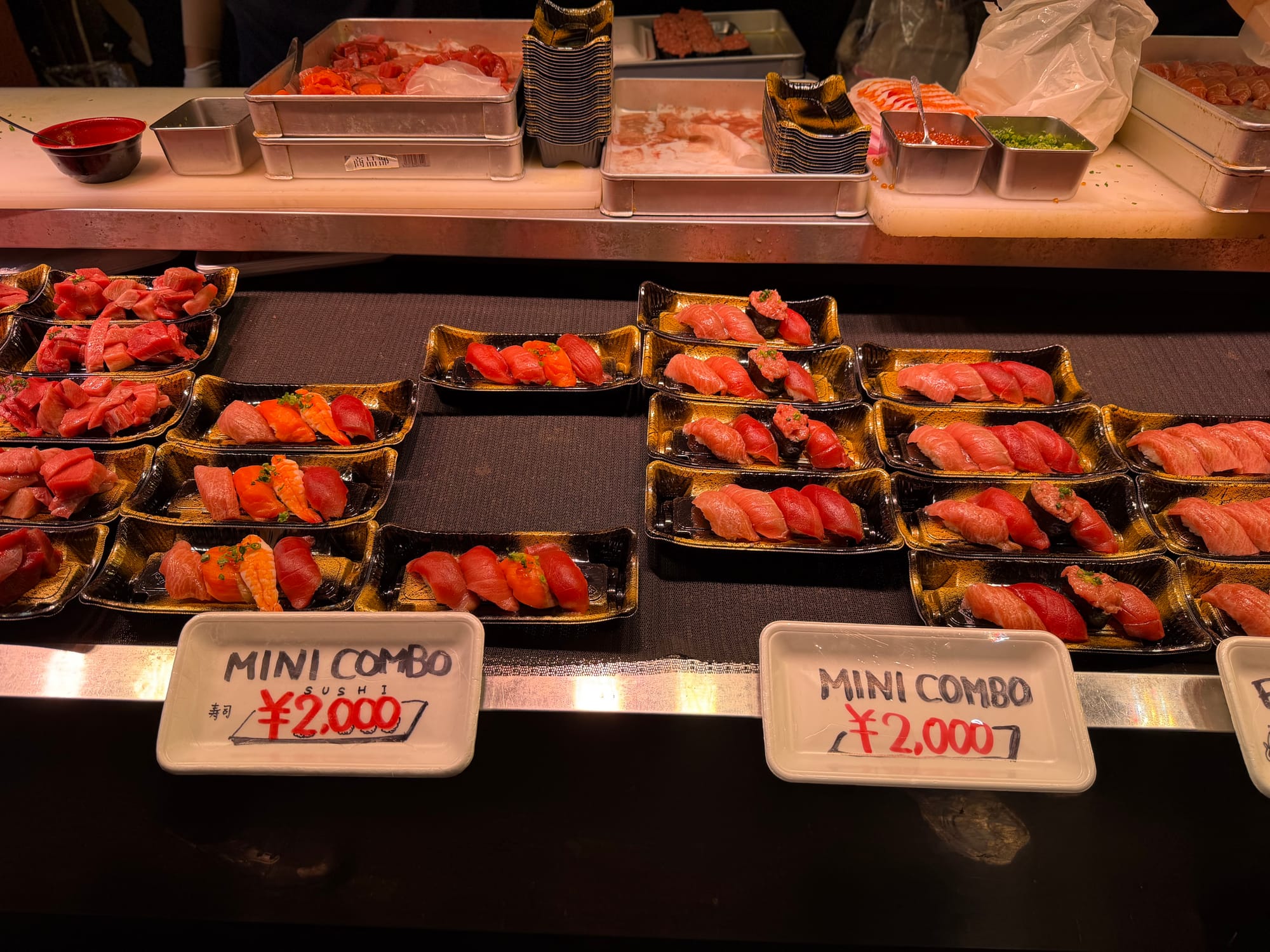
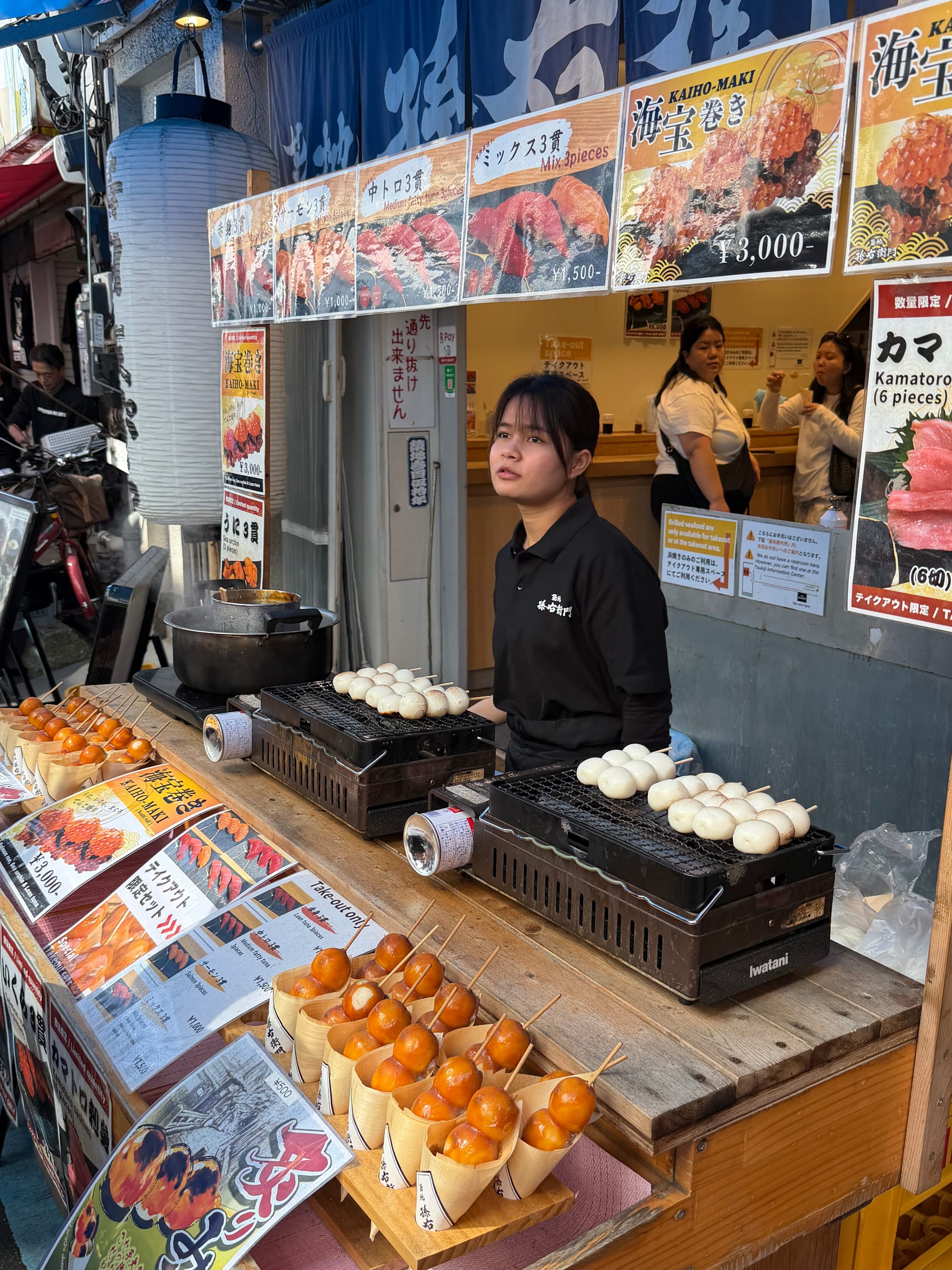
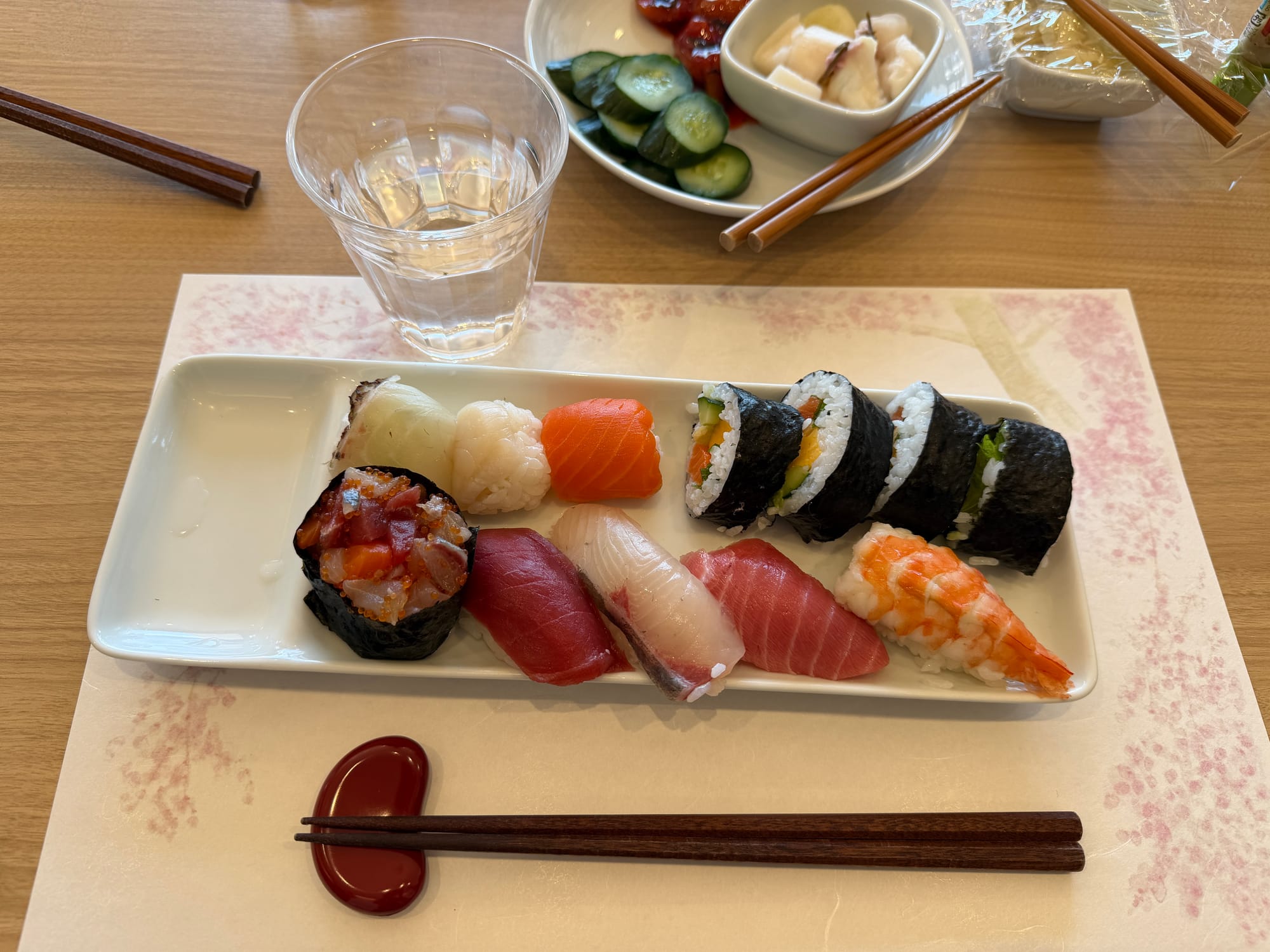
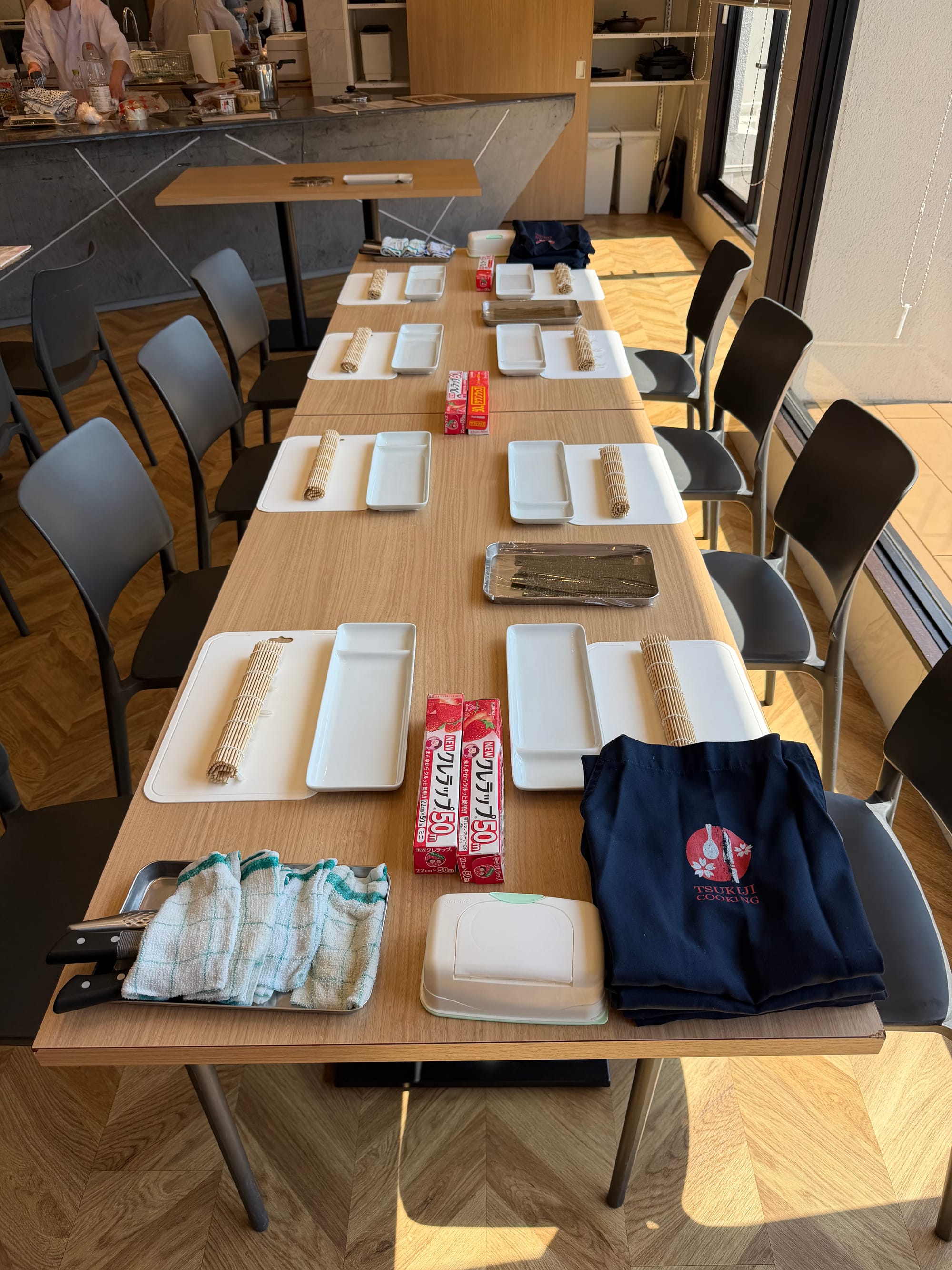
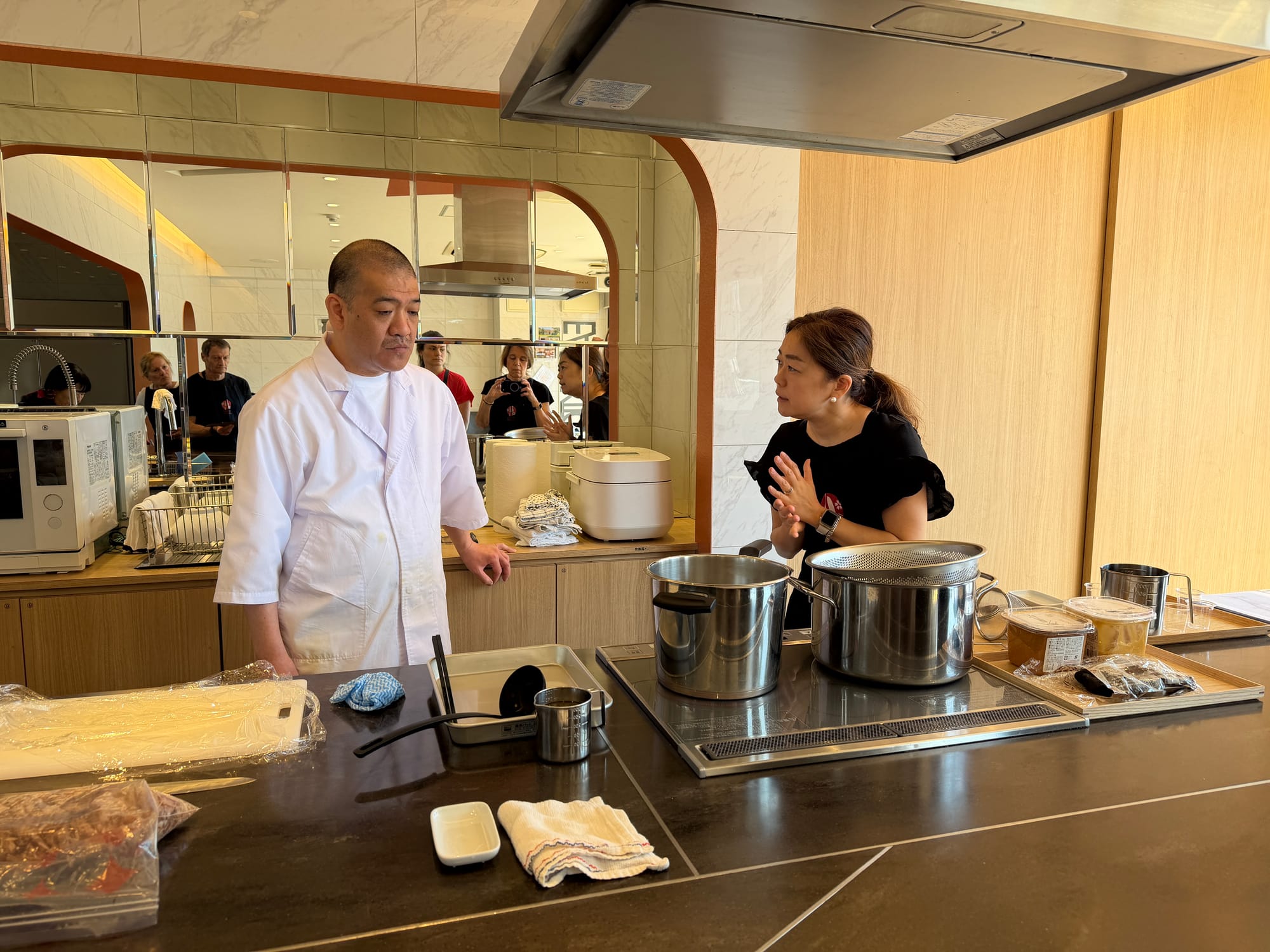
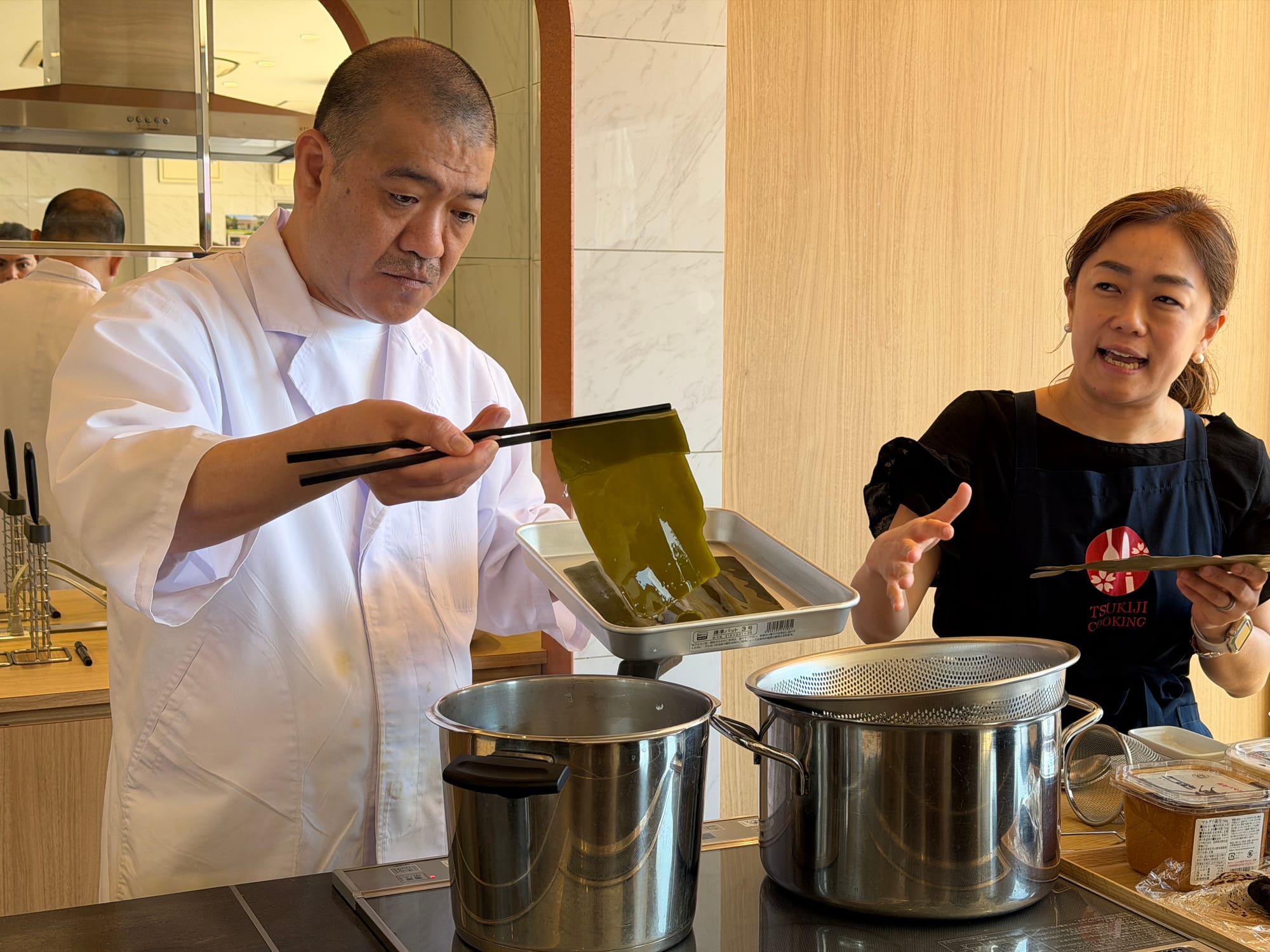
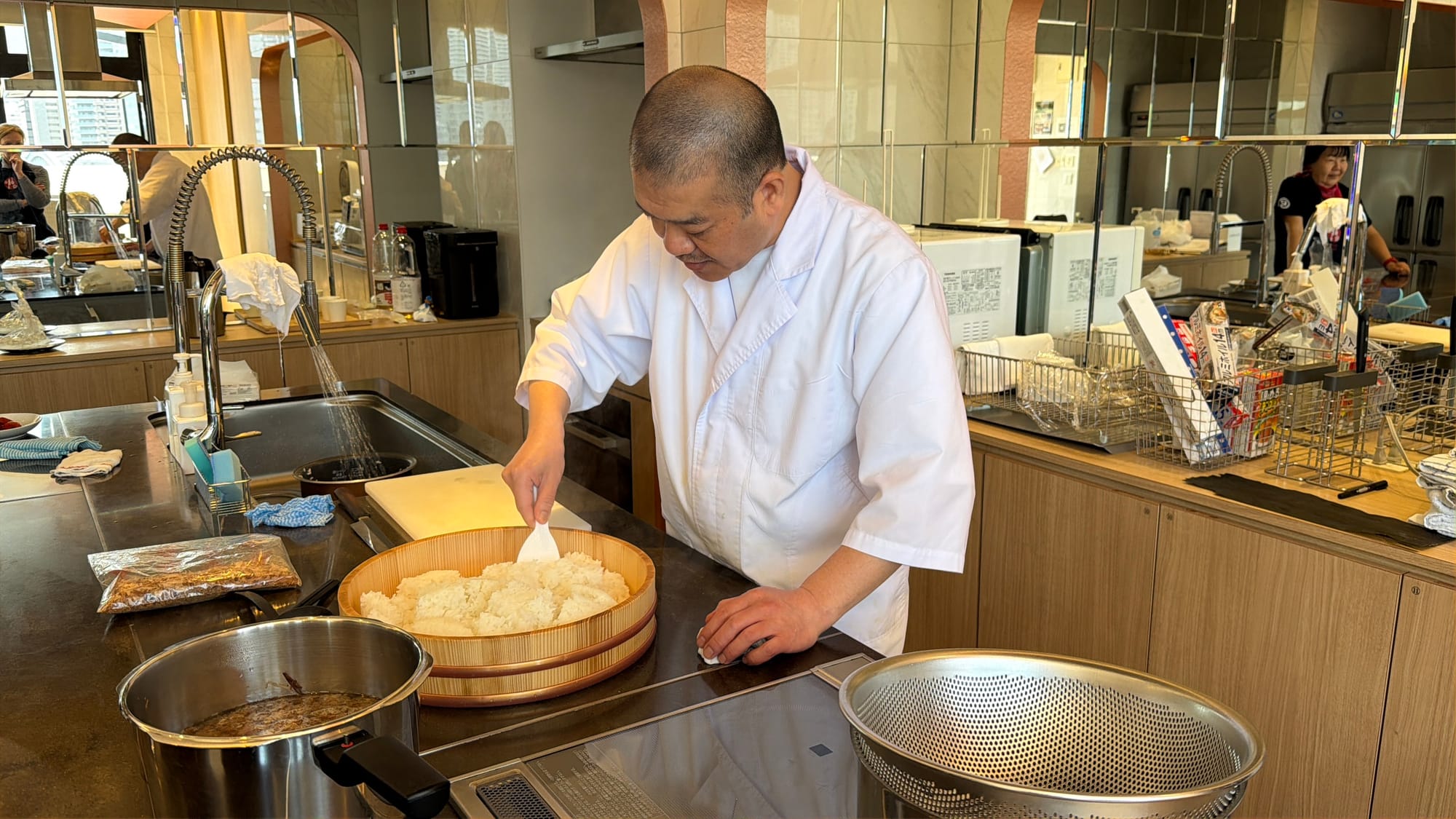
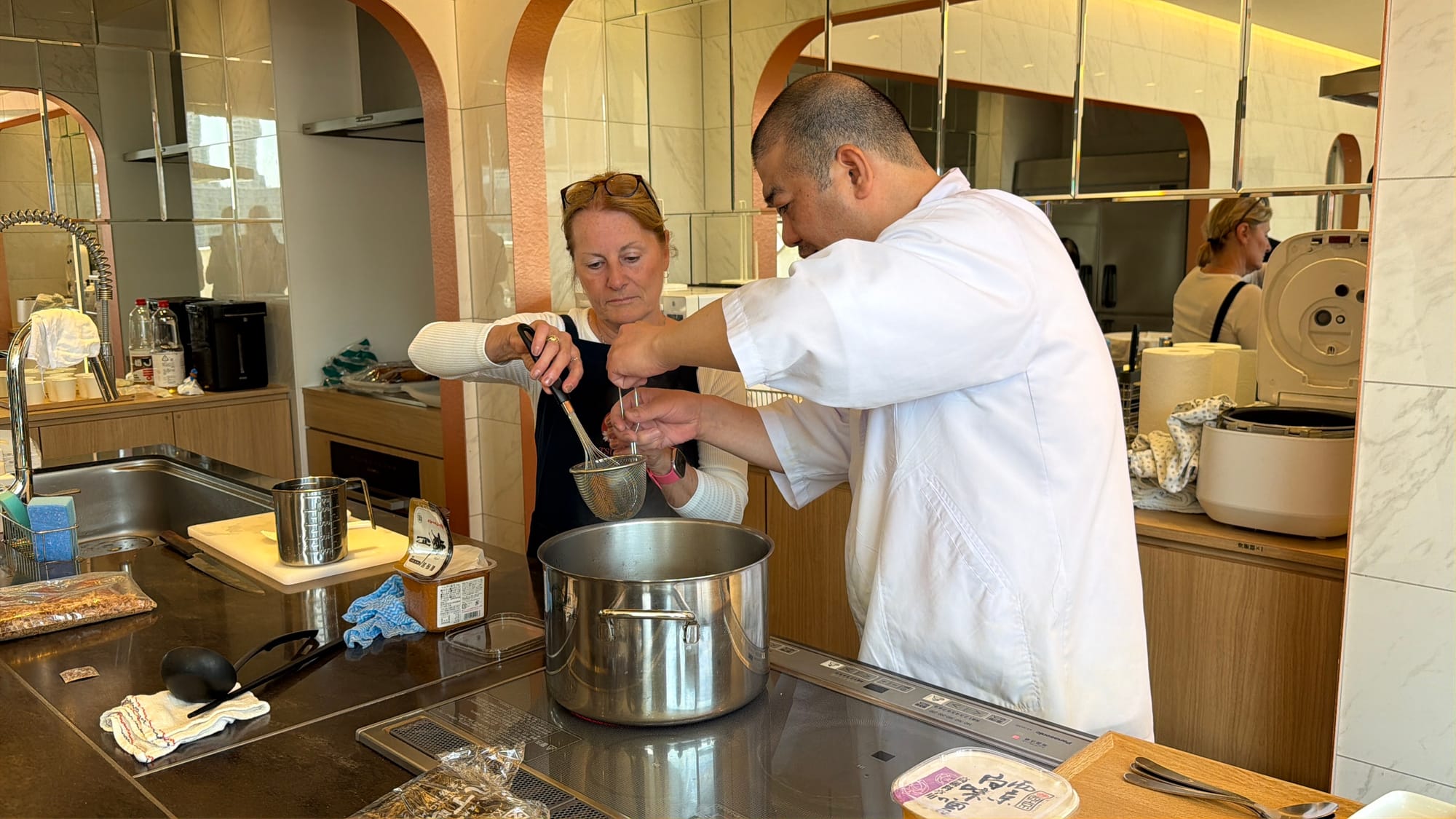
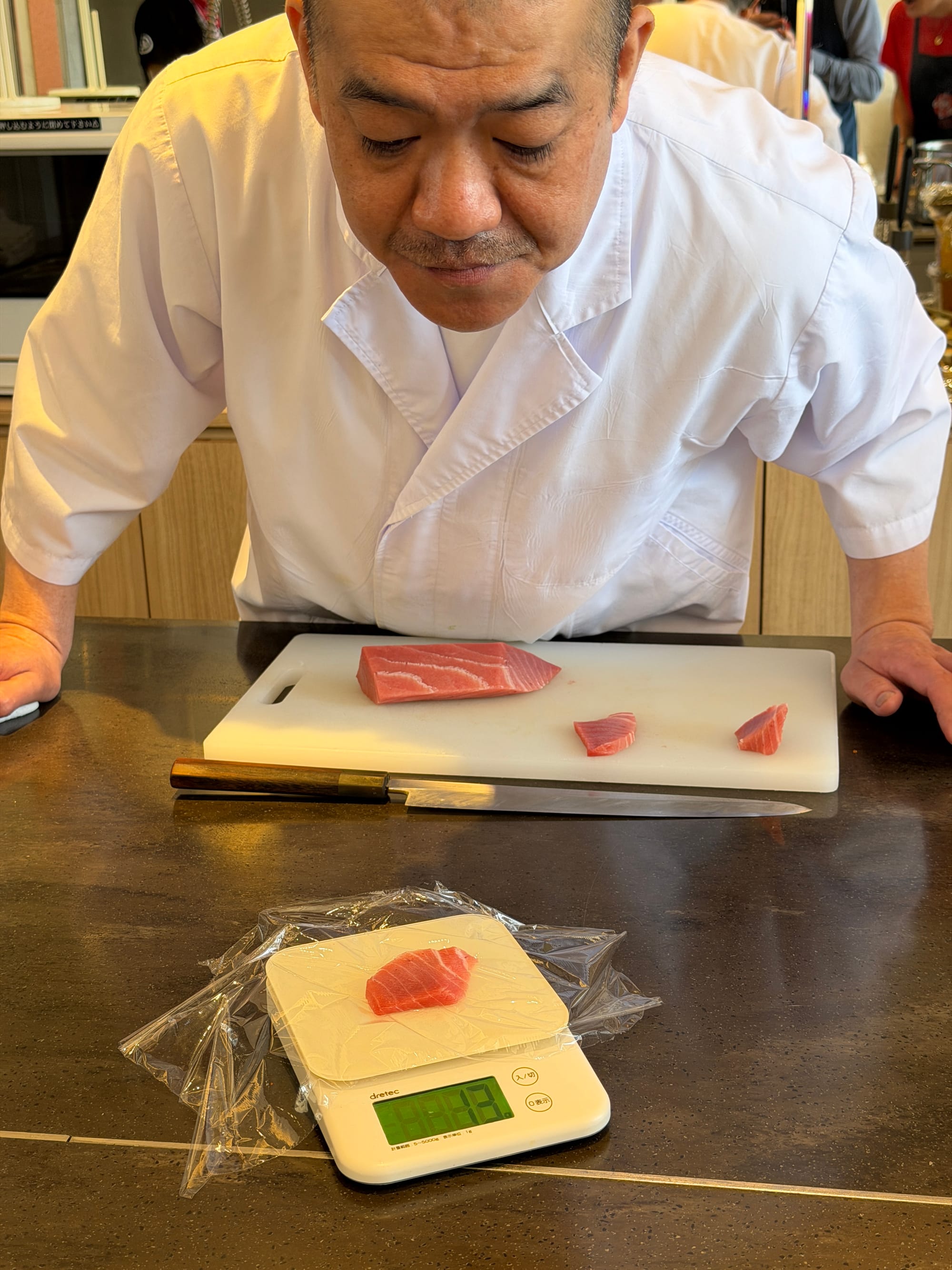
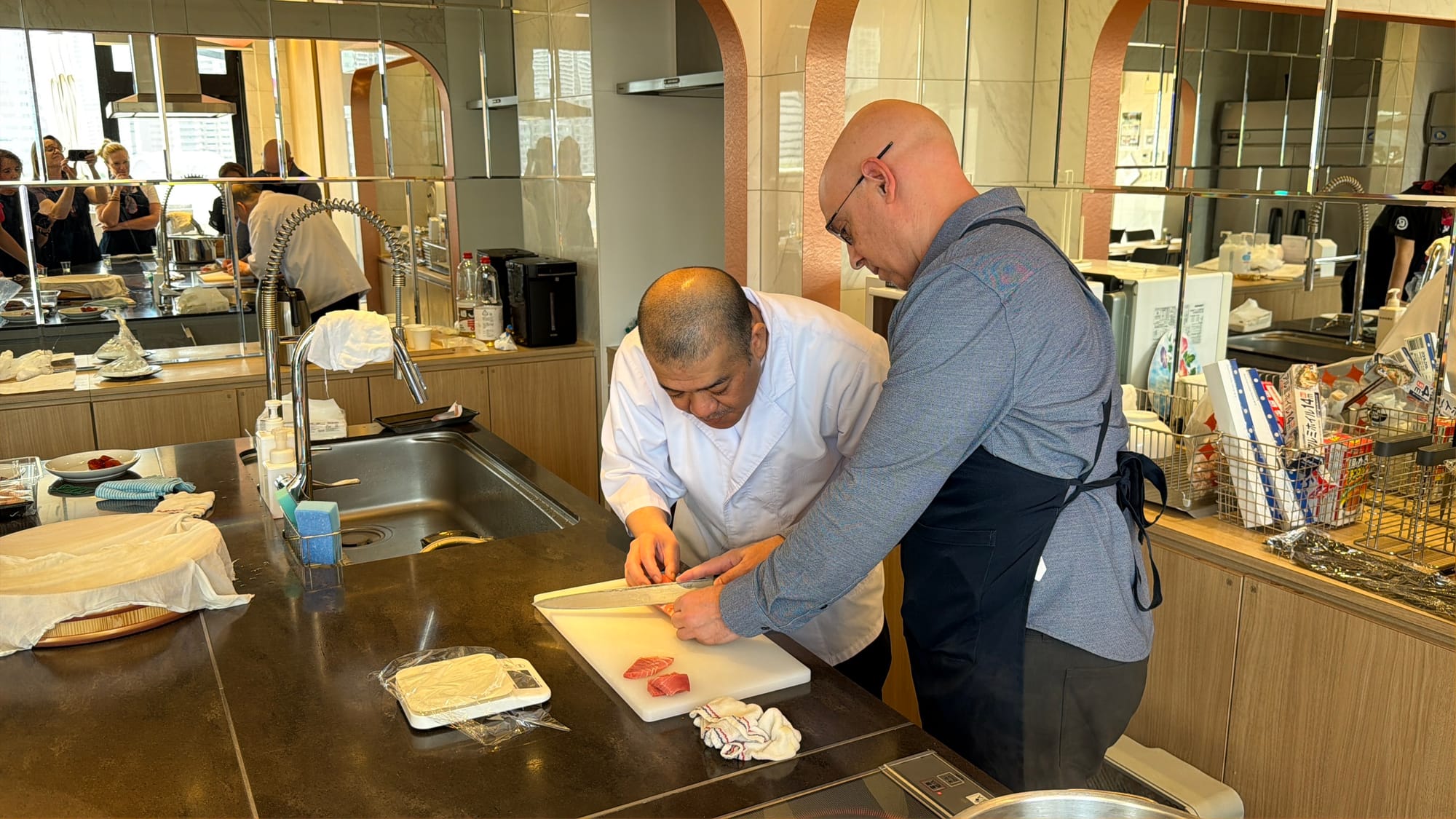
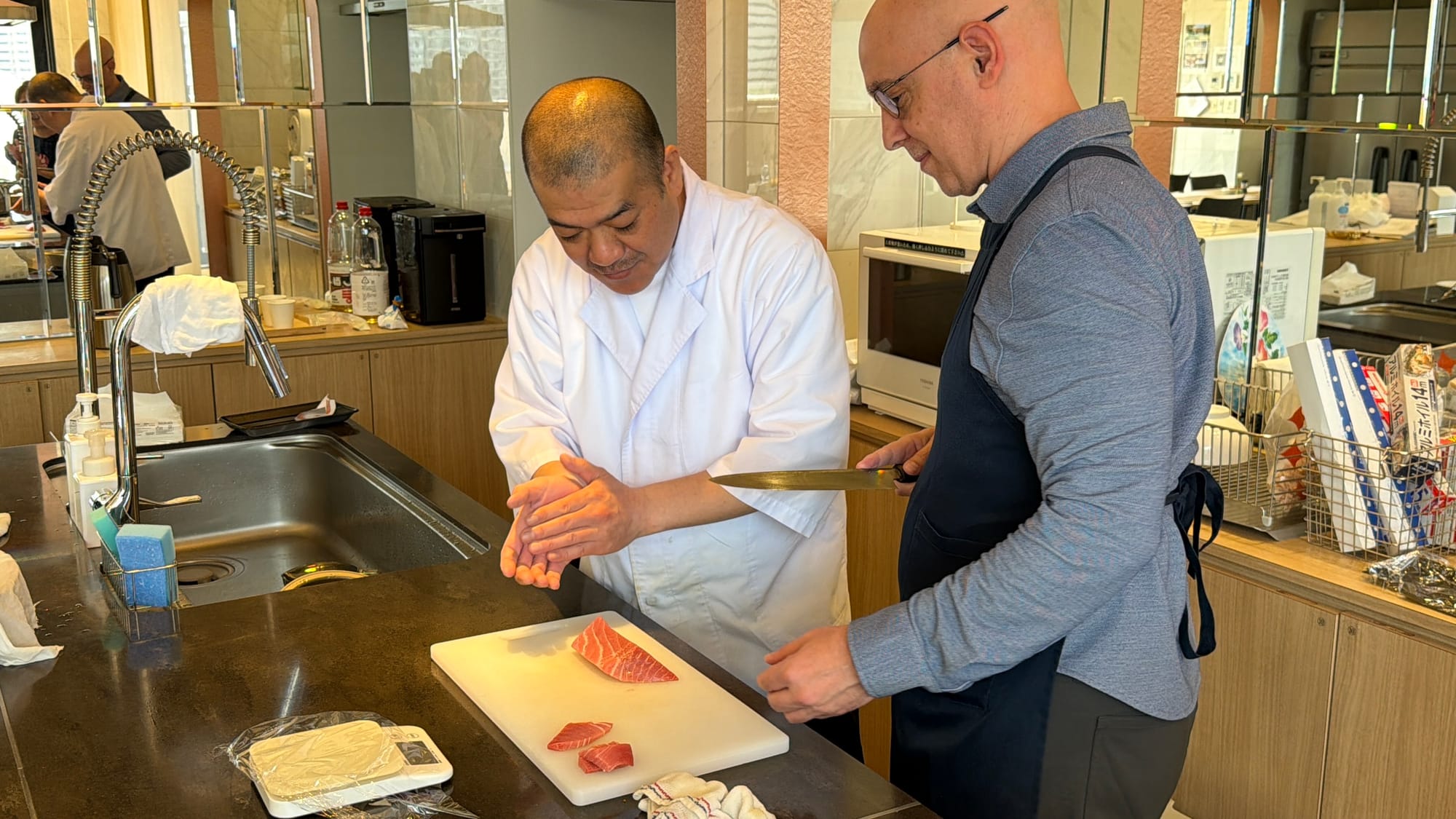
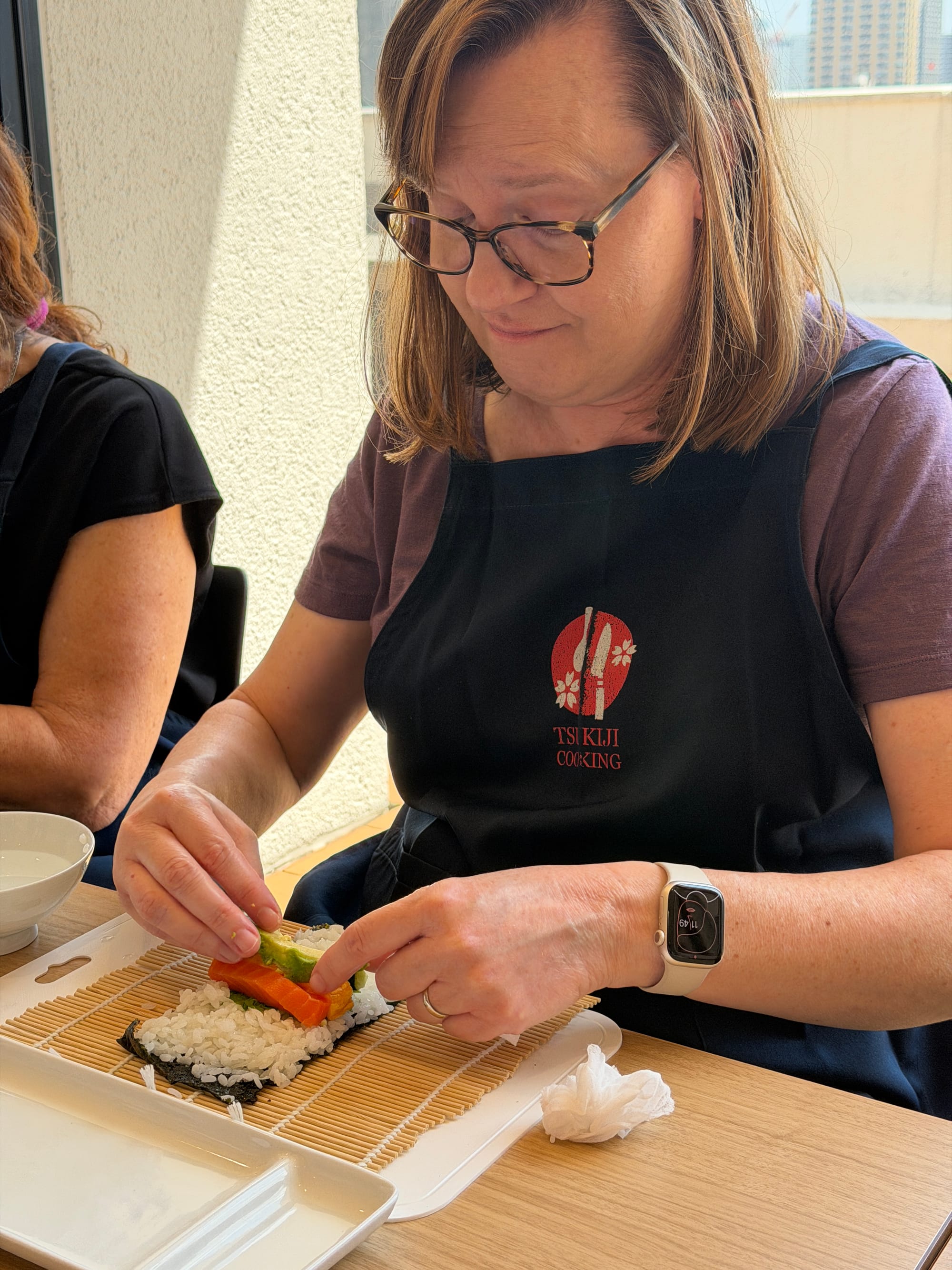
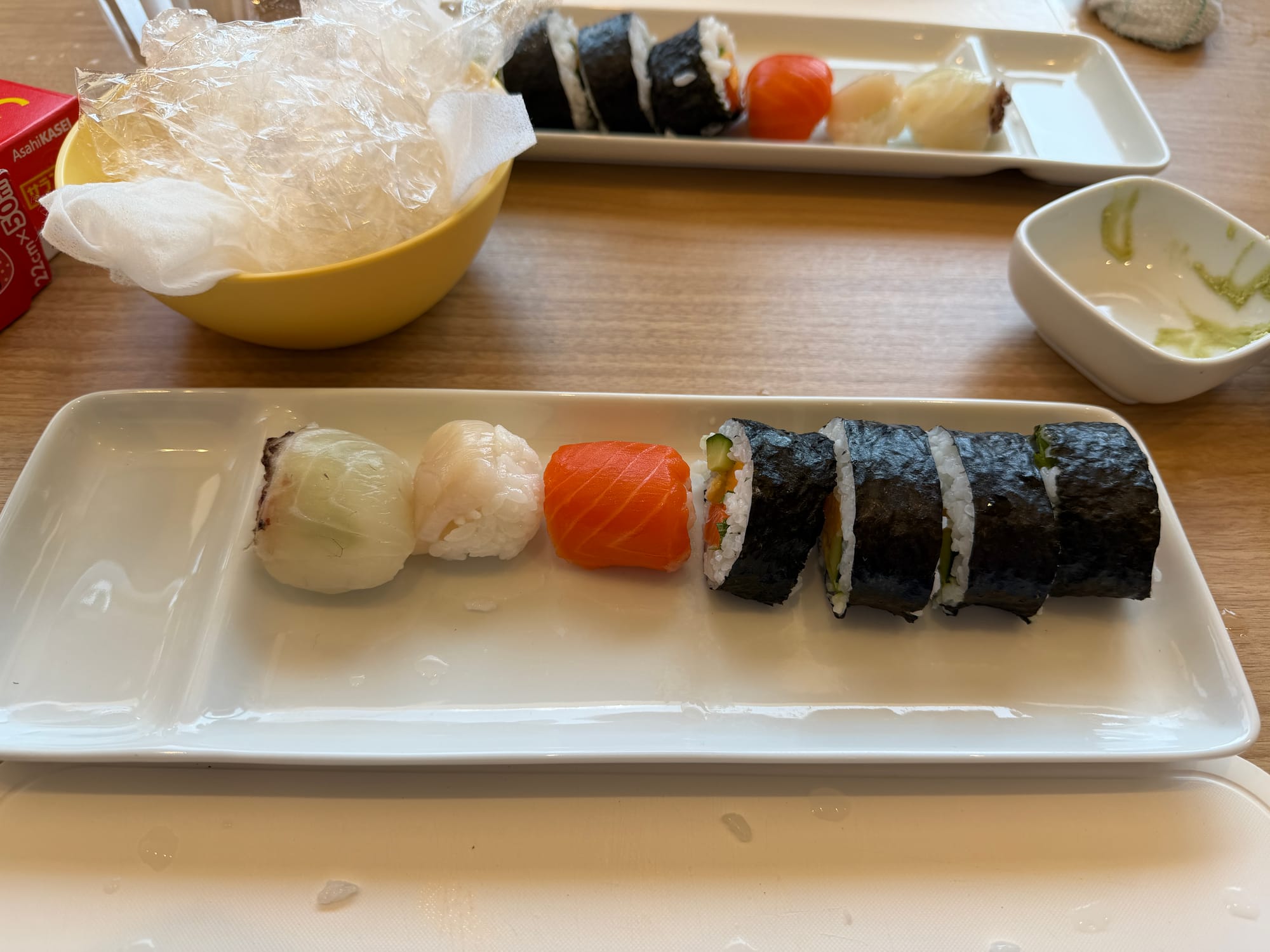
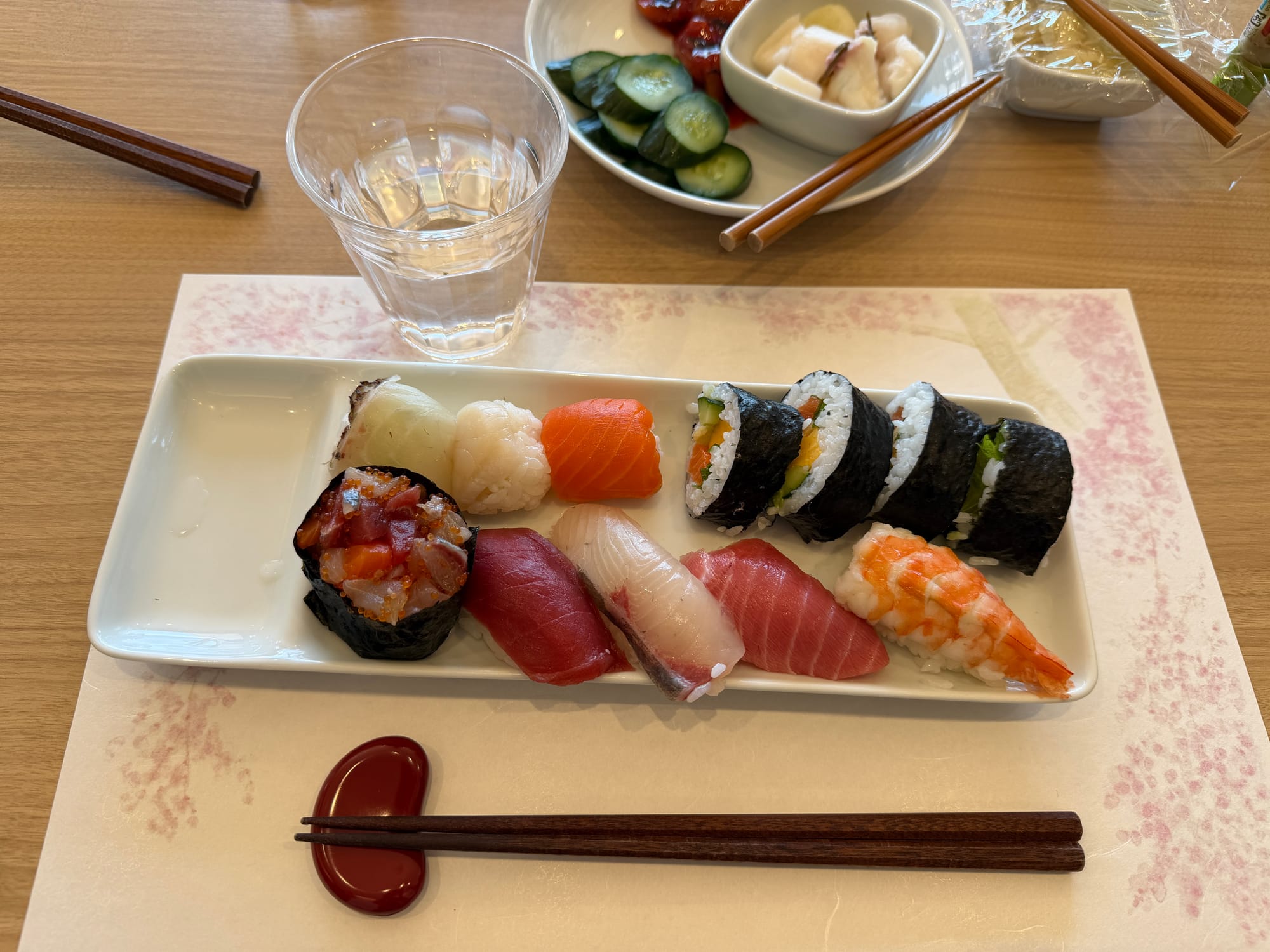
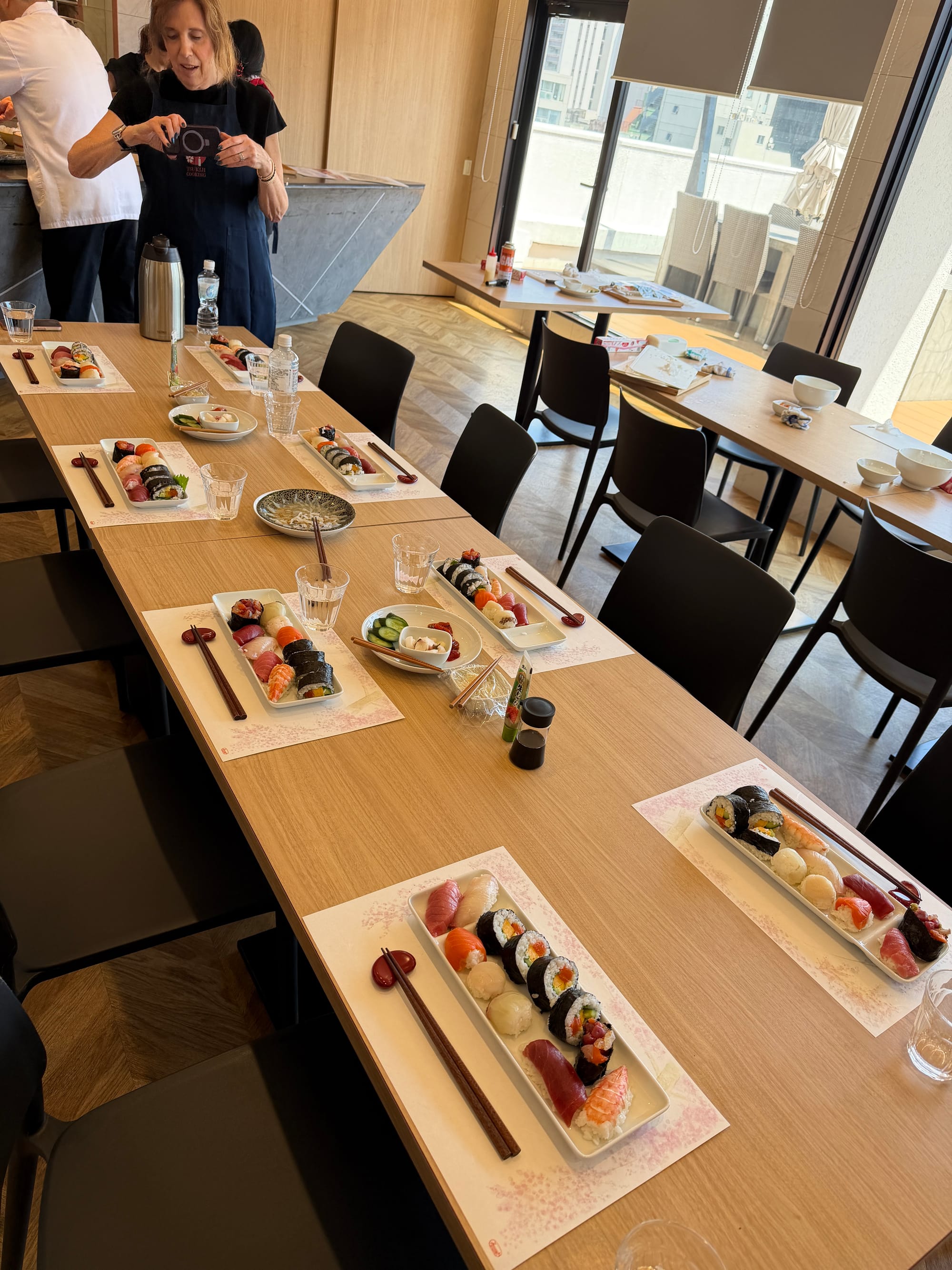
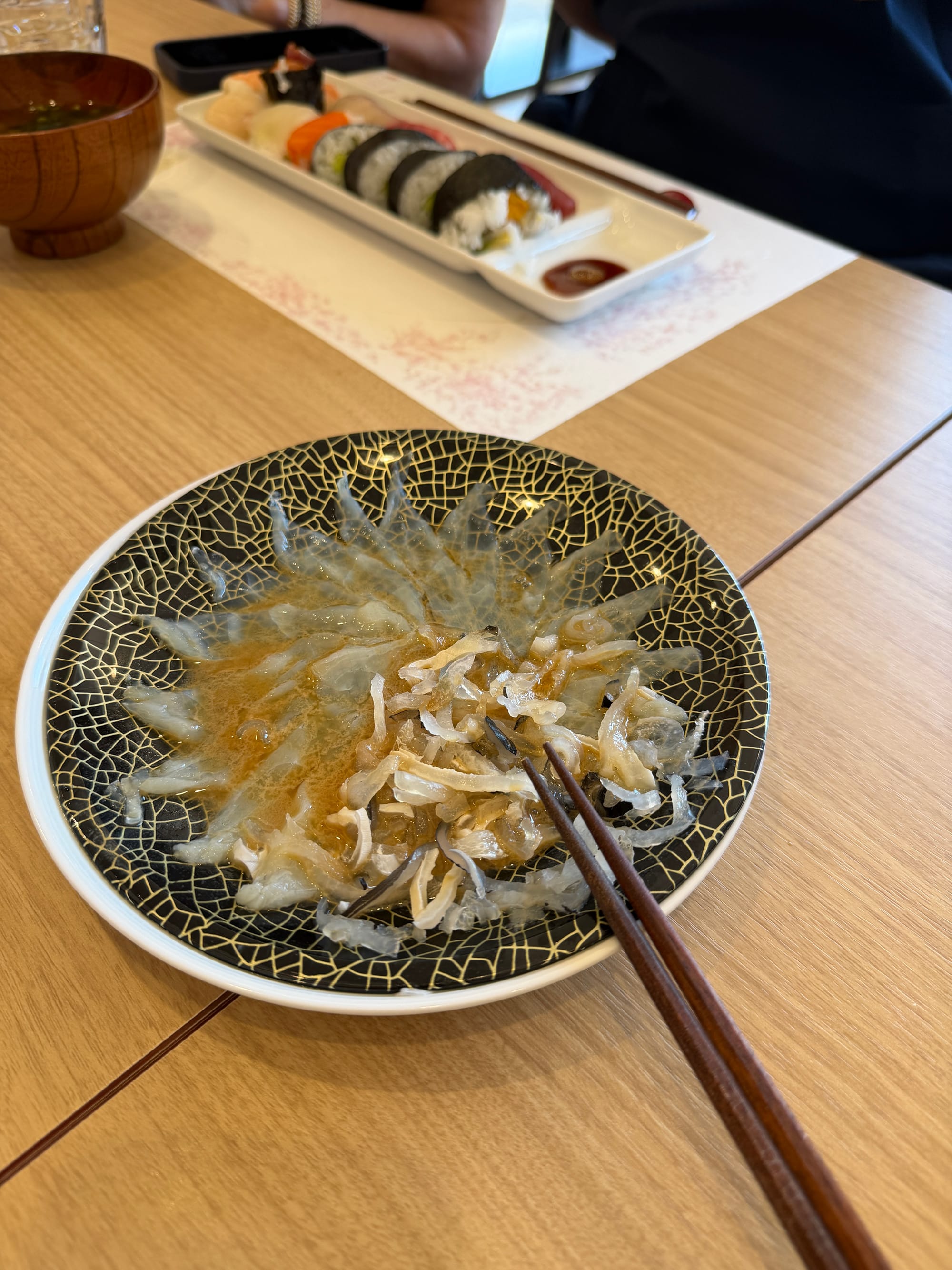
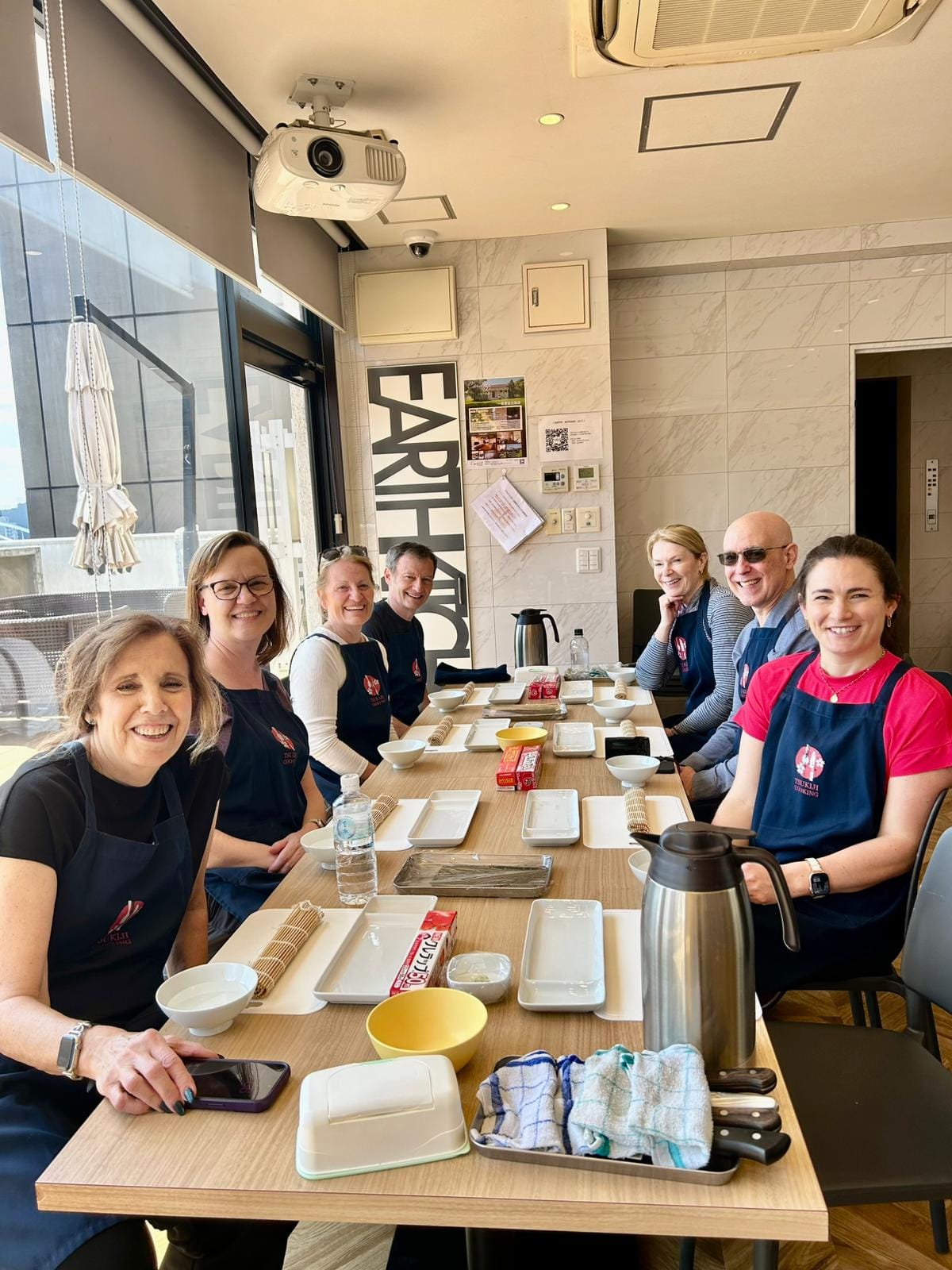
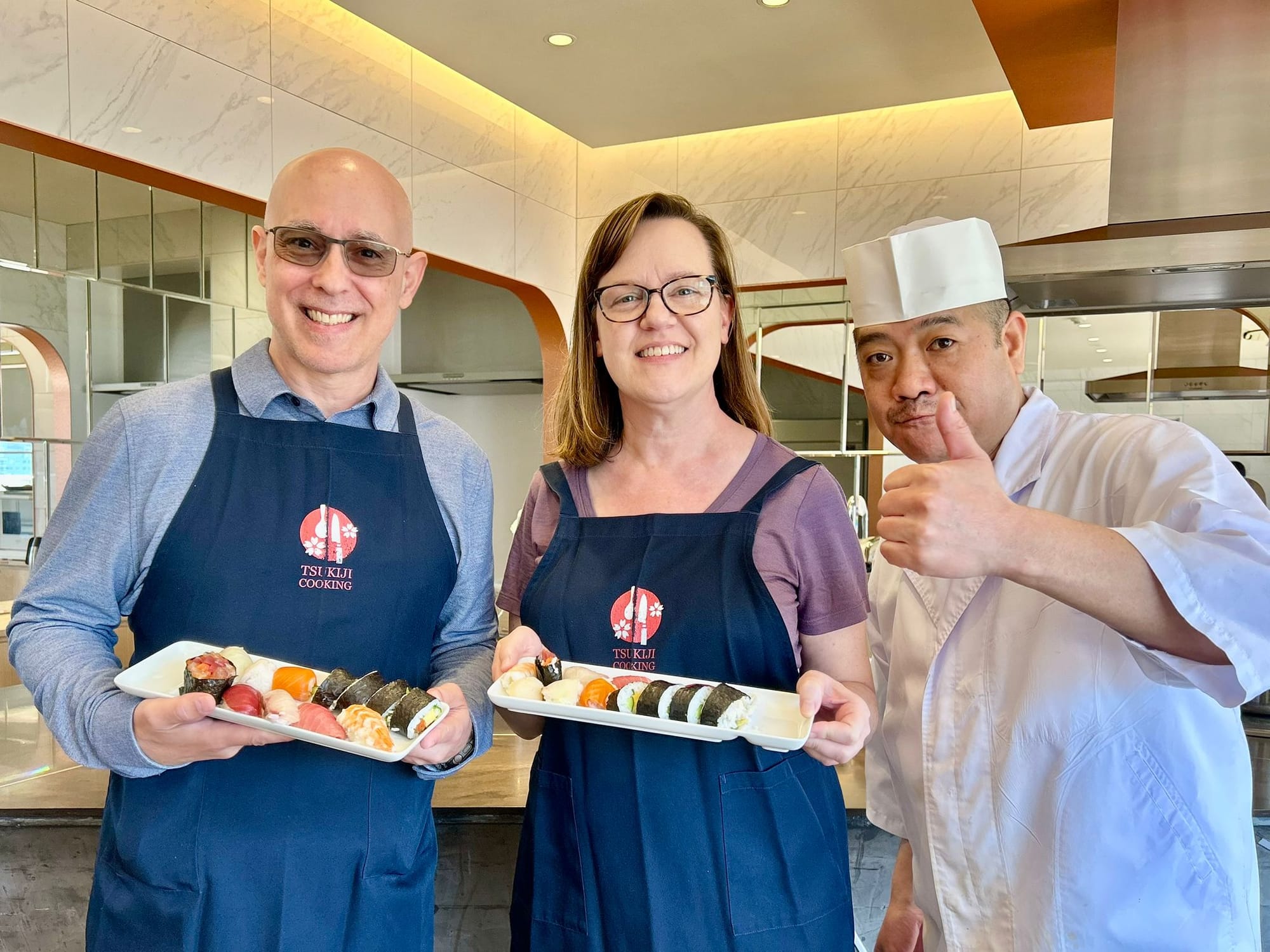
This morning our planned event was sushi making. We were taken back to the market for a guided walkthrough and purchased the fish and other ingredients we would use in our sushi making class. We were taught by a master sushi chef with 35 years experience and the translator. During the class, we learn about making miso soup, how to prepare the sushi rice, and the proper technique for cutting fish for different sushi preparations. We were given step-by-step instructions while making four different styles of sushi. They also provided us with pickles we selected in the market and some blow fish we found at one of the vendors. We asked how poisonous the blow fish is if the poisonous part was eaten. After some back and forth with the vendor the only thing our guide would say was, “Just don’t!” Though Laurie is not a fan of any type of seafood, she did a great job eating some of the sushi she made.
Asakusa
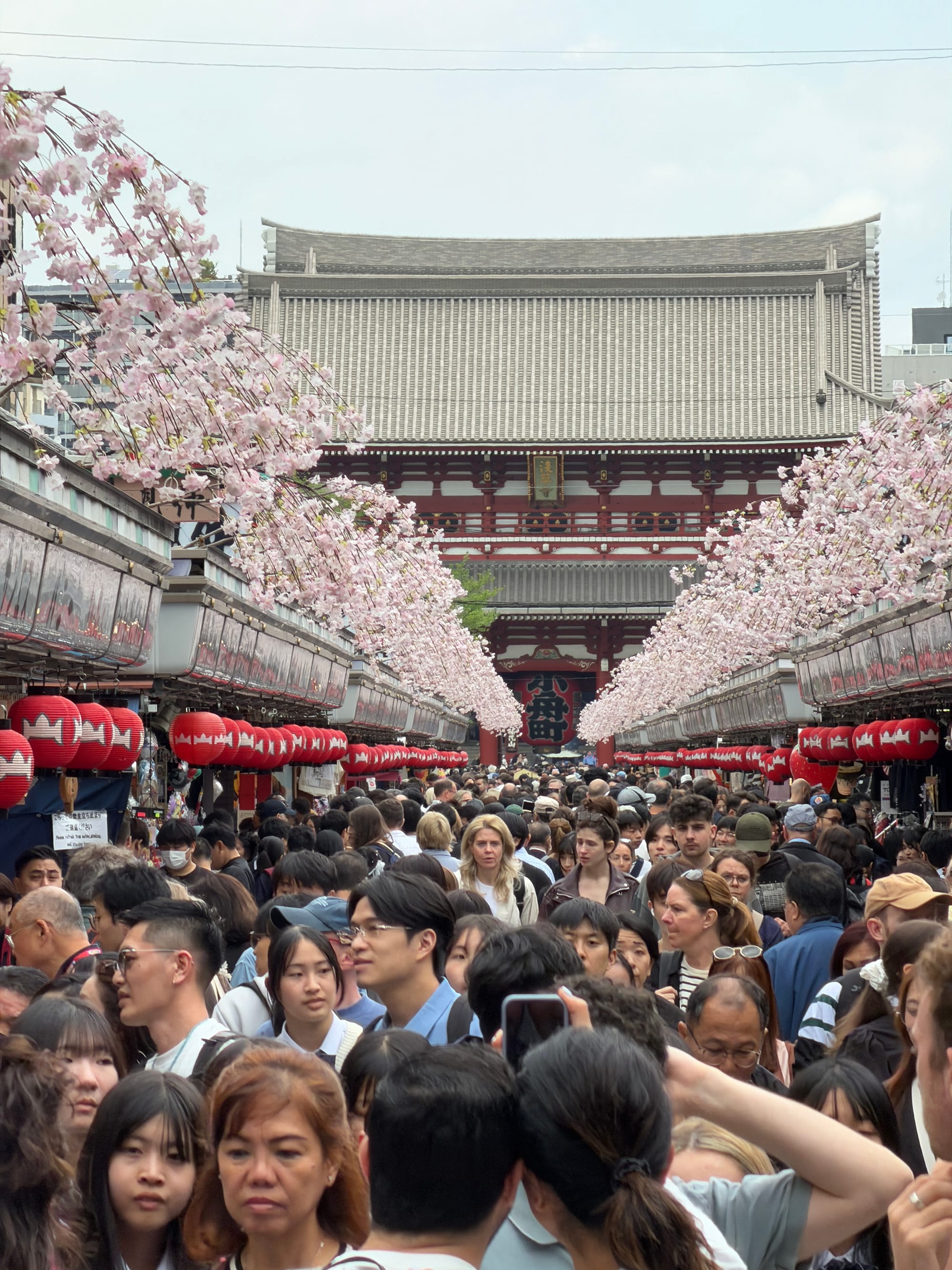
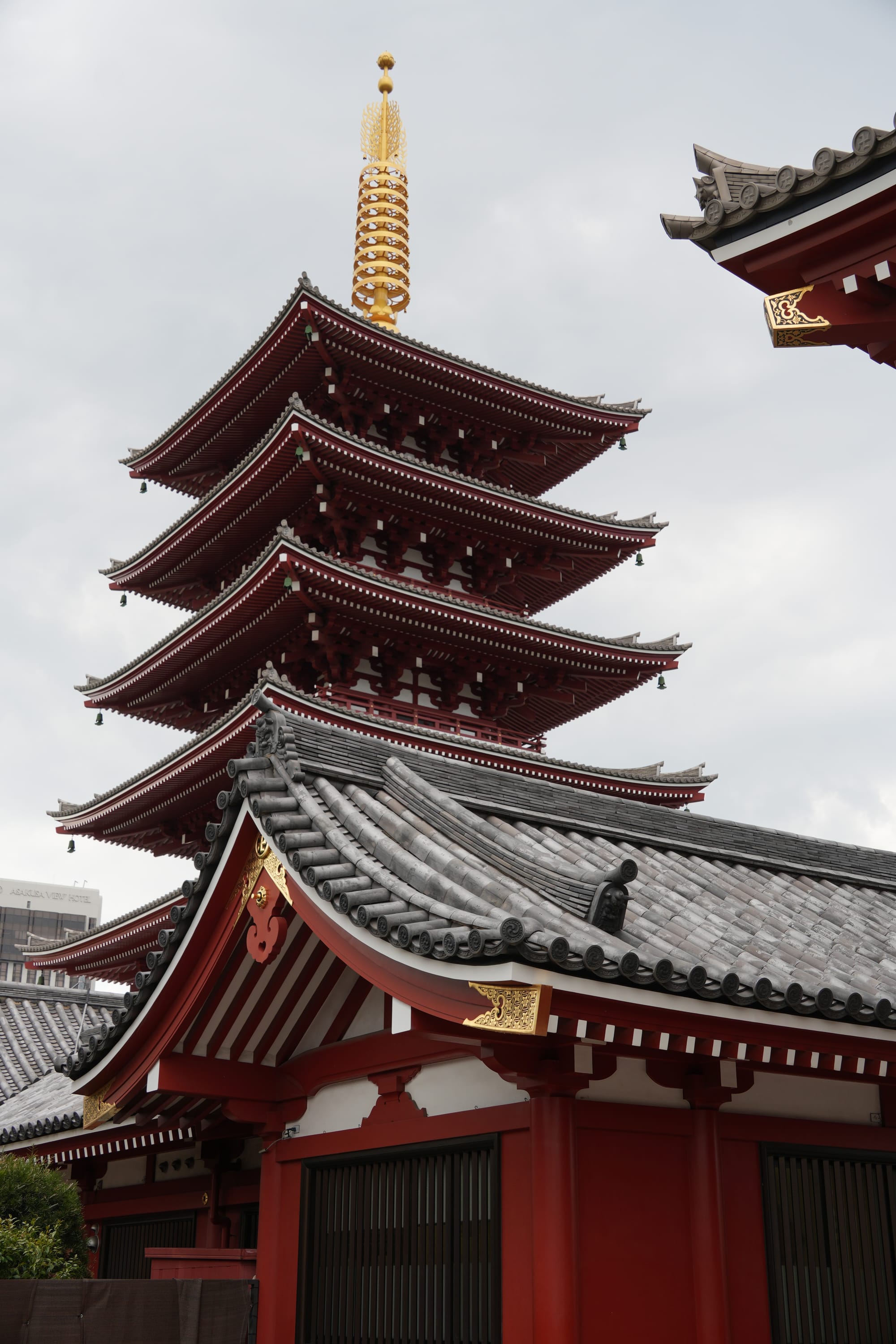
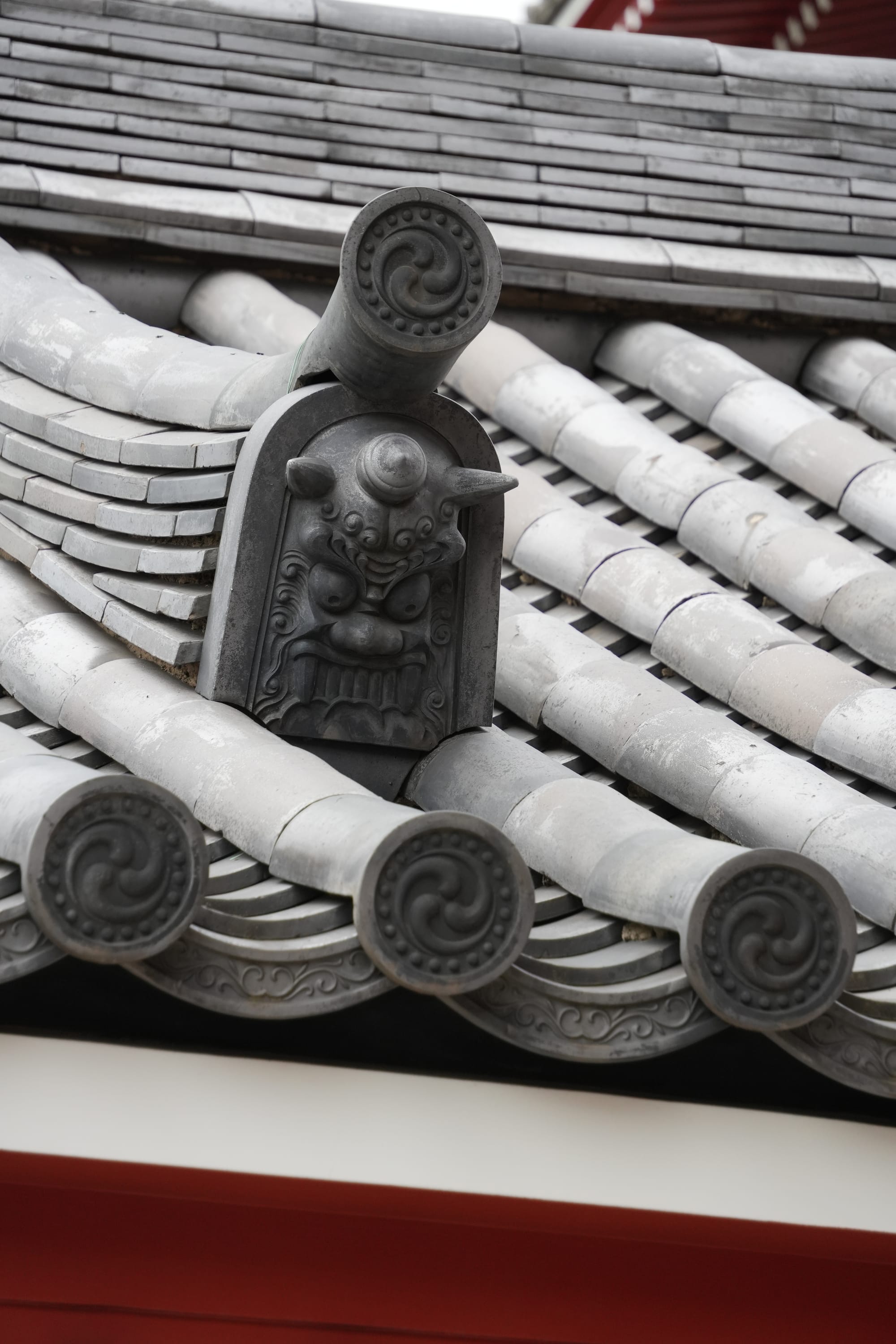
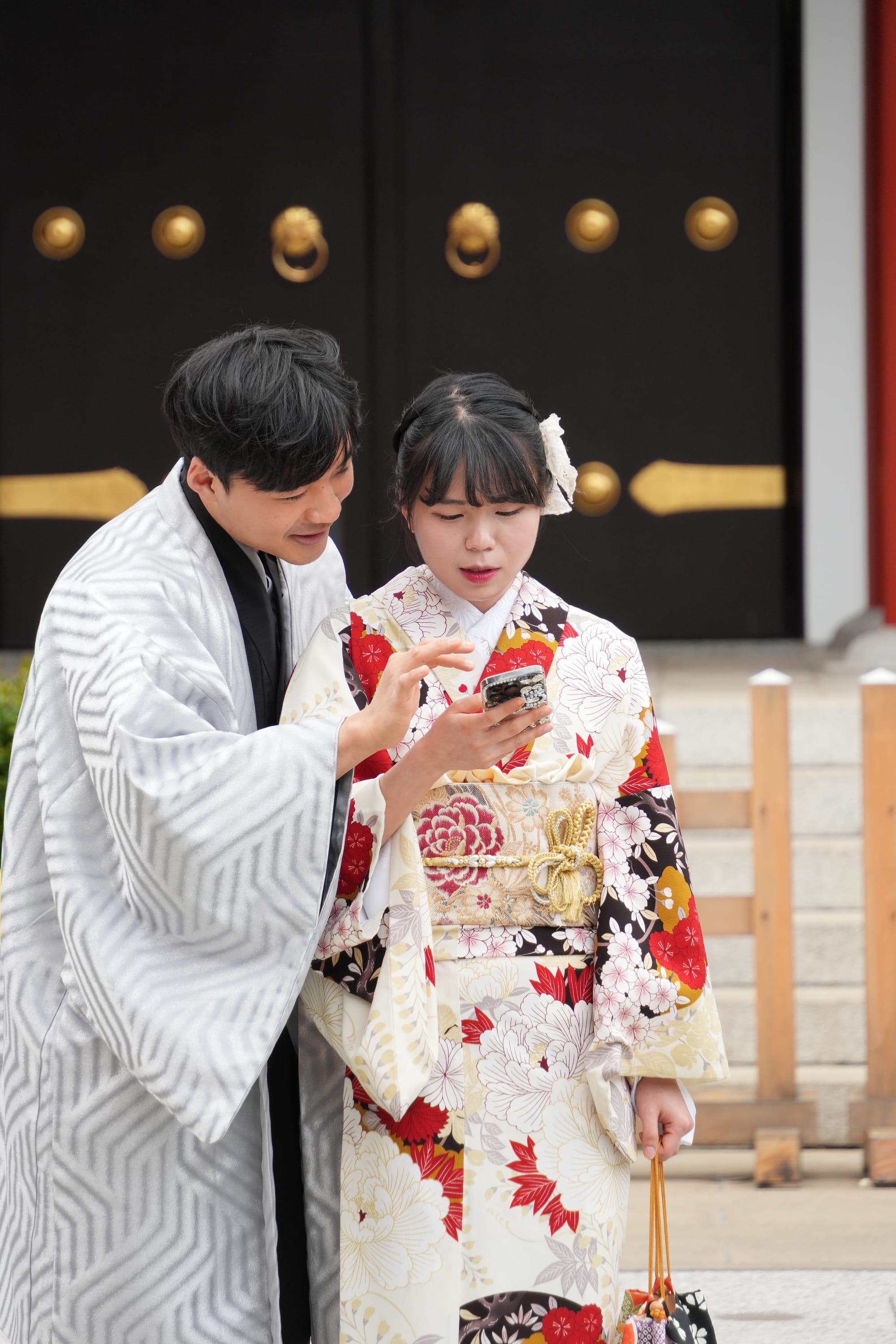
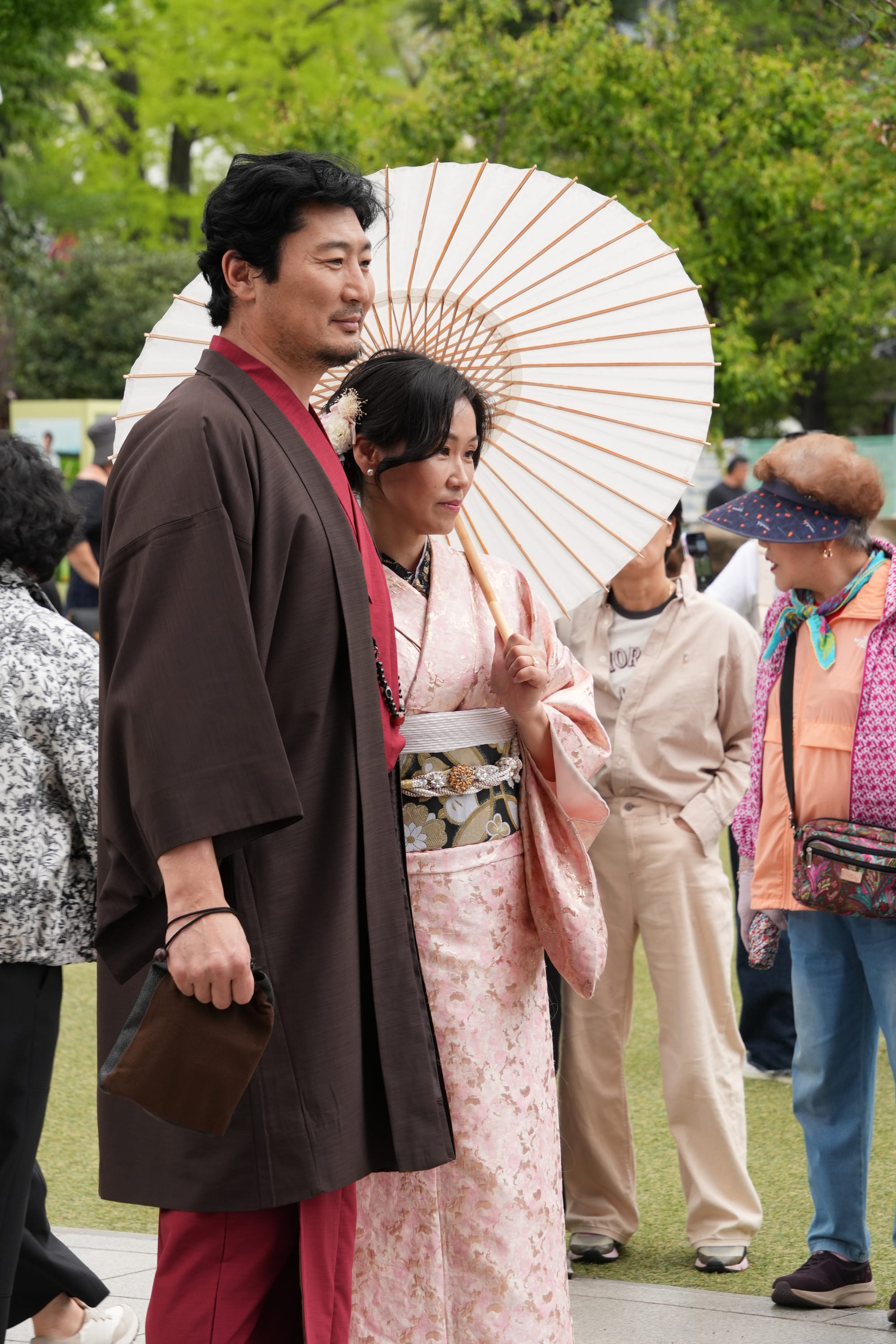
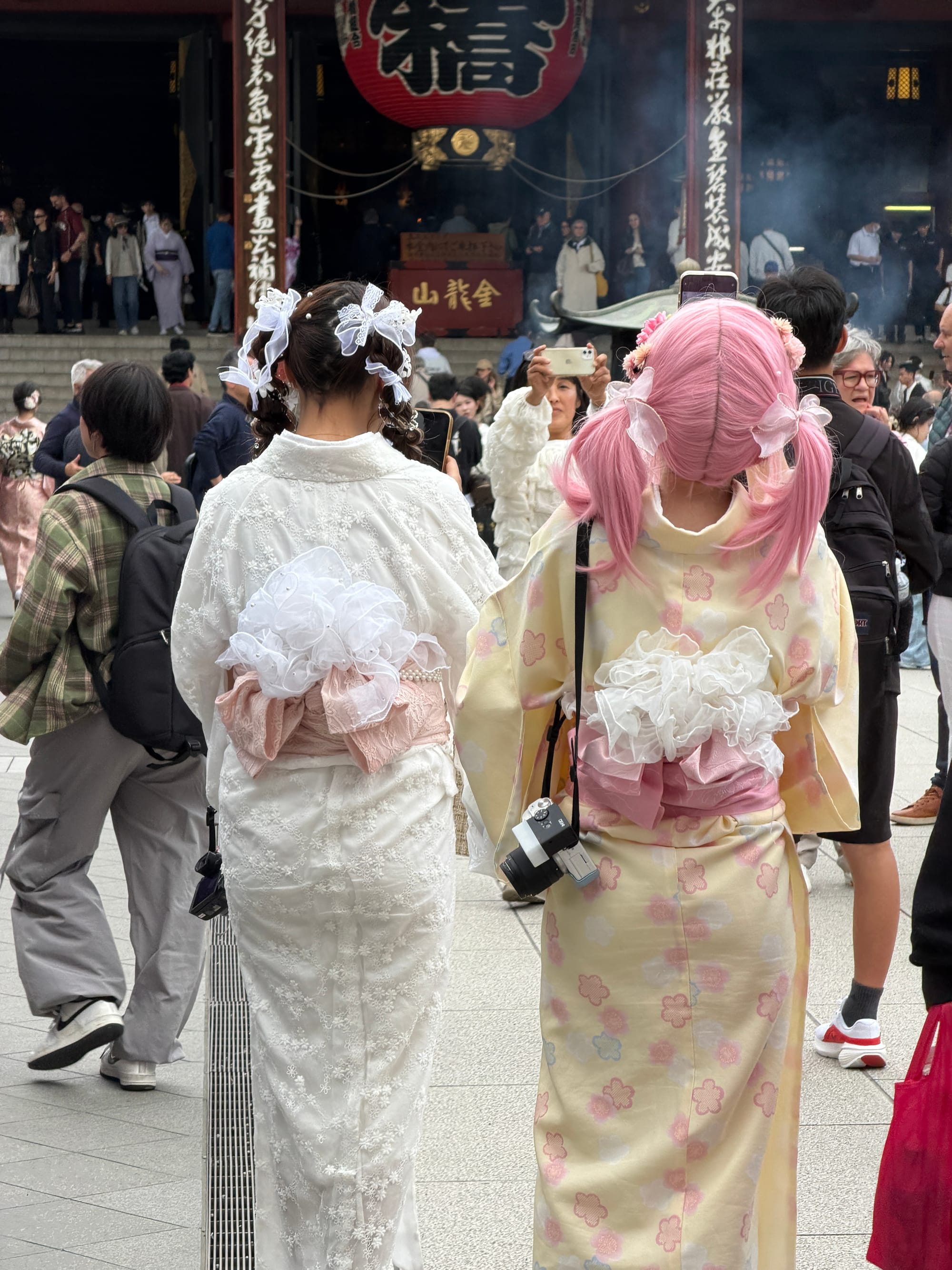
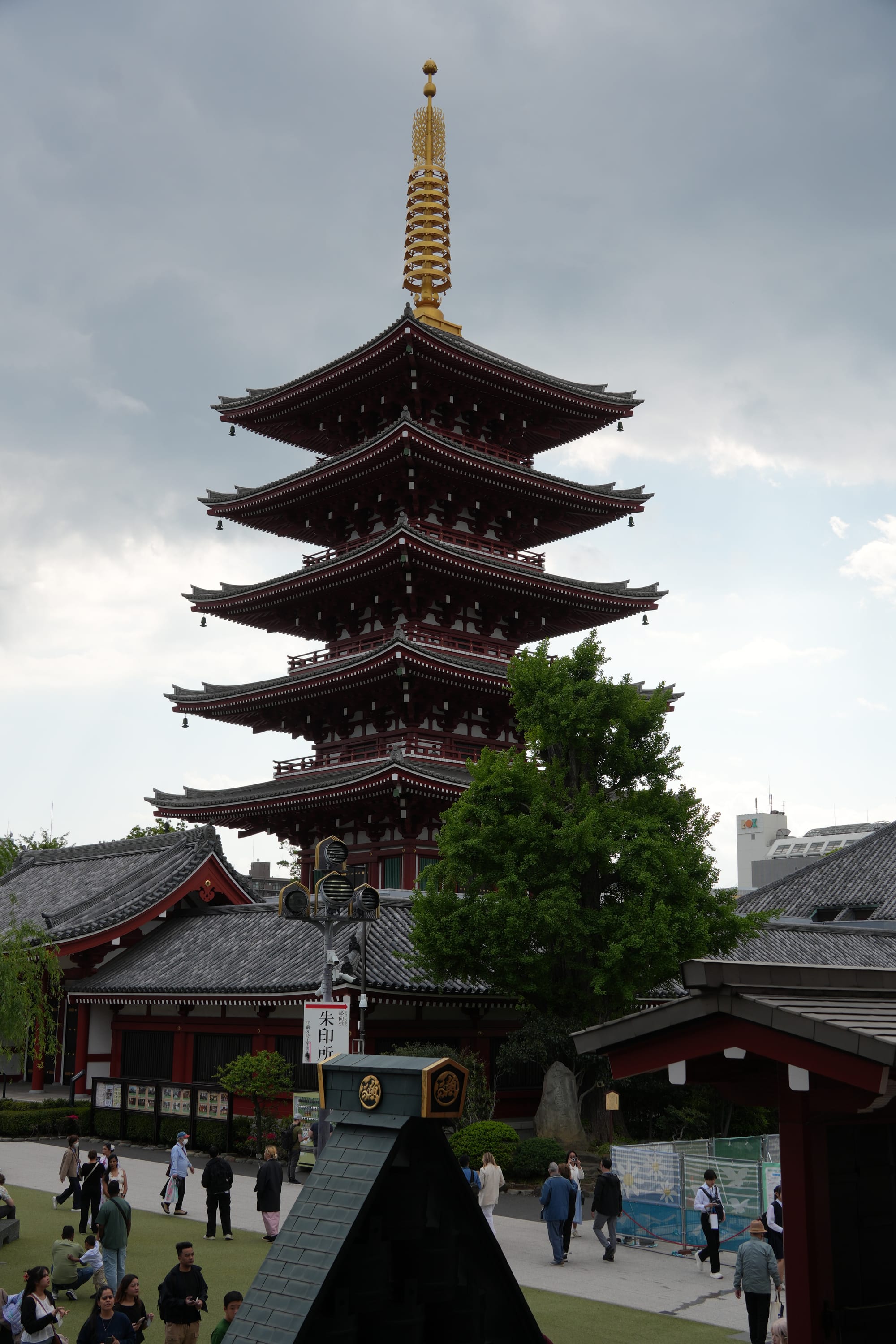
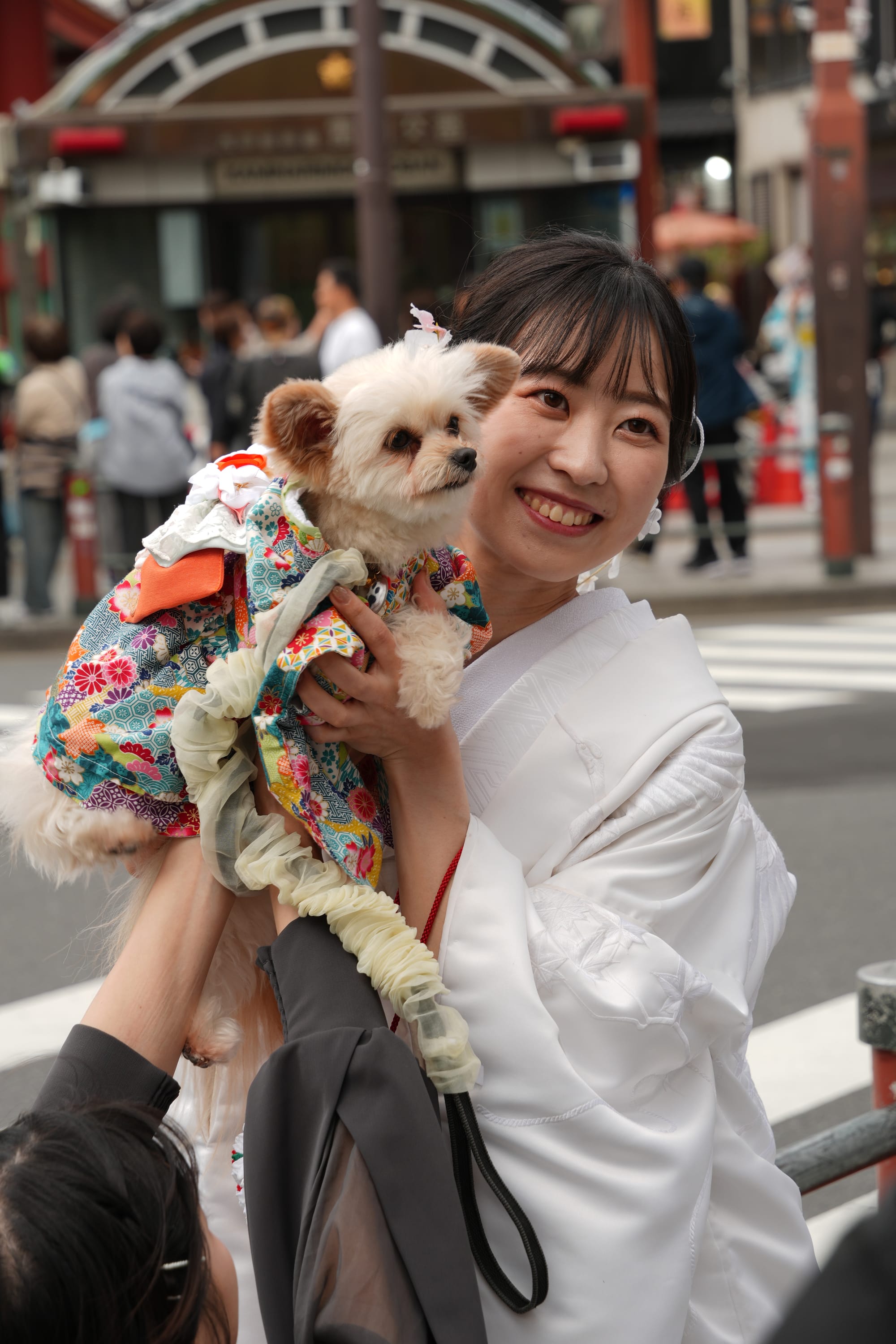
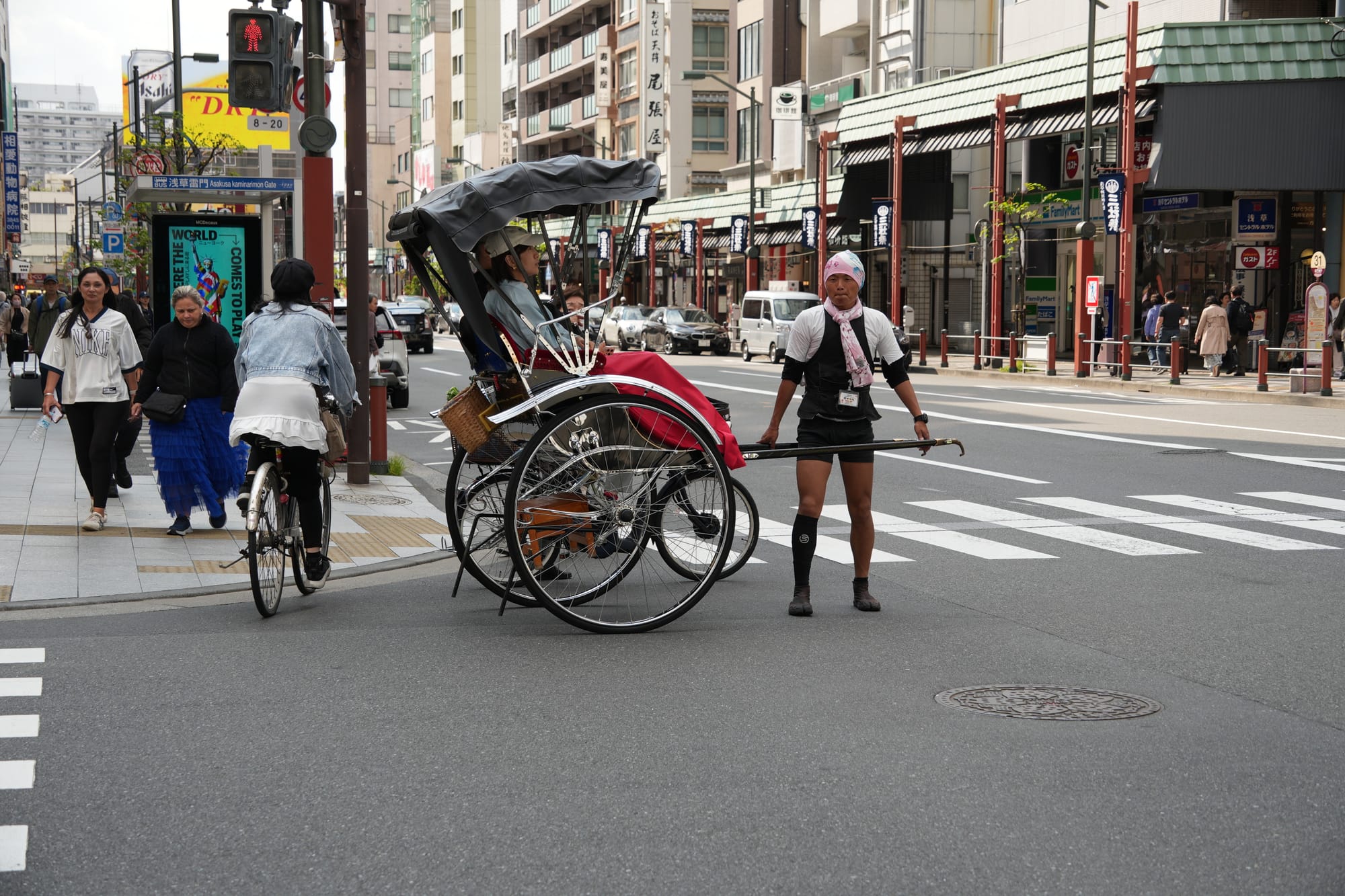
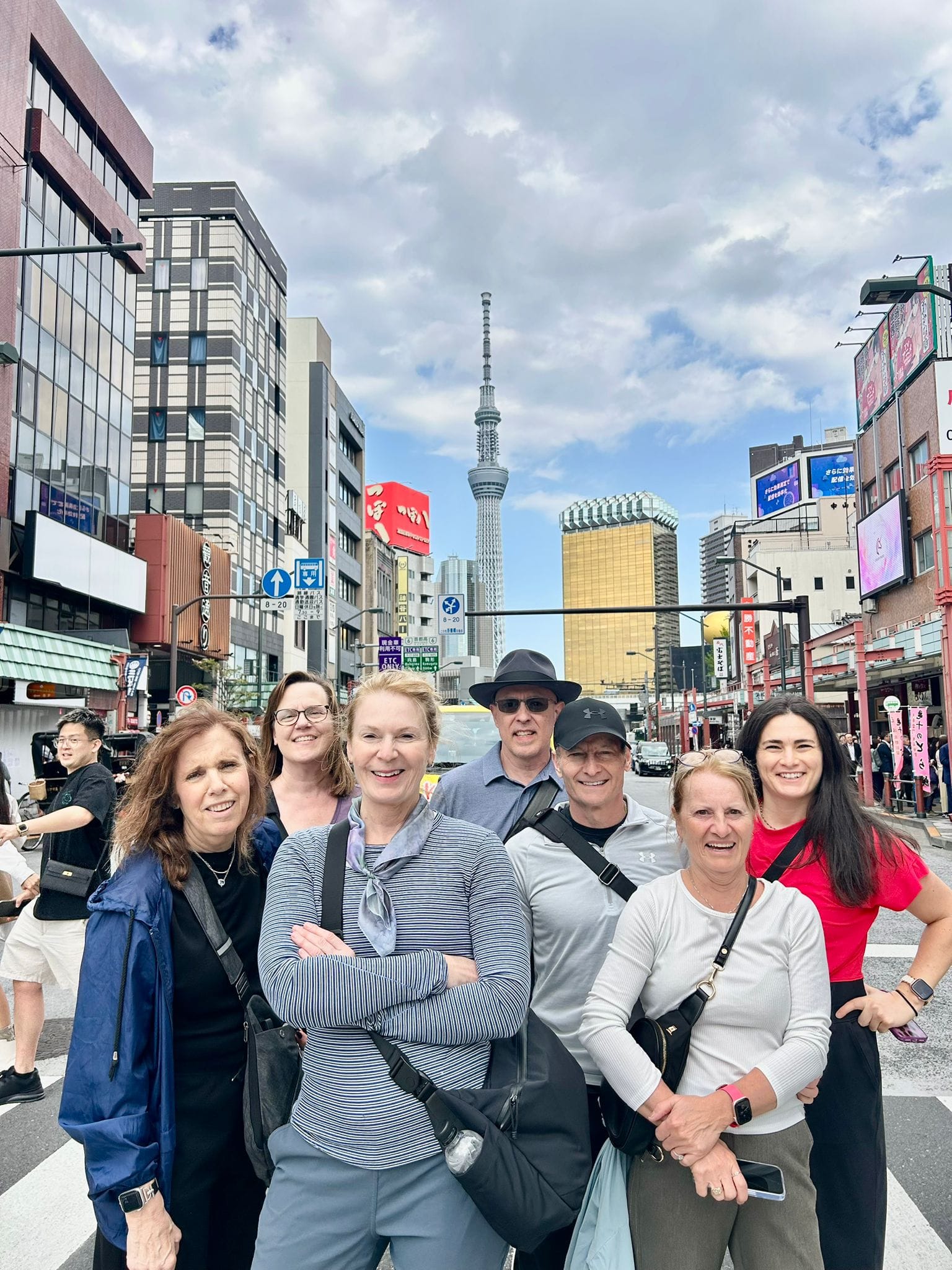
The next stop of the day was the Asakusa neighborhood known for the Sensō-ji Buddhist temple. The area is also the place where many tourists rent kimonos and go for rickshaw rides. It is a very touristy area, but once you make your way through the hordes of people at the small trinket stops, the temple is fairly calm and nice.
Tea Ceremony
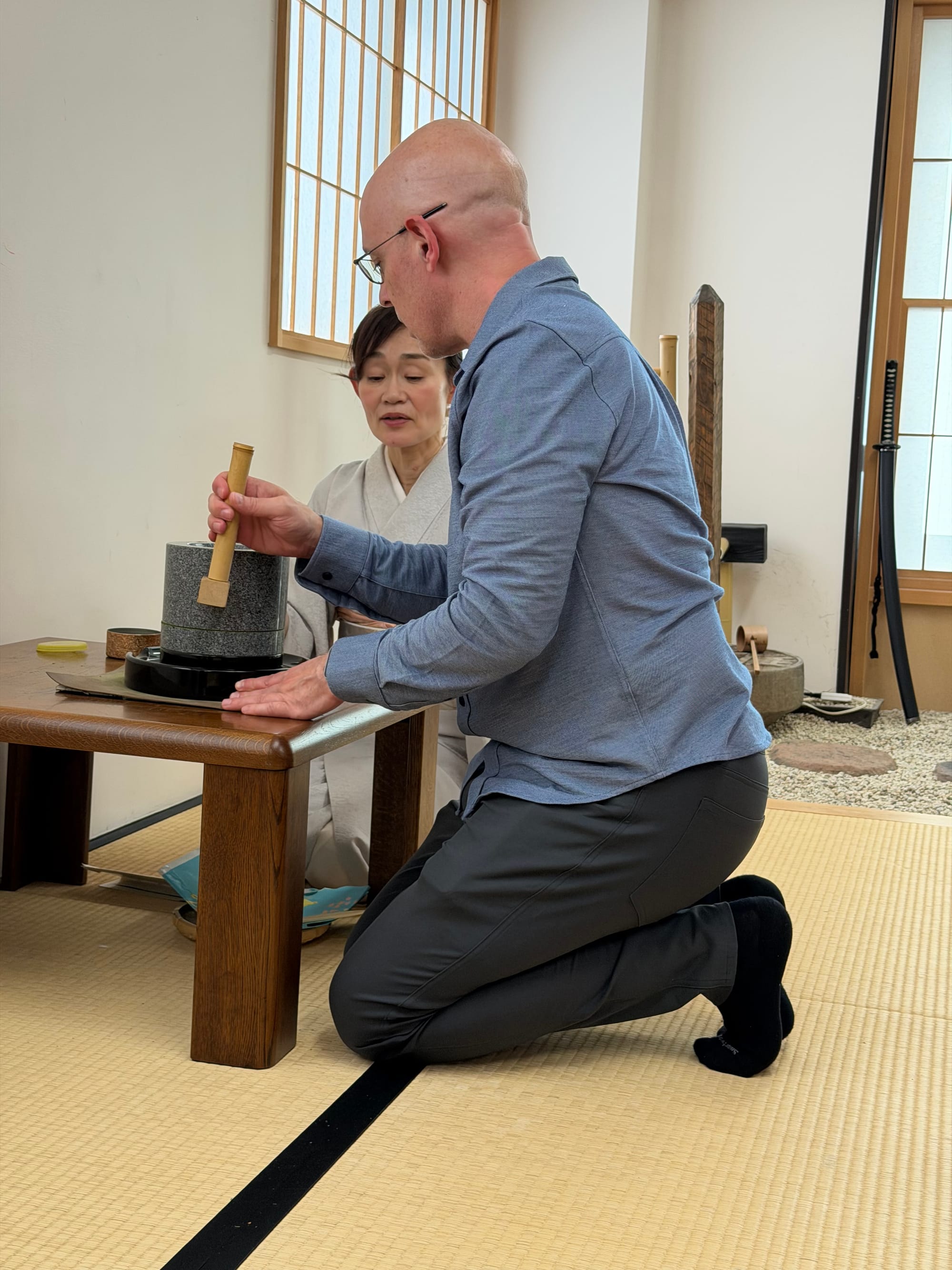
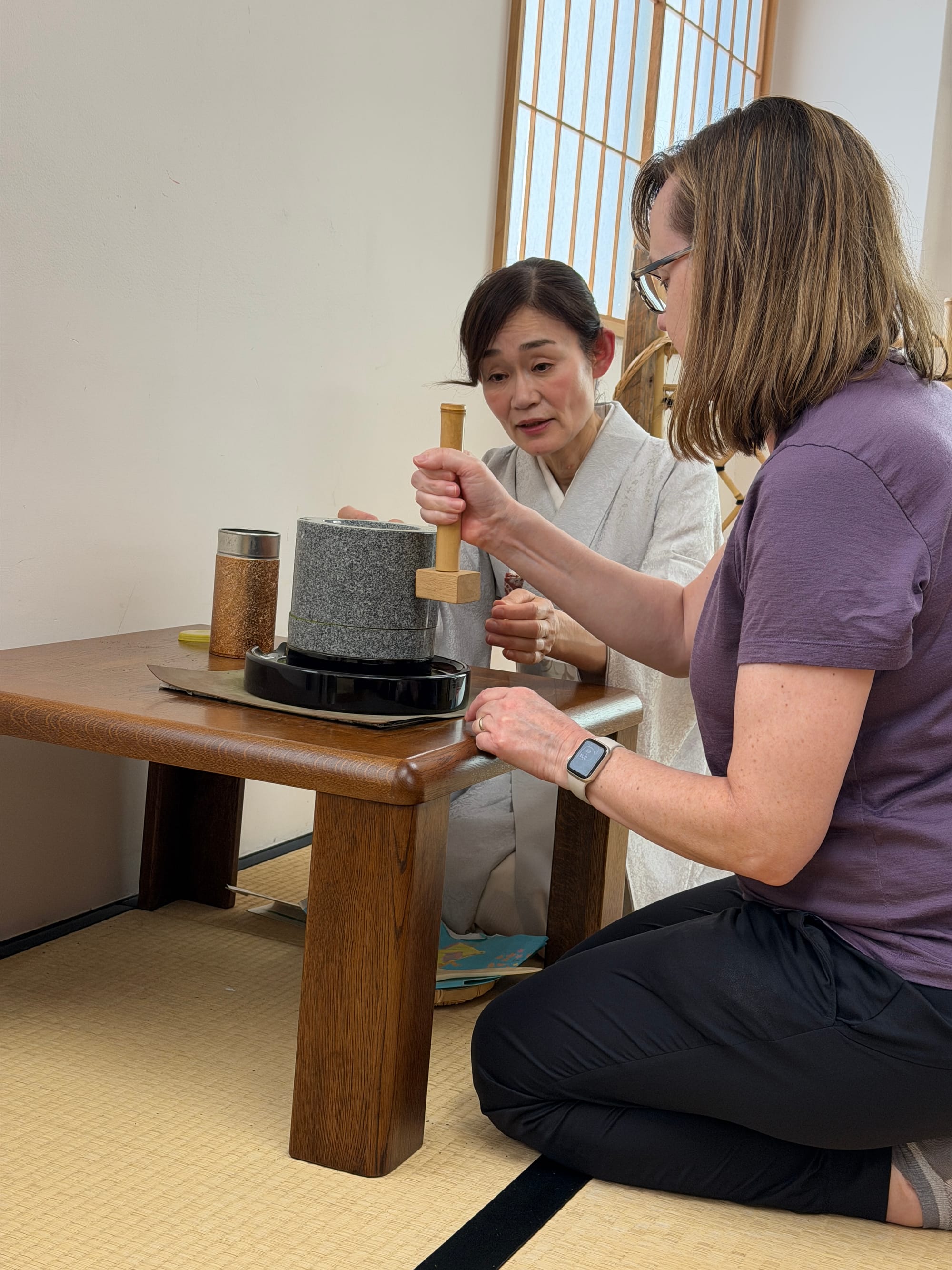
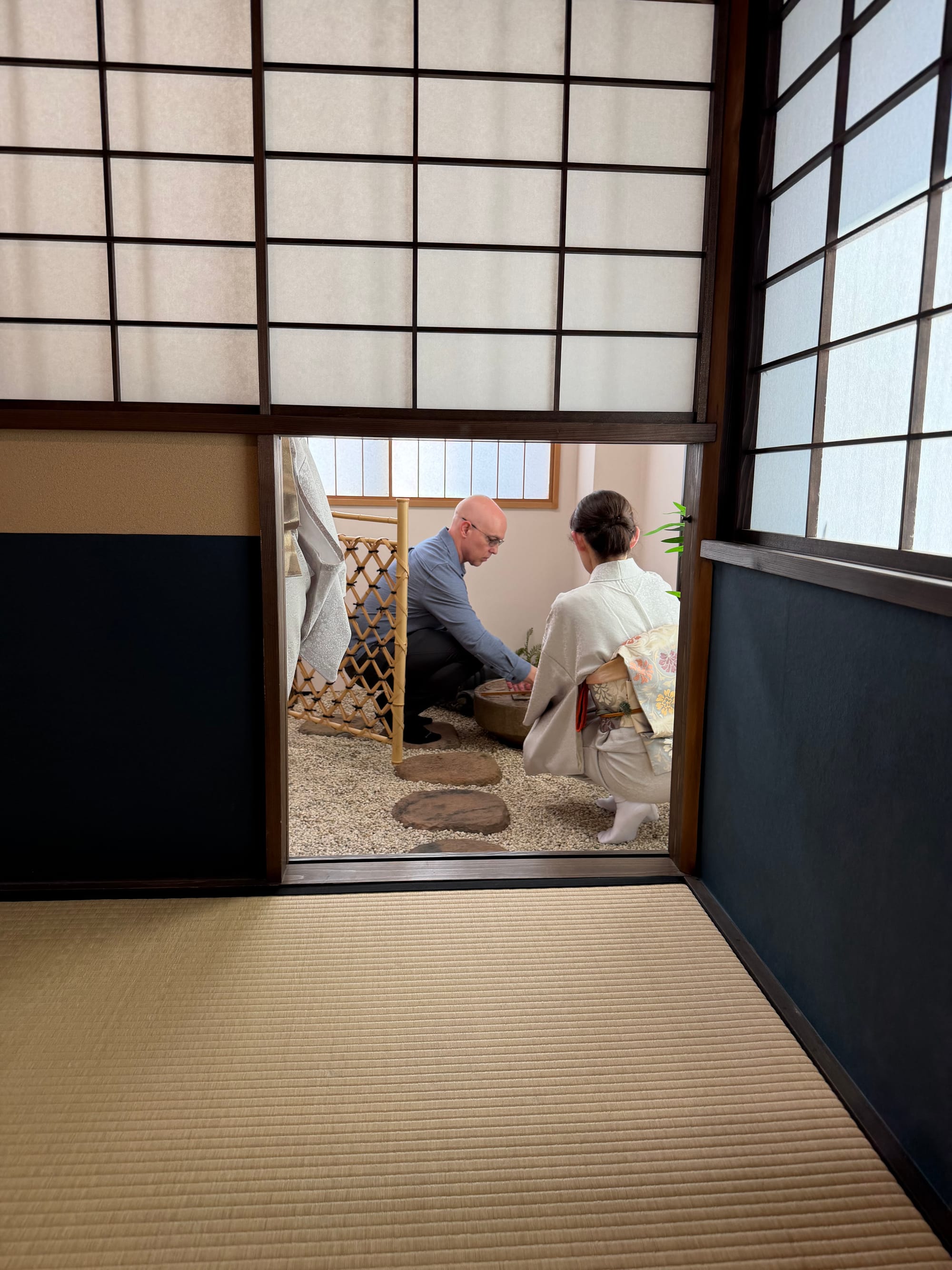
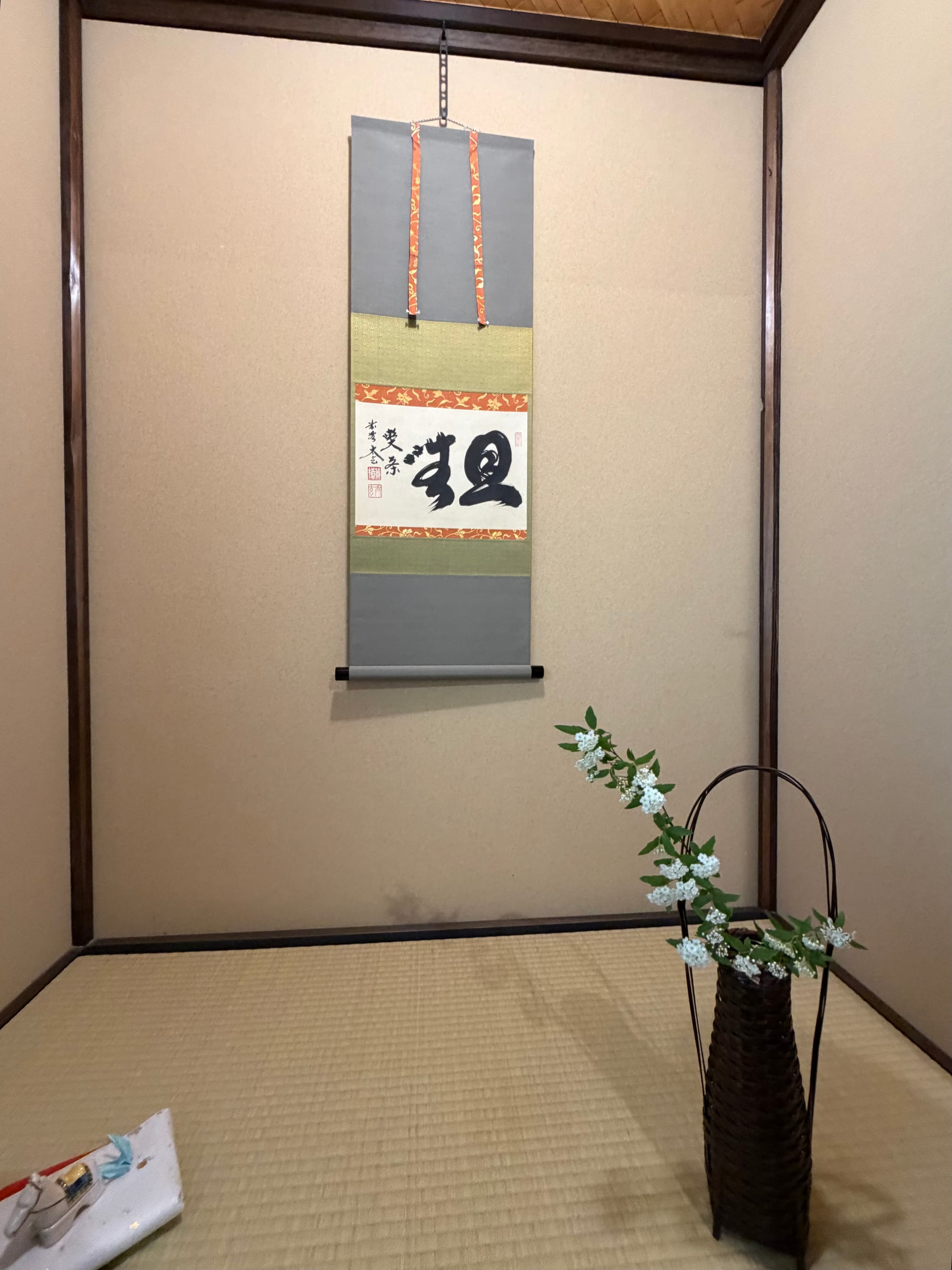
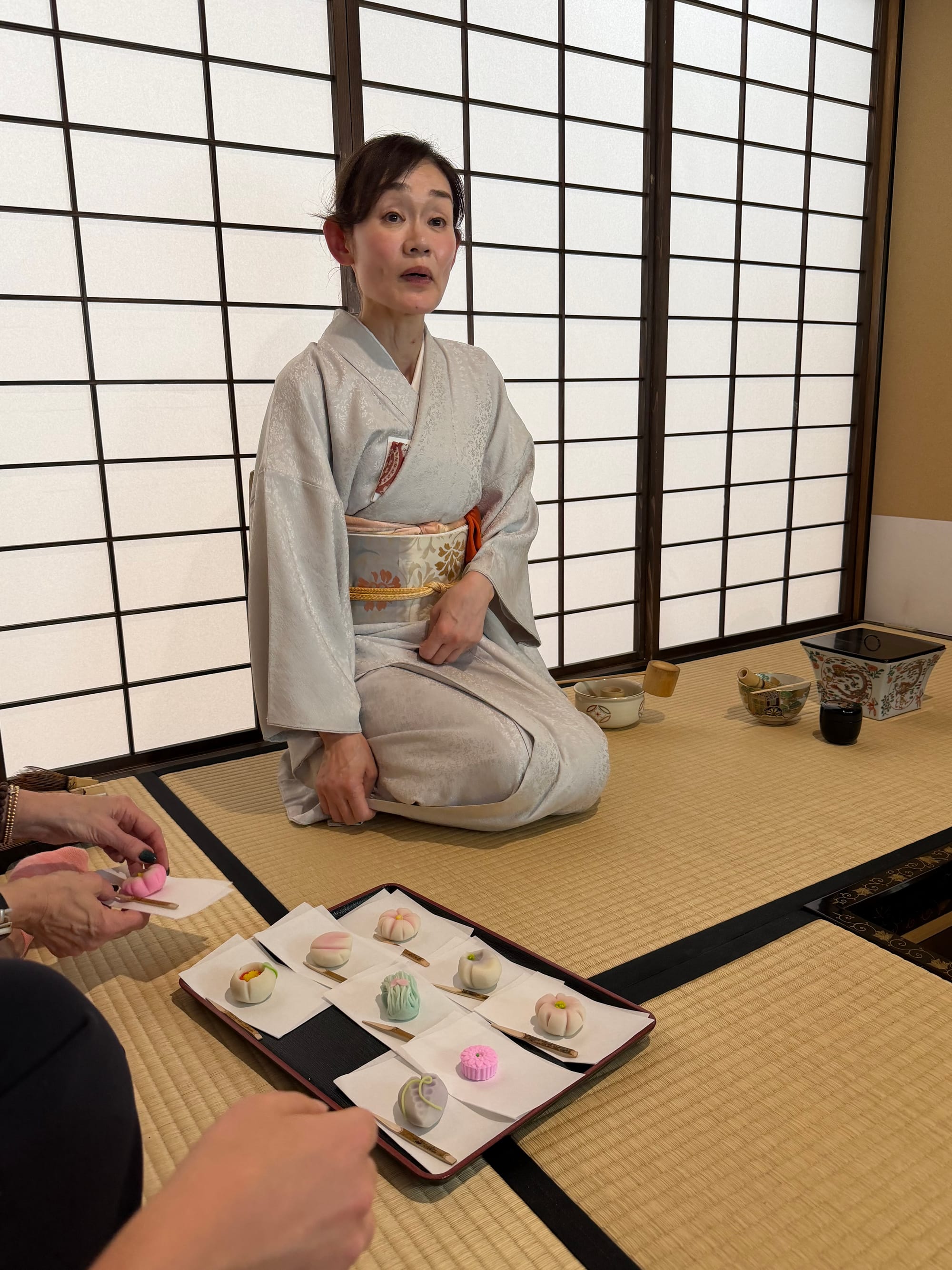
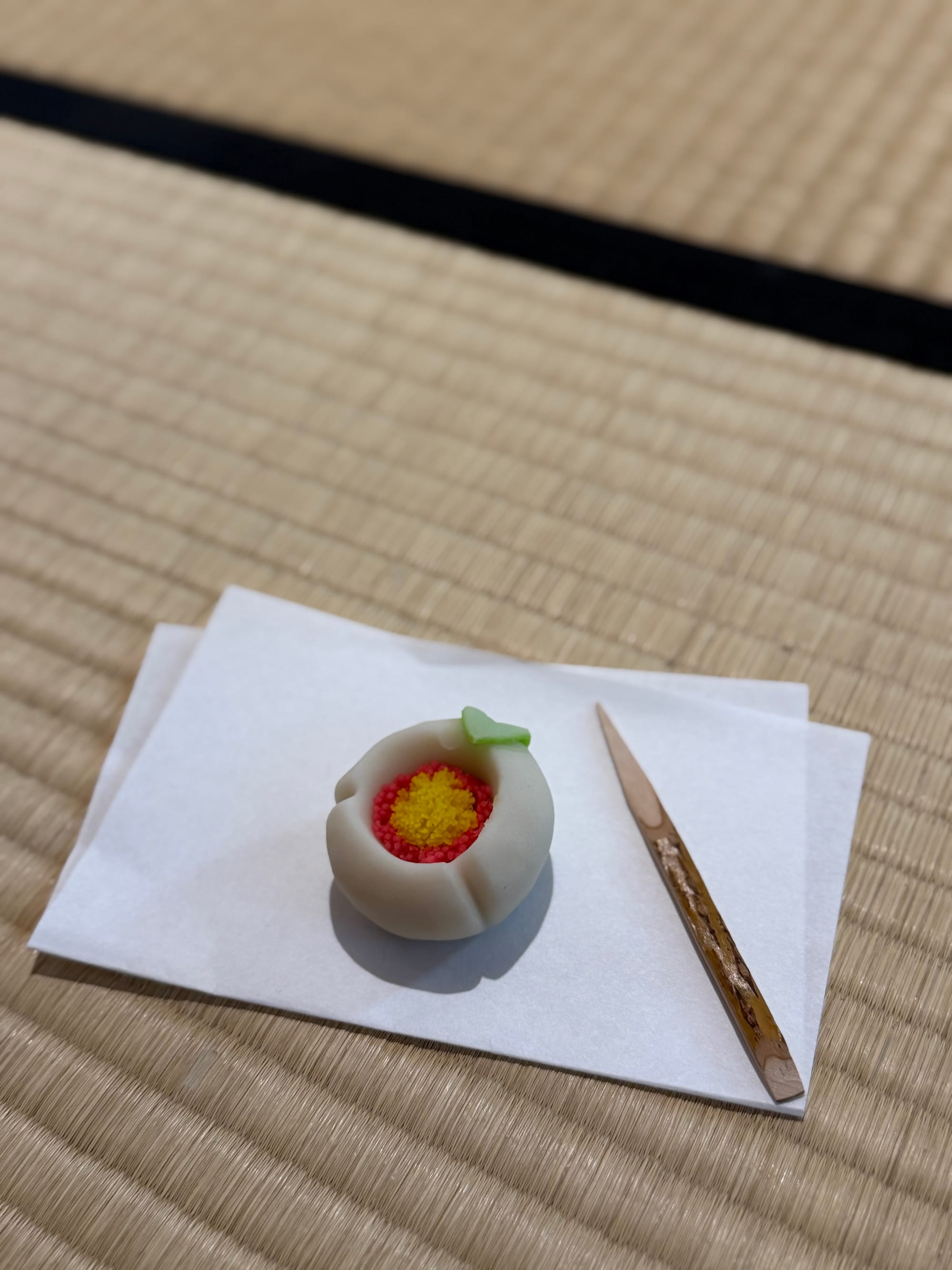
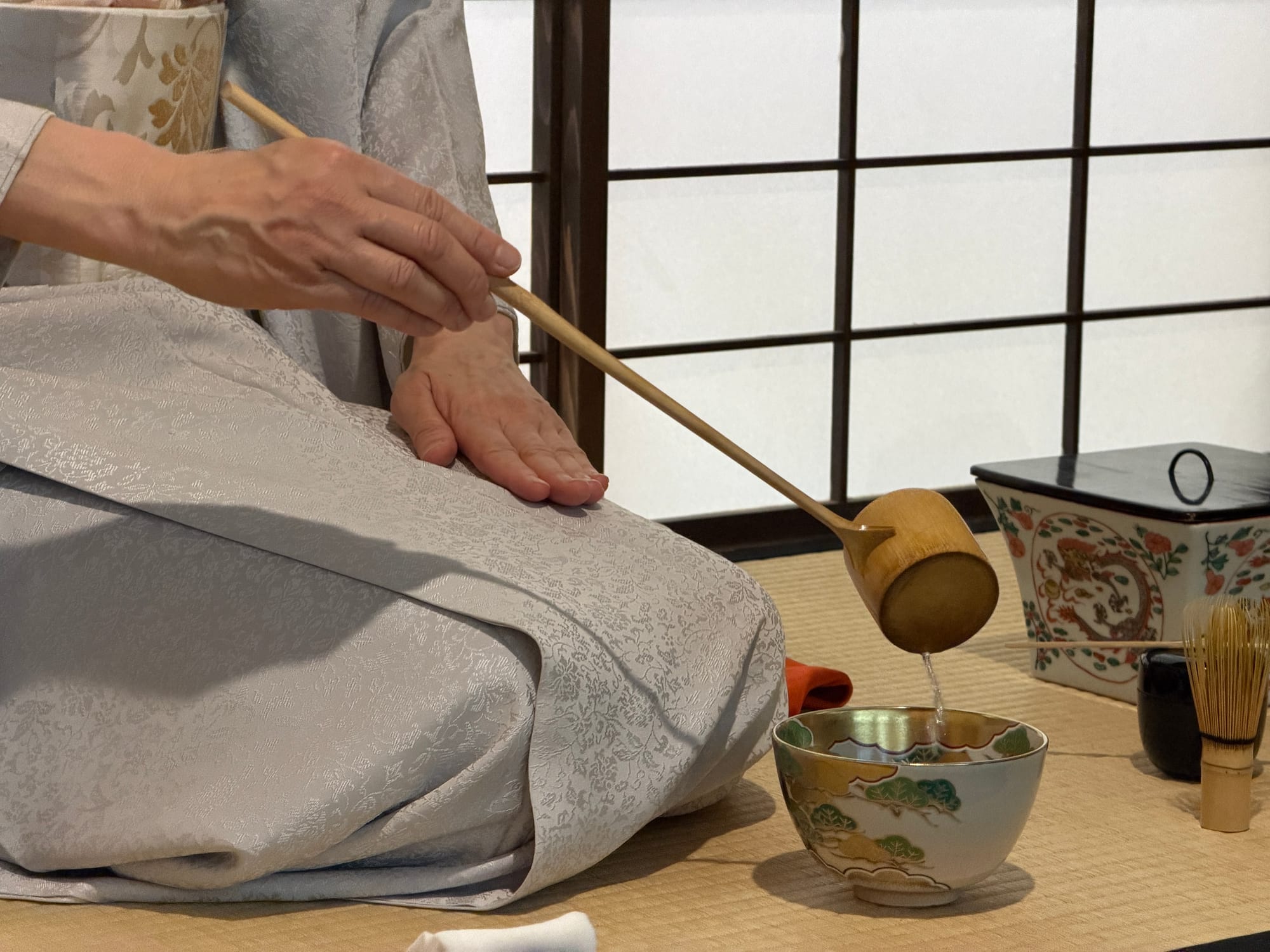
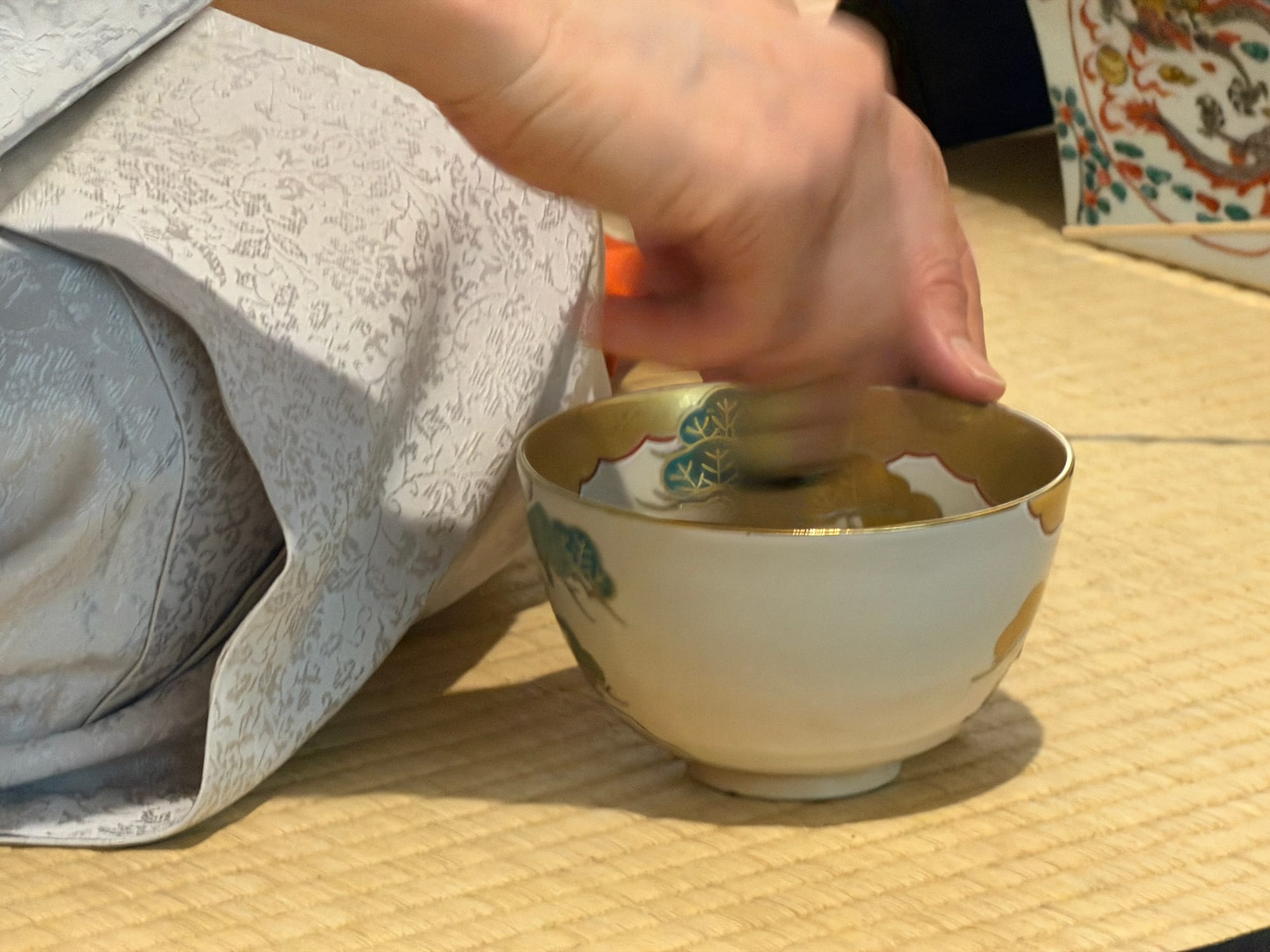
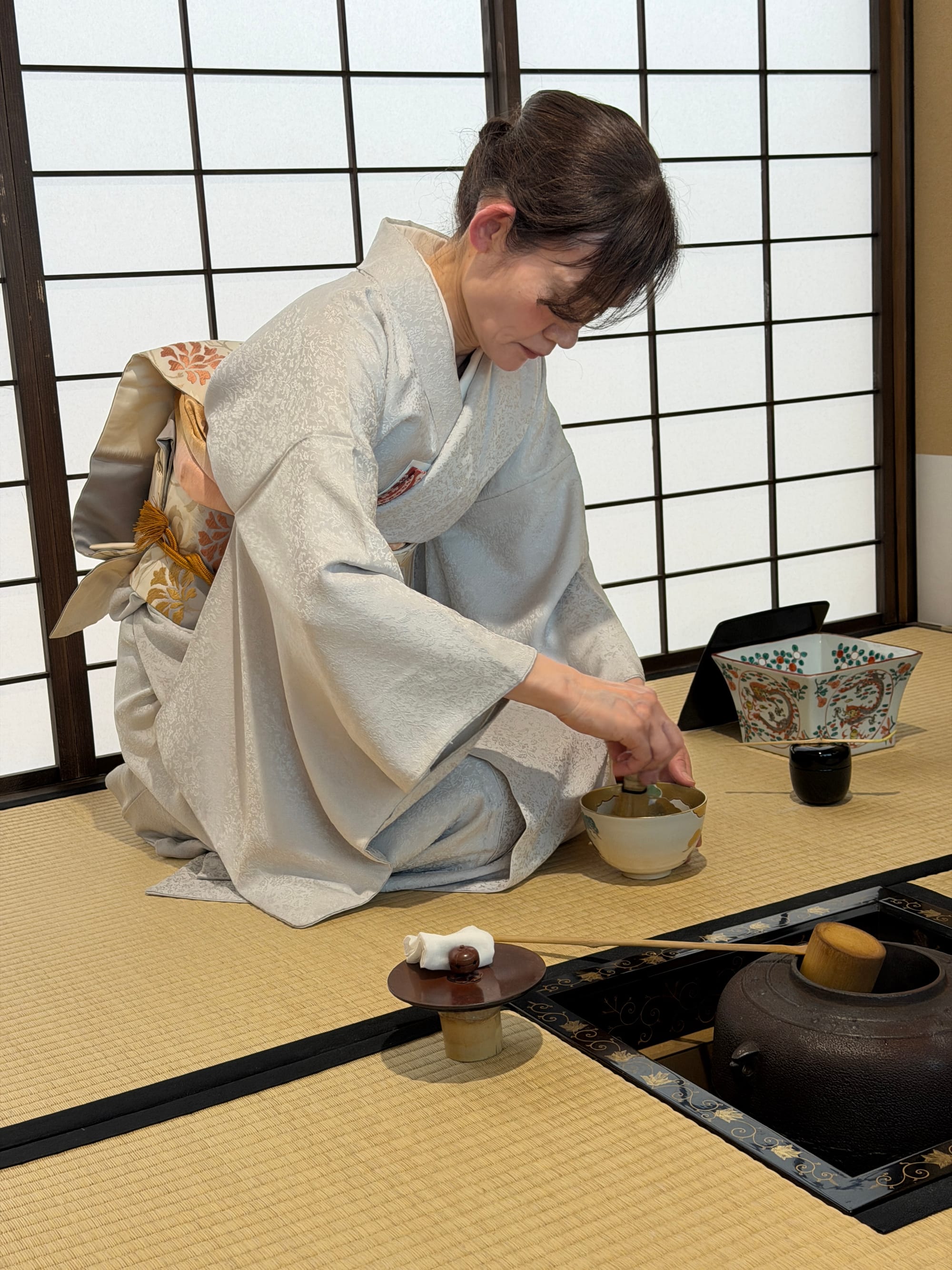
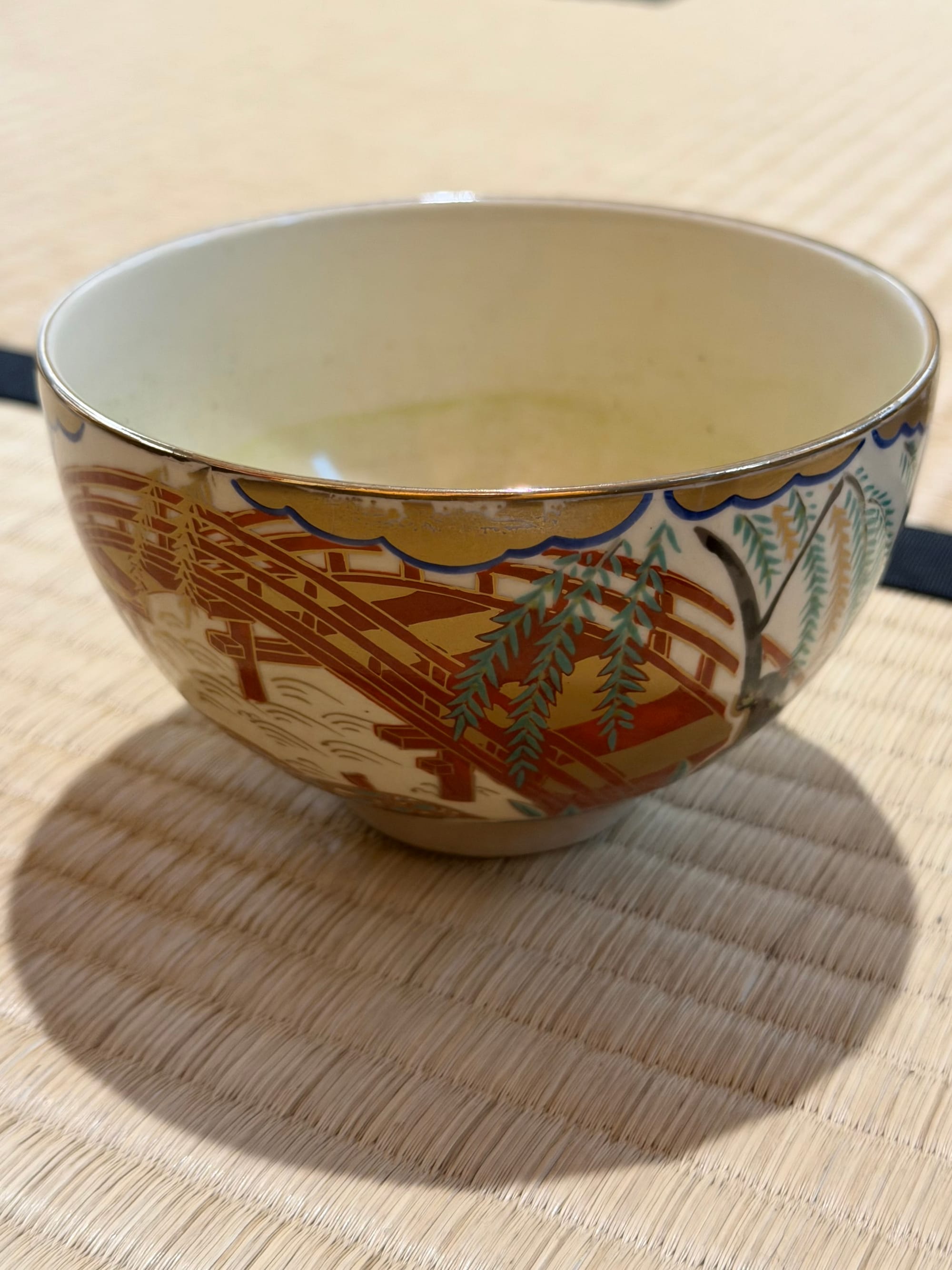
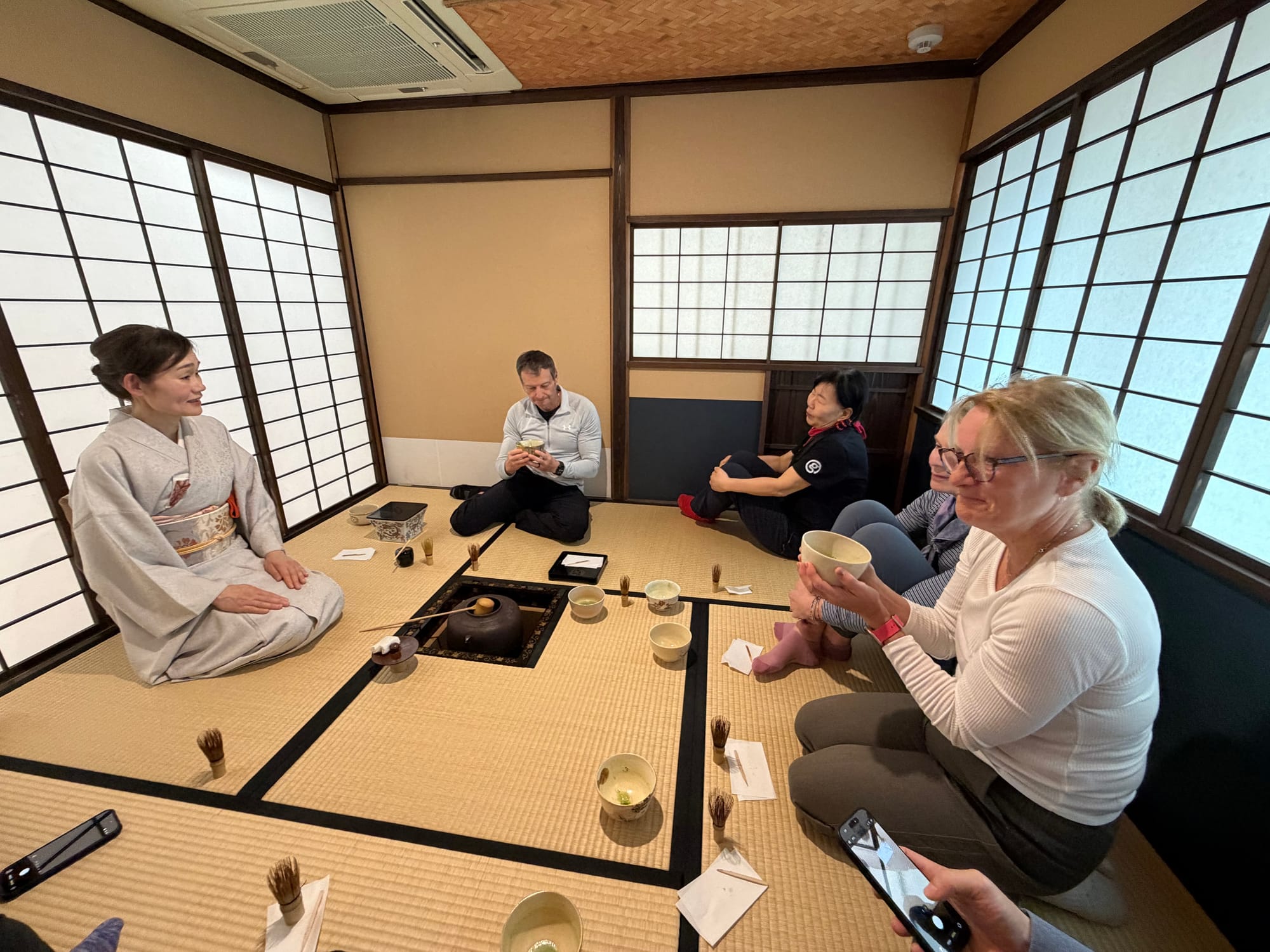
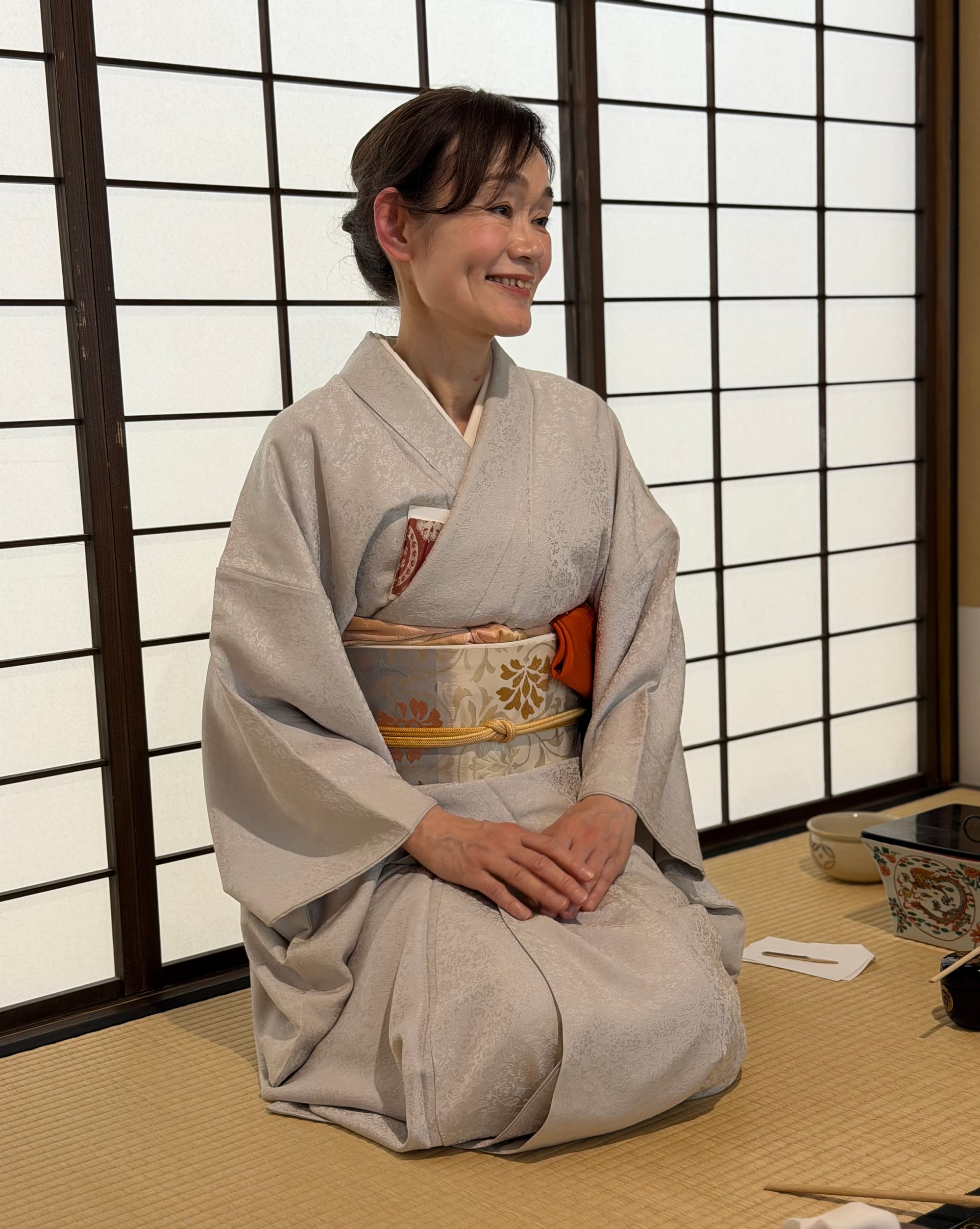
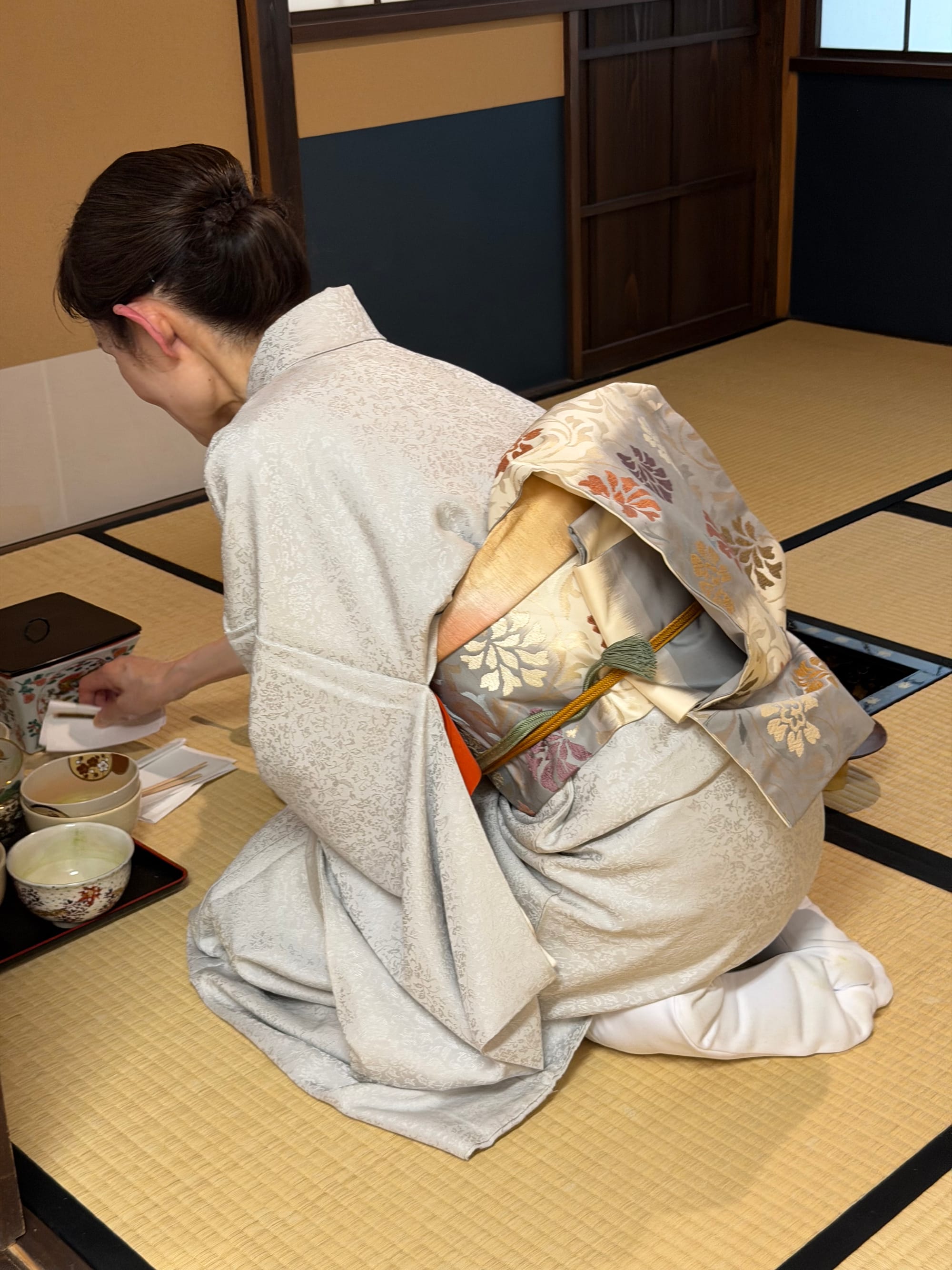
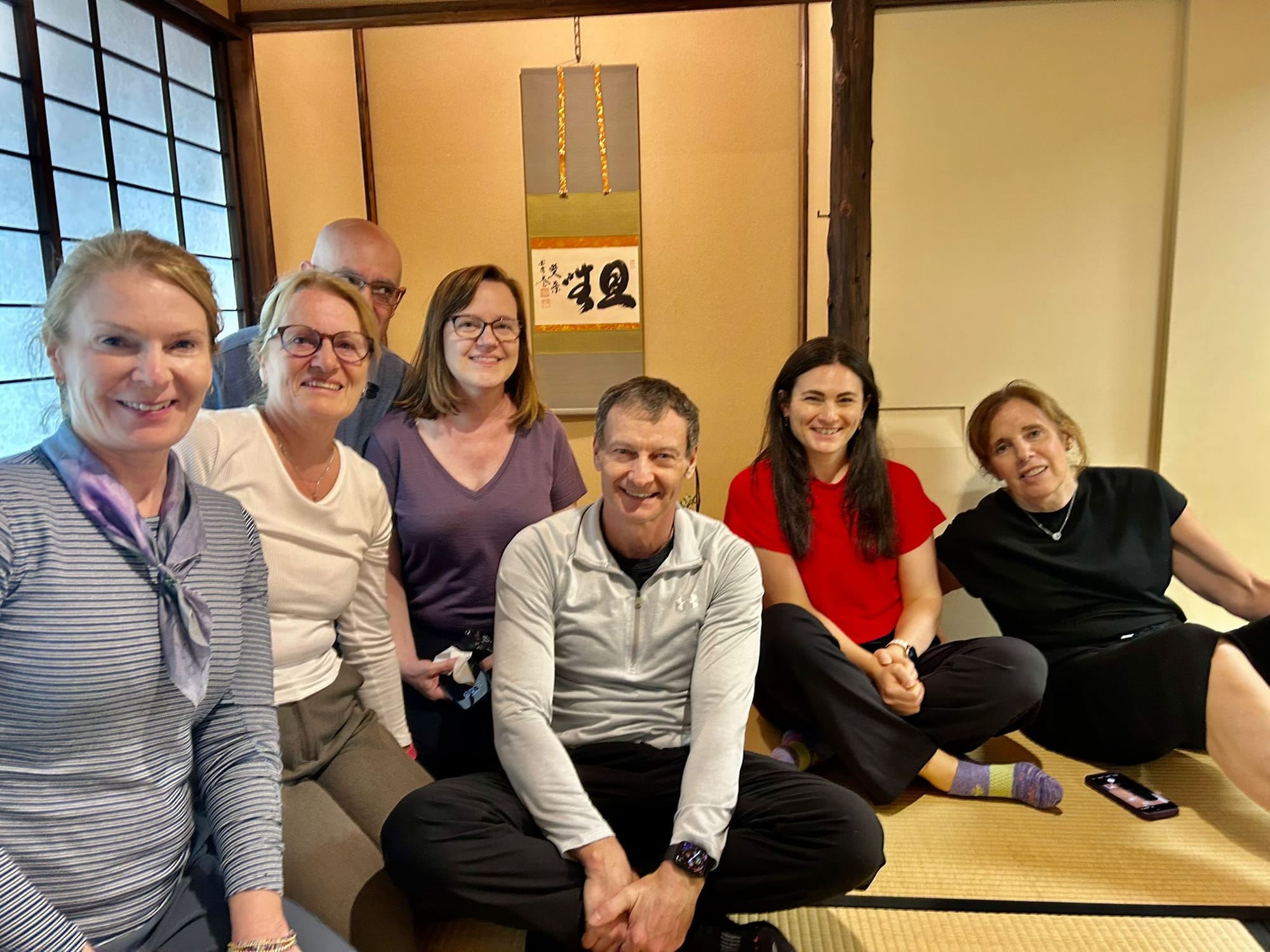
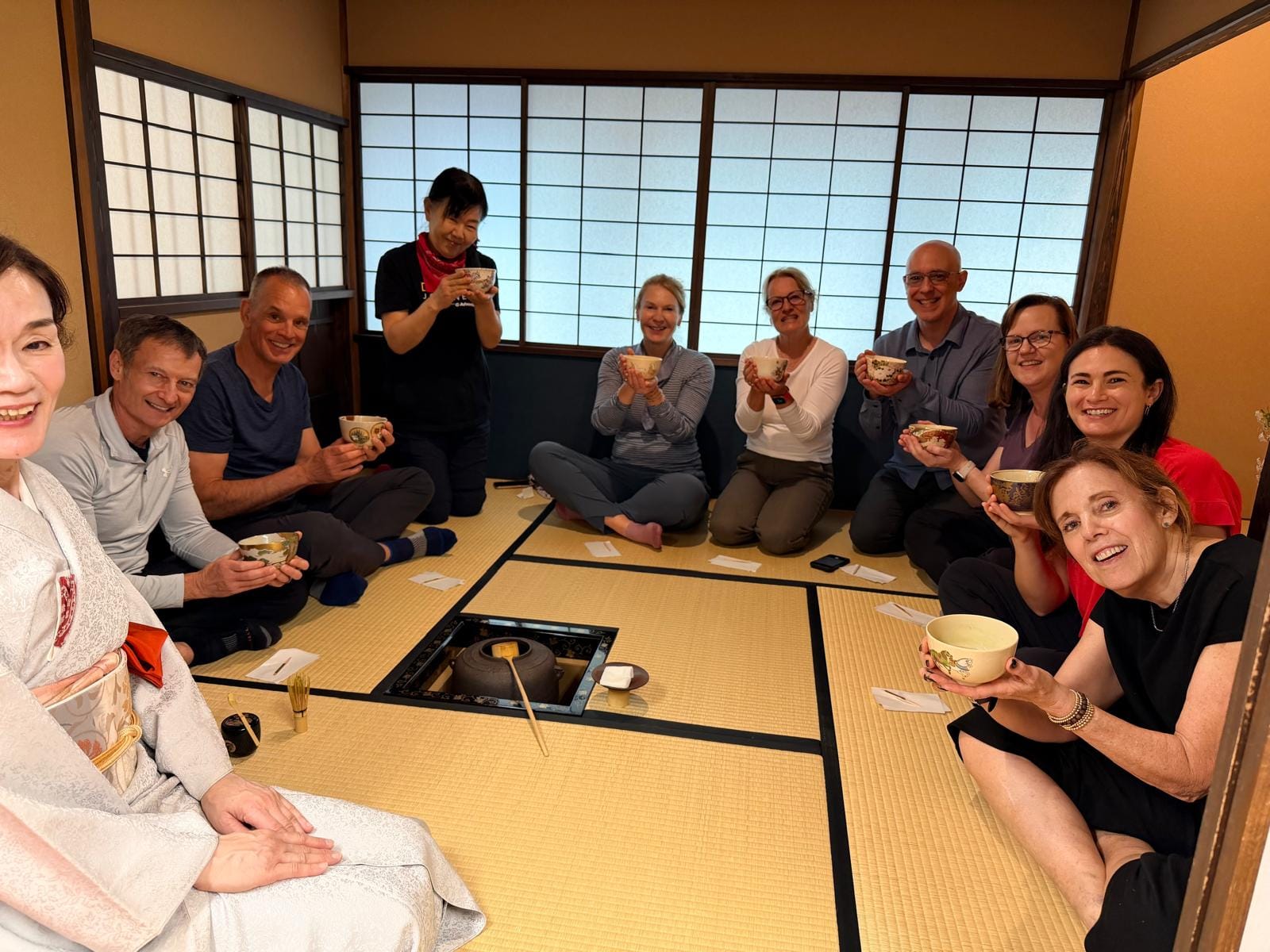
Each of us in the group booked a private tea ceremony experience. We were taught the history of the tea ceremony, how matcha tea is grown and made, as well as a quick try at grinding some matcha ourselves. After the introduction, we were taken into the small tea room for the ceremony itself. The entrance door to the tea room is about 60 cm x 65 cm (23.6 in x 26.5 in). The door is small to imply that everyone is equal and to prove that the samurais who enter the room do not have weapons. Everyone who enters the room is an equal once in the room, no matter their social status outside of the room.
Sumo Experience
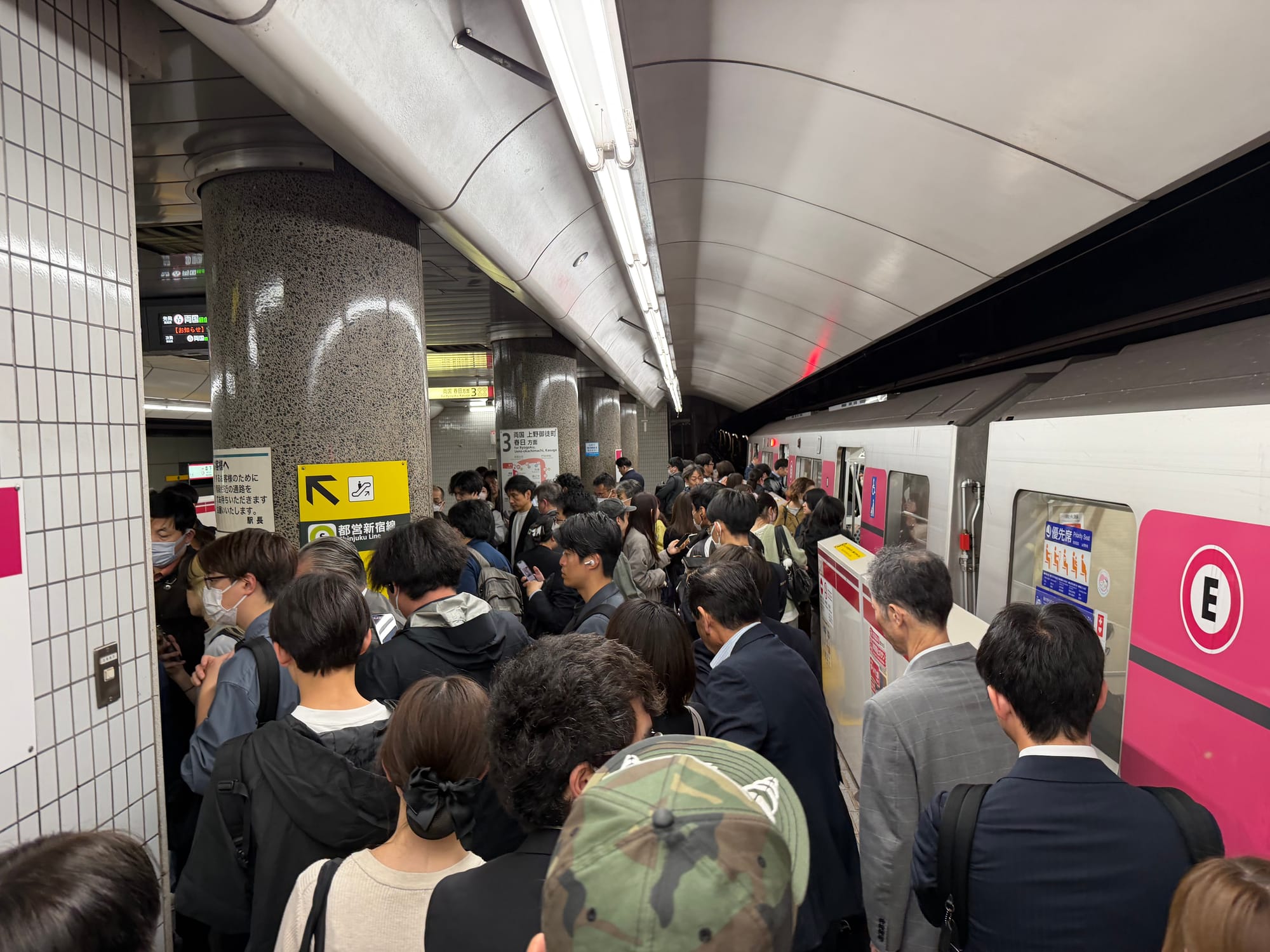
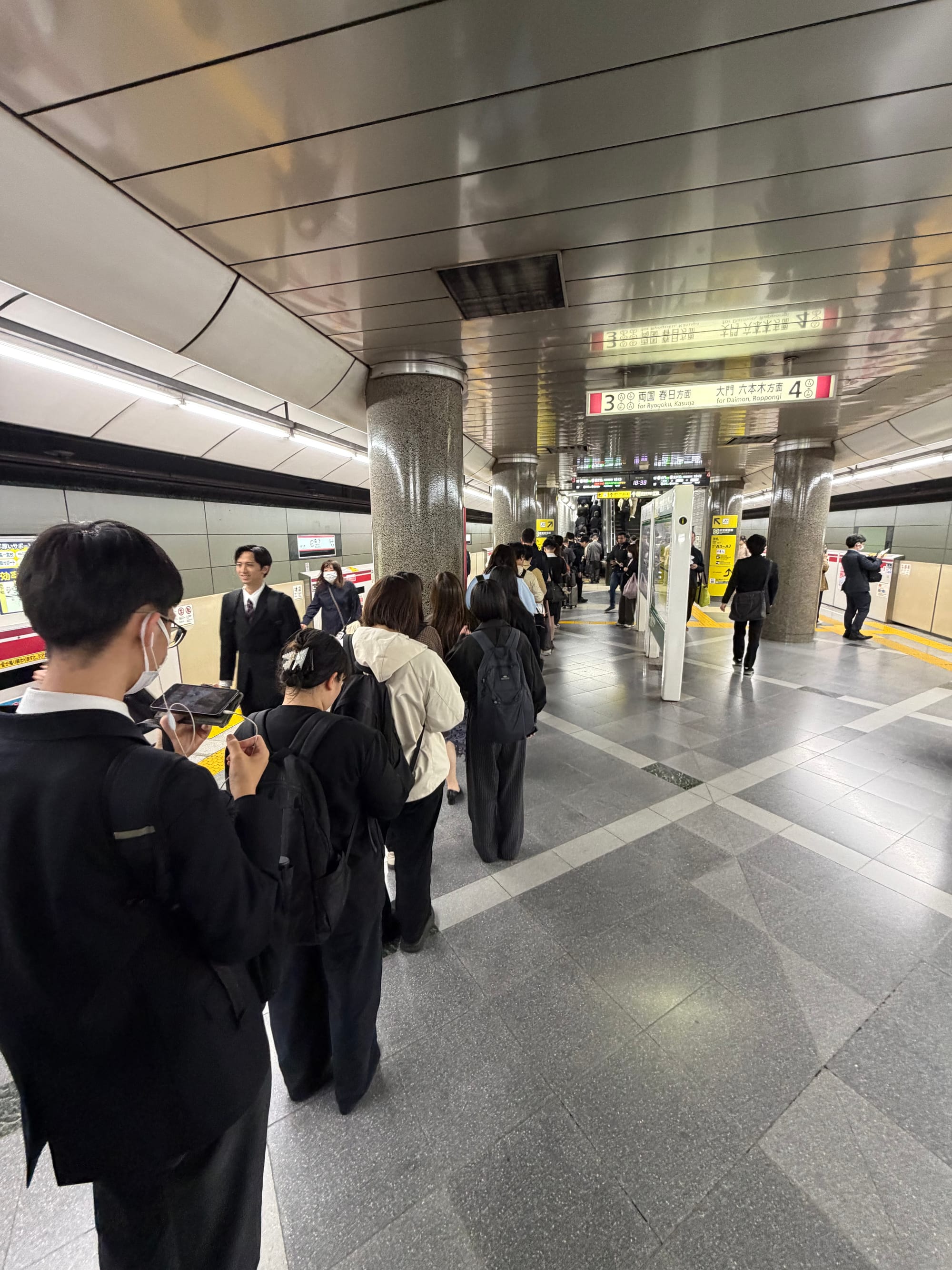
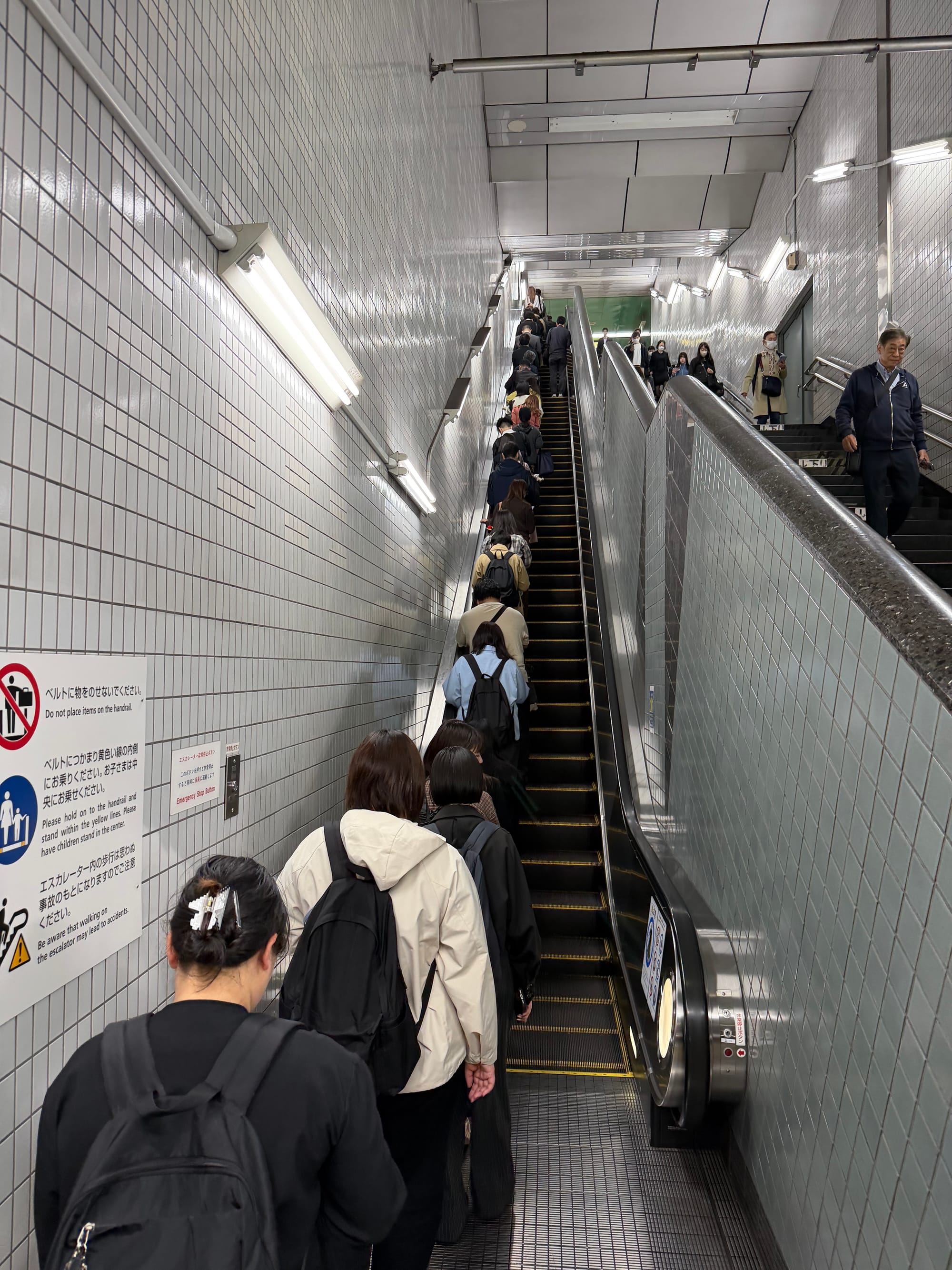
After a short rest, we jumped back on to the metro to our nightly event. We were traveling during rush hour, so the trains and the stations were very busy. As we exited the train to head to the escalator out of the station,we were all taken aback as everyone lined up in a very straight line to get on the escalator. There was no cutting in line or people pushing and shoving.
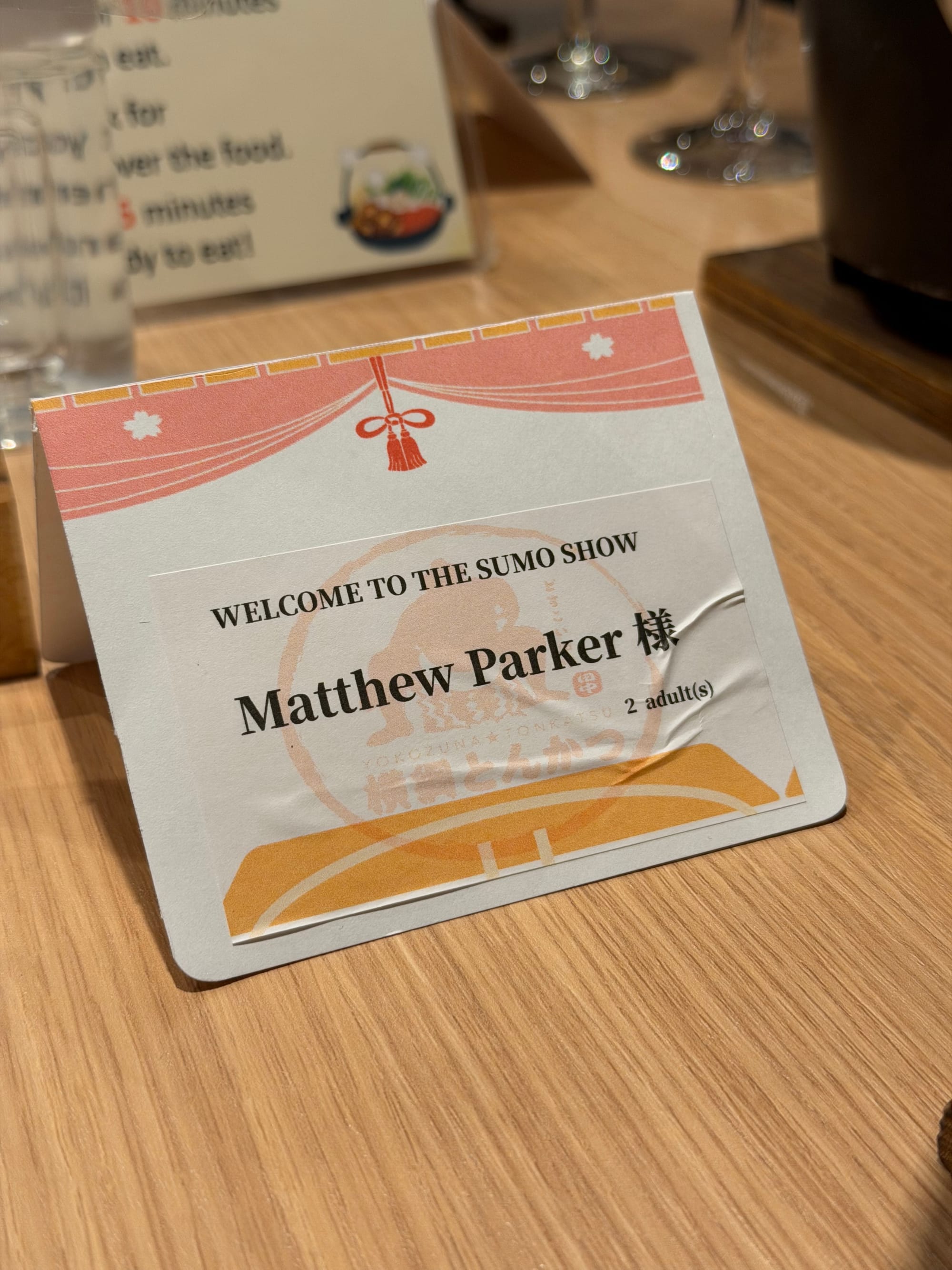
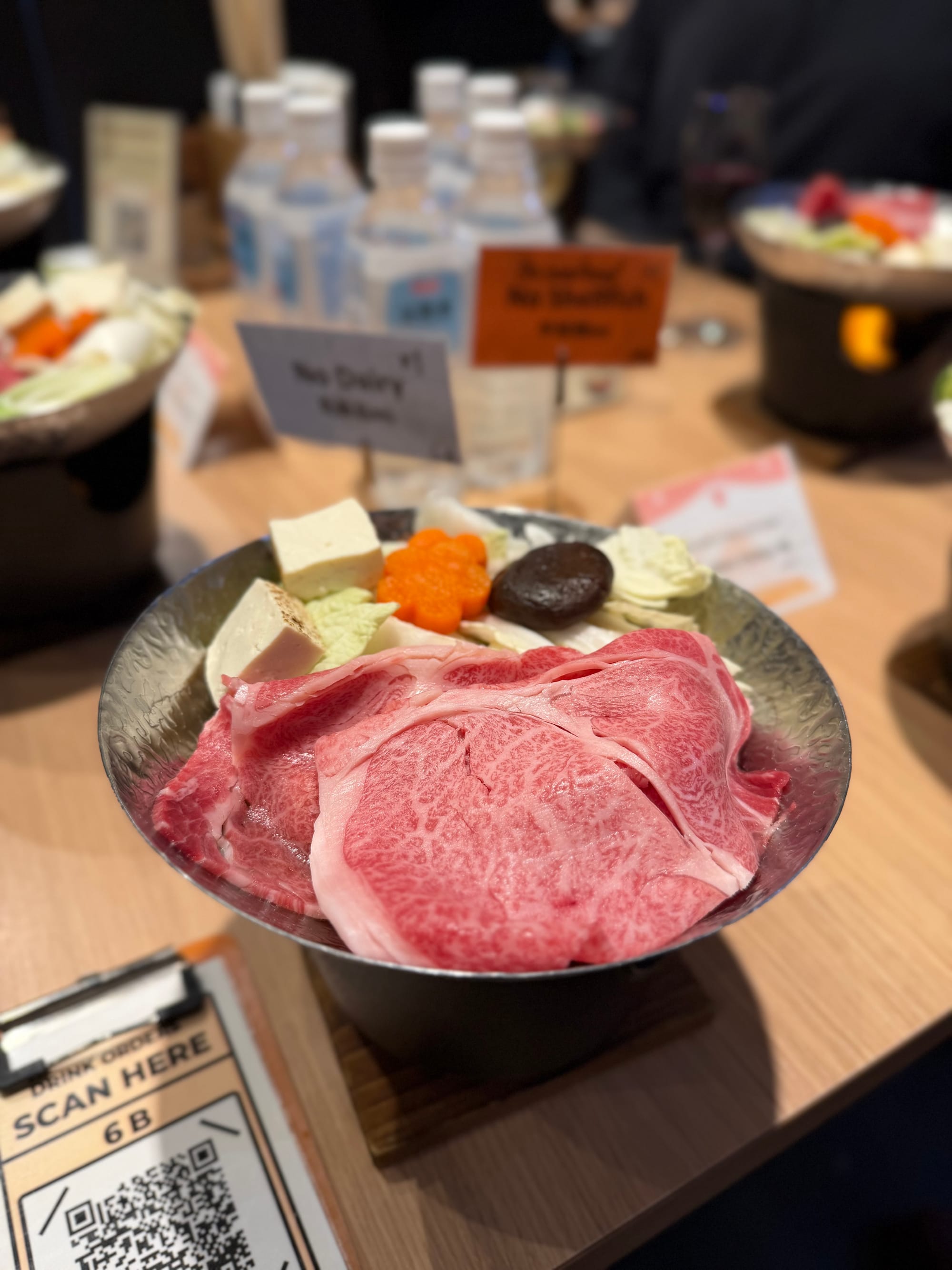
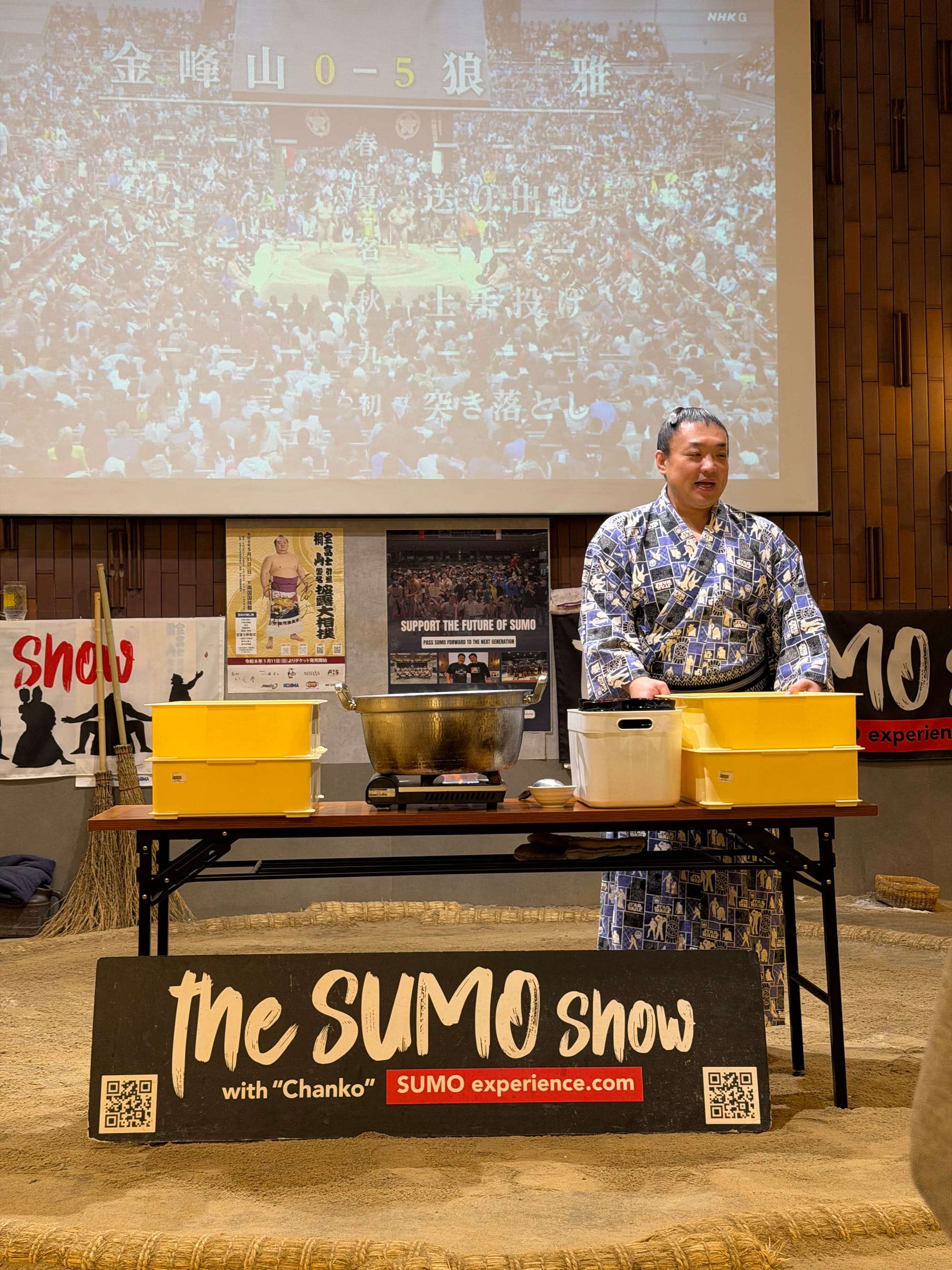
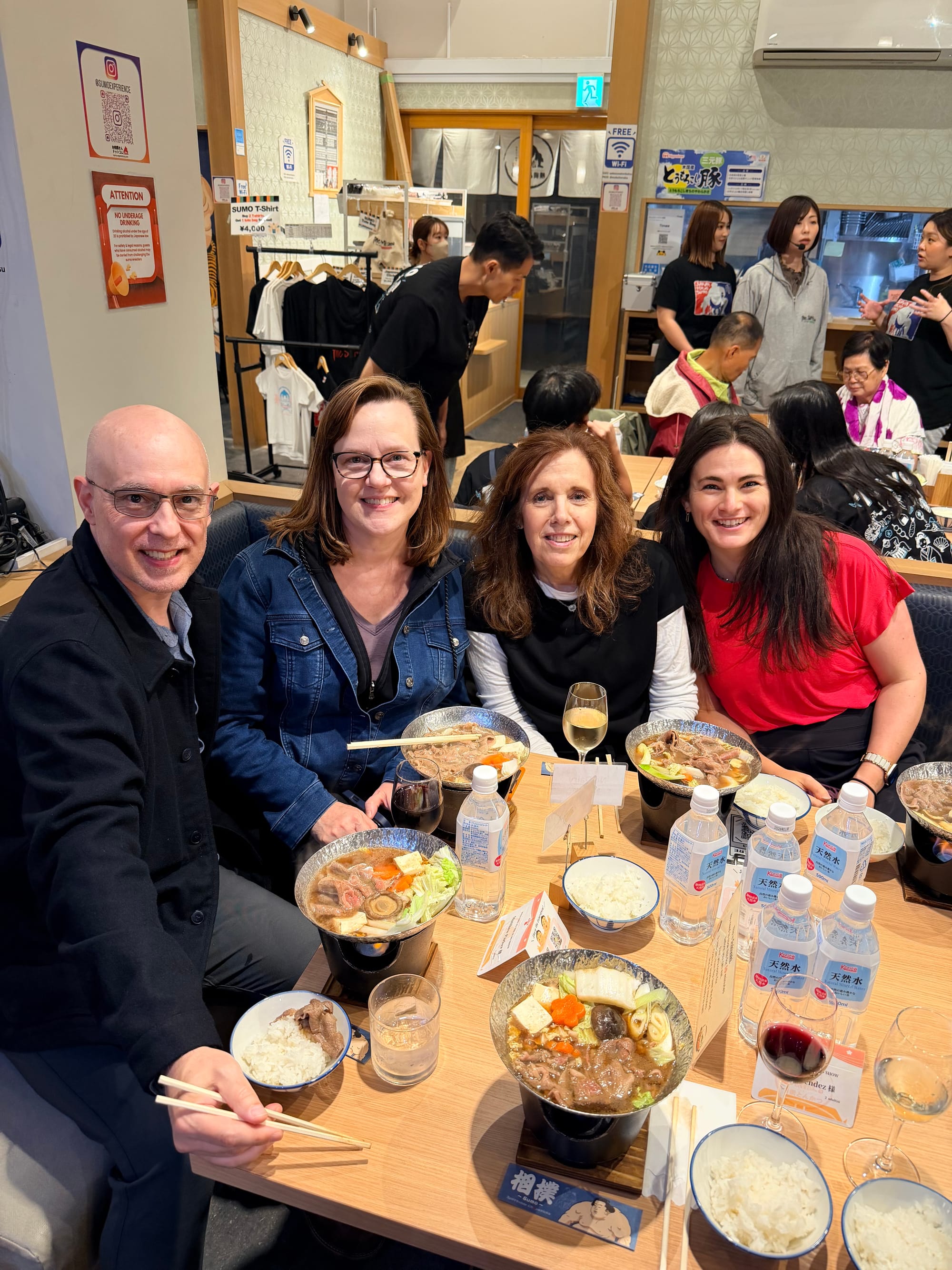
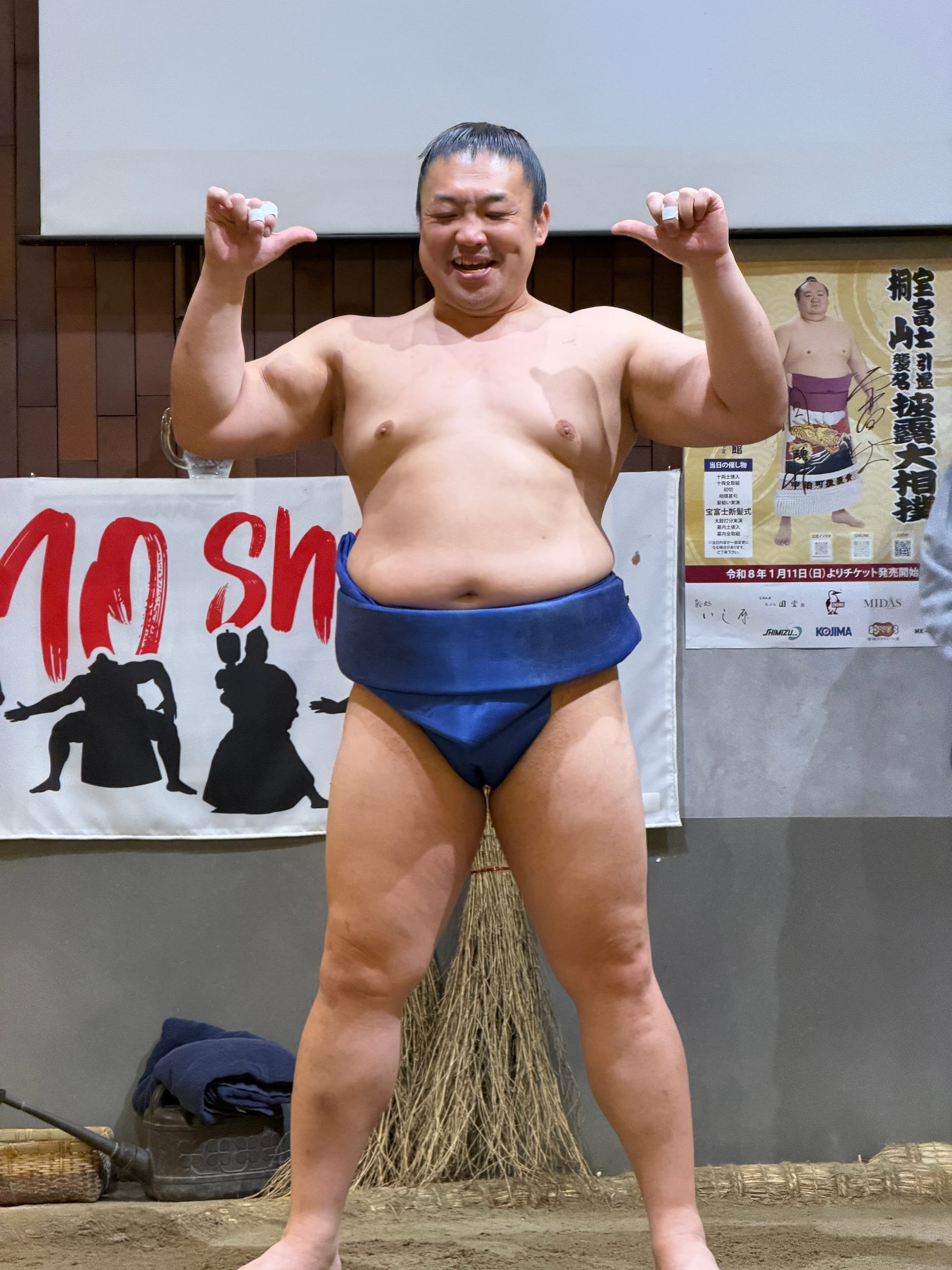
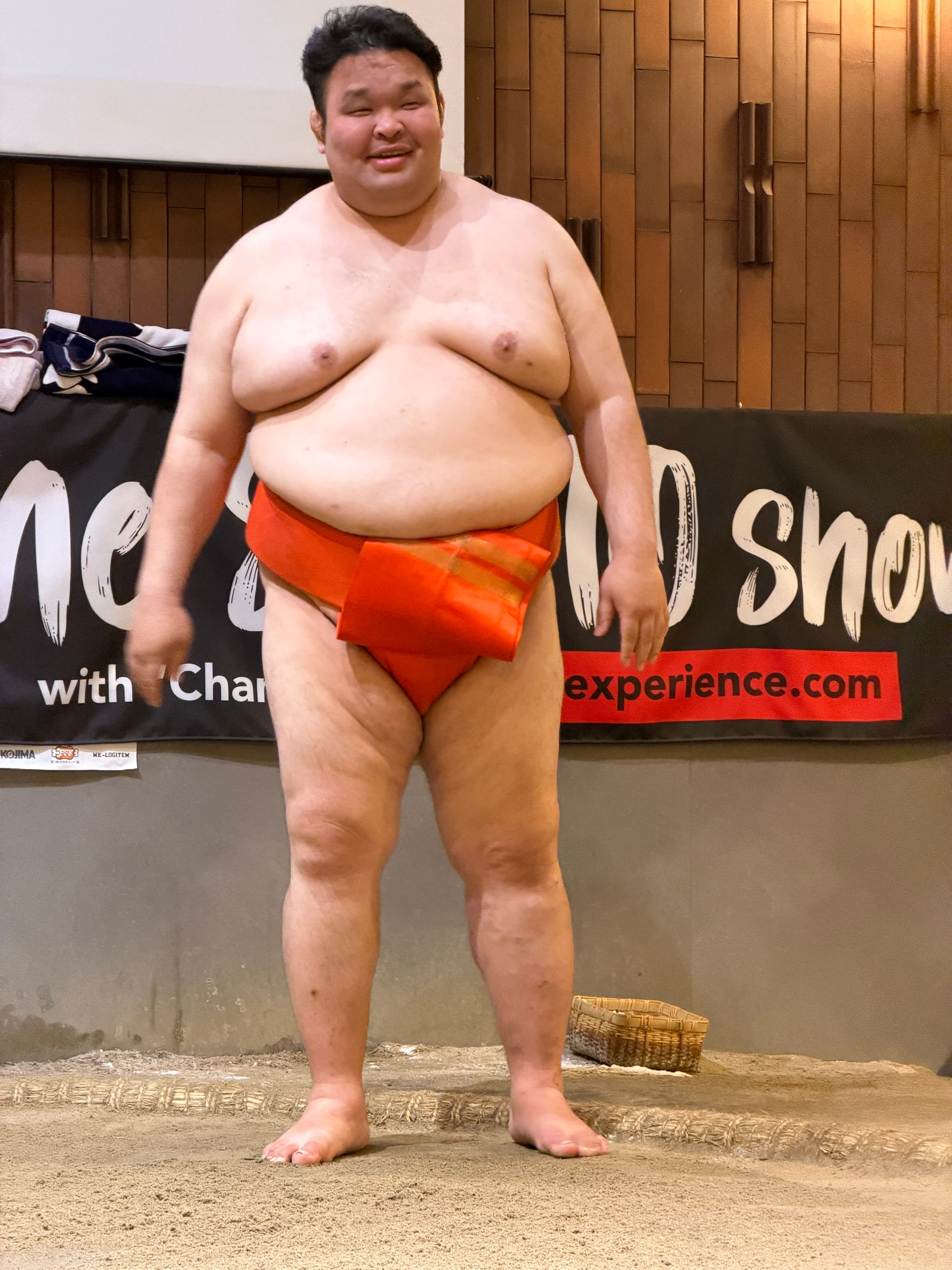
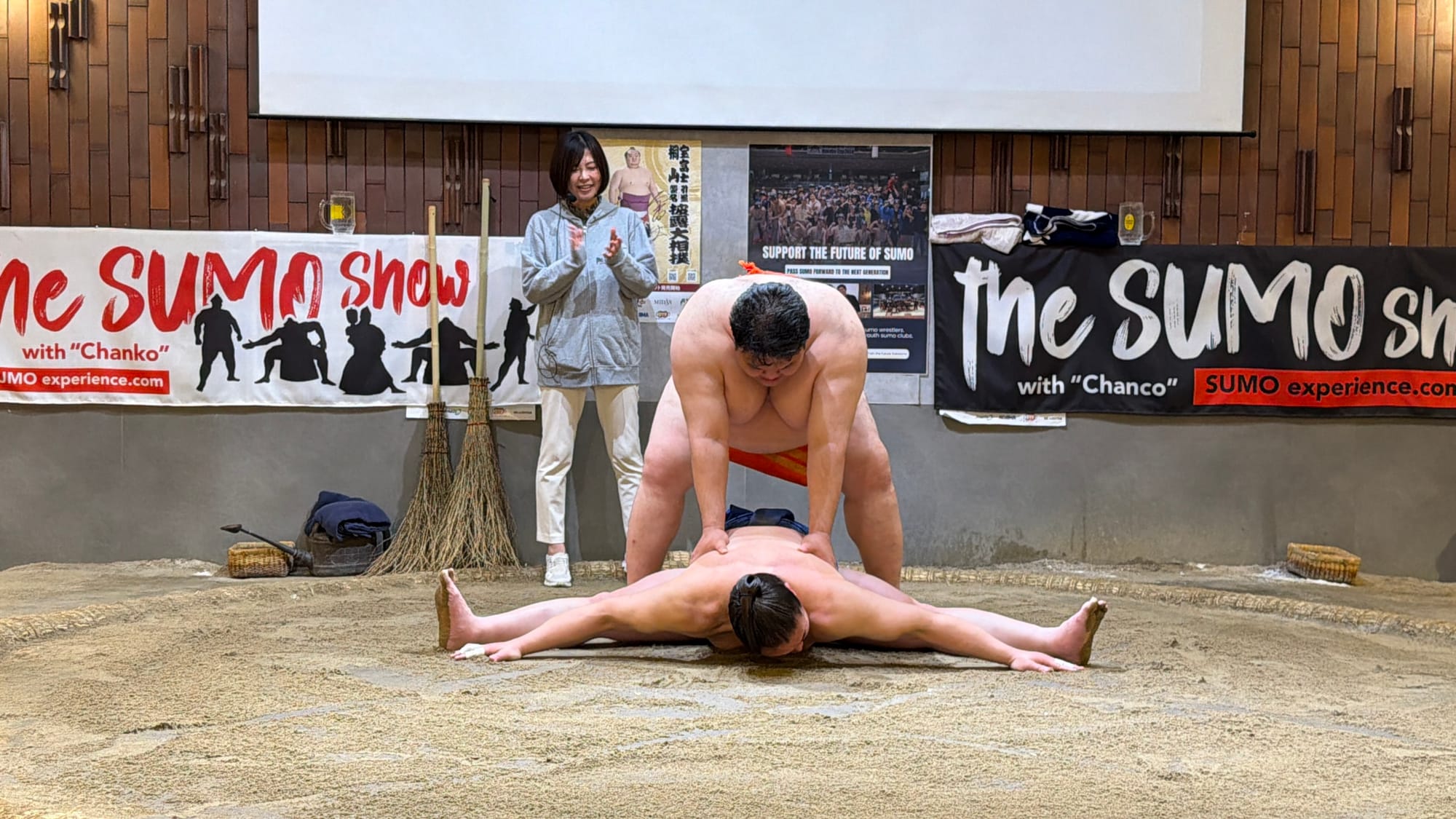
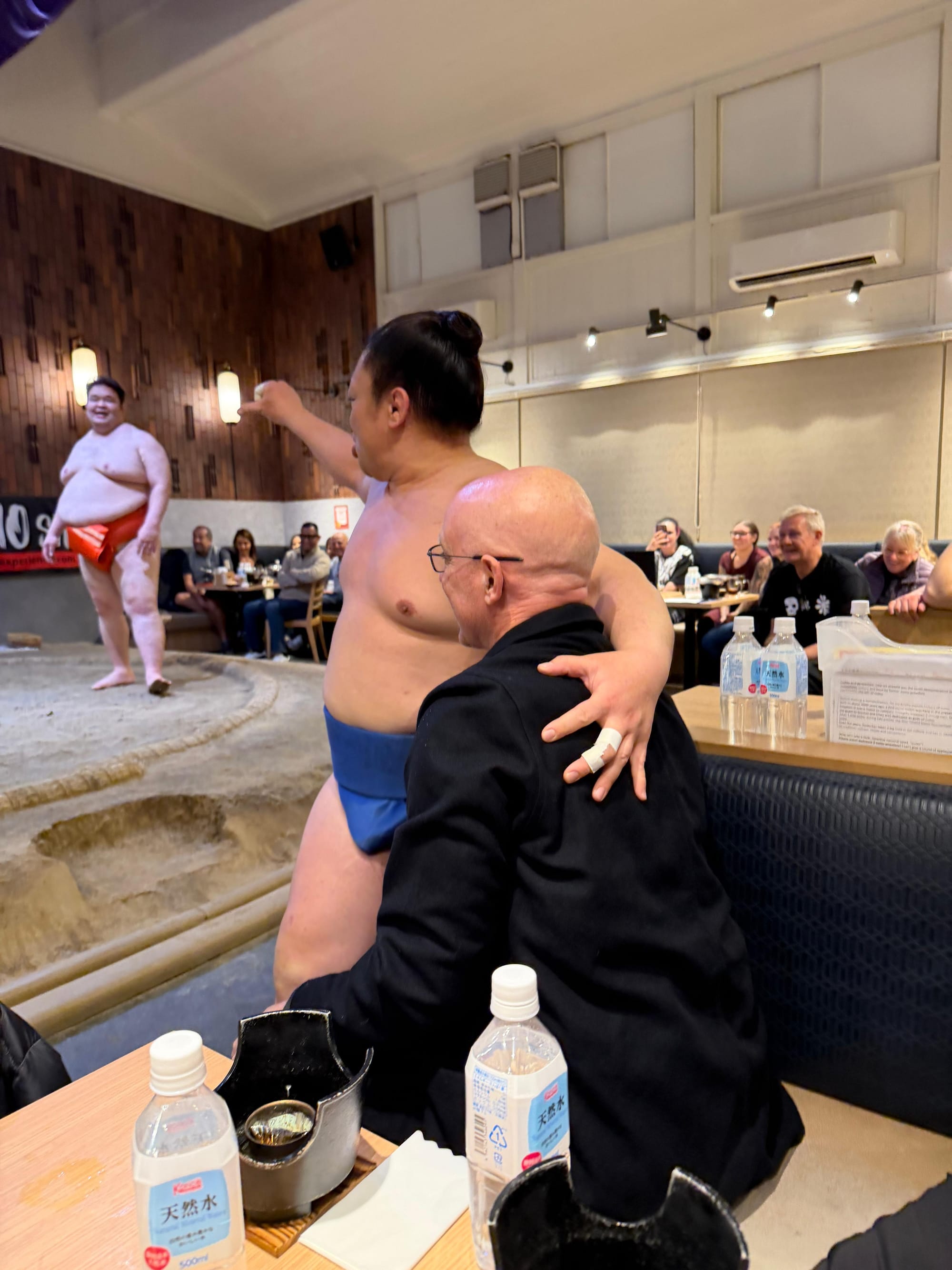
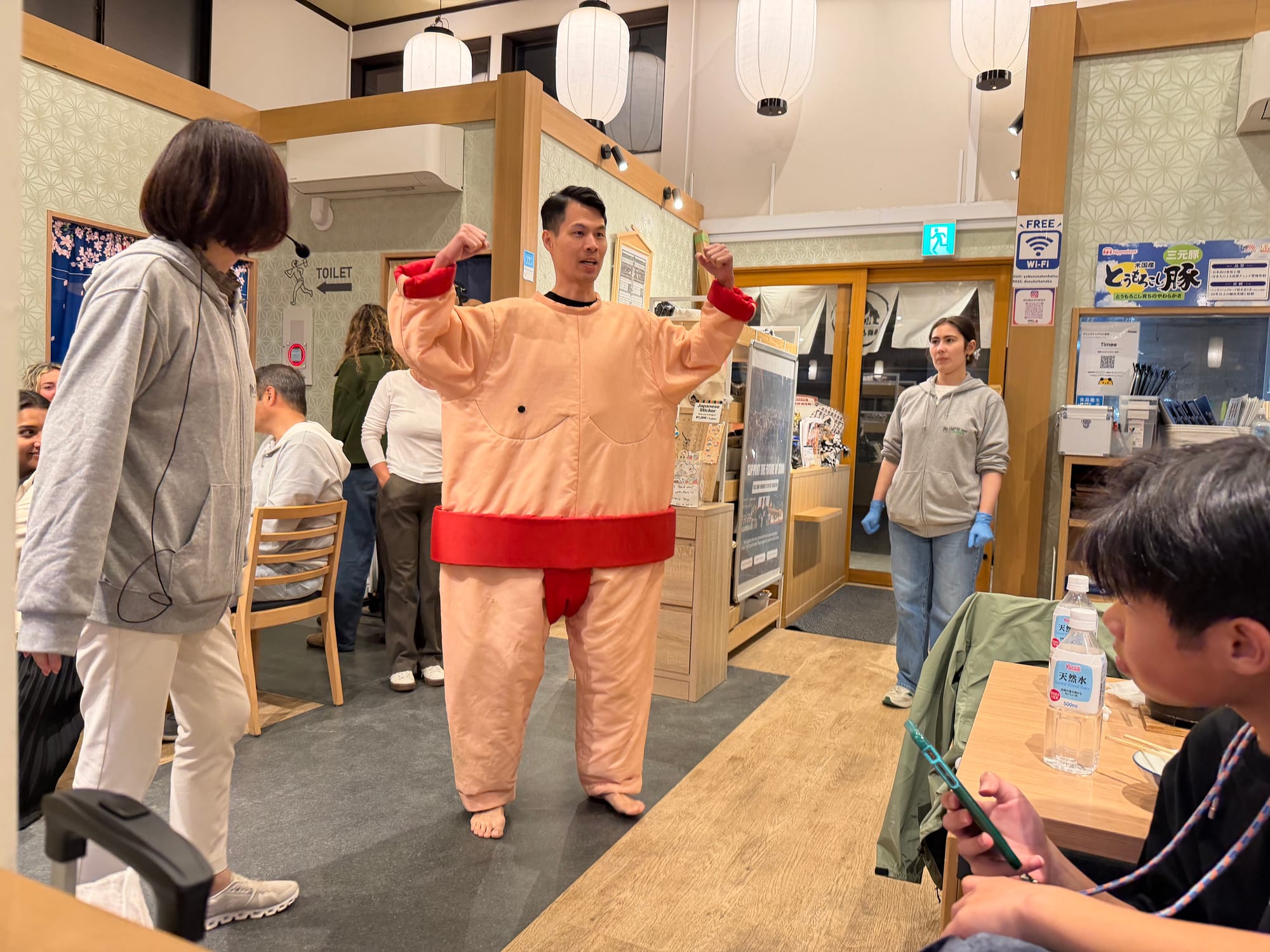
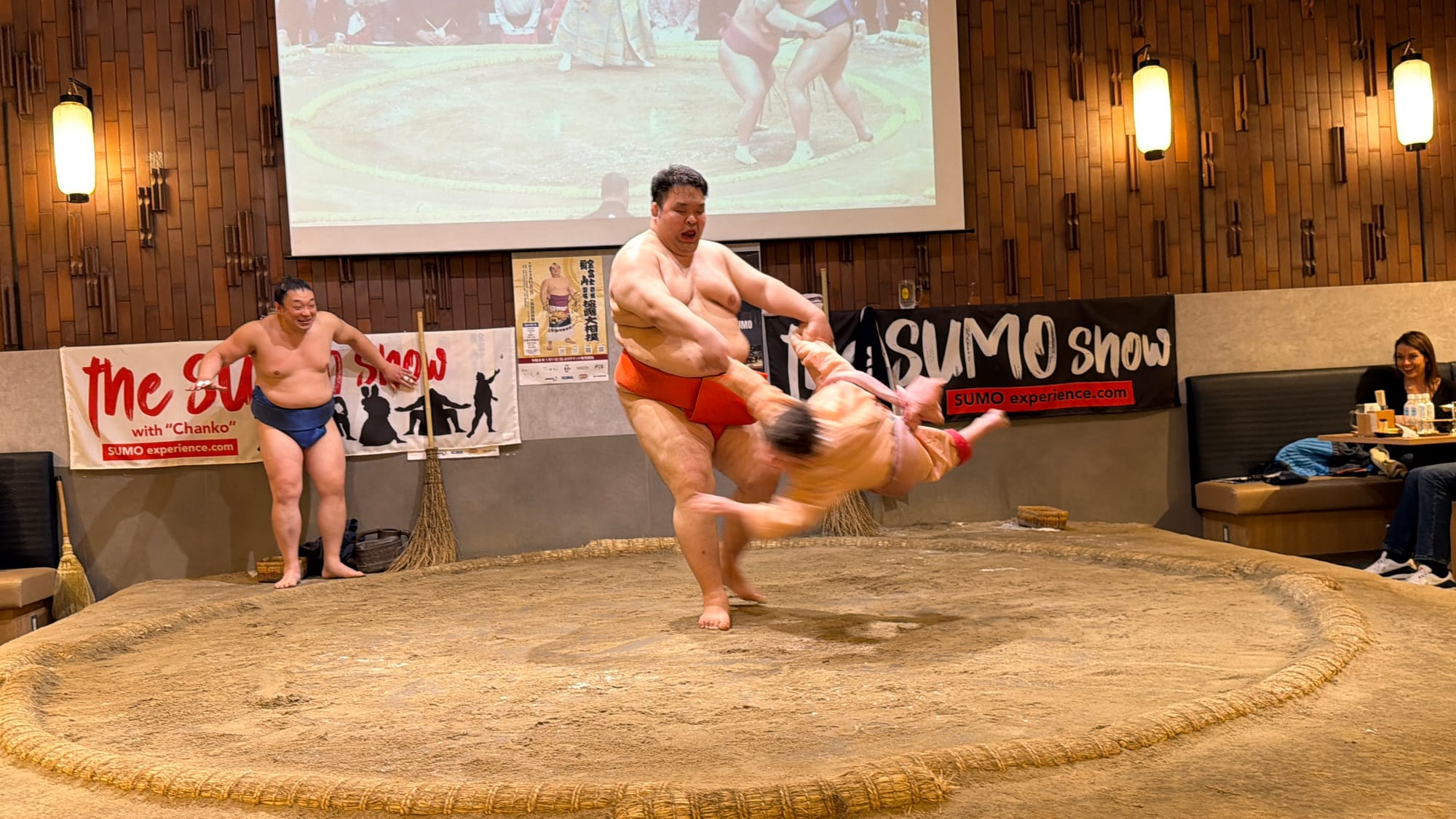
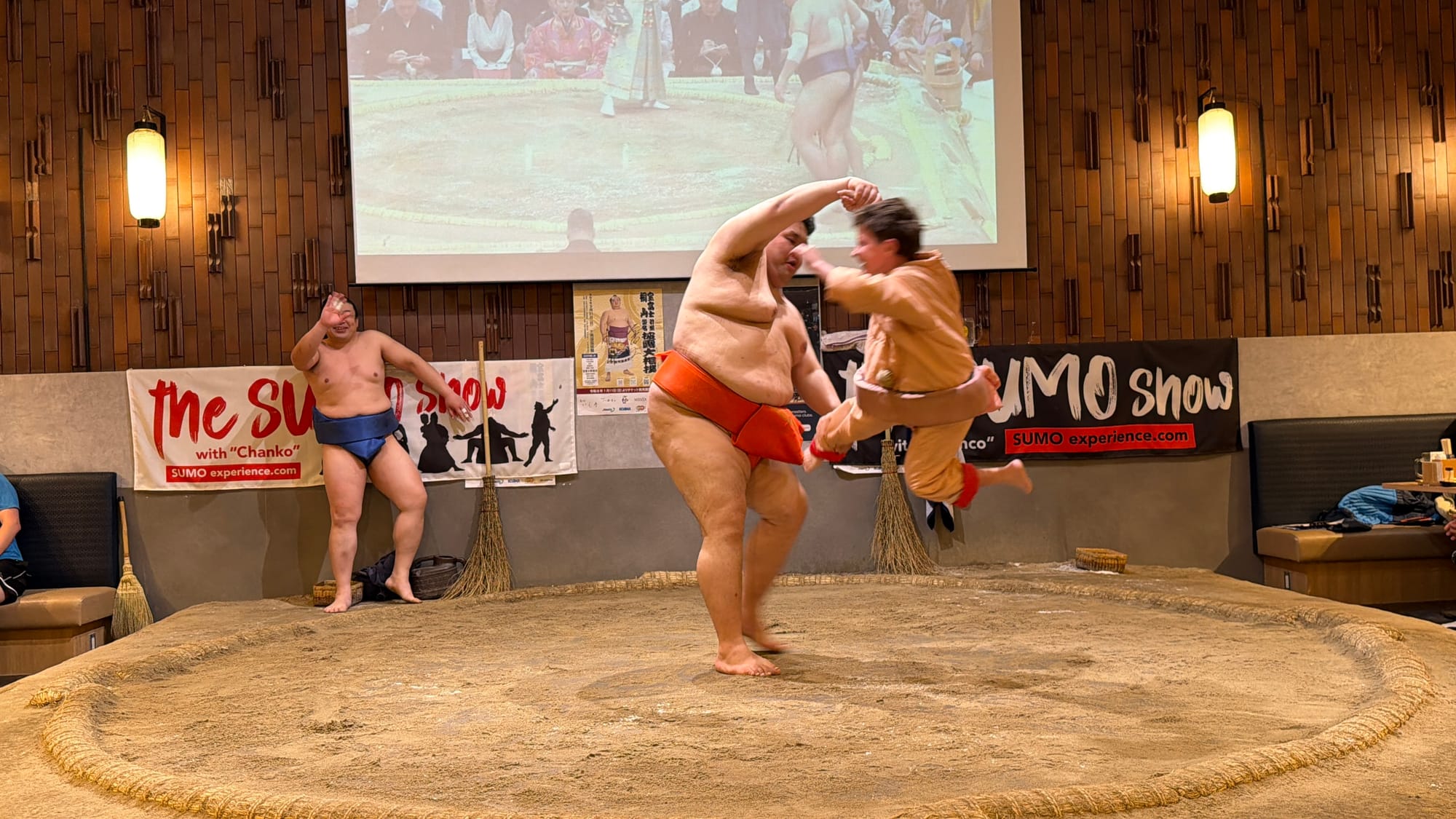
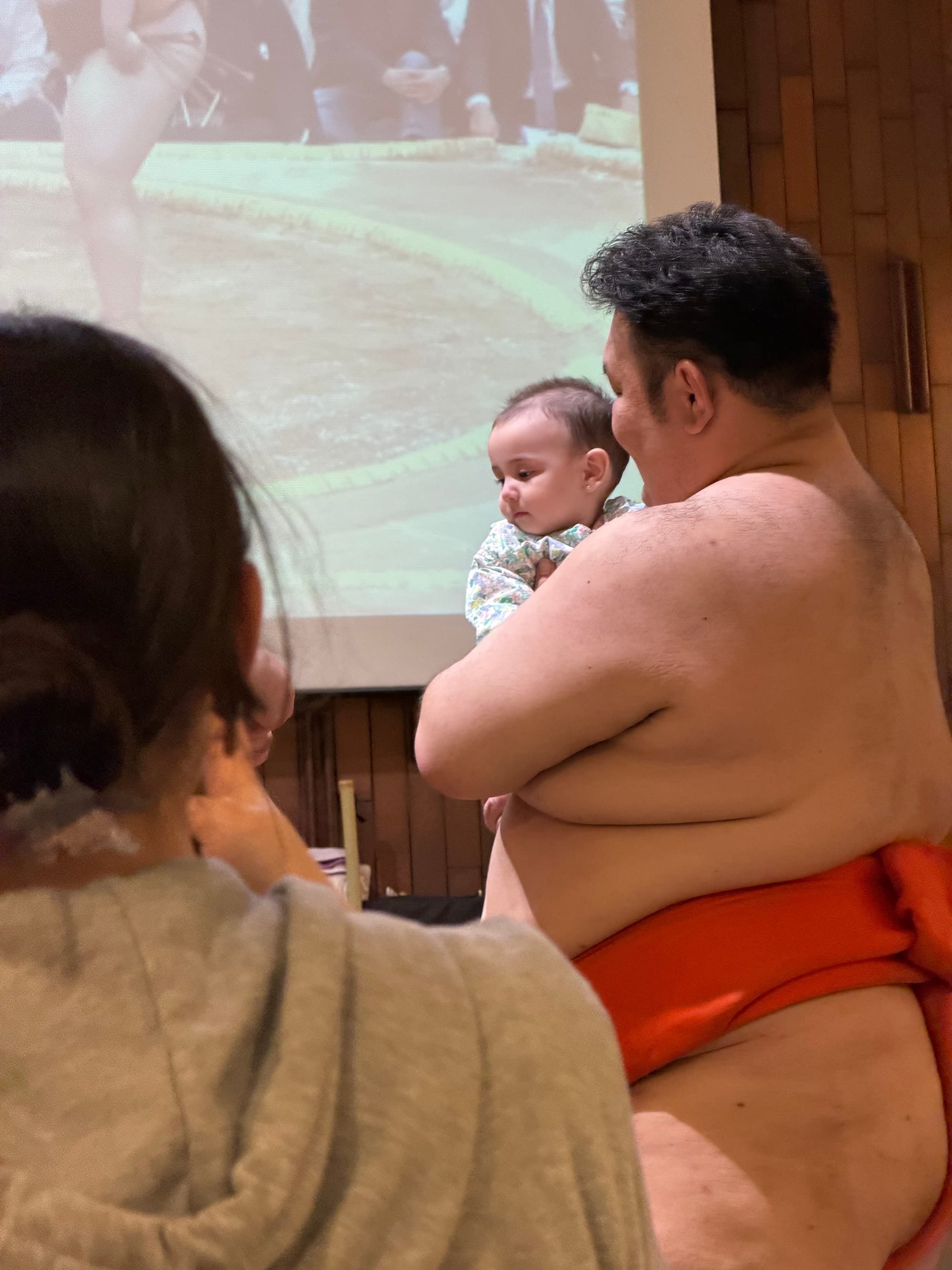
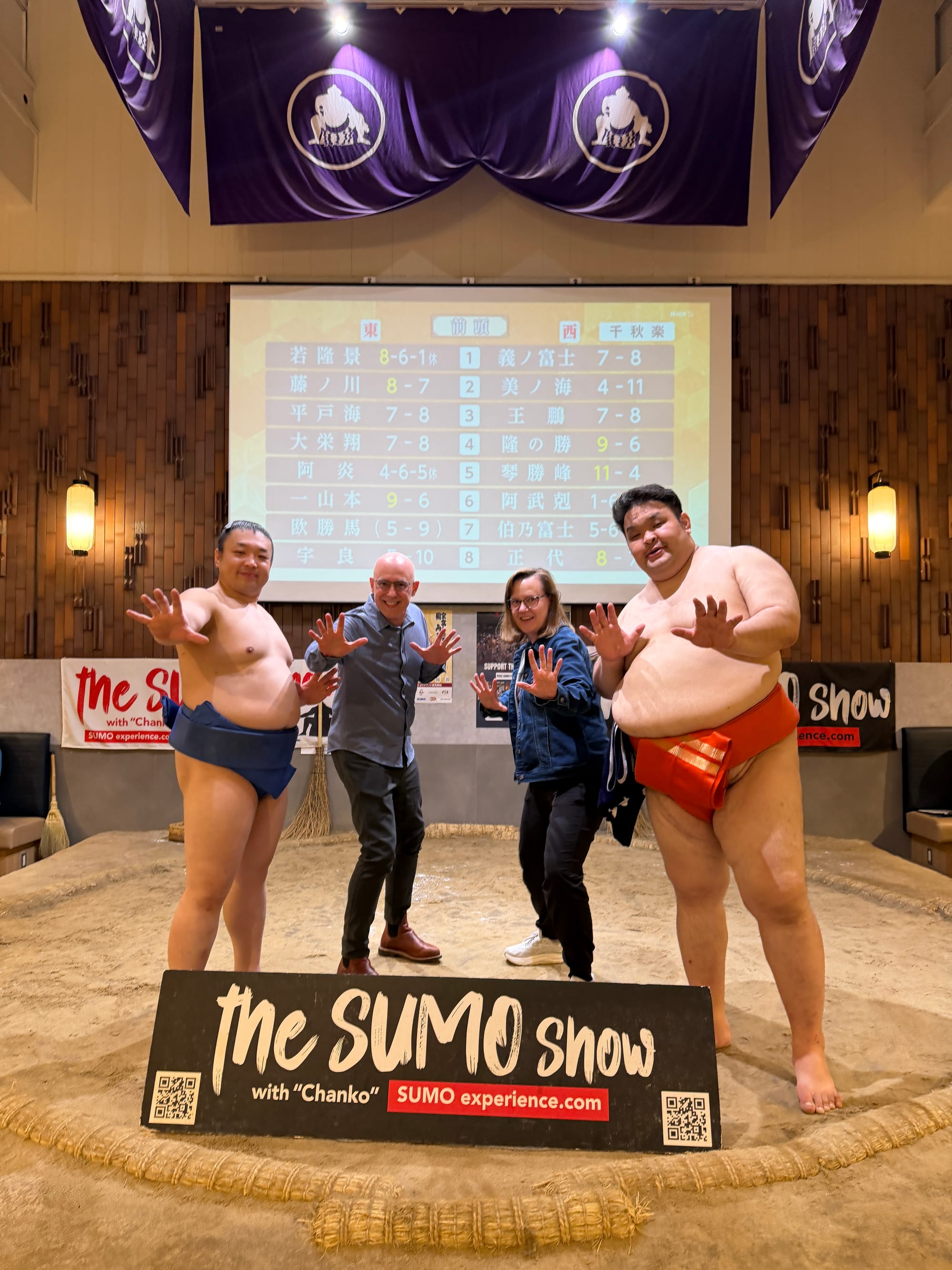
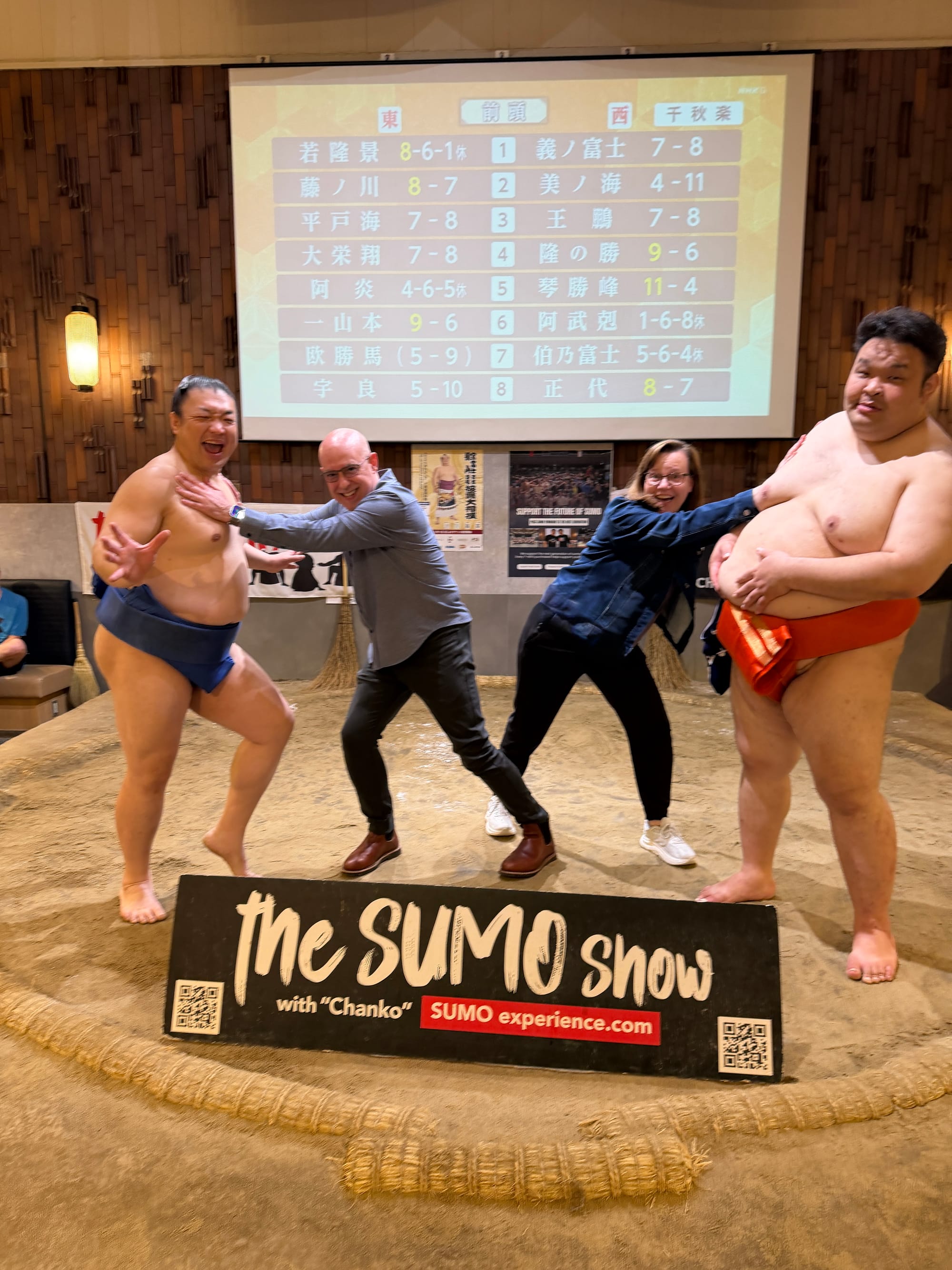
Our entire group booked a sumo show separately. It was kind of touristy, but fun. They served us a small dinner with Chanko, a one-pot dish commonly eaten in vast quantities by sumo wrestlers while trying to gain weight, prepared by a retired sumo wrestler. We were given an overview of the rules of sumo, an overview and demonstration of their daily workout, and some of the most common techniques used during a match. During a major competition, a wrestler will only have one match so it is very important he is prepared. Each bout normally only lasts for a few seconds, though can go longer if the competitors are closely matched. If the bout takes more than 4 minutes the referee asks for a break.