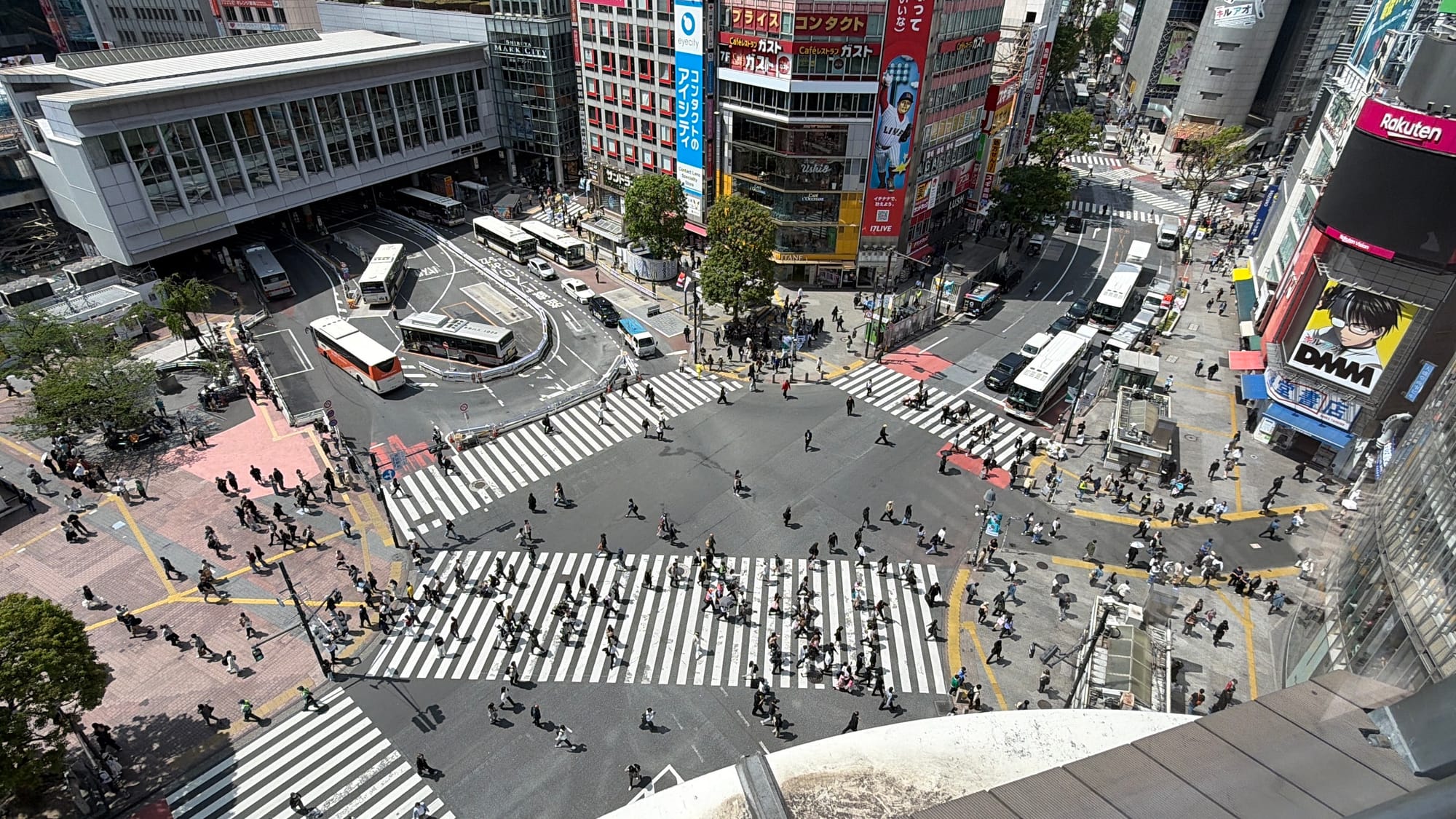
Shibuya Crossing
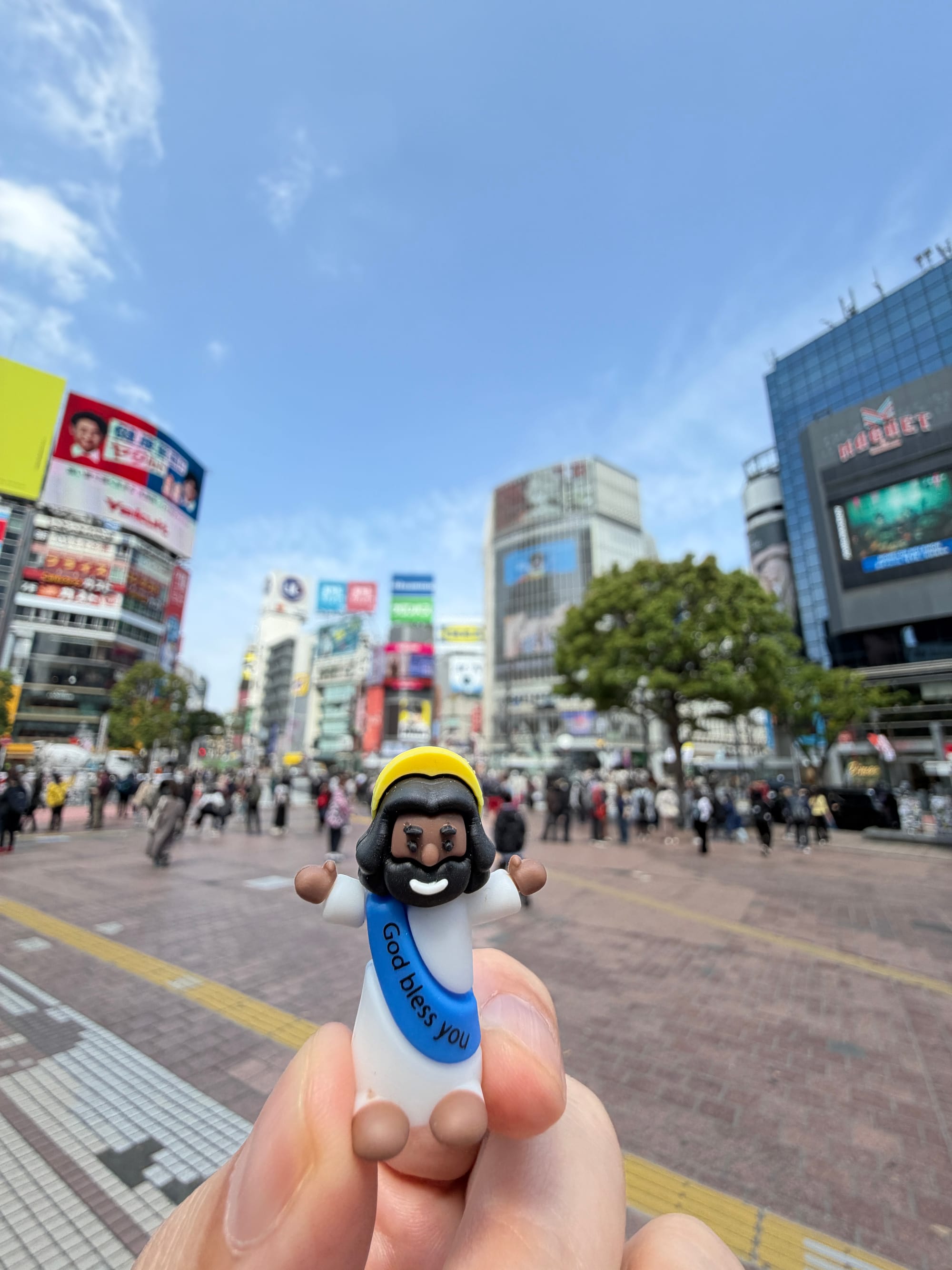
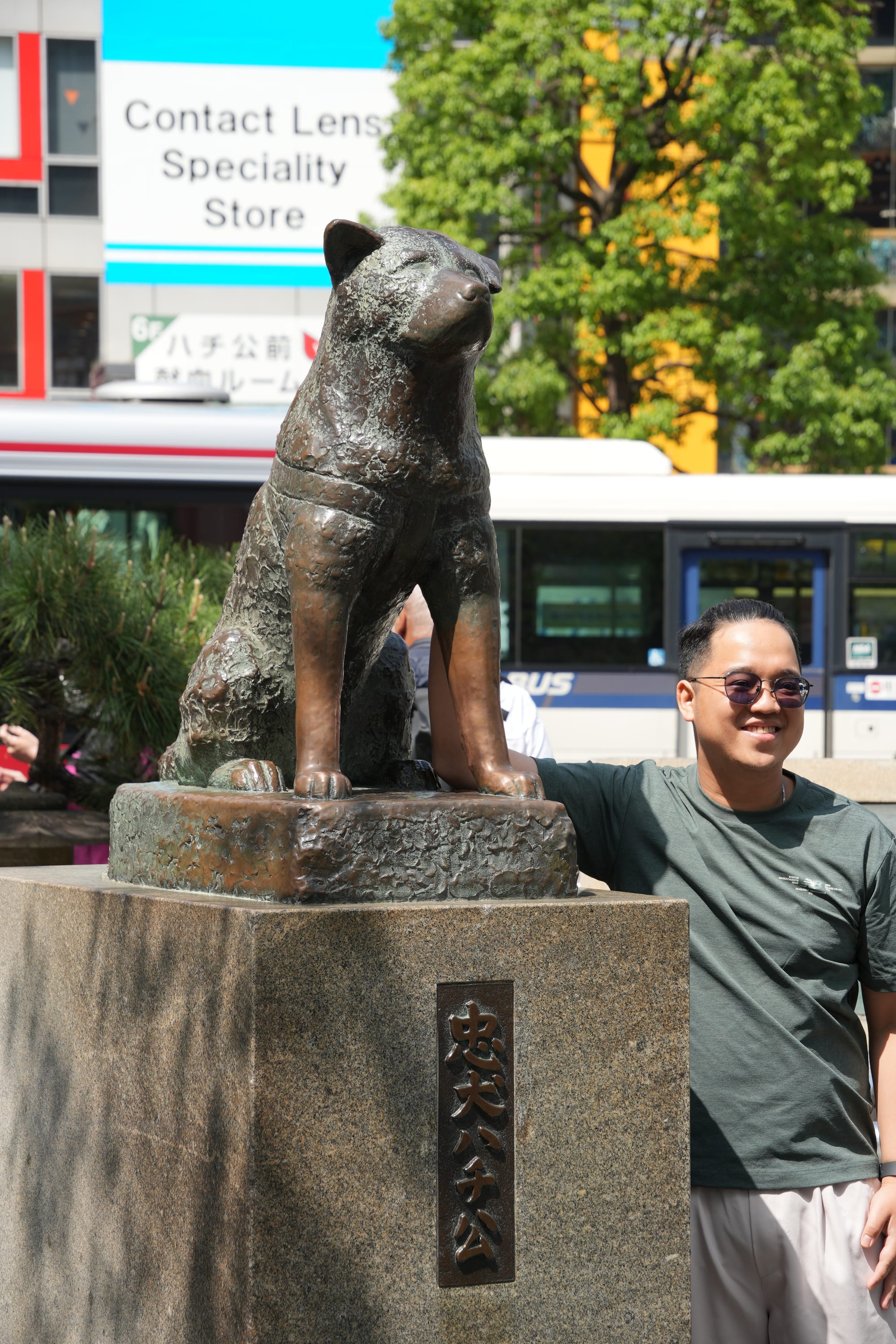
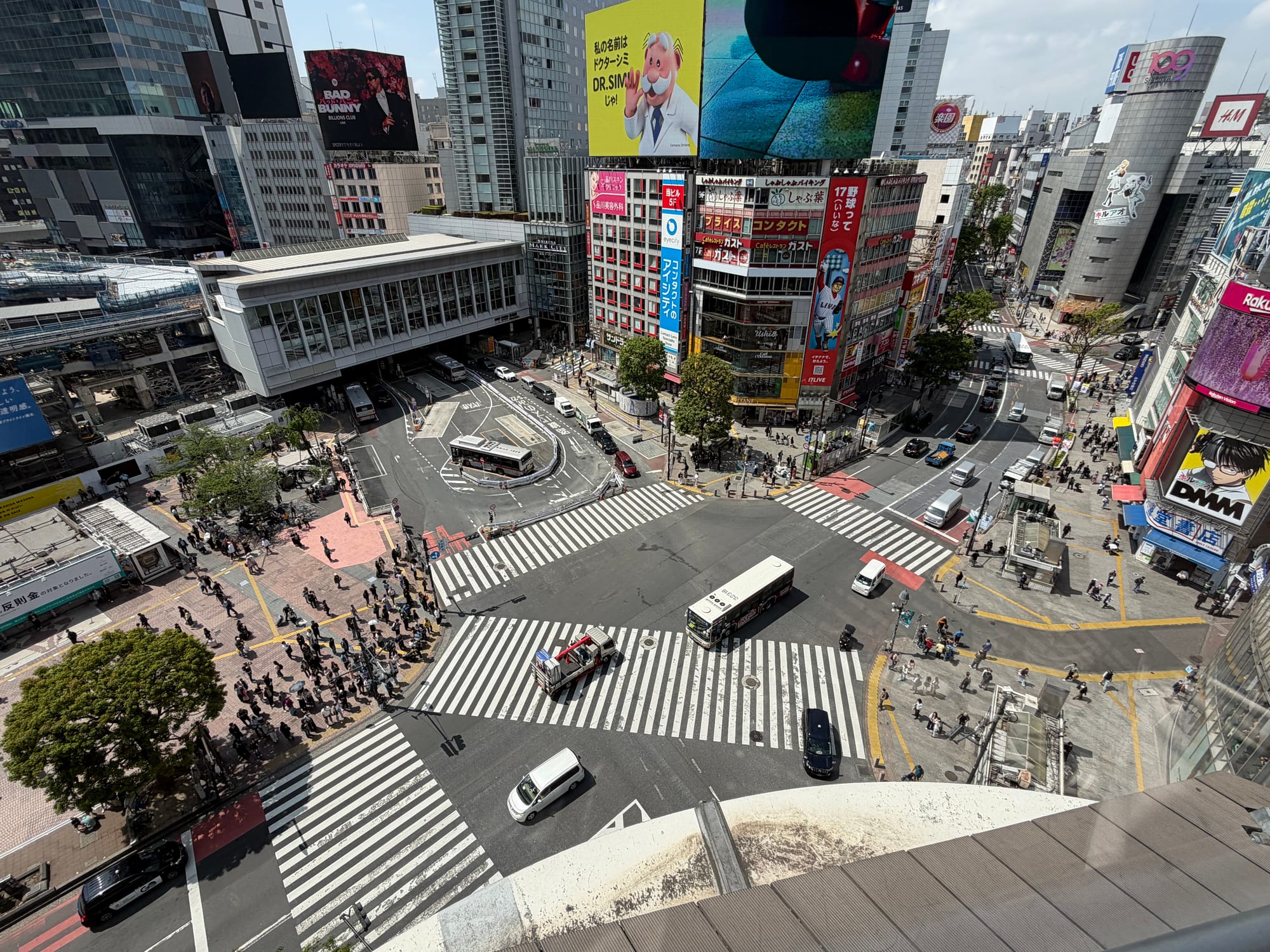
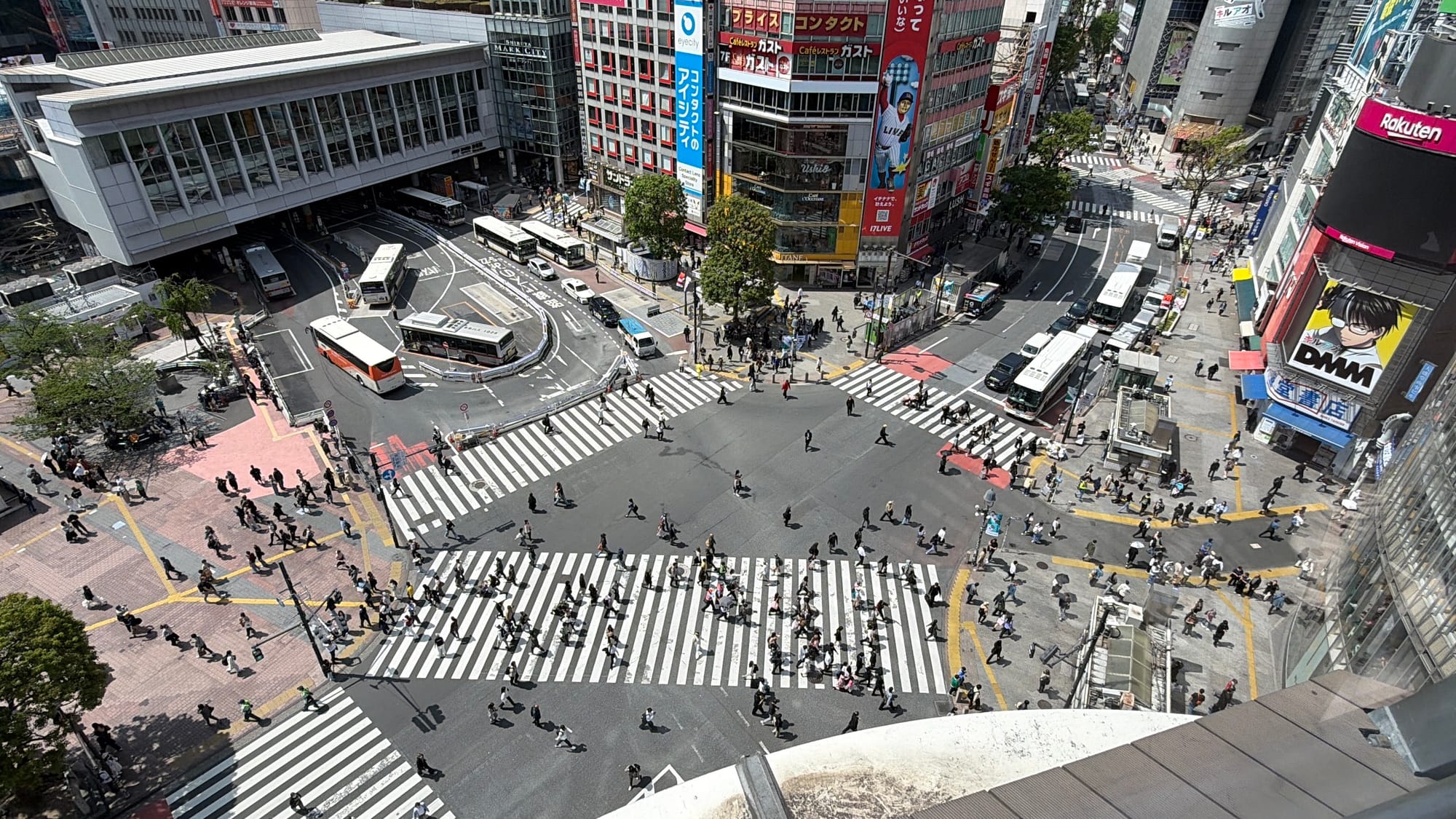
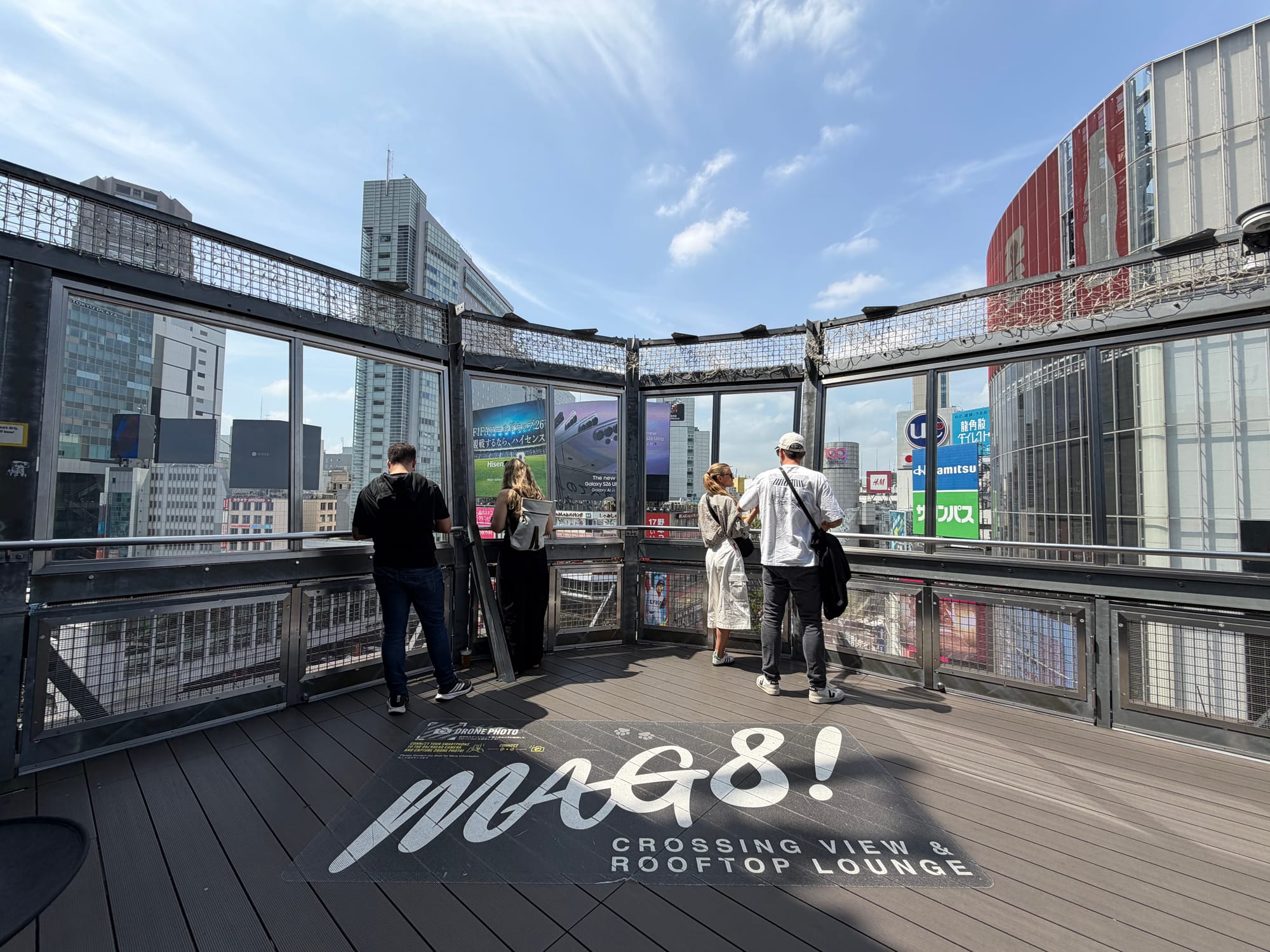
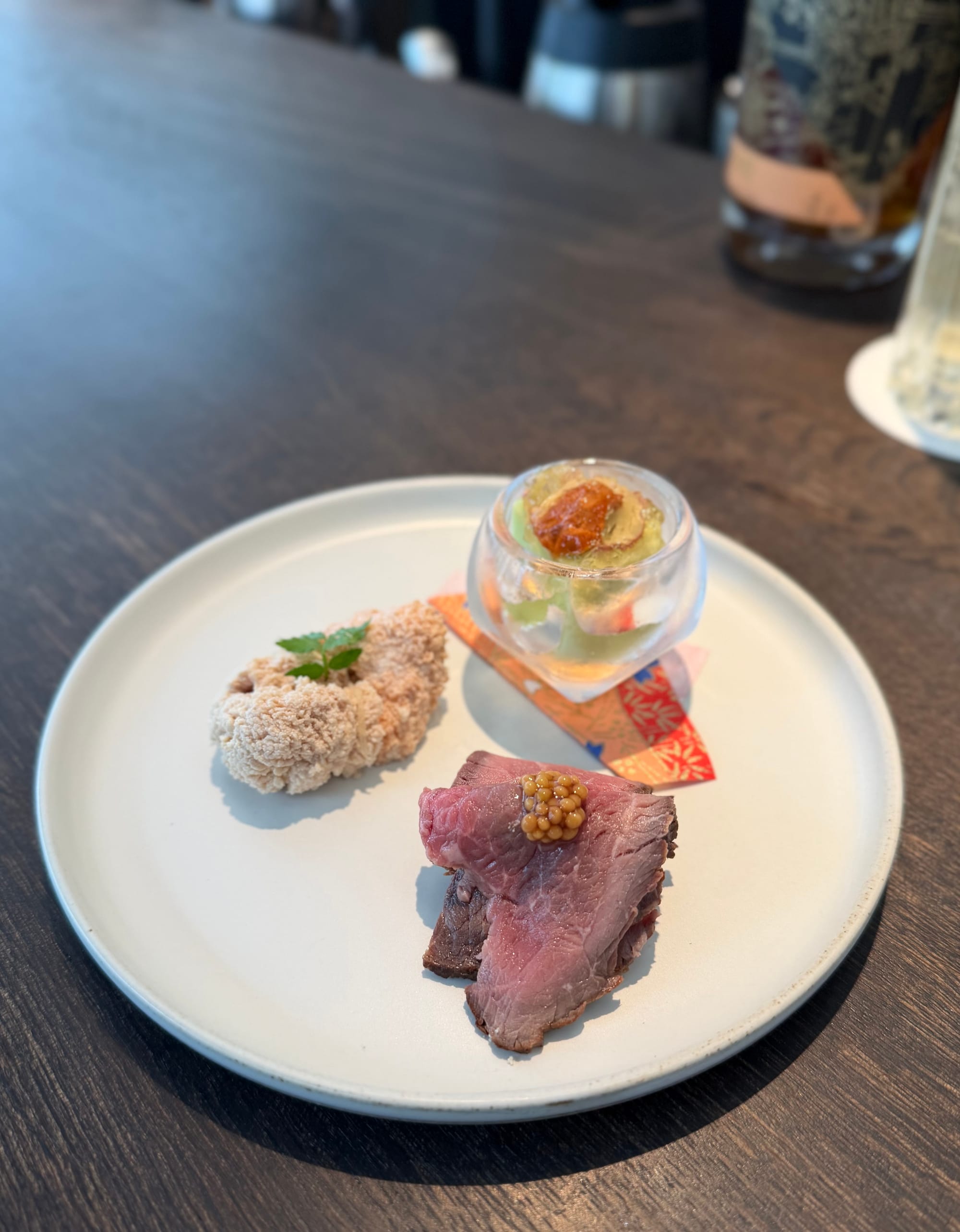
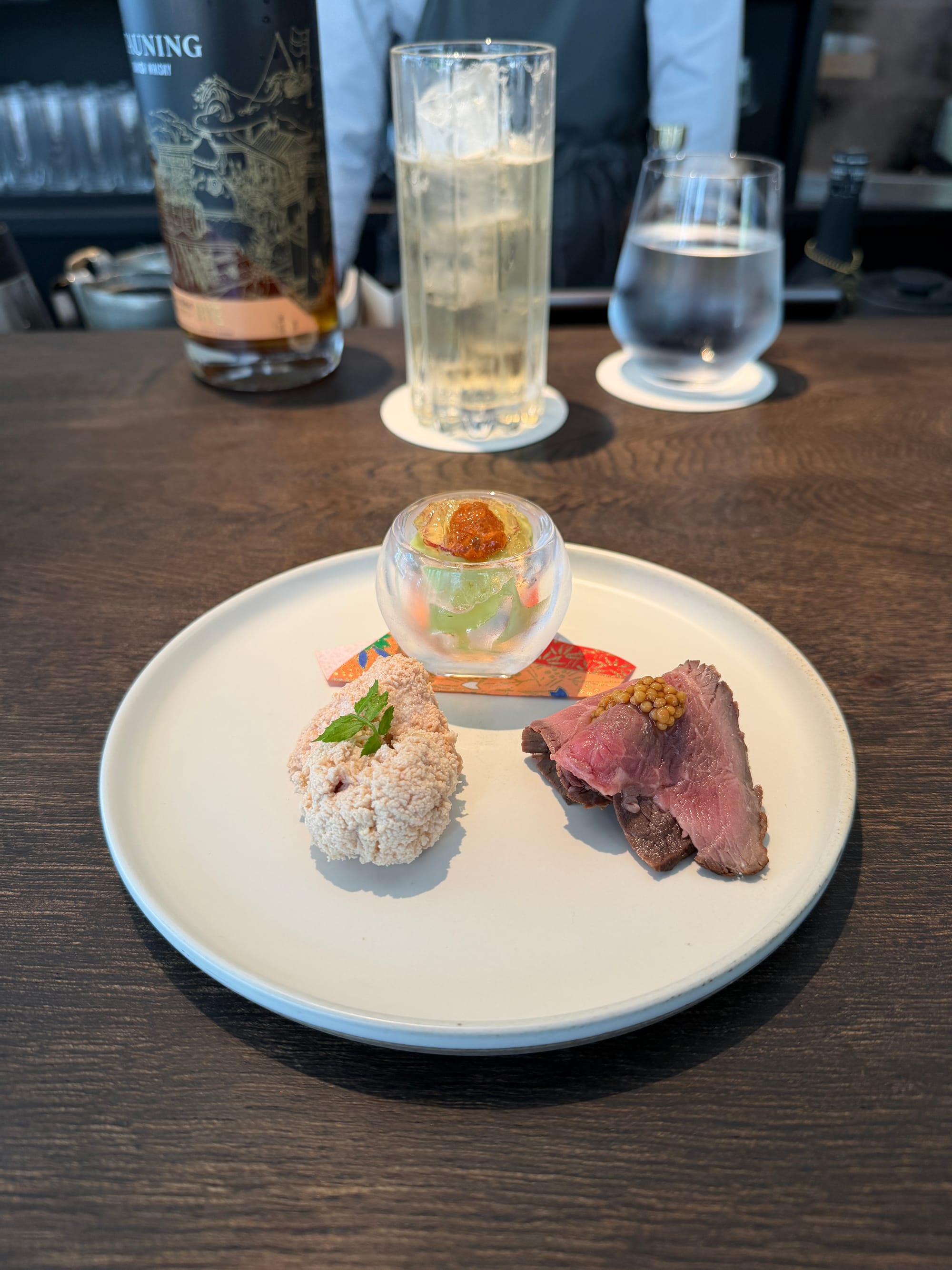
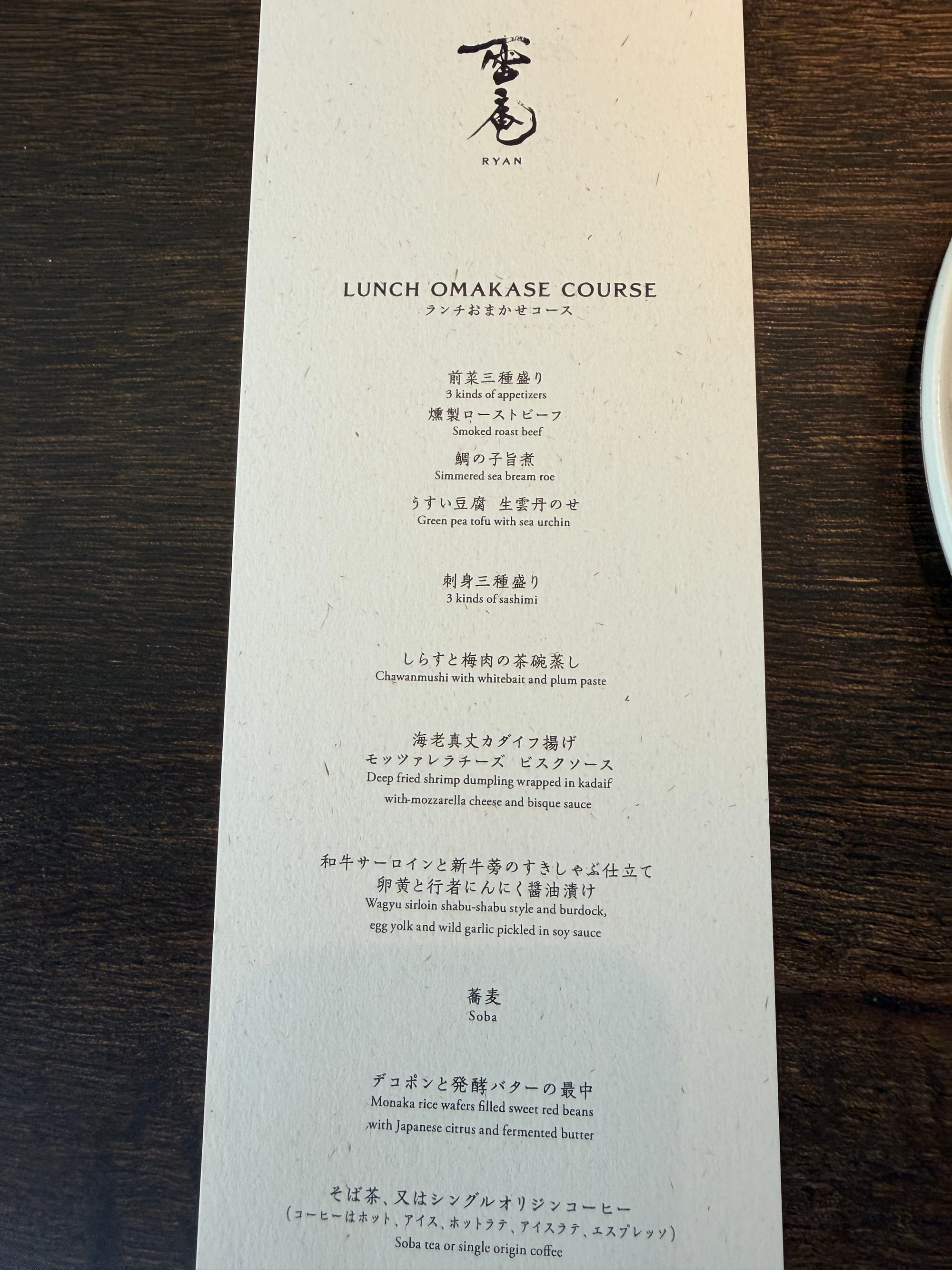
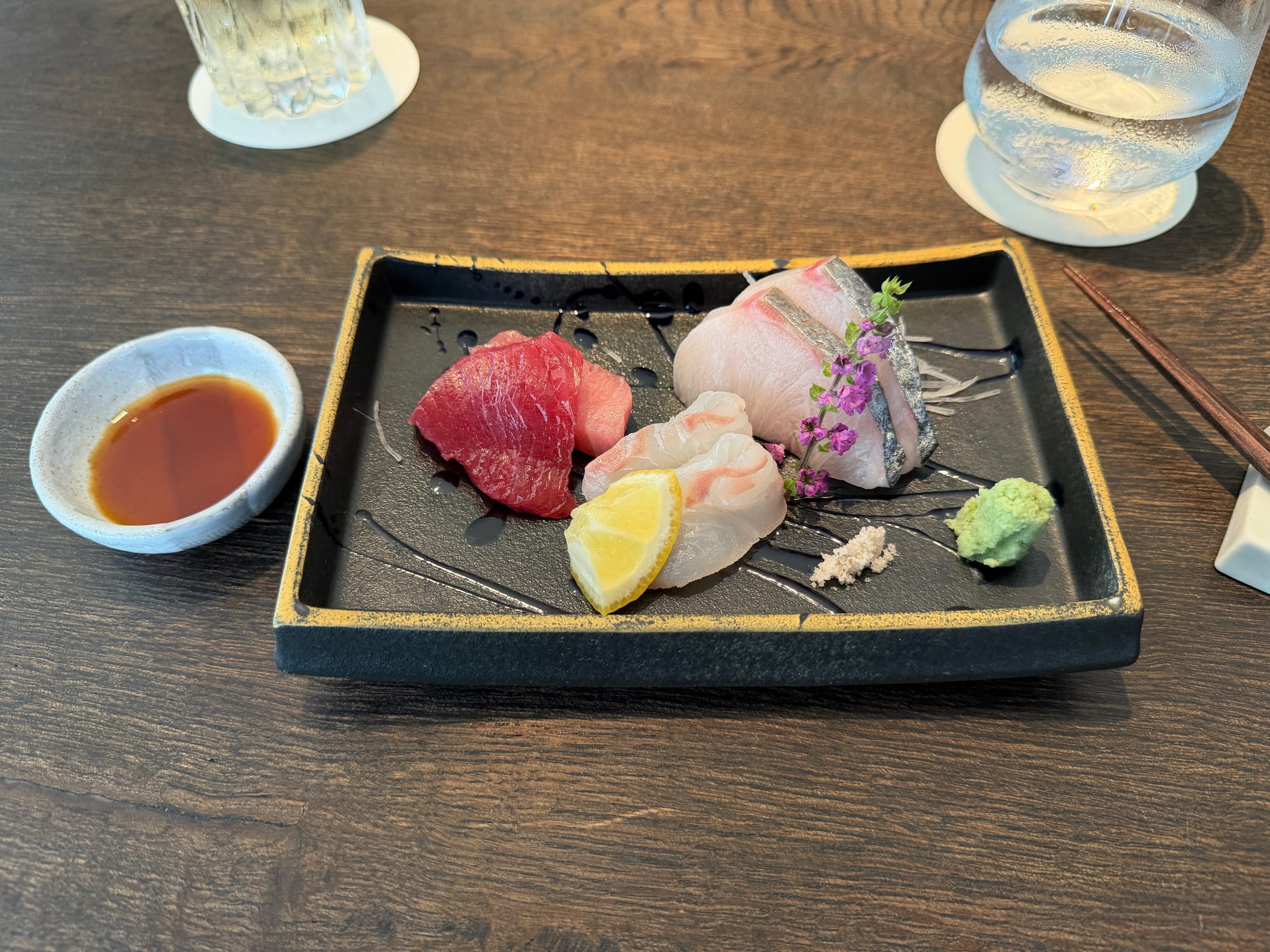
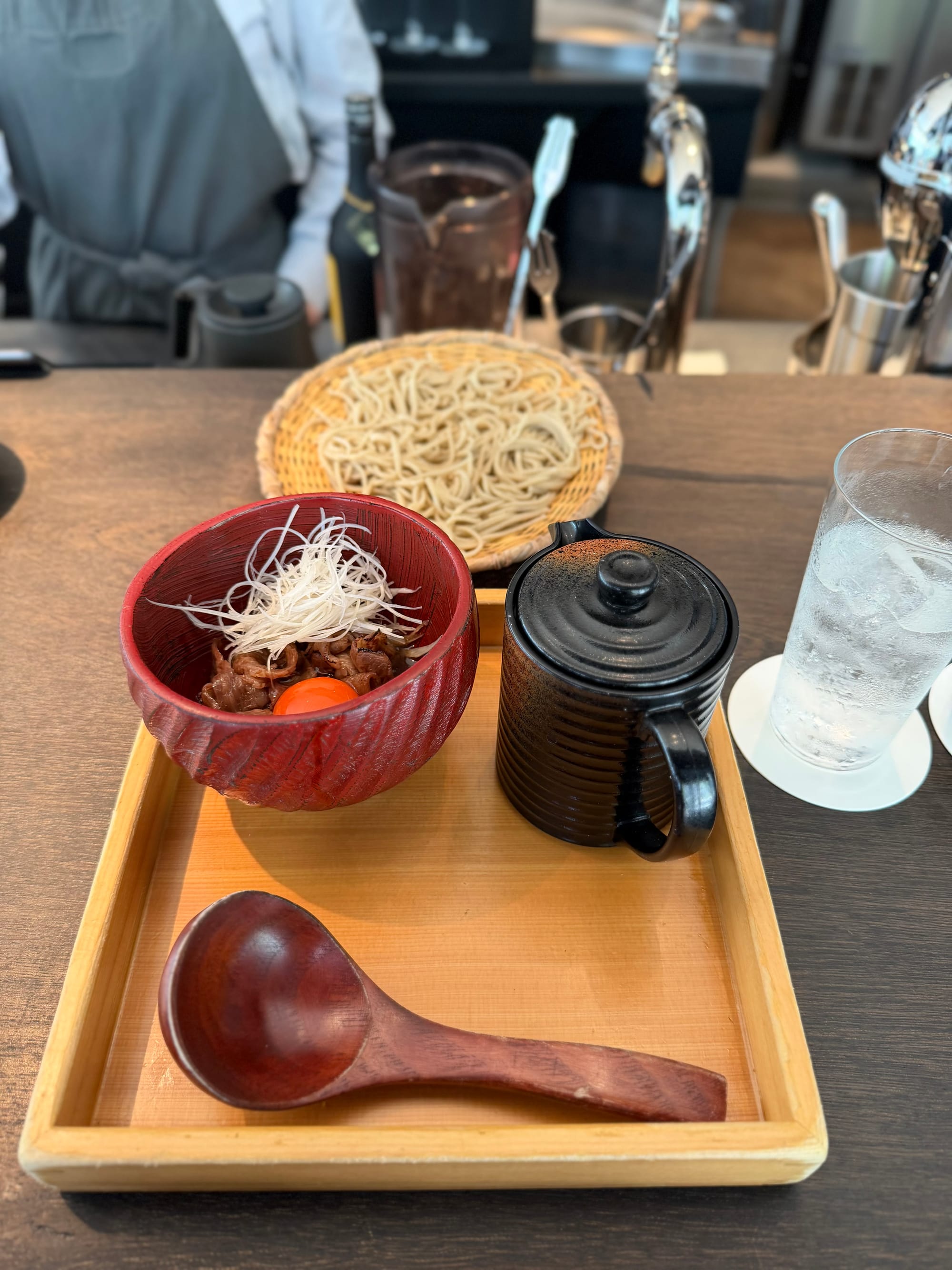
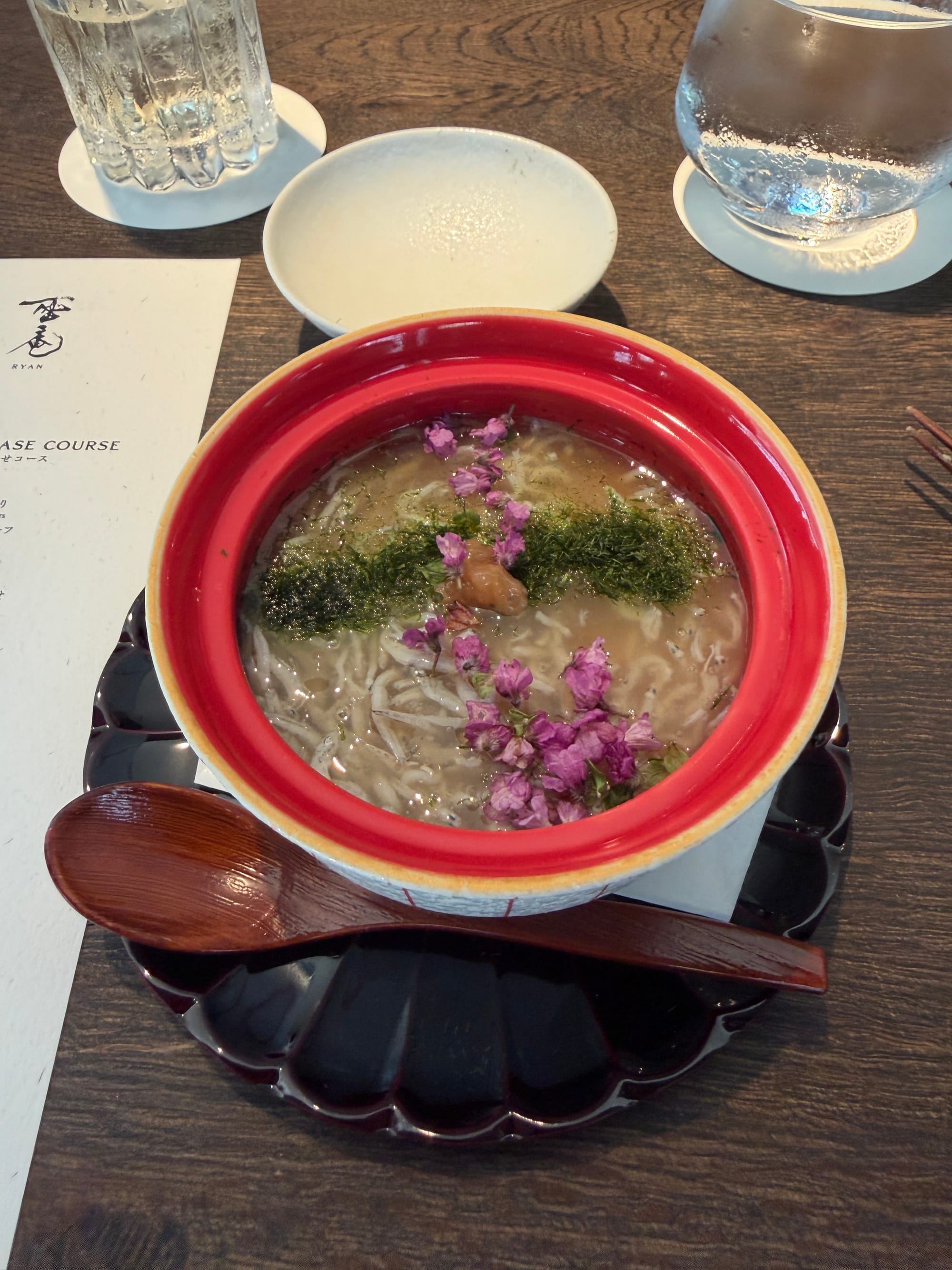
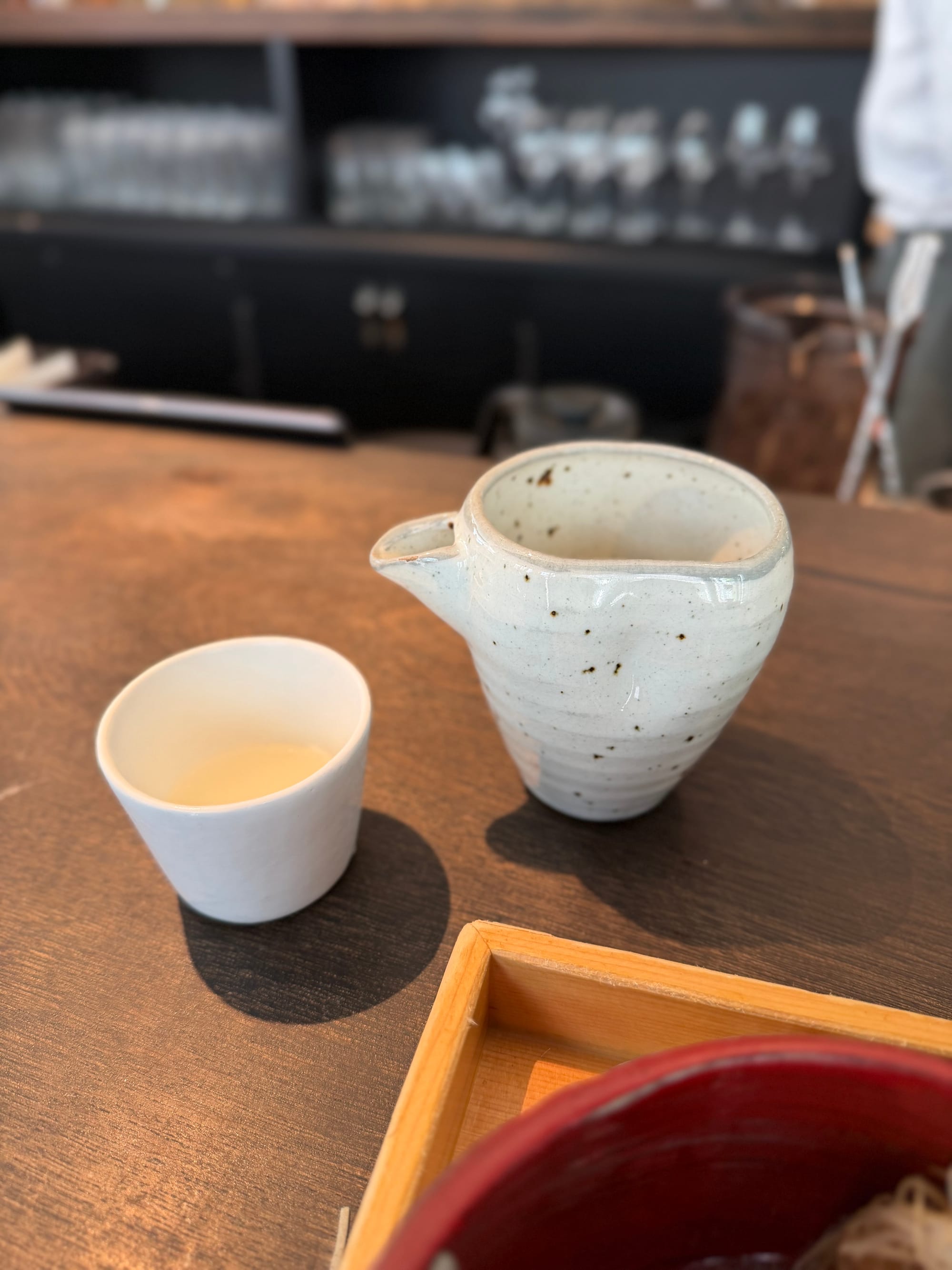
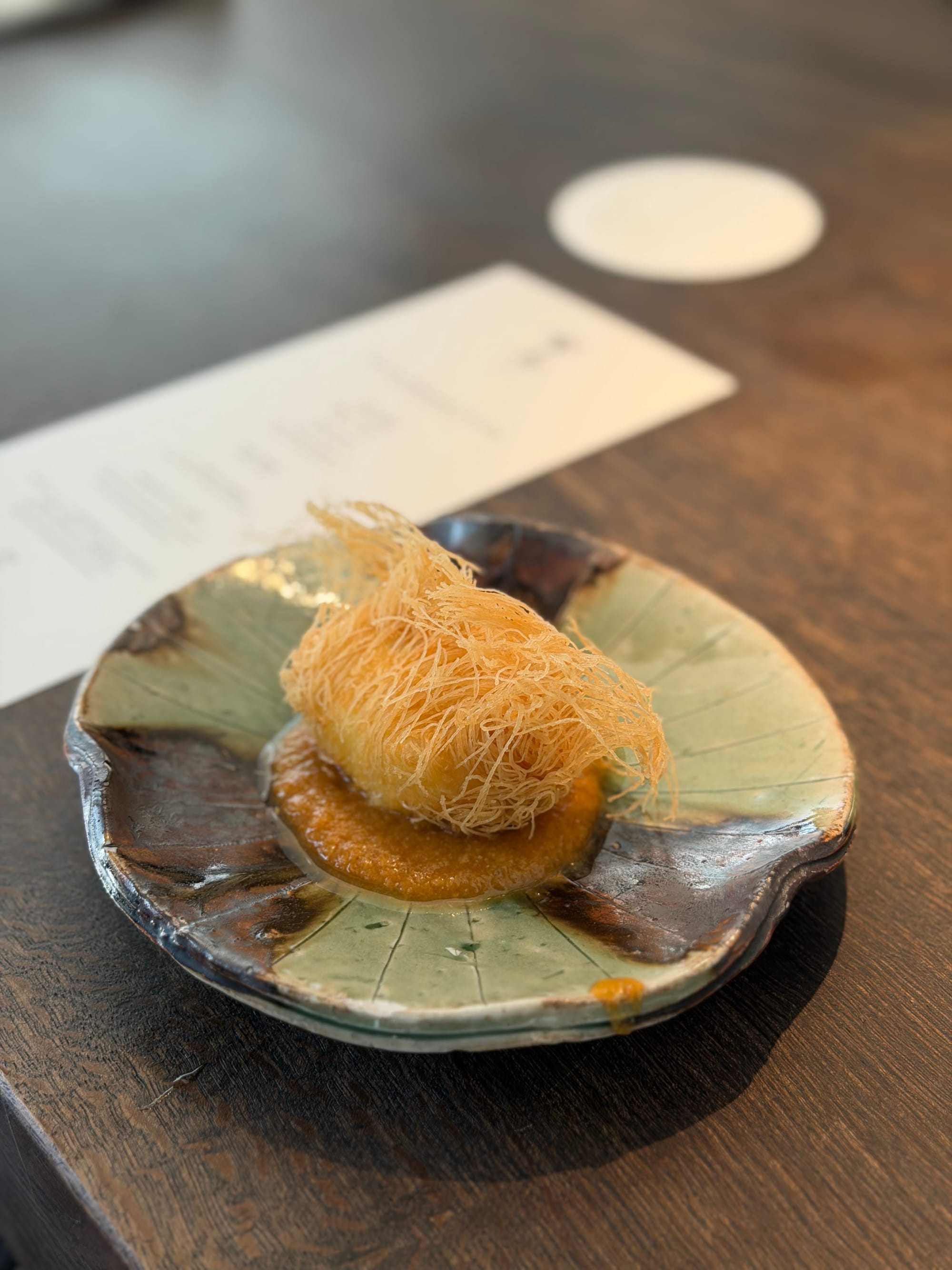
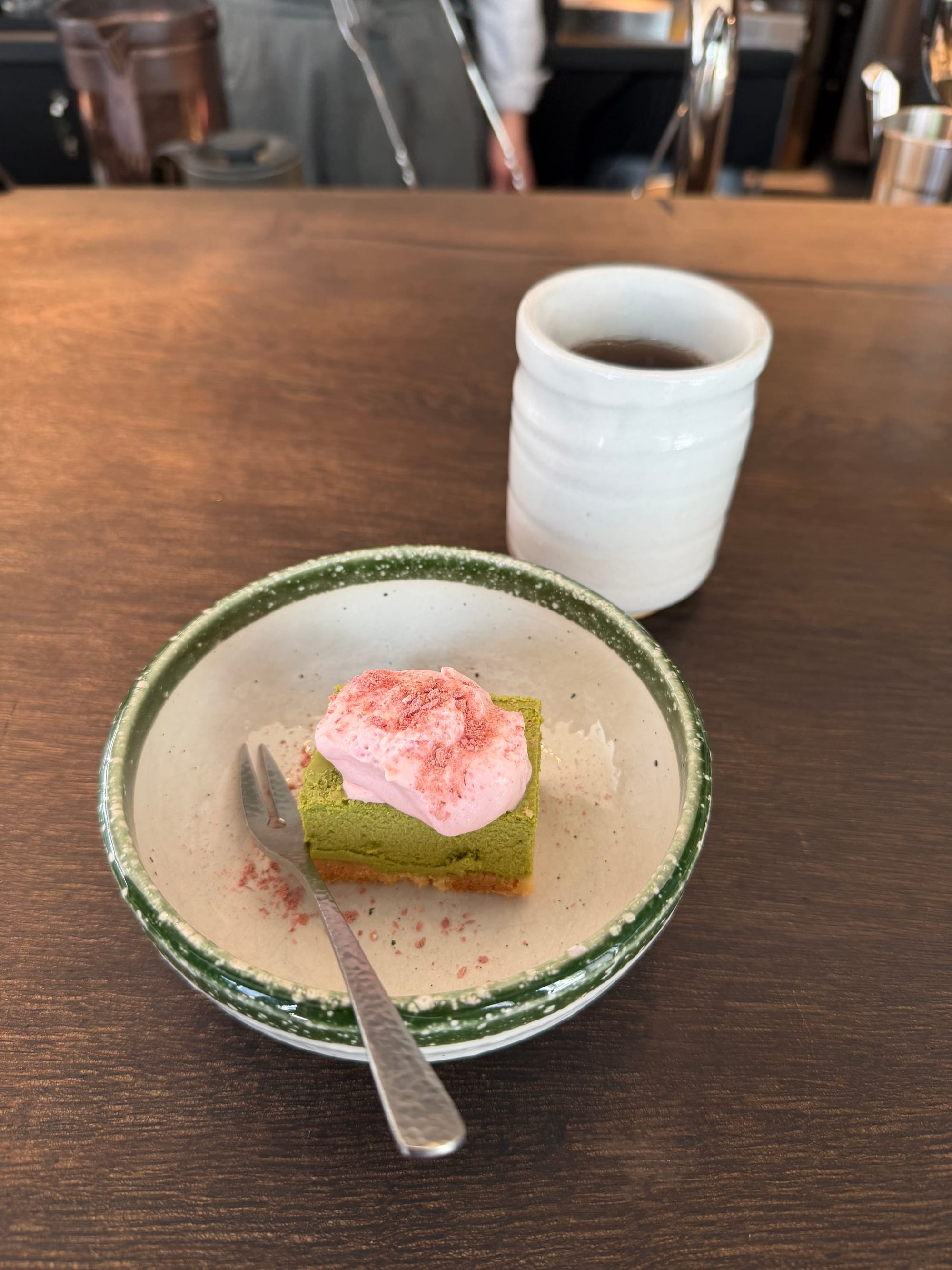
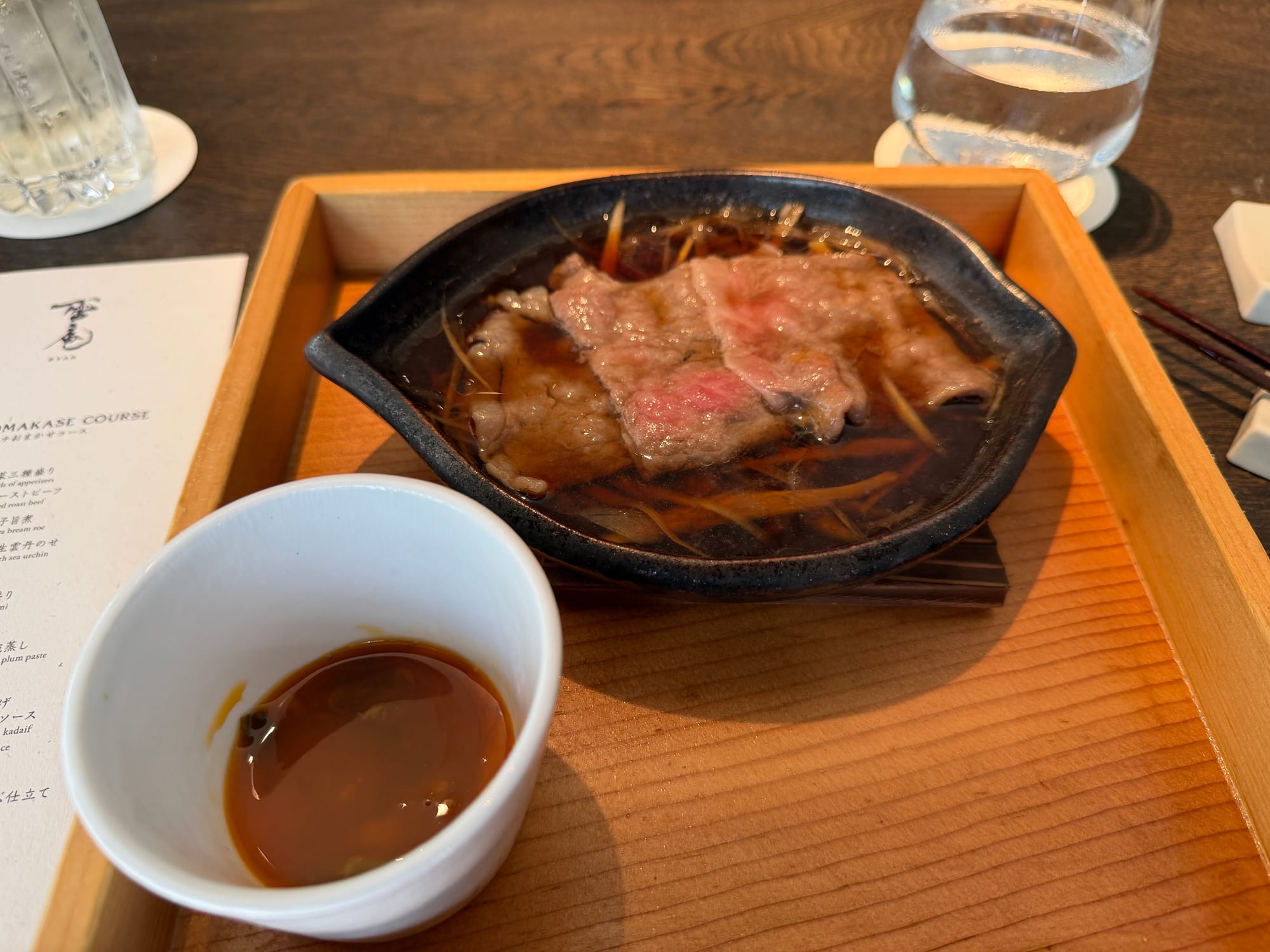
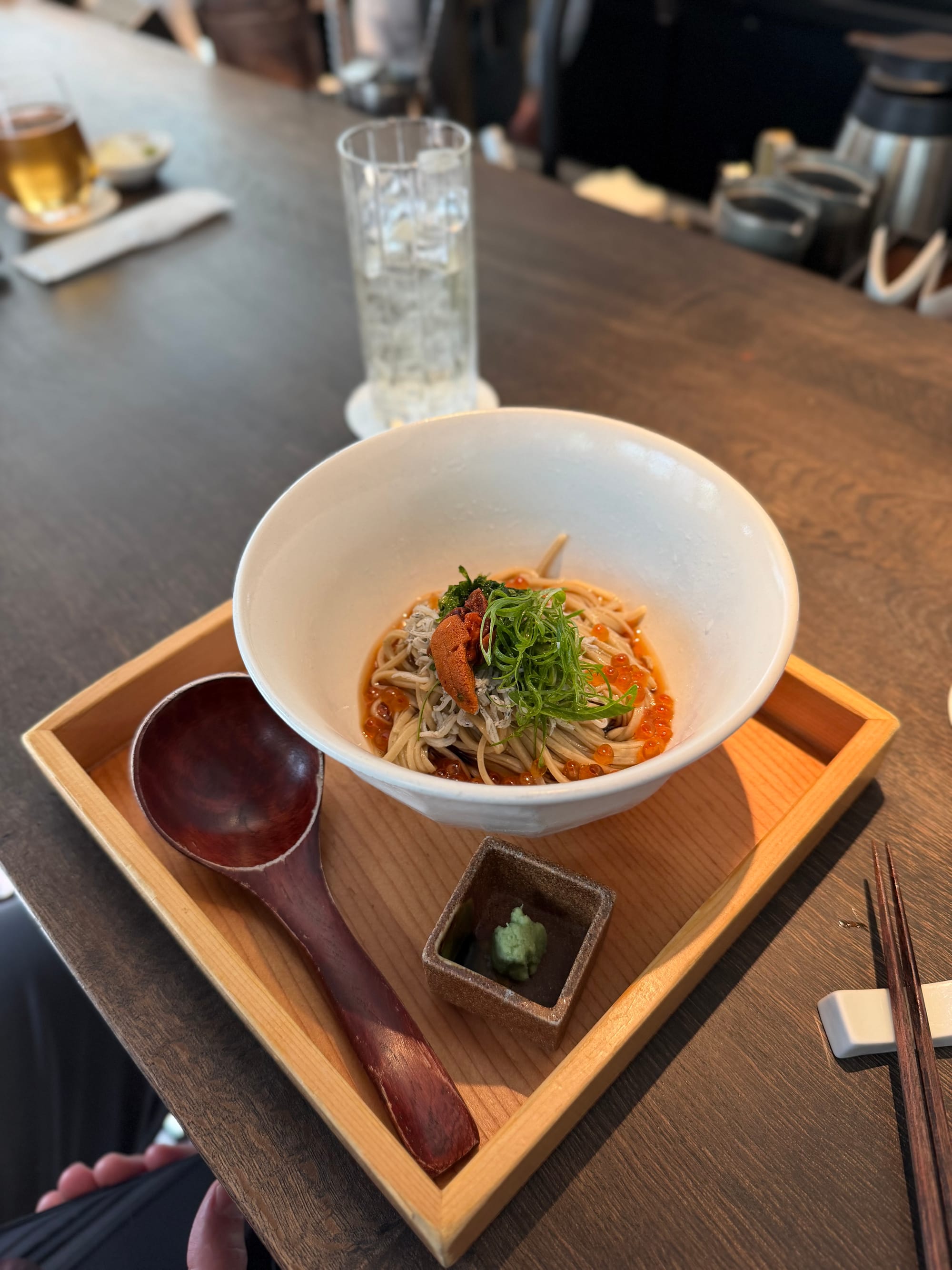
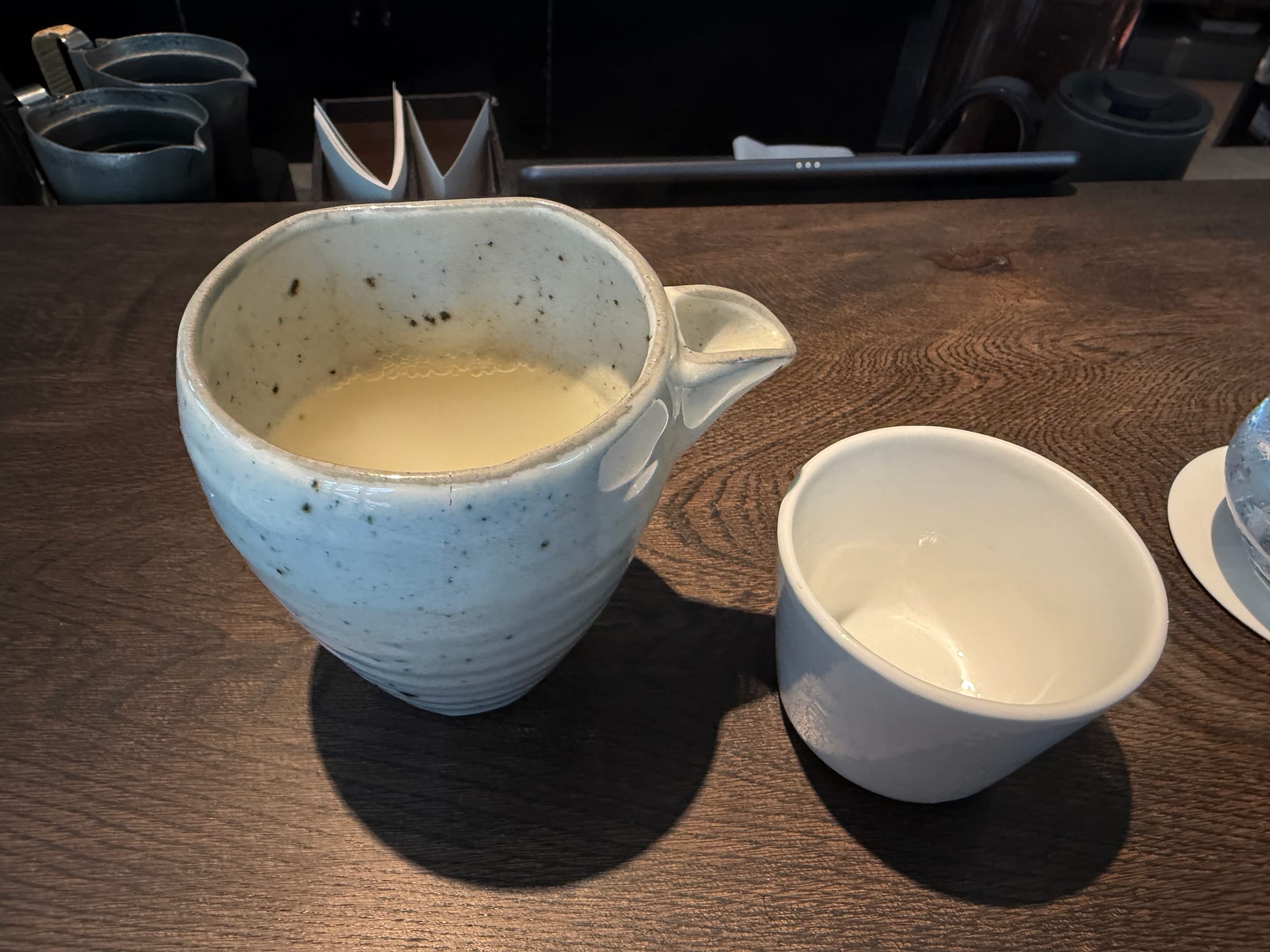
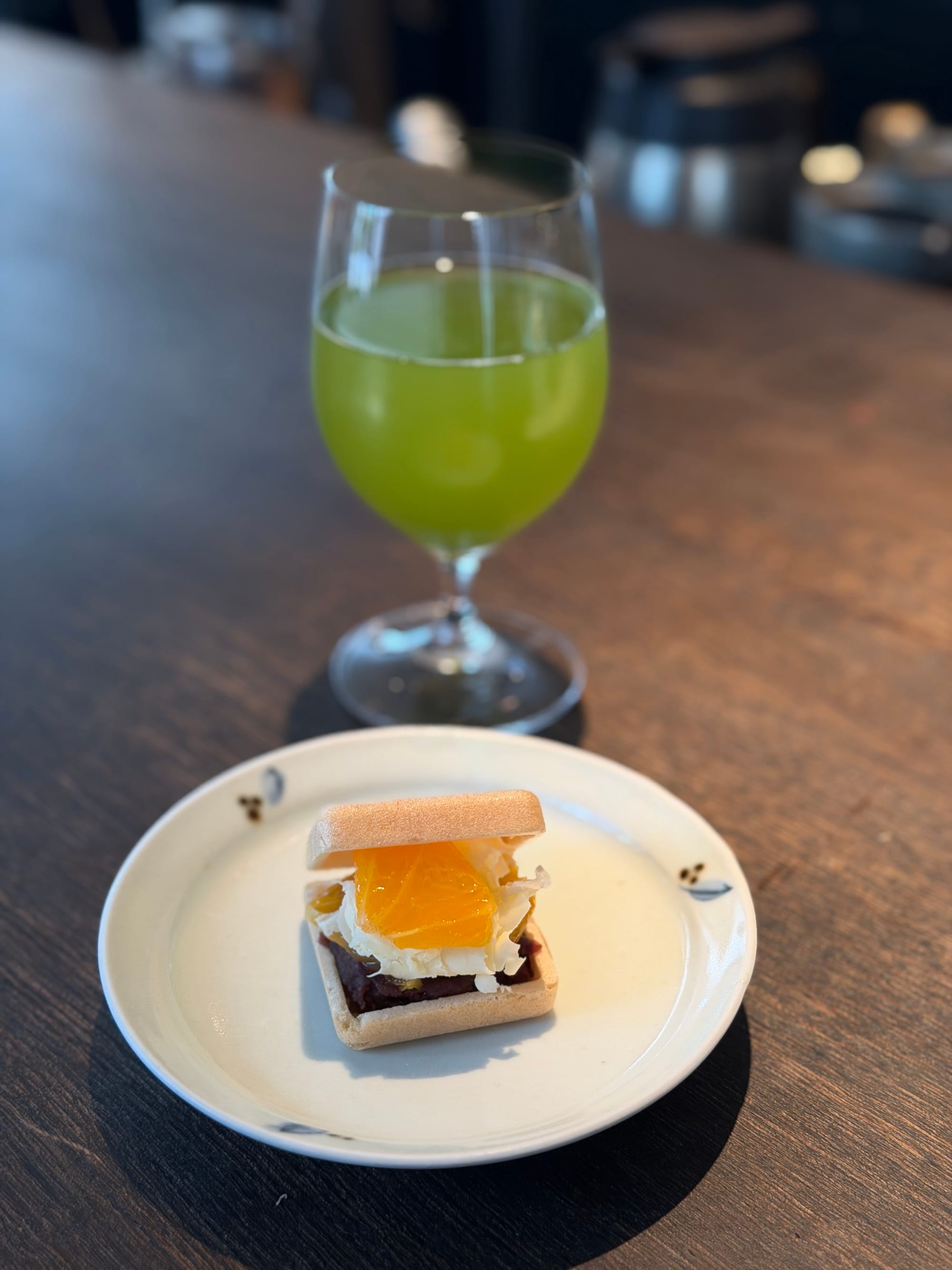
We decided to visit the Shibuya neighborhood this morning. Shibuya is known as a vibrant, neon-lit ward in central Tokyo and a major hub for youth fashion, nightlife, and culture. Most notably there is Shibuya Scramble Crossing, commonly known as Shibuya Crossing. It has been described as the world's busiest pedestrian crossing, with as many as 3,000 people crossing during a single green light cycle. Also at the crossing is the Hachiko statue and a screen display of Hachiko. Hachiko (1923–1935) was an Akita dog renowned for his unwavering loyalty. He would wait for his deceased owner, Professor Hidesaburo Ueno, at Shibuya Station for nearly 10 years after his owner’s death. After visiting the sites, we stopped by some of the interesting shops in the neighborhood like Mega Don Quiote and Loft. Matt was able to find a lunch spot that offered an Omakase menu that allowed him to have an omakase experience while Laurie could order off of the menu. Omakase is a Japanese phrase meaning "I'll leave it up to you" (entrusting), commonly used in restaurants to describe a chef-curated dining experience. Laurie ordered soba noodles with a nice matcha cheesecake dessert. After serving you soba, the tradition is to give you some soba water to sip on to help digest your food. Once we filled up on lunch, we headed back to the hotel to rest up before meeting up with the tour group for orientation.
While resting Matt decided to try some of the tea selections we were offered during check-in. The tea seemed a little odd, but Matt is always up to try anything once. The first sip was odd and tasted very soapy. After translating the packaging properly, Matt learned it was a bath balm. Just one of the perils of trying anything once.
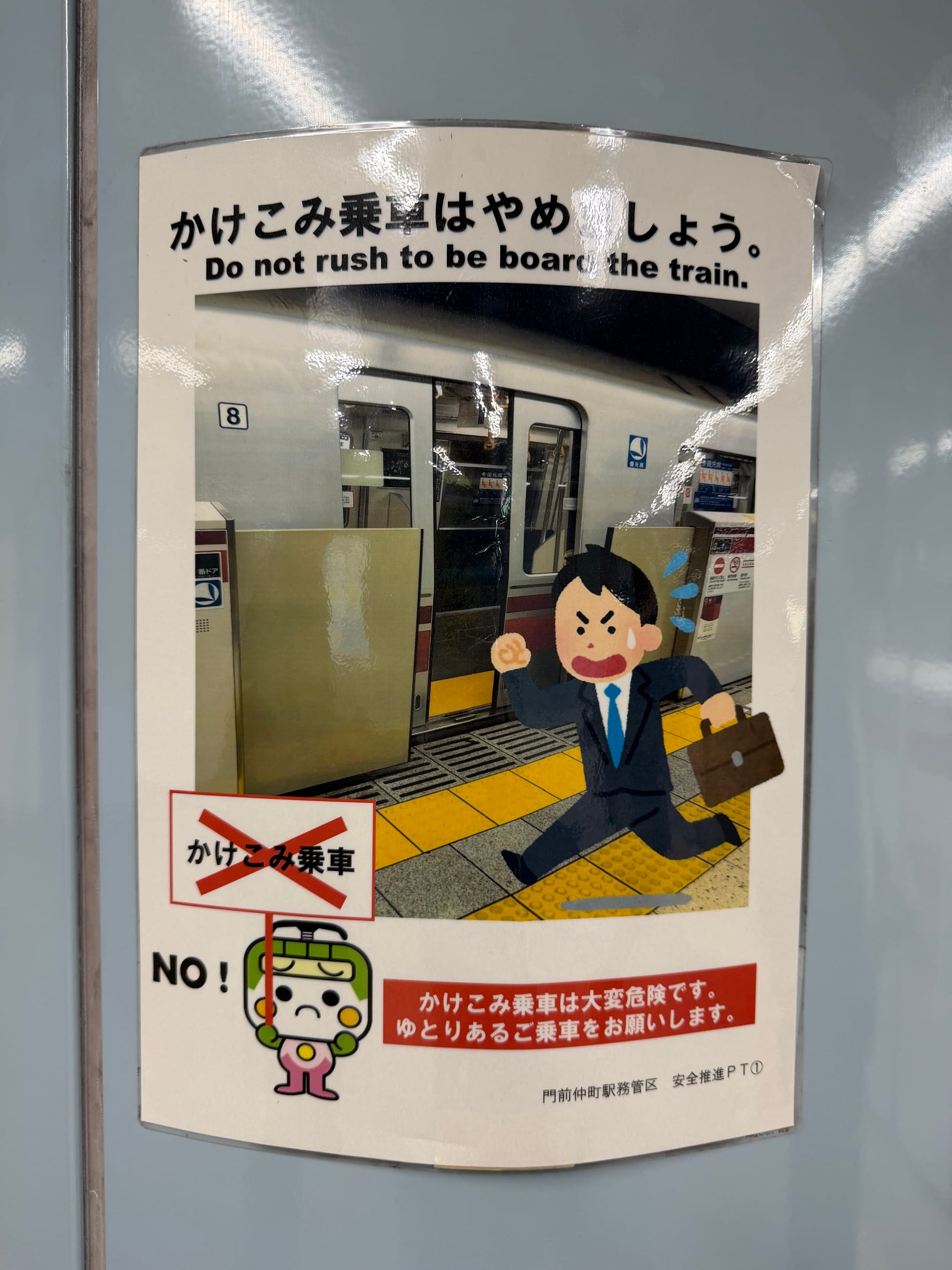
Tour Start
This evening was the official start of our tour. We met up with the 6 other people on our tour, as well as our tour guide. The guide explained the layout of how the tour will proceed and what to expect. After orientation, a small group of us walked over to an office building for a quick dinner of Chinese food. The restaurant had a large group of “salarymen” drinking after a long day at work.
Ben Fidich
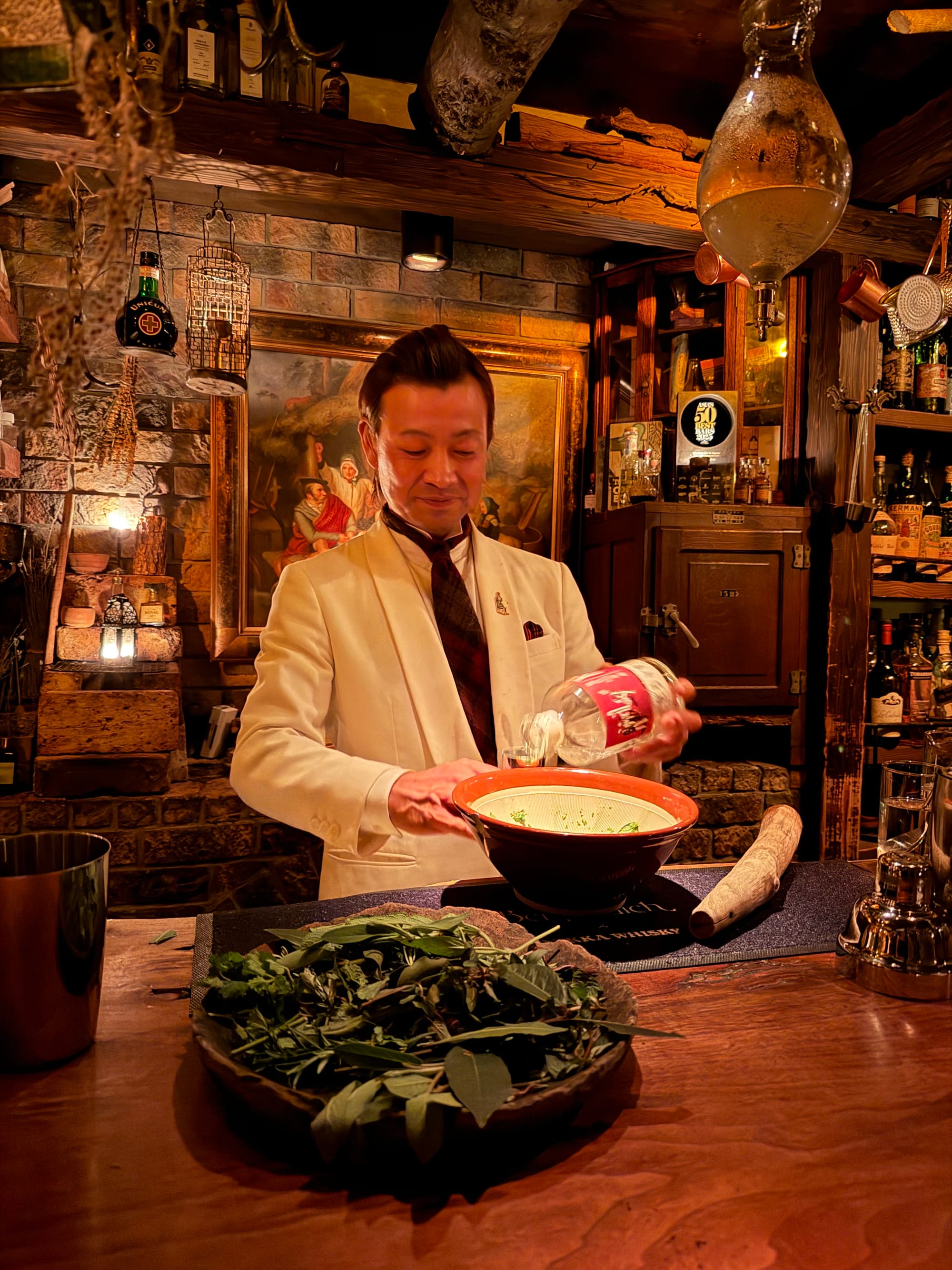
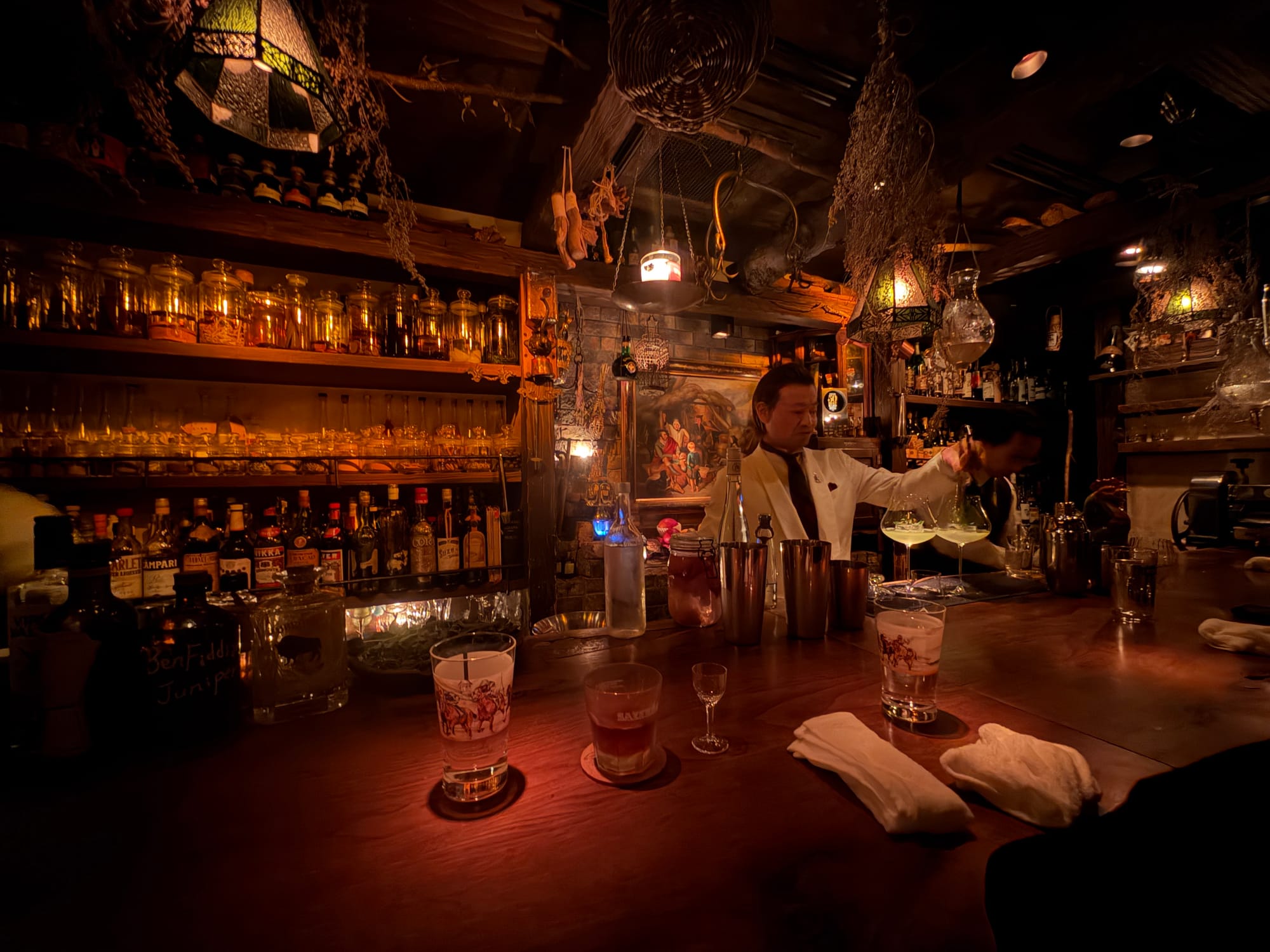
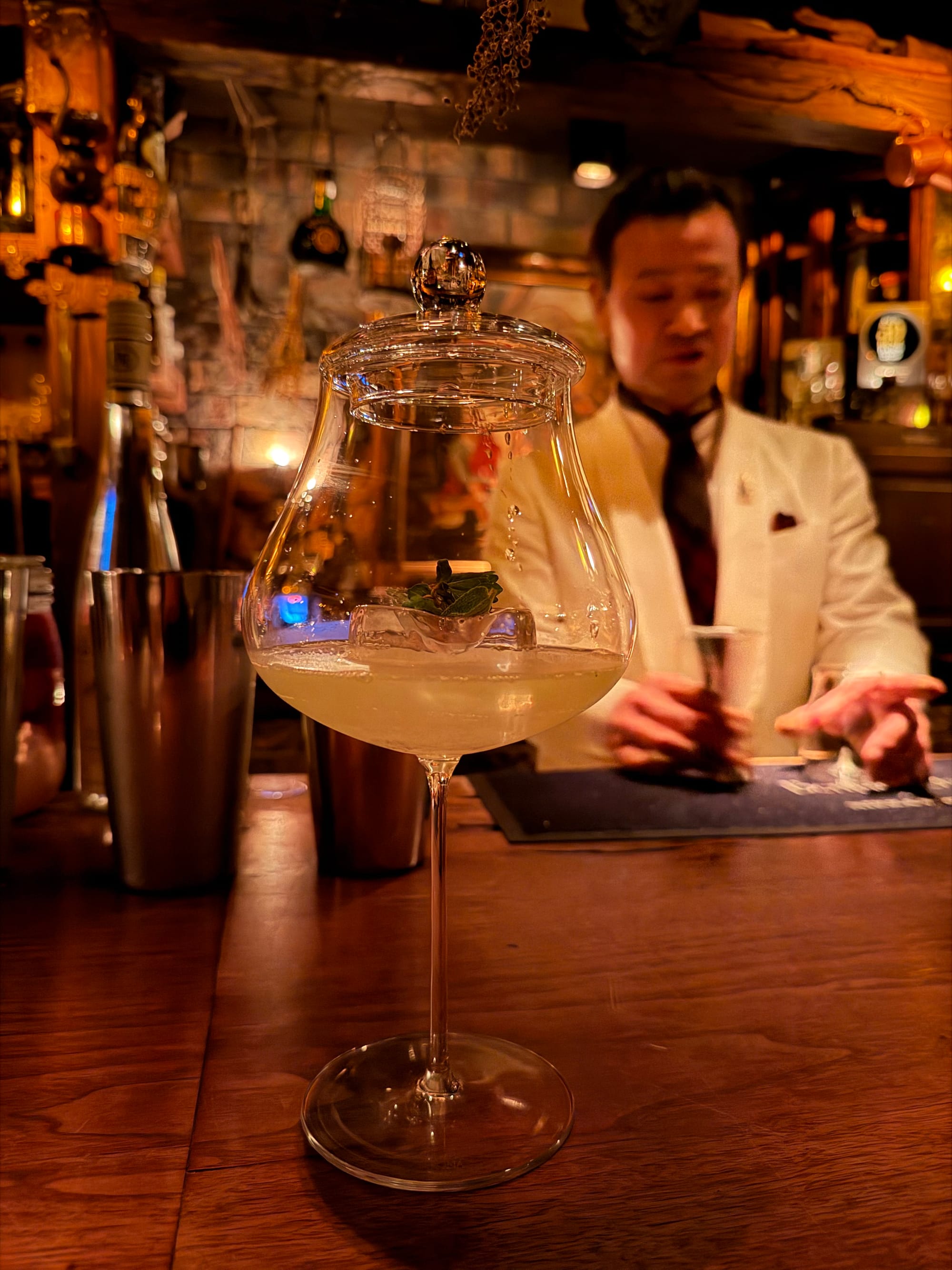
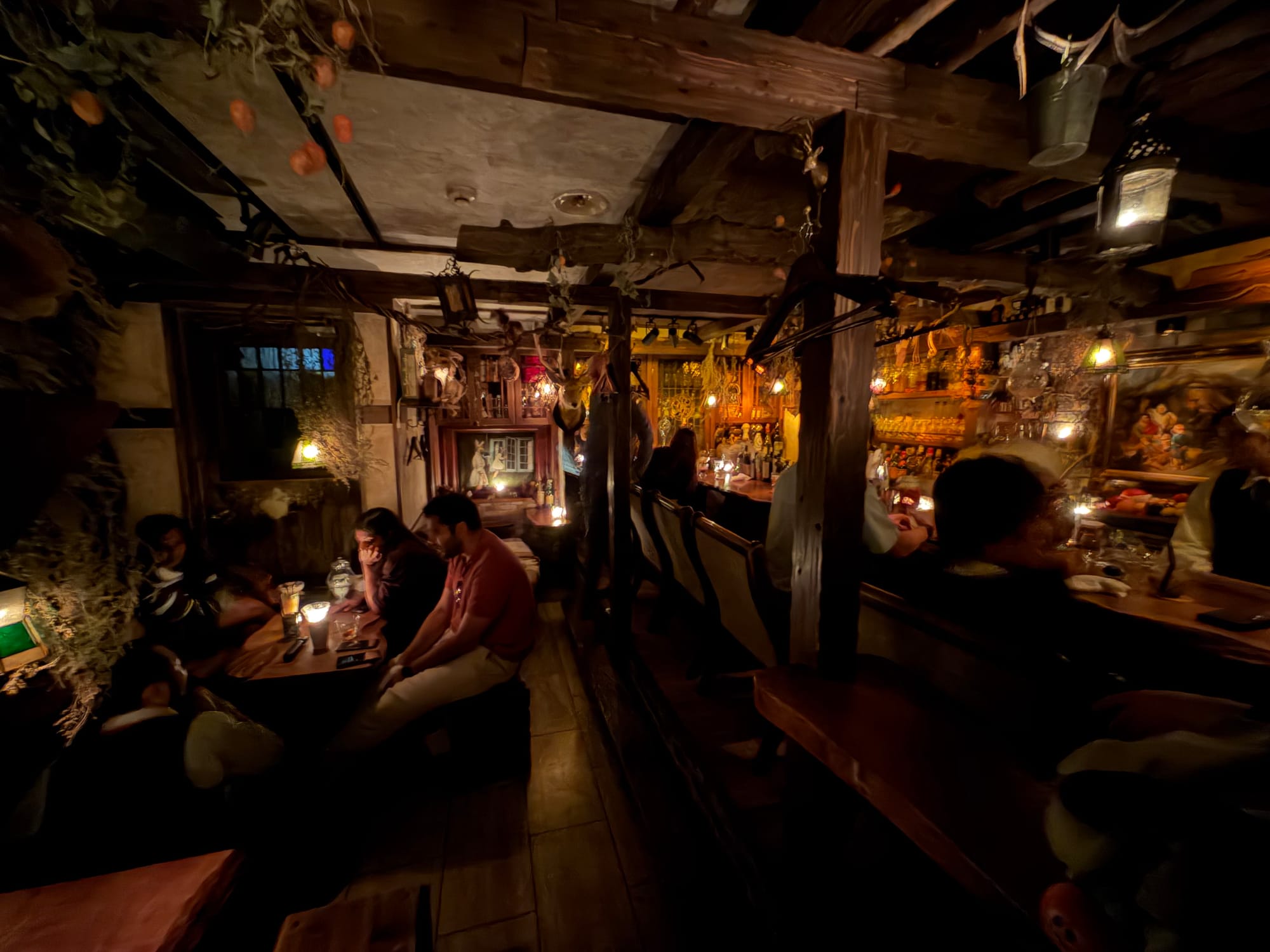
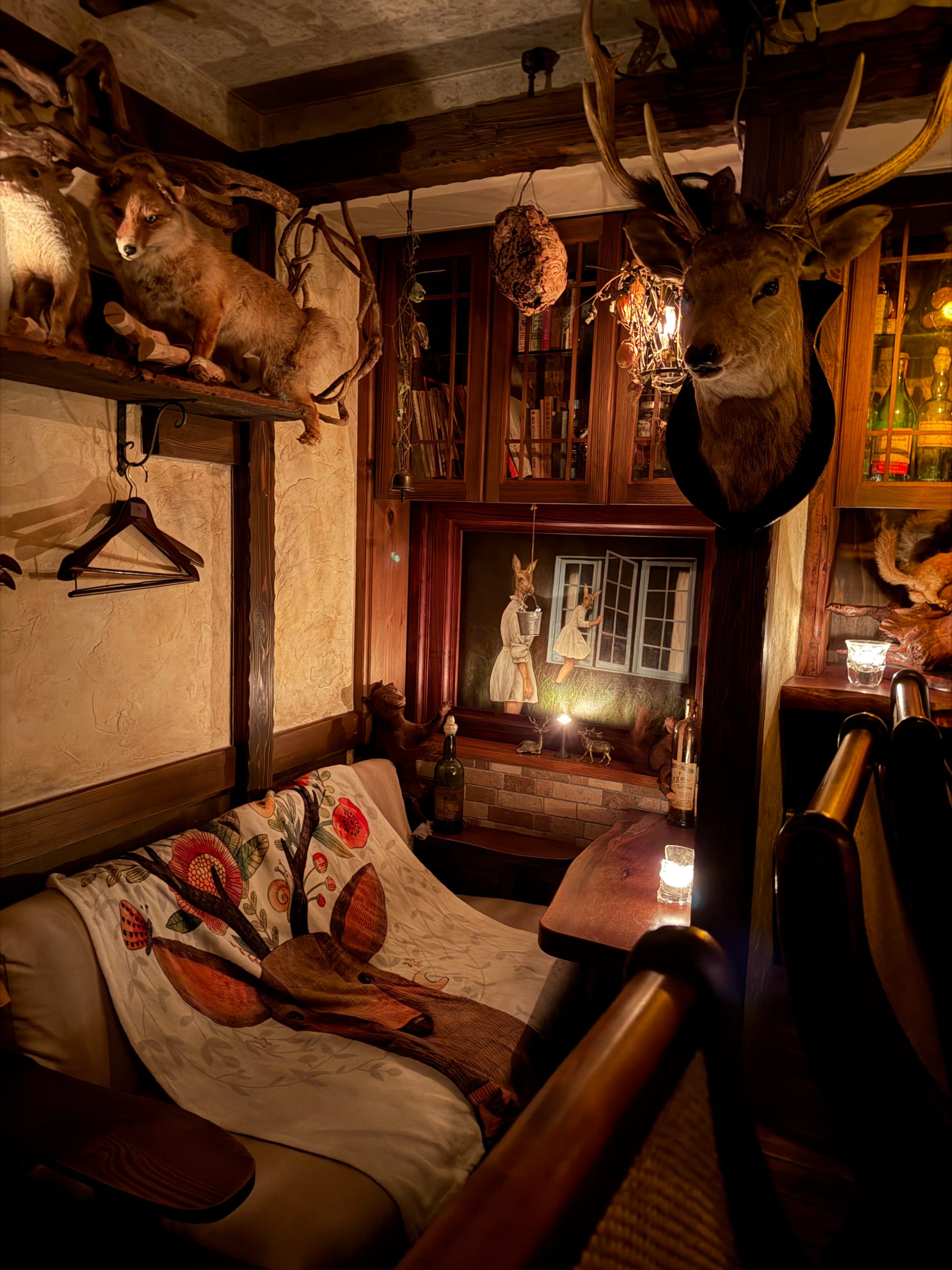
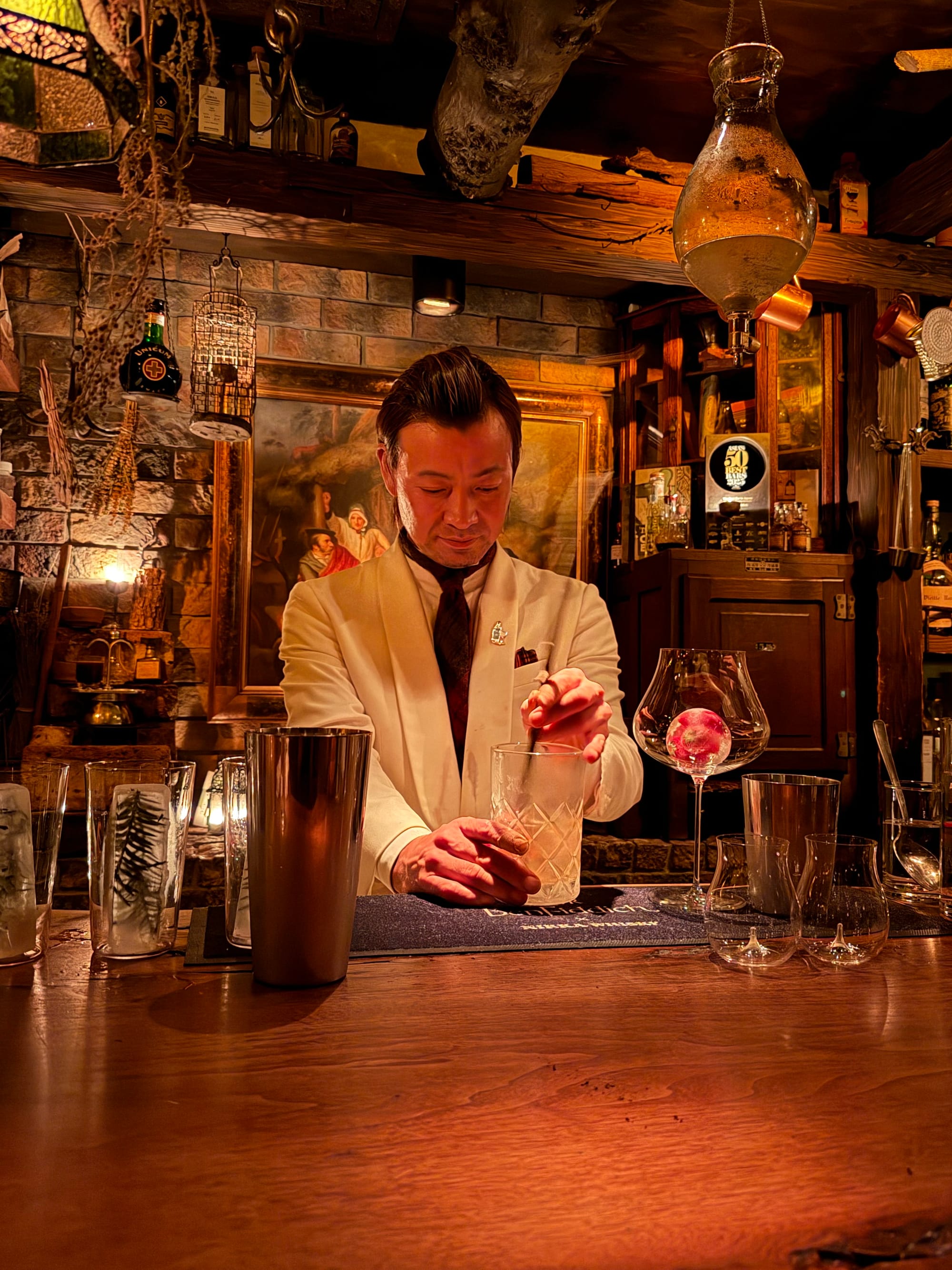
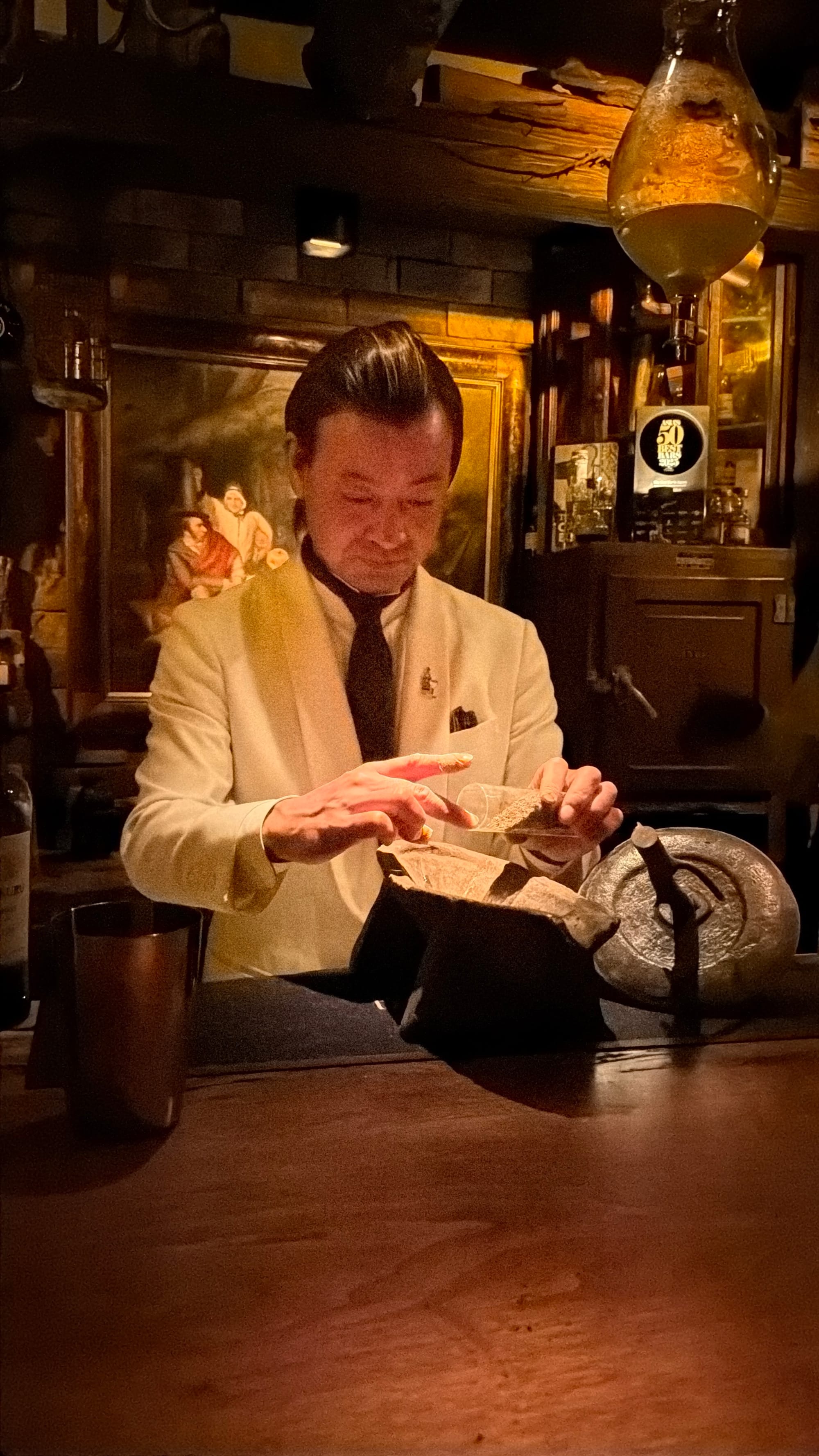
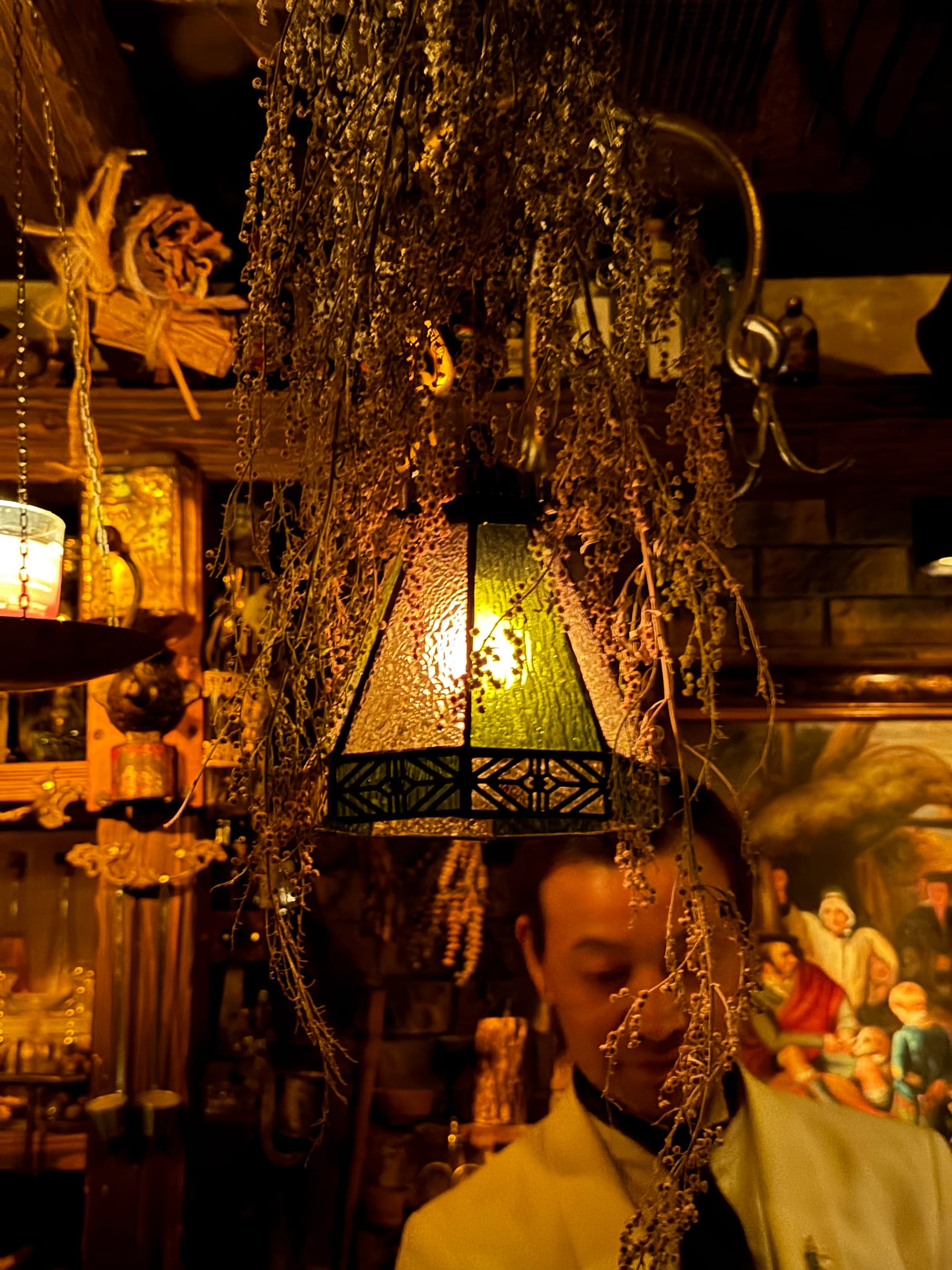
Before the trip began, Matt was able to reserve a seat at Ben Fidich, a 12 person bar on Asia’s 50 best bars list. The bar was created by Hiroyasu Kayama to highlight cocktails made from herbs grown on his farm Chichibu, an hour north west of Tokyo. To get a spot requires booking at a very specific time on the 20th of the month before you would like to visit. Reservations are gone in less than a minute, so getting a seat is extra difficult.
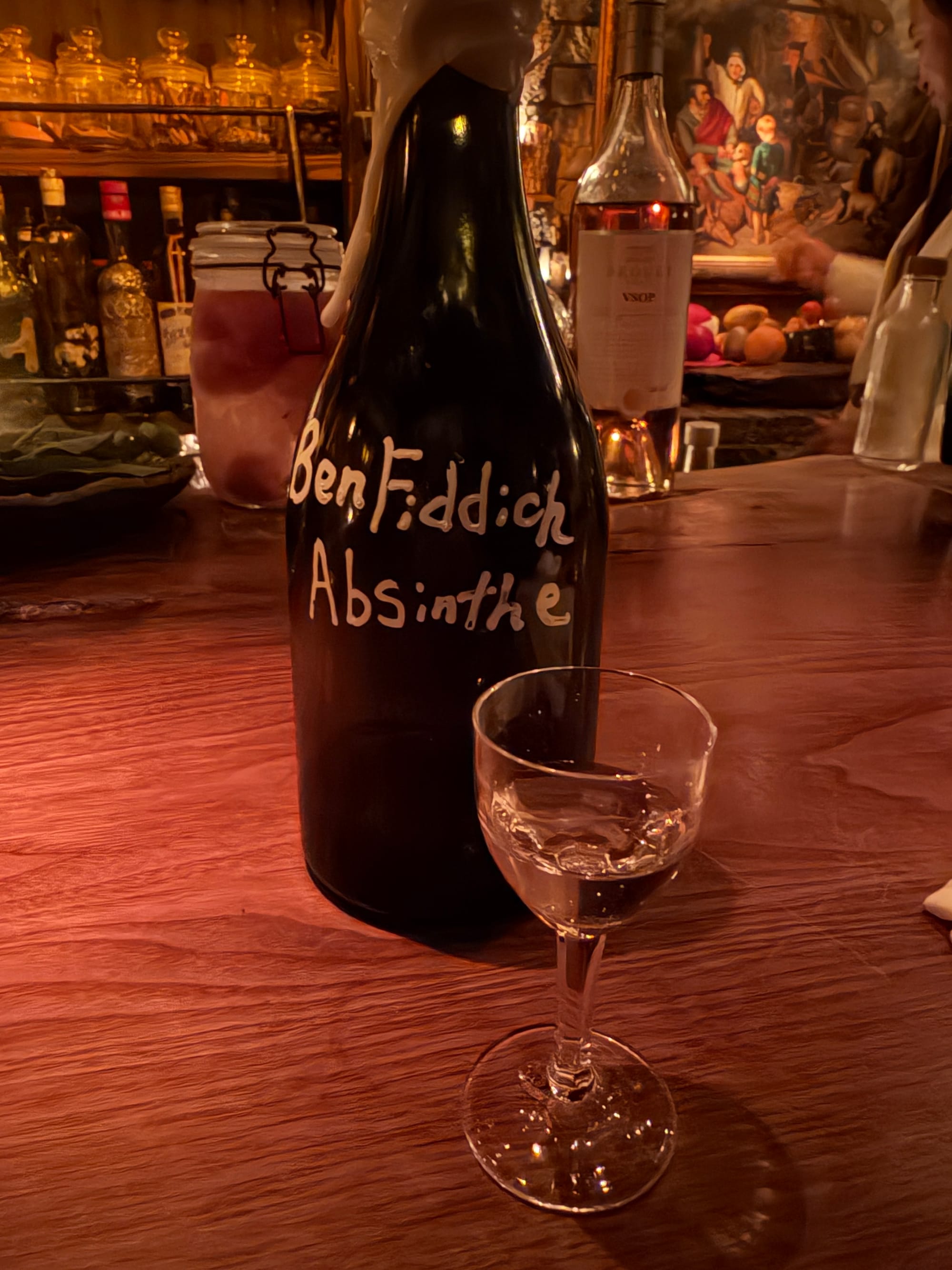
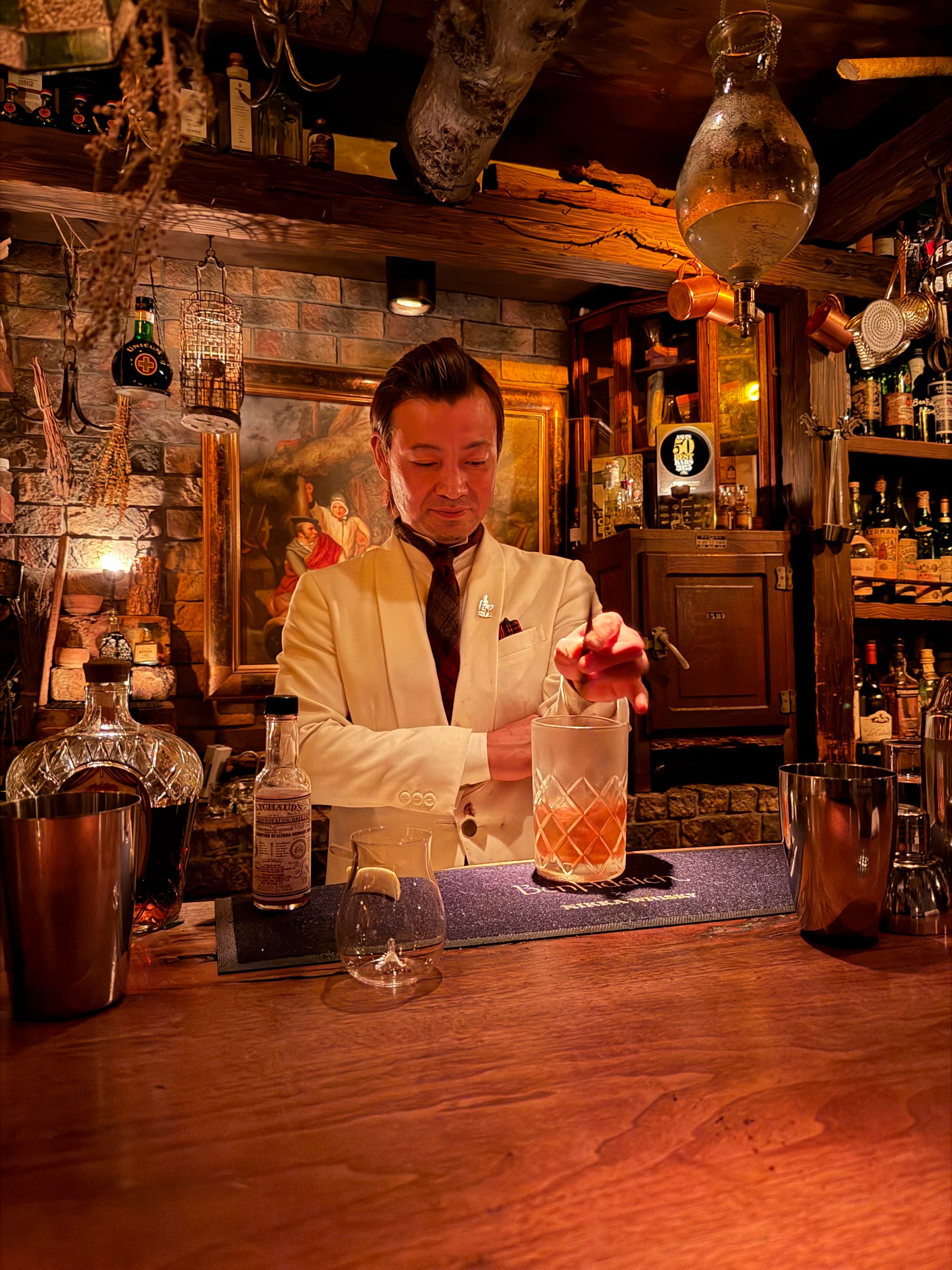
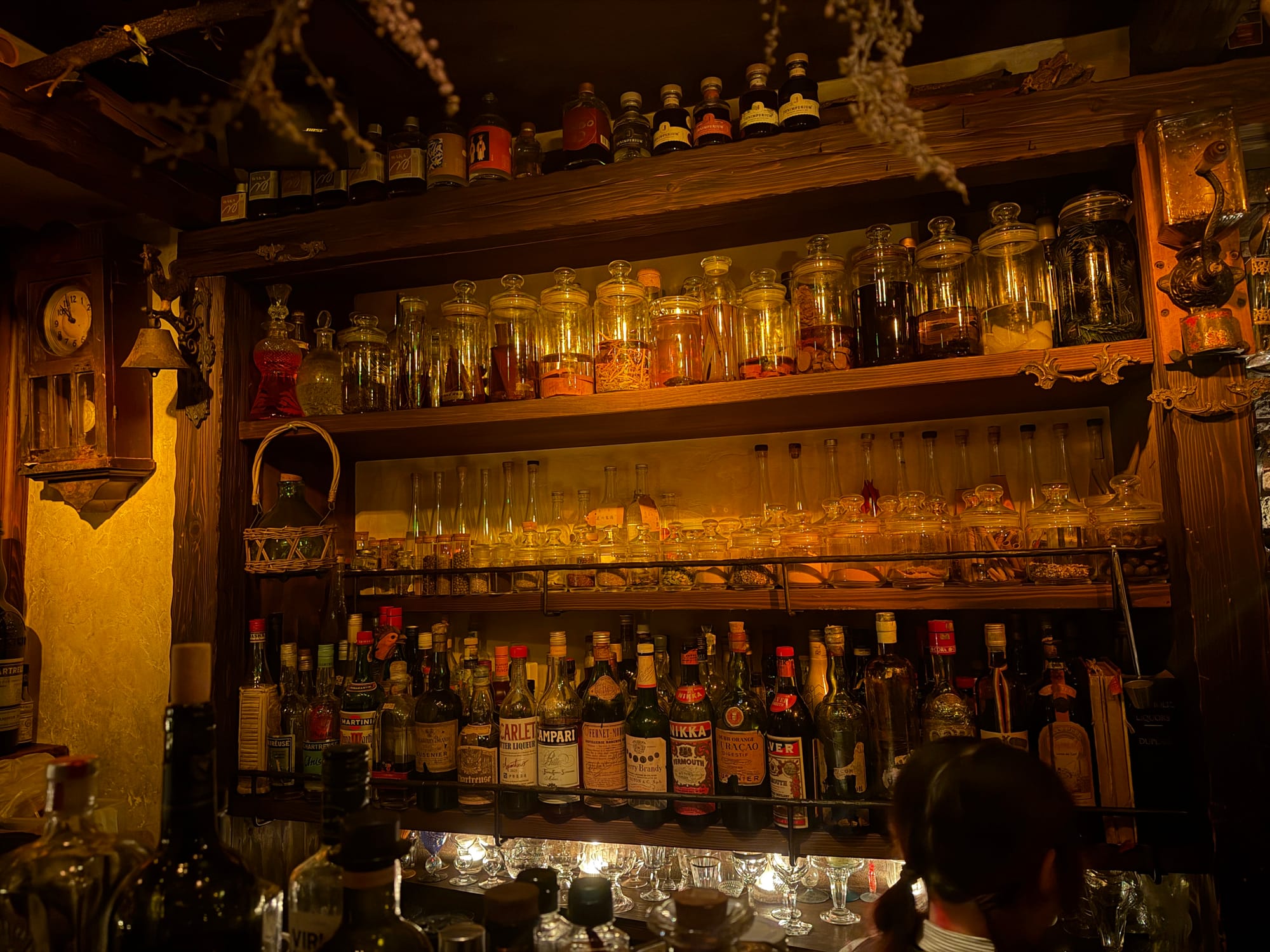
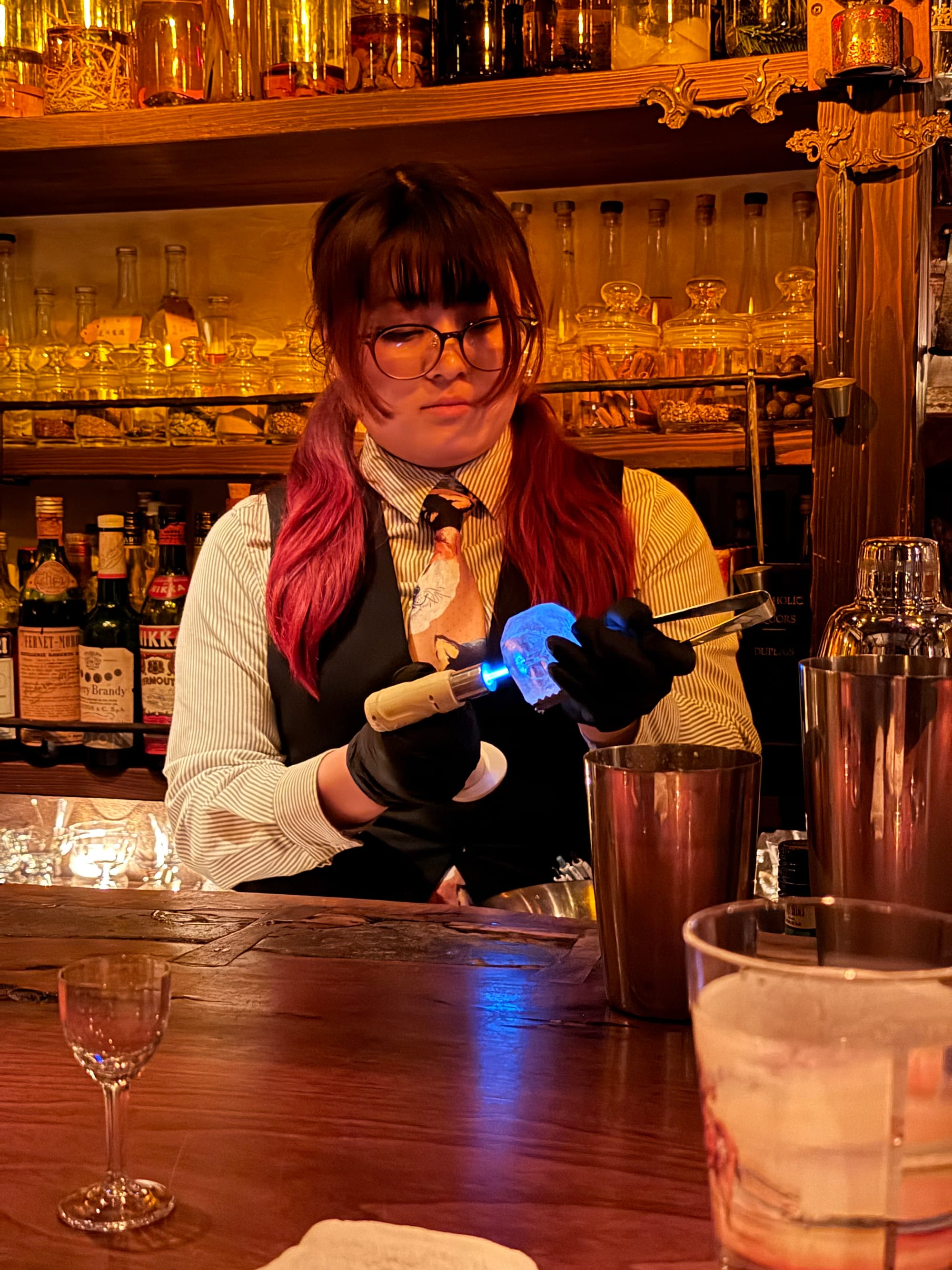
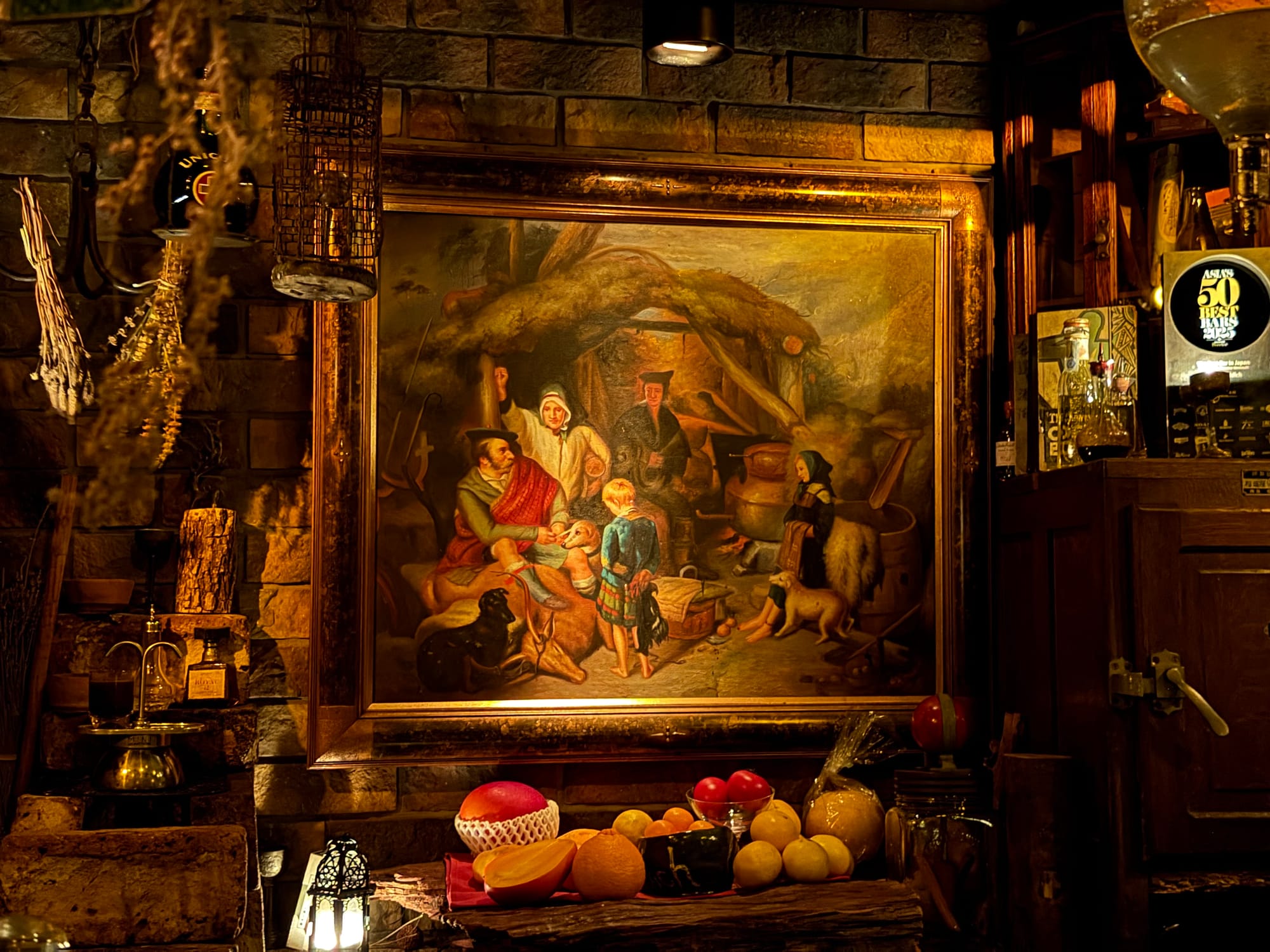
Most drinks contain something from the farm. Twigs snapped fresh from mizunara or juniper trees might be used to stir a drink. Kayama might take a splash of honey water from one of the absinthe drippers hanging above the bar, or he might reach for one of his many bottles whose labels fell off decades ago. We sat at the walnut counter facing those bottles, some of which are global classics, others his own work, including a farm-distilled absinthe, fresh fruit and herbs, inventive infusions, and a painting of an illicit Highland distilling operation.
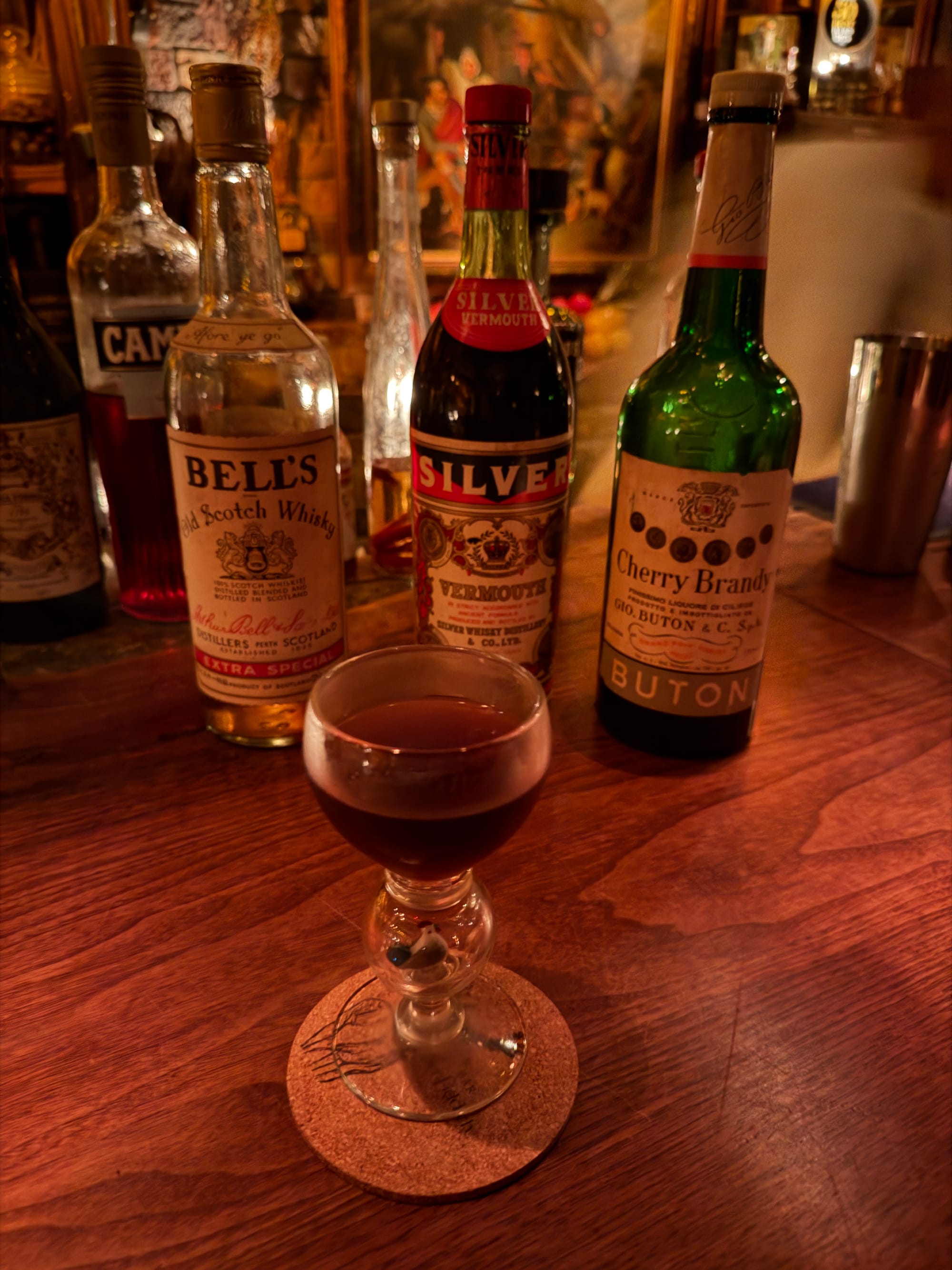
Each drink is made after a conversation on what you like and what you flavors you prefer. Although Matt tried to direct them to the weird and crazy, the staff kept directing him back to the classics. Each drink was as unique as the space and the bartender. A Sazerac made with homemade absinthe, a Manhattan made with bottles from the 1950s to the 1980s, or an Old Fashioned made with herbs stone ground specifically for that drink.
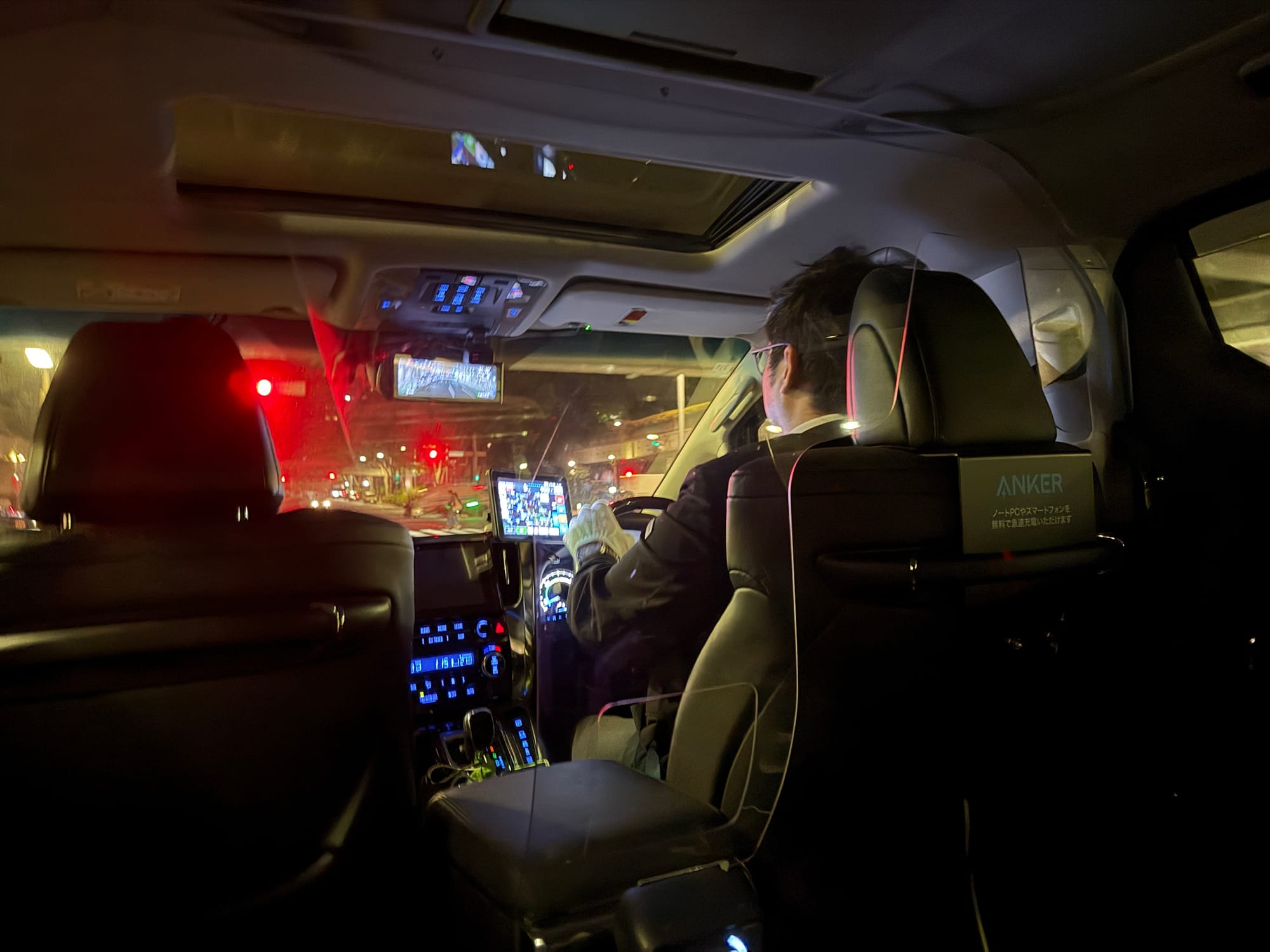
At the end of the night we were all kicked out of the bar by Kayama as he stated, ”Okay everyone, thank you, we have tomorrow.” Since the trains had stopped running by the time we were finished, we had to take an expensive cab right back to the hotel.